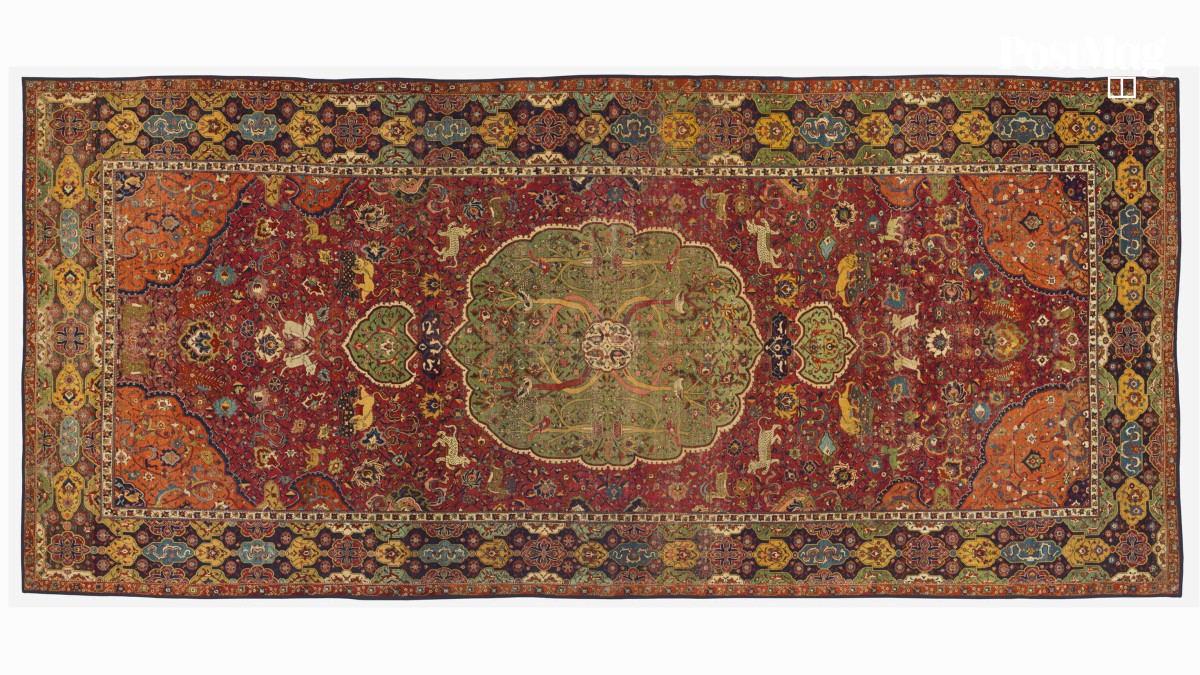
The wonders of imperial carpets and Islamic arts in all their tufted splendour are making their way to Hong Kong
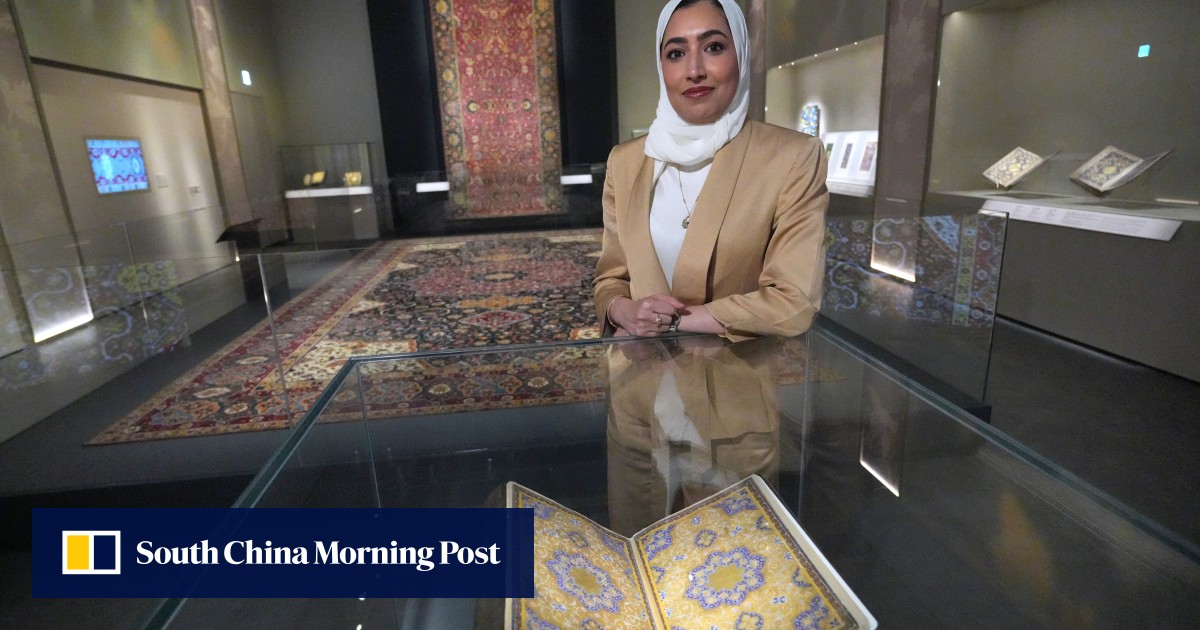
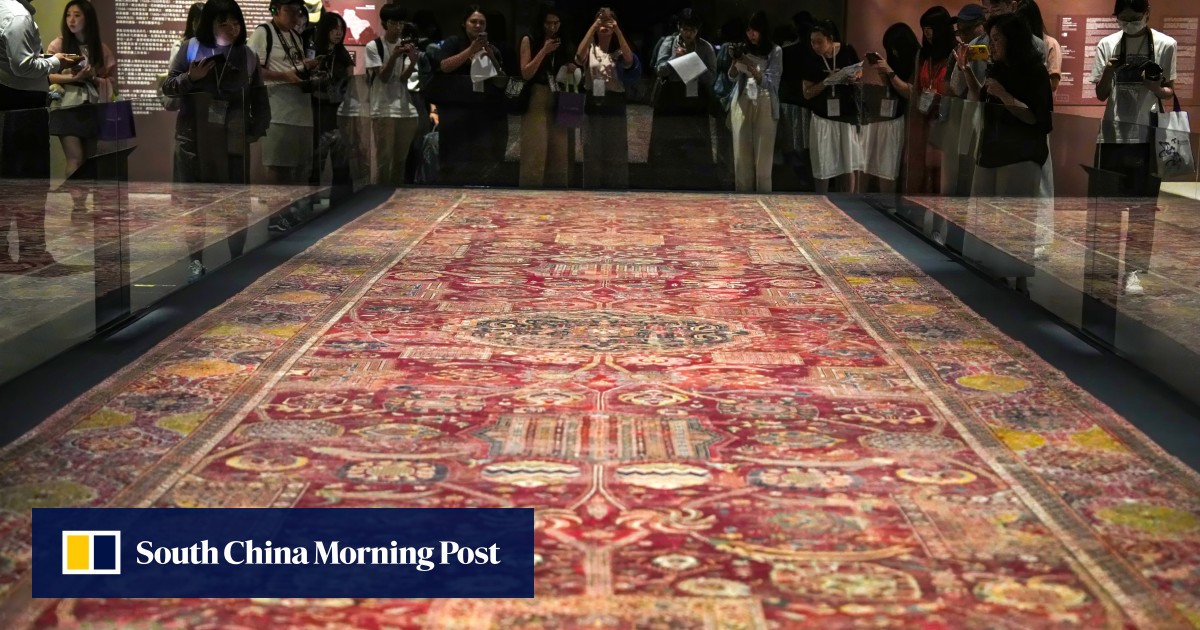
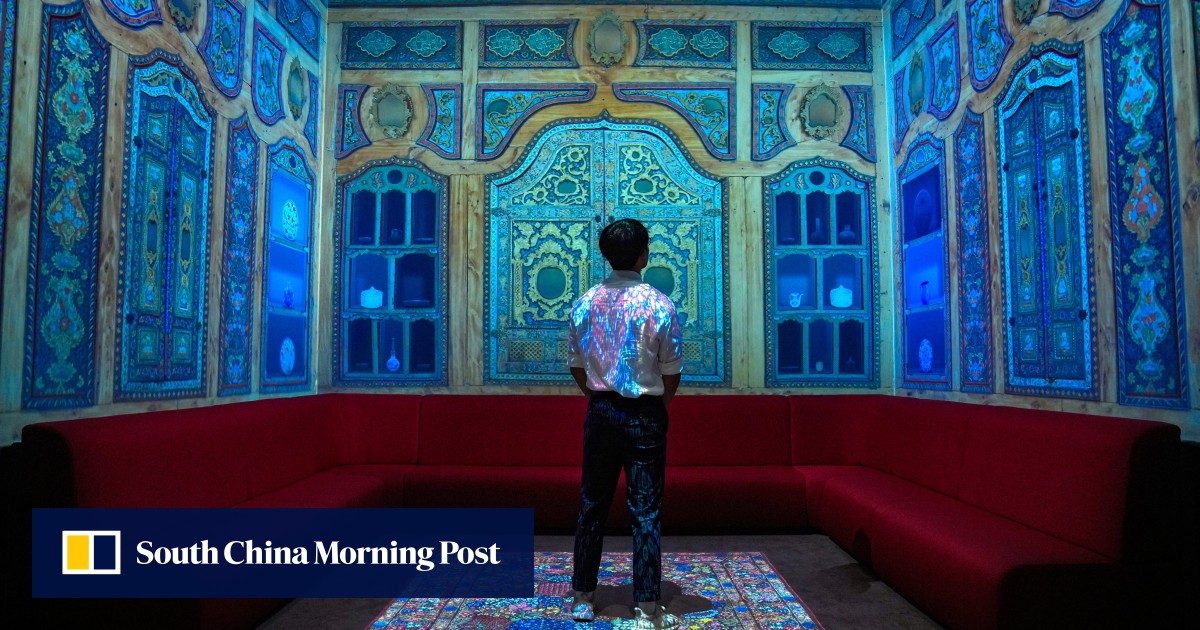
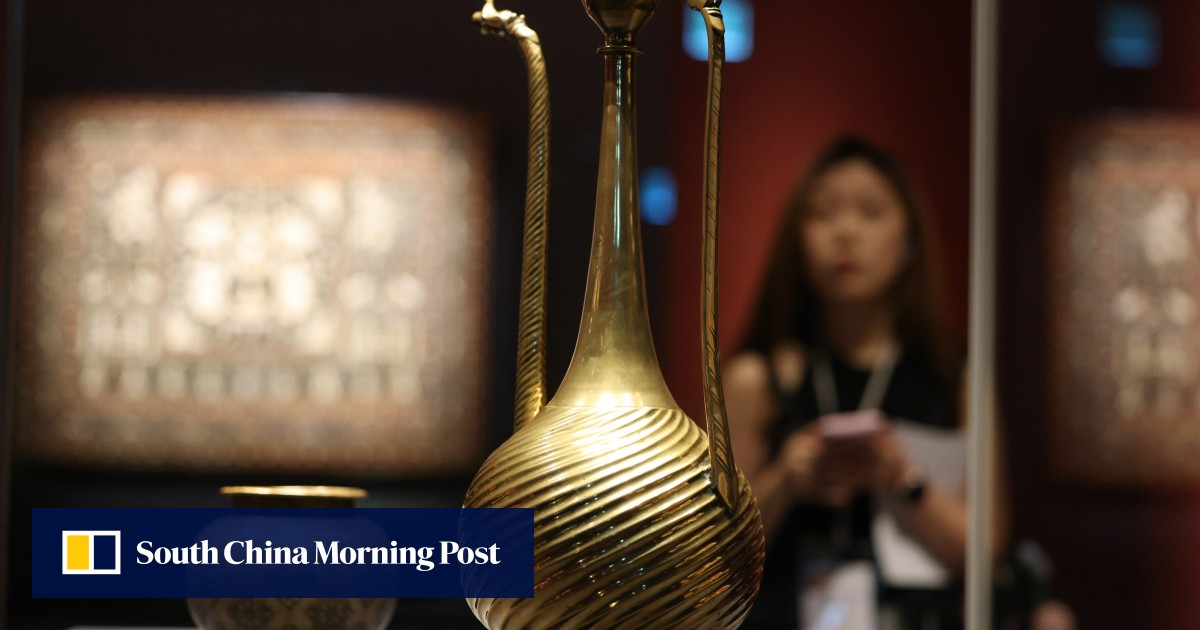
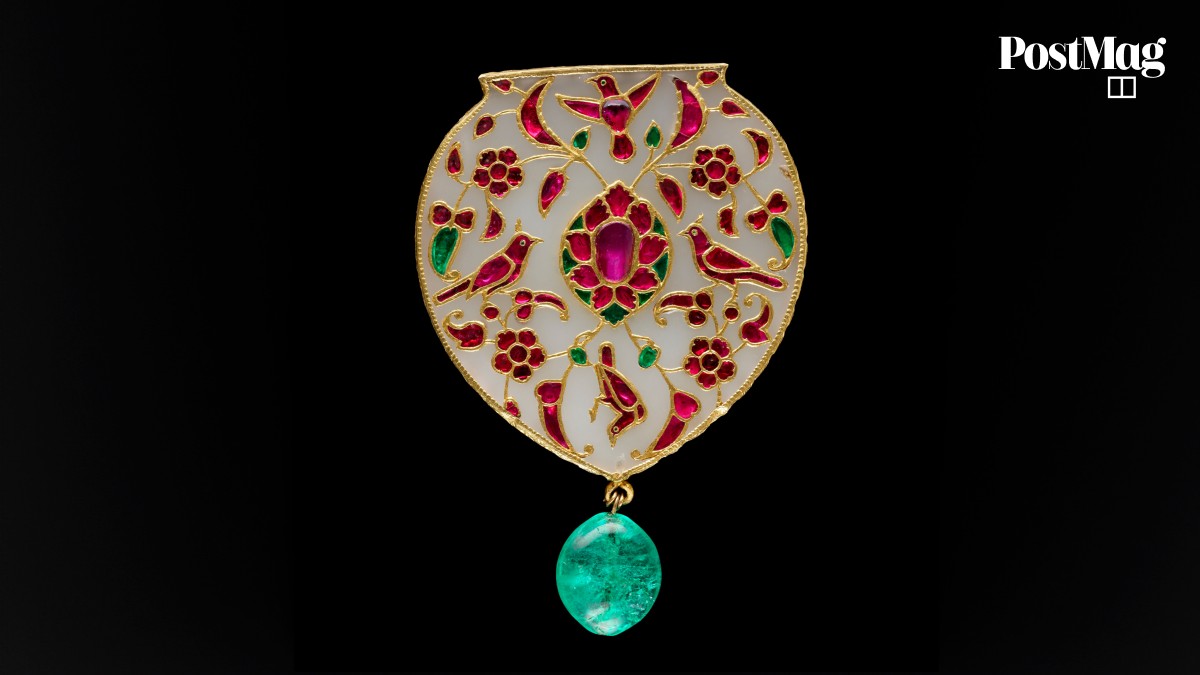
Organised in collaboration with the Museum of Islamic Art in Doha, Qatar, “Wonders of Imperial Carpets” presents around 100 masterpieces collected from the Safavid dynasty in Iran (1501-1736), Mughal dynasty in India (1526-1857) and Ottoman dynasty in Turkey (1299-1923), illustrating the rich cultural and artistic exchange that took place between epochs and regions.
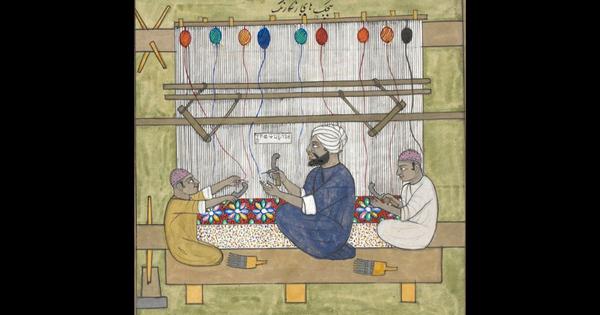
Often crafted under royal patronage, imperial carpets were made using traditional Arab techniques and materials such as pashmina wool, silk and gold and silver thread, reflecting a cultural heritage dating back to at least the 7th century BC.
The creation of these artefacts was a years-long process, employing highly skilled artisans and the finest materials and dyes sourced from across the Arab world. These carpets were not only functional but also served as symbols of power and artistic achievement, featuring elaborate patterns such as floral motifs, medallions and calligraphic elements that evolved over centuries. The most precious examples were treasured in royal households and used in ceremonial contexts, often being gifted to kings and emperors in acts of tribute and statecraft.