Rare jade, porcelain artefacts and paintings on show at Hong Kong Palace Museum reveal surprising exchanges in the 16th and 17th centuries
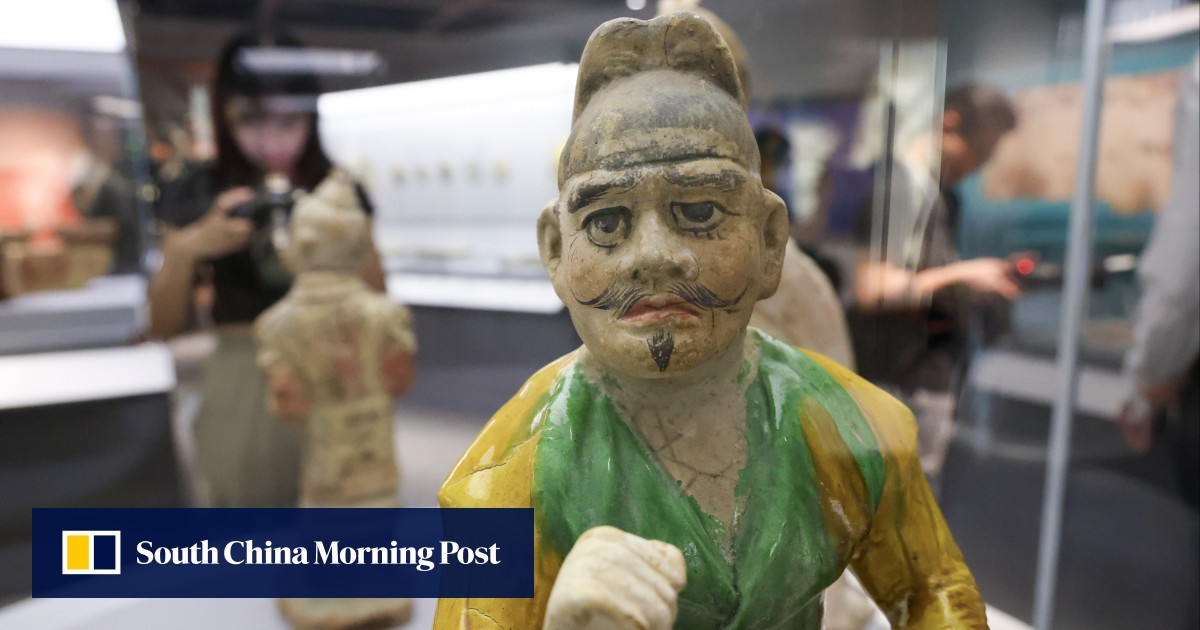
The inclusion of rare jade, porcelain and natural history paintings in the latest exhibition at the Hong Kong Palace Museum reflects that cultural exchanges took place between the Chinese and Mughal courts in the 16th and 17th centuries, despite a lack of formal diplomatic ties during the period, according to the curator.
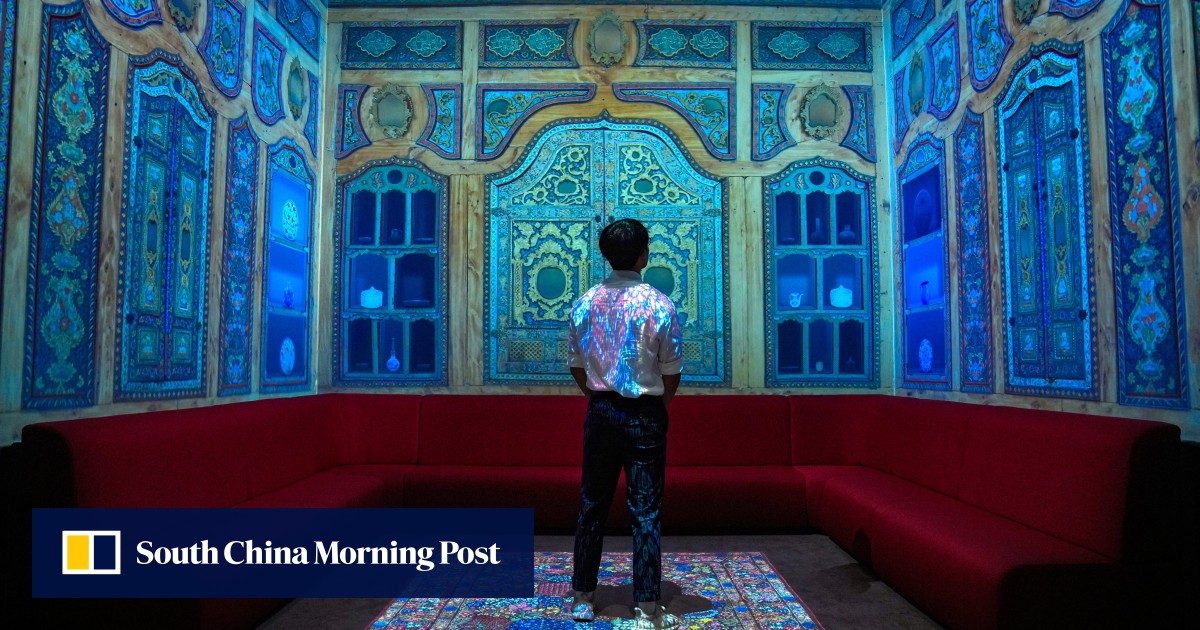
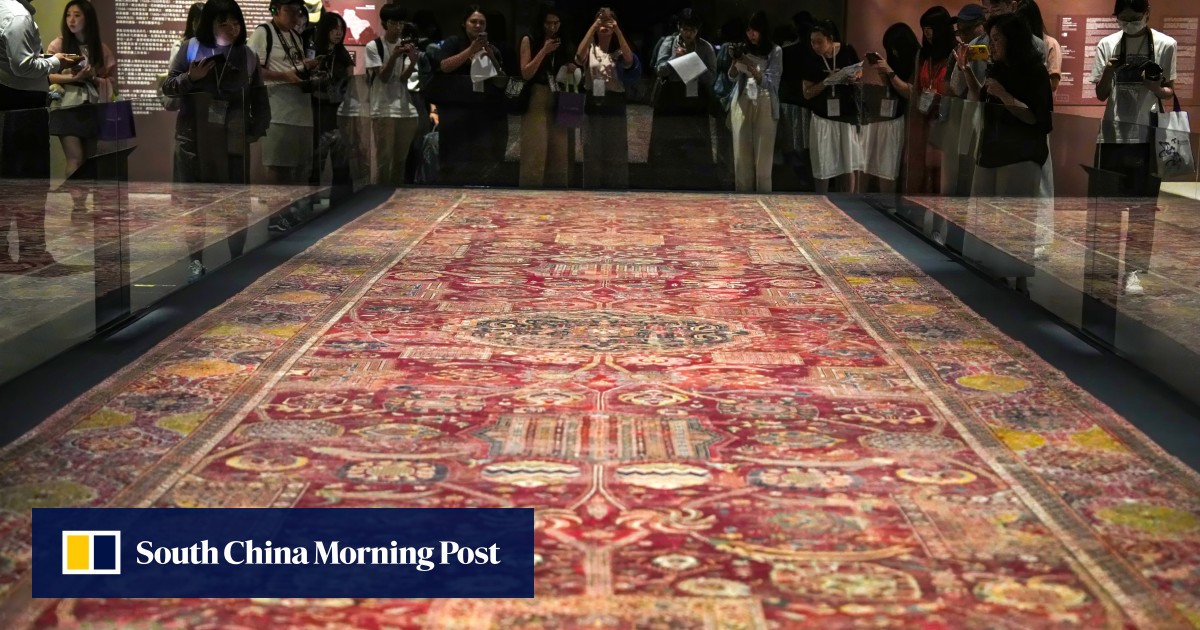
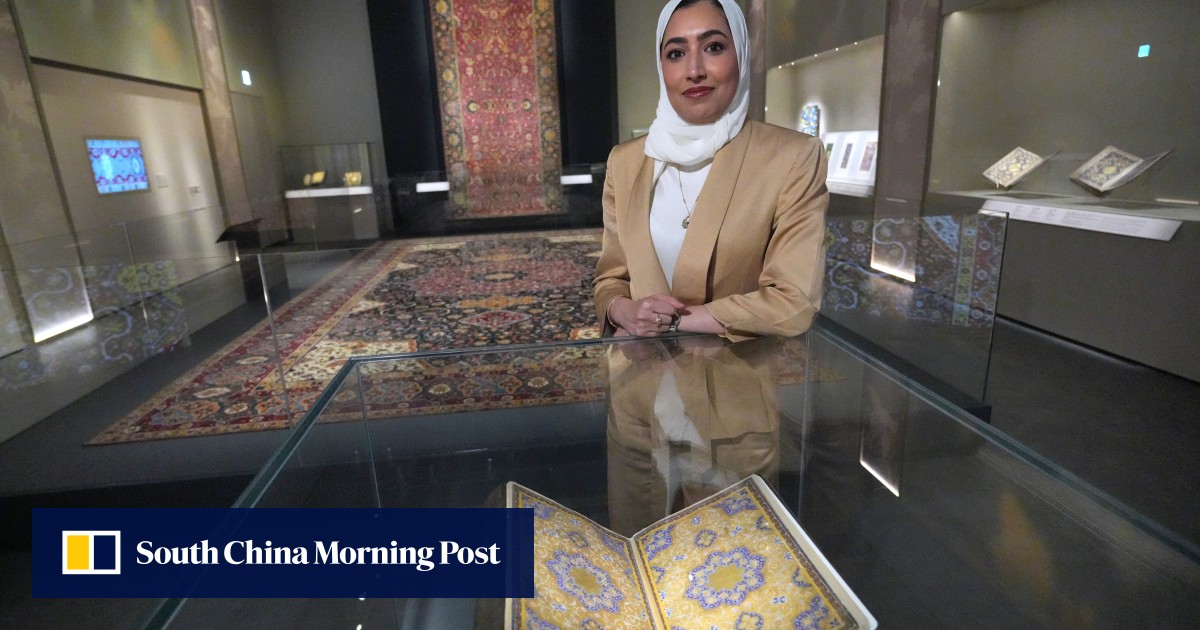
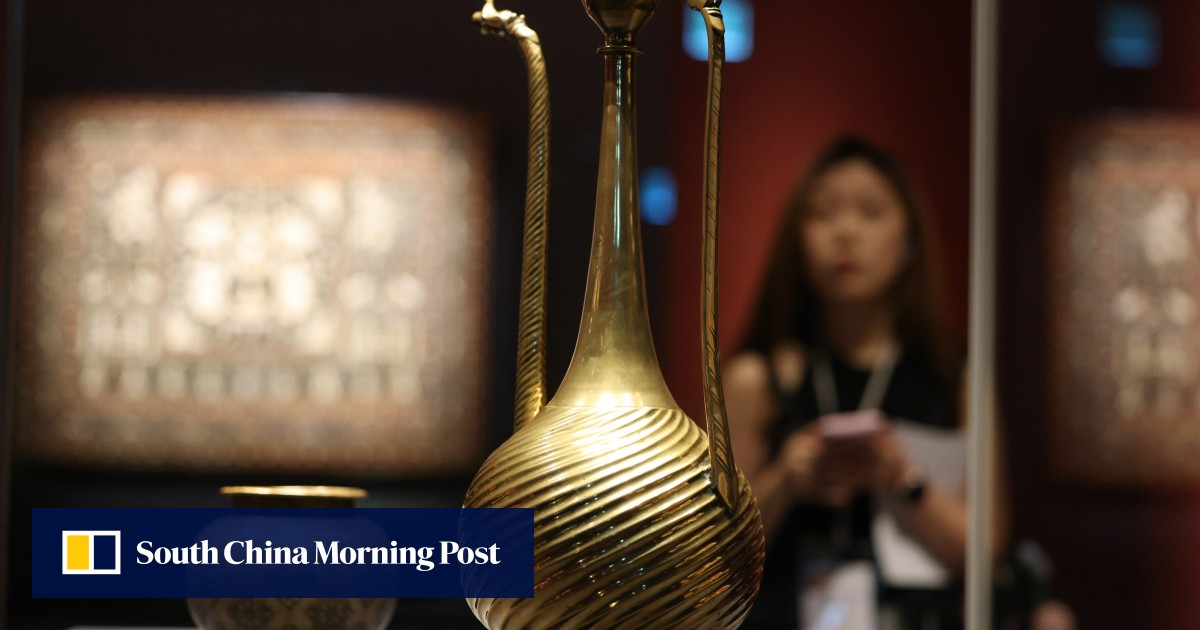
The exhibition, titled ‘Treasures of the Mughal Court from the Victoria and Albert Museum’, opened on Wednesday and features more than 100 works of art, including jewellery, weaponry and architectural fragments.
Mostly currently stored in the United Kingdom, the items are from the 1560s to the 1660s, a period considered the pinnacle of the Mughal dynasty under the reigns of three emperors: Akbar, Jahangir and Shah Jahan.
According to Emily Hannam, curator of the South Asia collection at the Victoria and Albert Museum in London, the Mughals never established any diplomatic relations with China, but well-established sea routes and trade networks connected the two cultures.