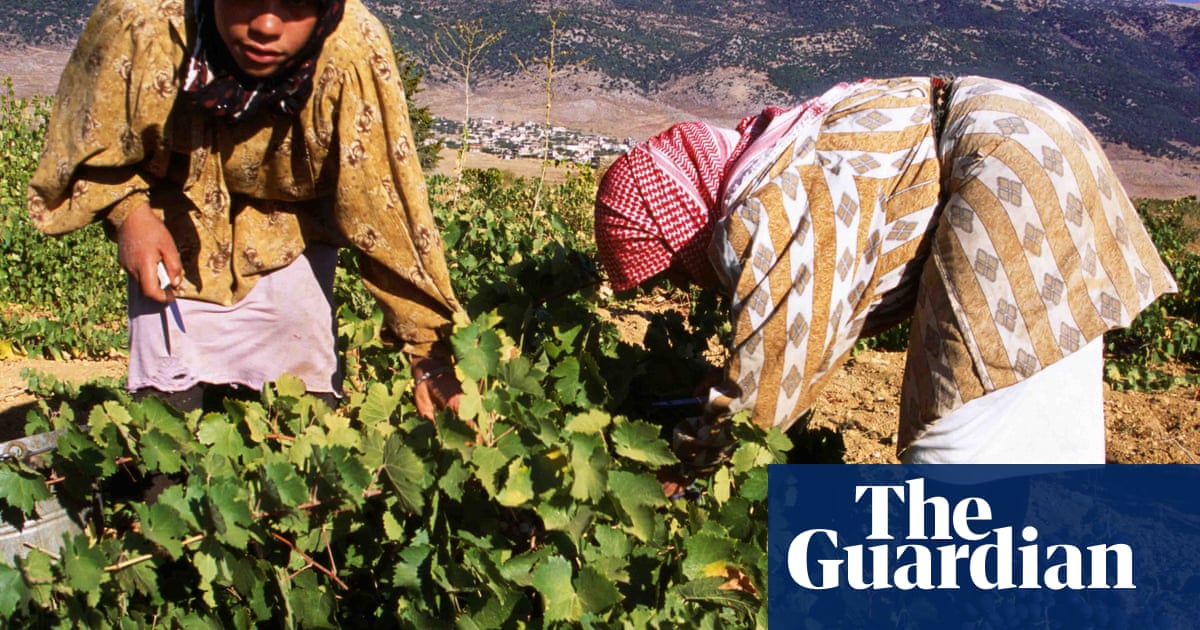
Lebanon is one of the most ancient wine-producing regions of the world, so it’s well worth our attention
L
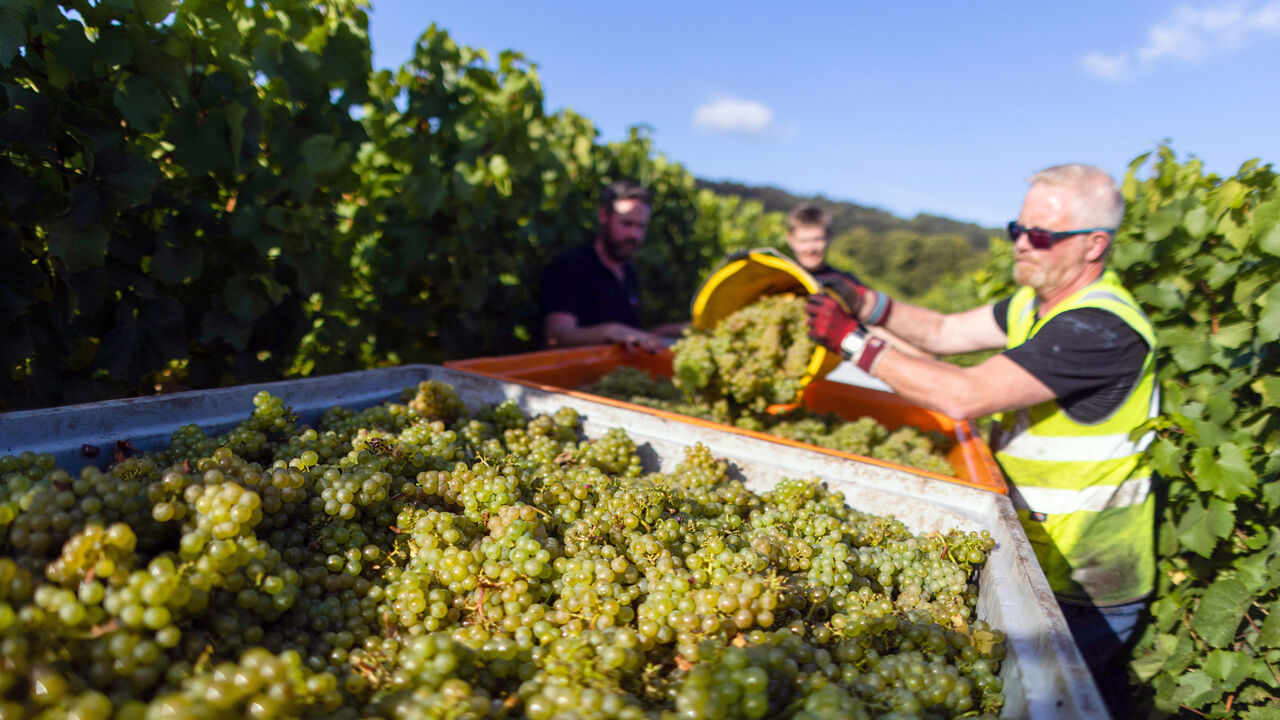
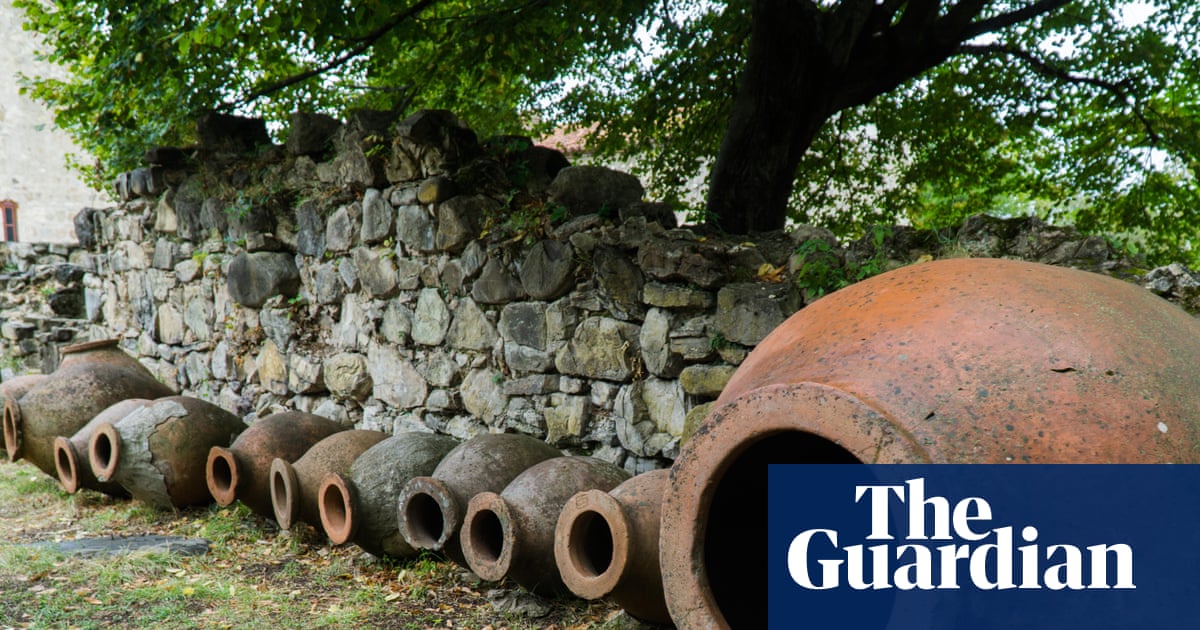
ebanon has one of, if not the most ancient winemaking traditions in the world, so it stands to reason that we ought to drink more of it. This historic wine industry started way back with the Phoenicians, who spread viticulture throughout the Mediterranean, and then, in 1857, Jesuit monks planted vines from Algeria in the Bekaa valley, in an area that is today one of the country’s most prestigious wine-producing regions.
Today there are some 80 wineries in operation in the Bekaa, most of them with a decided focus on French grapes – cabernet sauvignon, cinsault, merlot, sauvignon blanc and chardonnay all get a lot of love – but native grapes such as obaideh, merwah, jandali and hamdali also feature in the production of wine and arak, a distilled anise spirit.
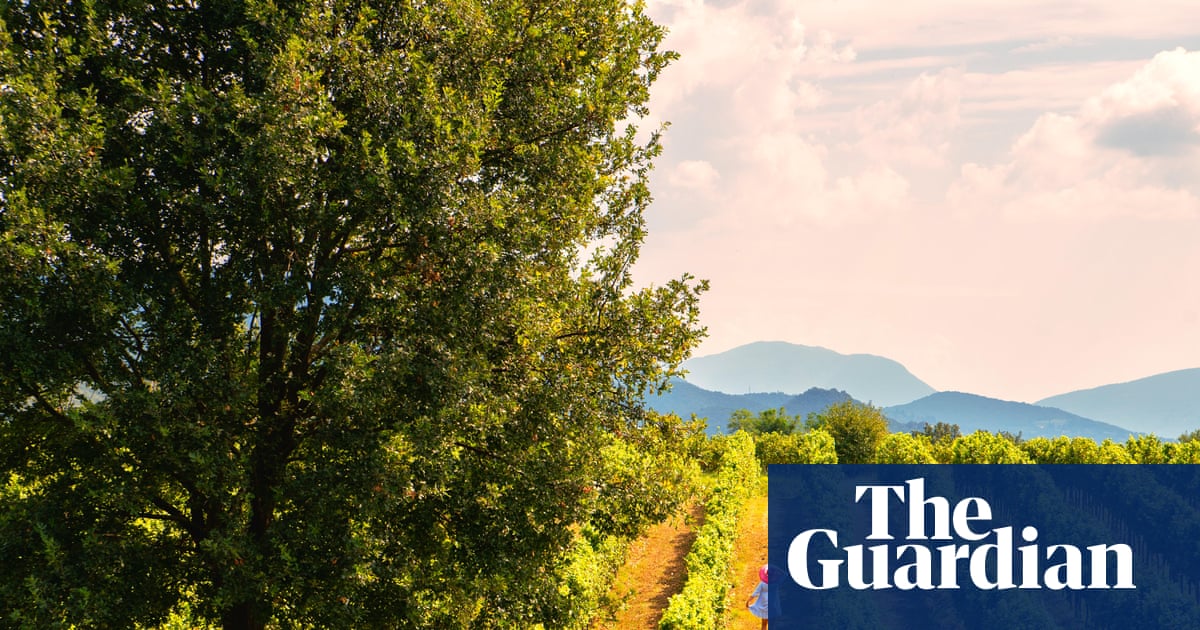
The best of these wineries are defined by their altitude. Whereas the areas by the coast are flat and hot, and perhaps too much so to produce complex wines, the more mountainous regions of Mount Lebanon, Jezzine, Batroun and the Bekaa valley are able to yield wines of good quality. The higher altitude allows for a distinct diurnal temperature range – that is, the difference between day and night temperatures in the vineyard – and a large range can allow grapes to develop properly (heat in the day to ripen the grapes and coolness at night to train acidity).