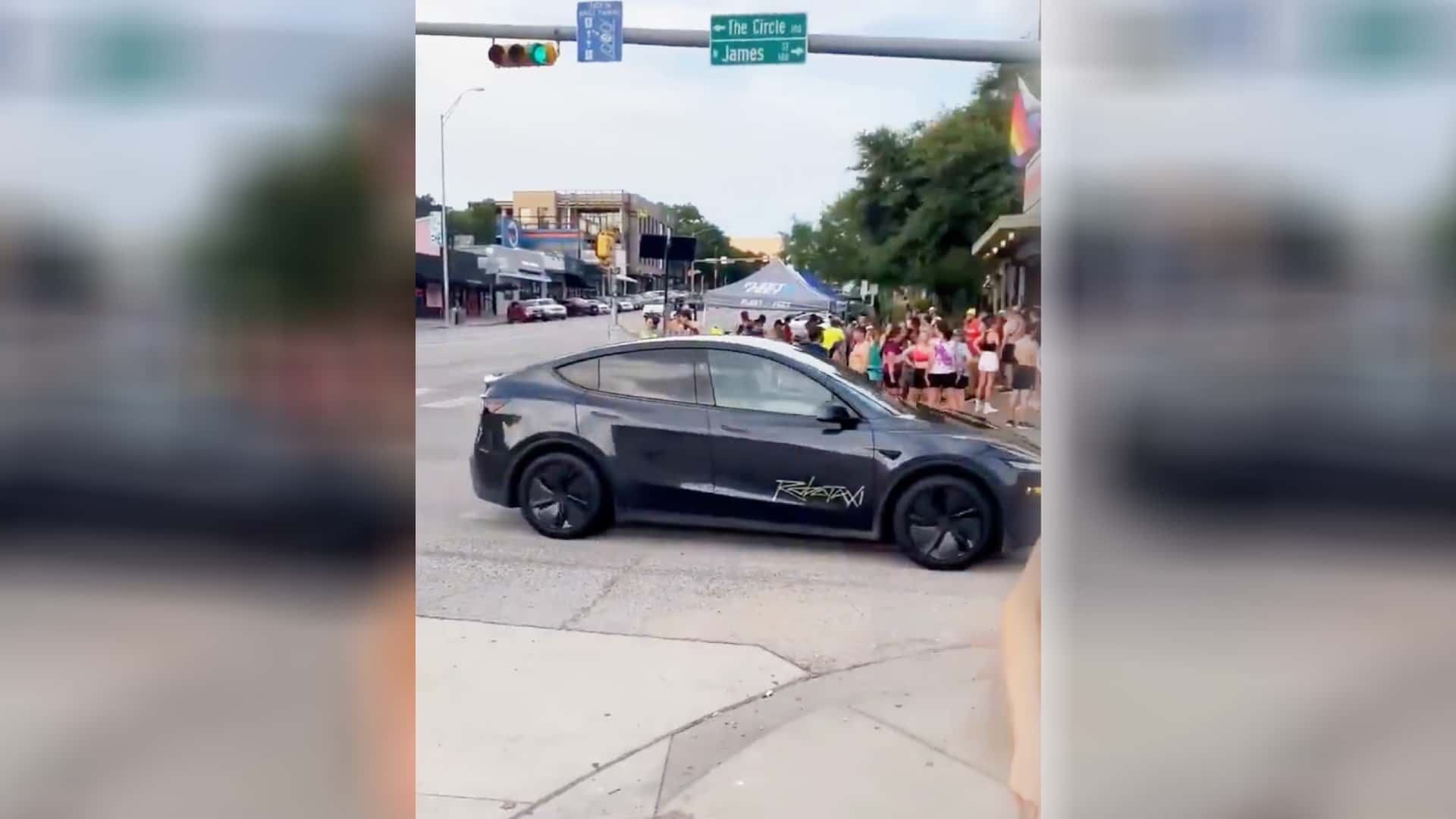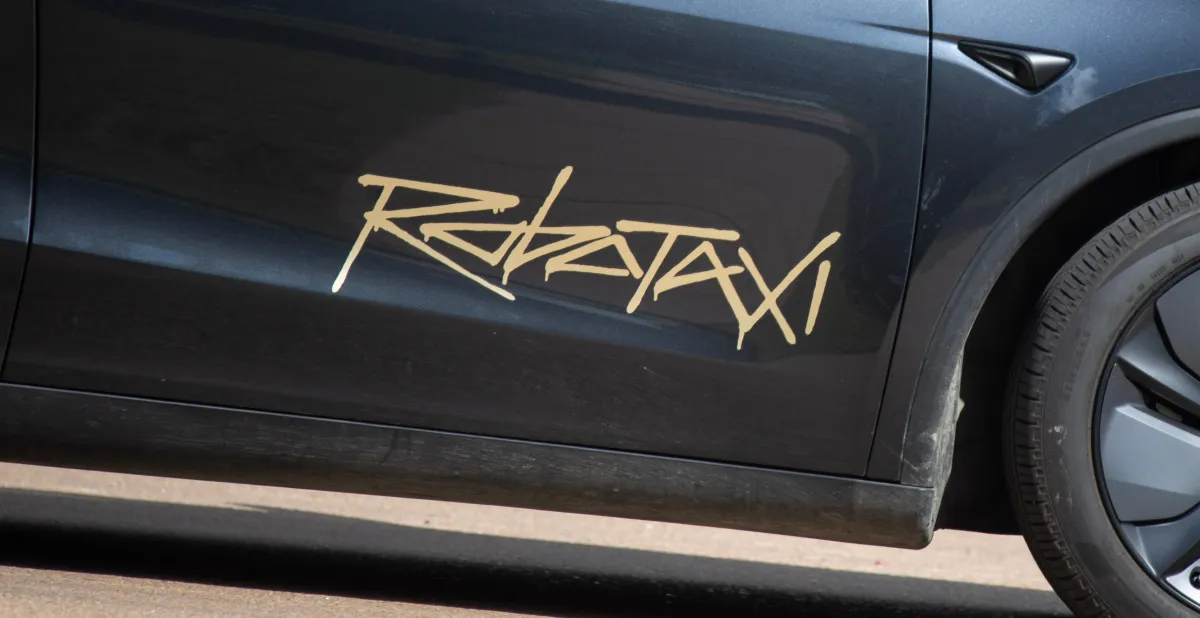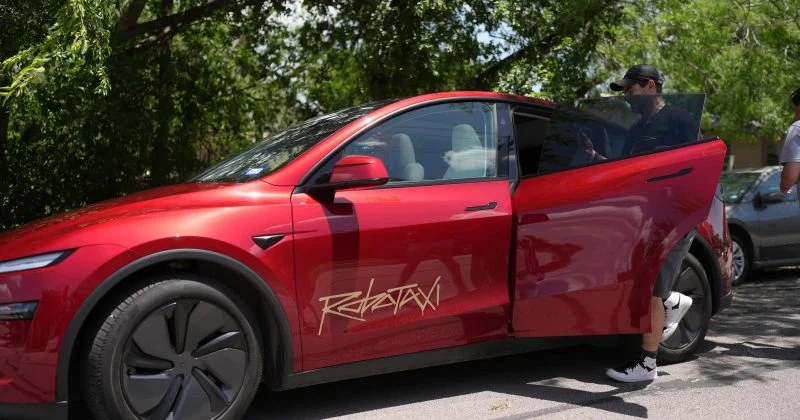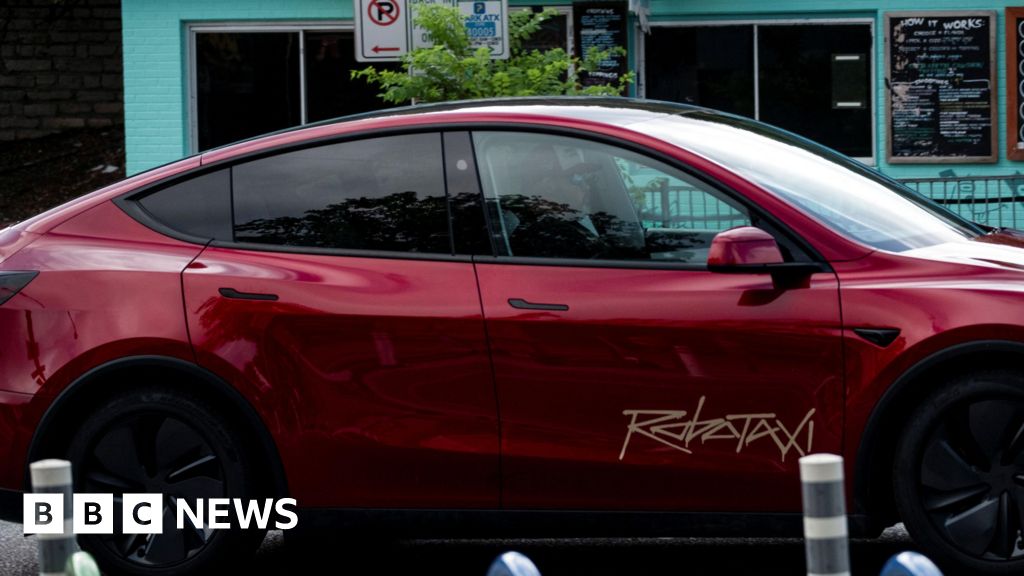
SELF-DRIVING VEHICLE DEVELOPERS don’t usually love talking about “teleoperation”—when a human guides or drives robot cars remotely. It can feel like a dirty secret. Shouldn’t an autonomous vehicle operate, well, autonomously?
But experts say teleoperations are, at least right now, a critical part of any robot taxi service, including Tesla's Robotaxi. The tech, though impressive, is still in development, and the autonomous systems still need humans to guide them through less-common and especially sticky road situations. Plus, a bedrock principle of safety engineering is that every system needs a backup—doubly so for new robotic ones that involve two-ton EVs driving themselves on public roads.
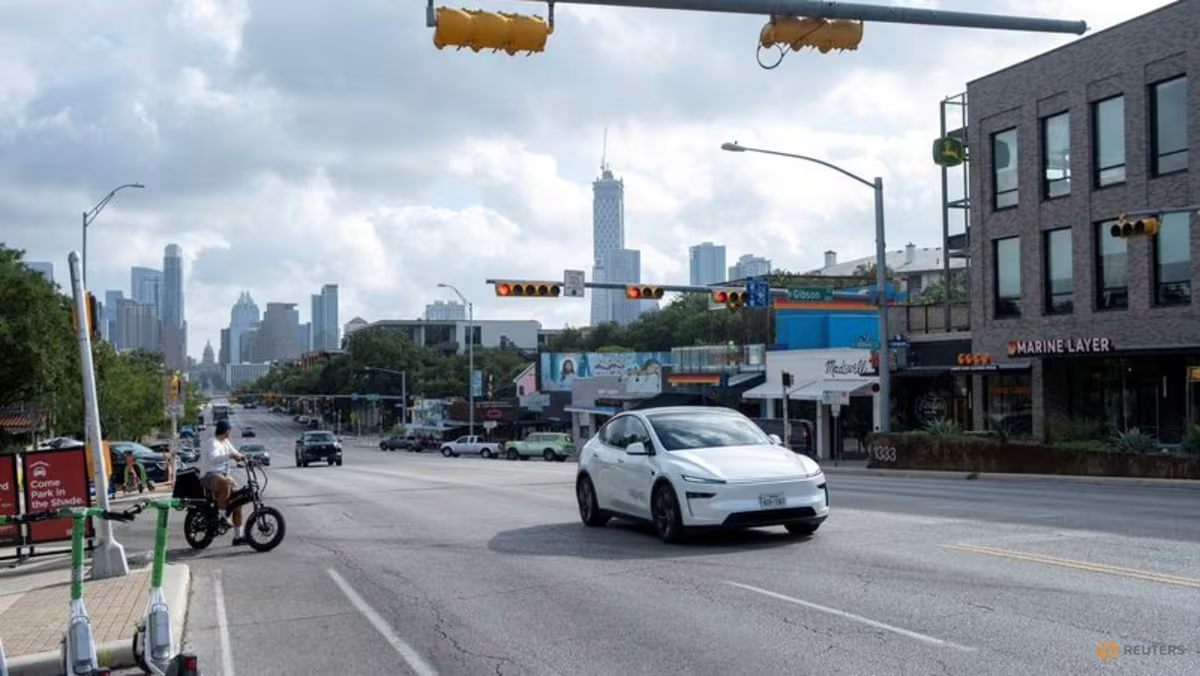
And yet, just days out from Tesla’s launch of its long-awaited (and much delayed) Robotaxi service in Austin, Texas, the public still doesn’t know much at all about its teleoperations systems. Tesla has posted a job related to teleoperations that states the role will be responsible for developing the application "that our Remote Operators use to interface with our cars and robots,” an application where these operators will be “transported into the device’s world using a state-of-the-art VR rig that allows them to remotely perform complex and intricate tasks.”