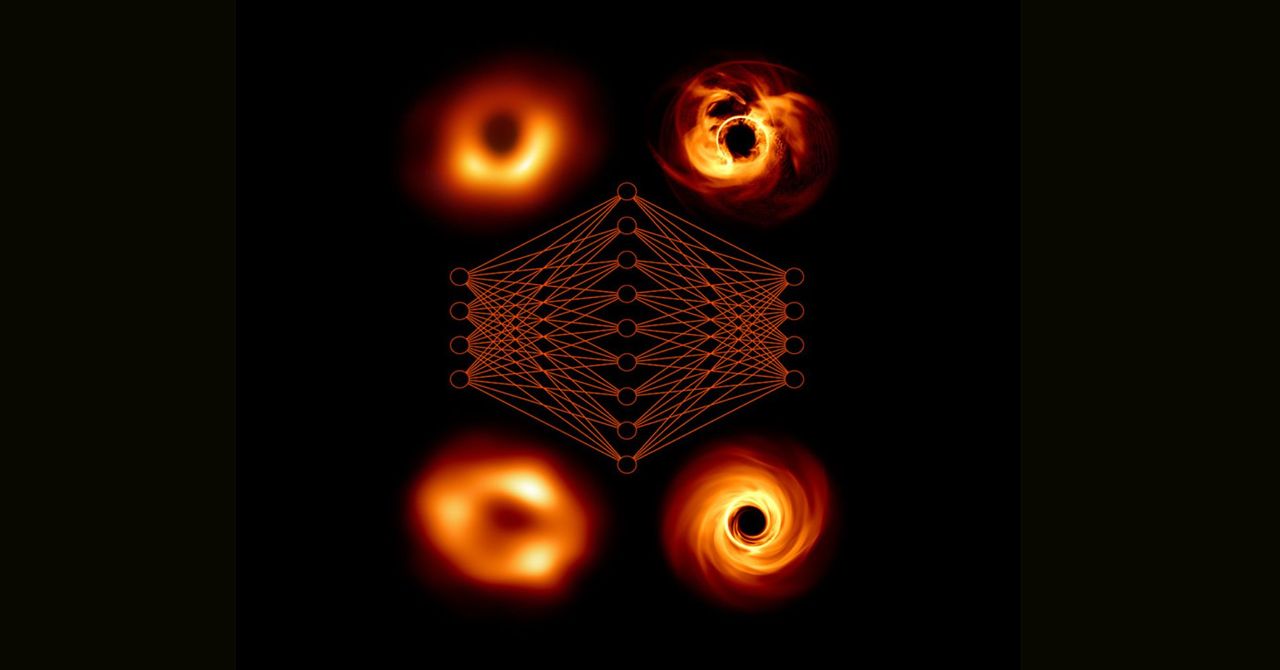
THERE MAY NOT yet be telescopes capable of unlocking all the secrets of supermassive black holes, but AI is now on the case. Recently, an international team of astronomers successfully trained a neural network with millions of black hole simulations to allow it to interpret fuzzy data captured from these enigmatic space objects in real life.
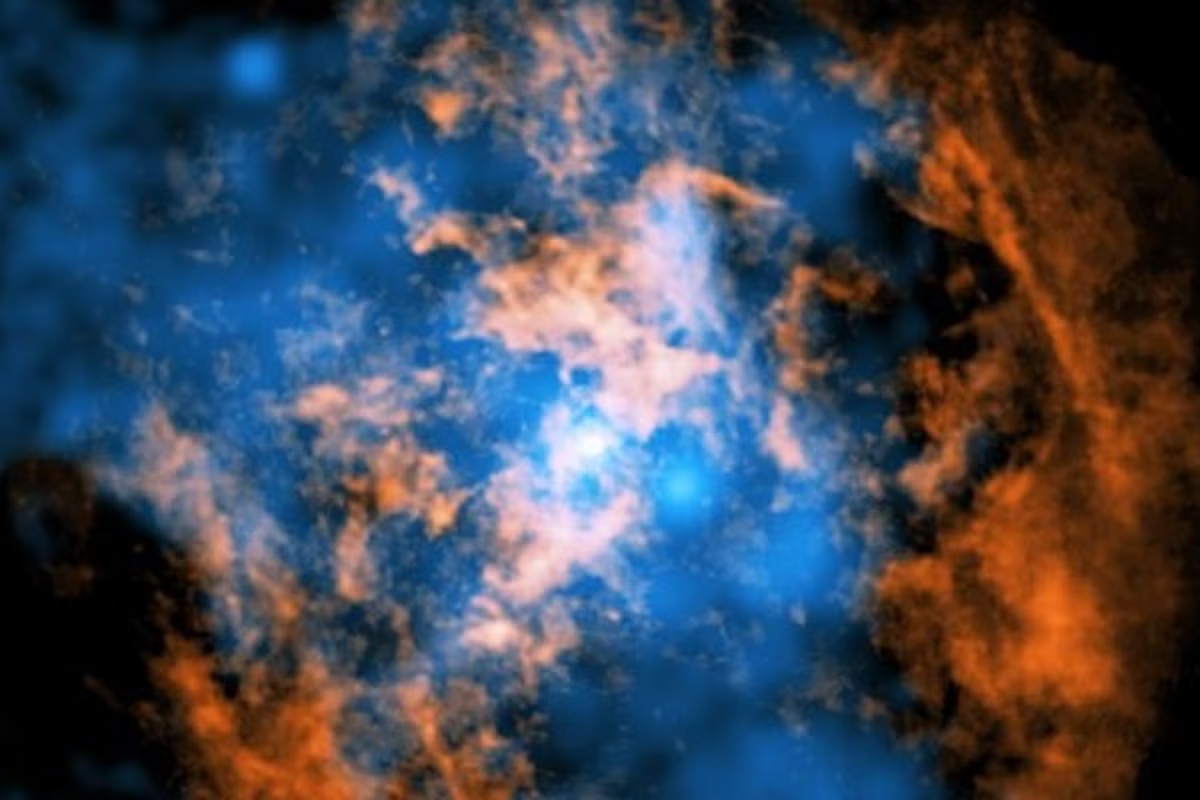
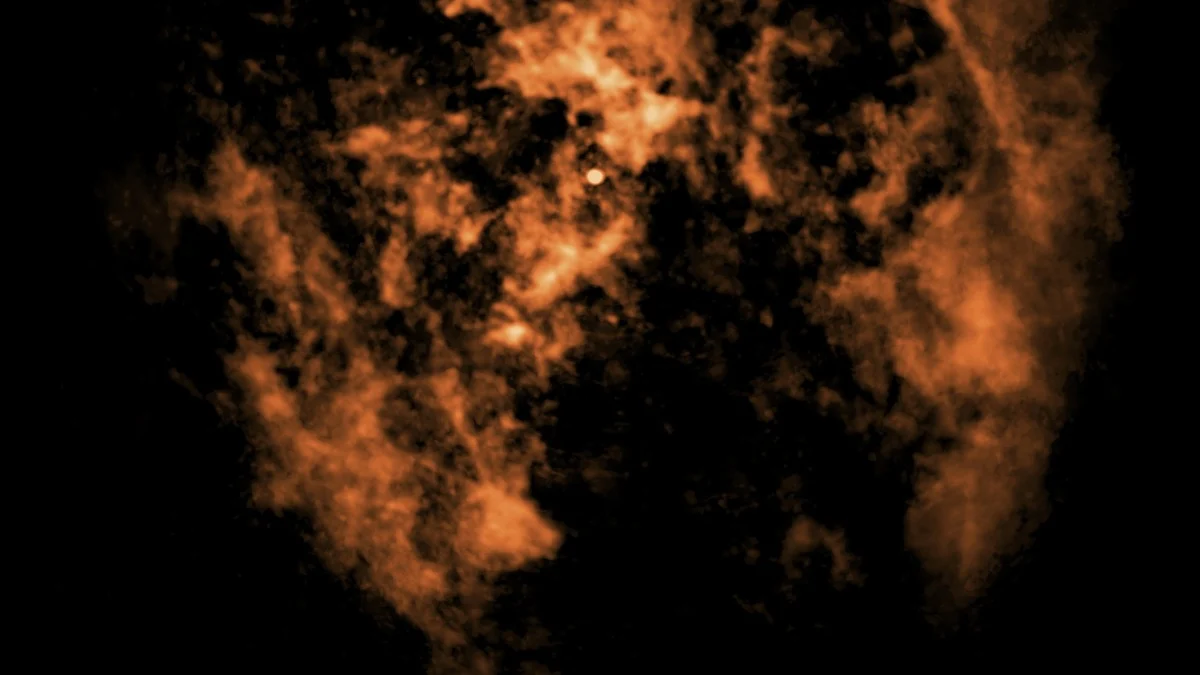
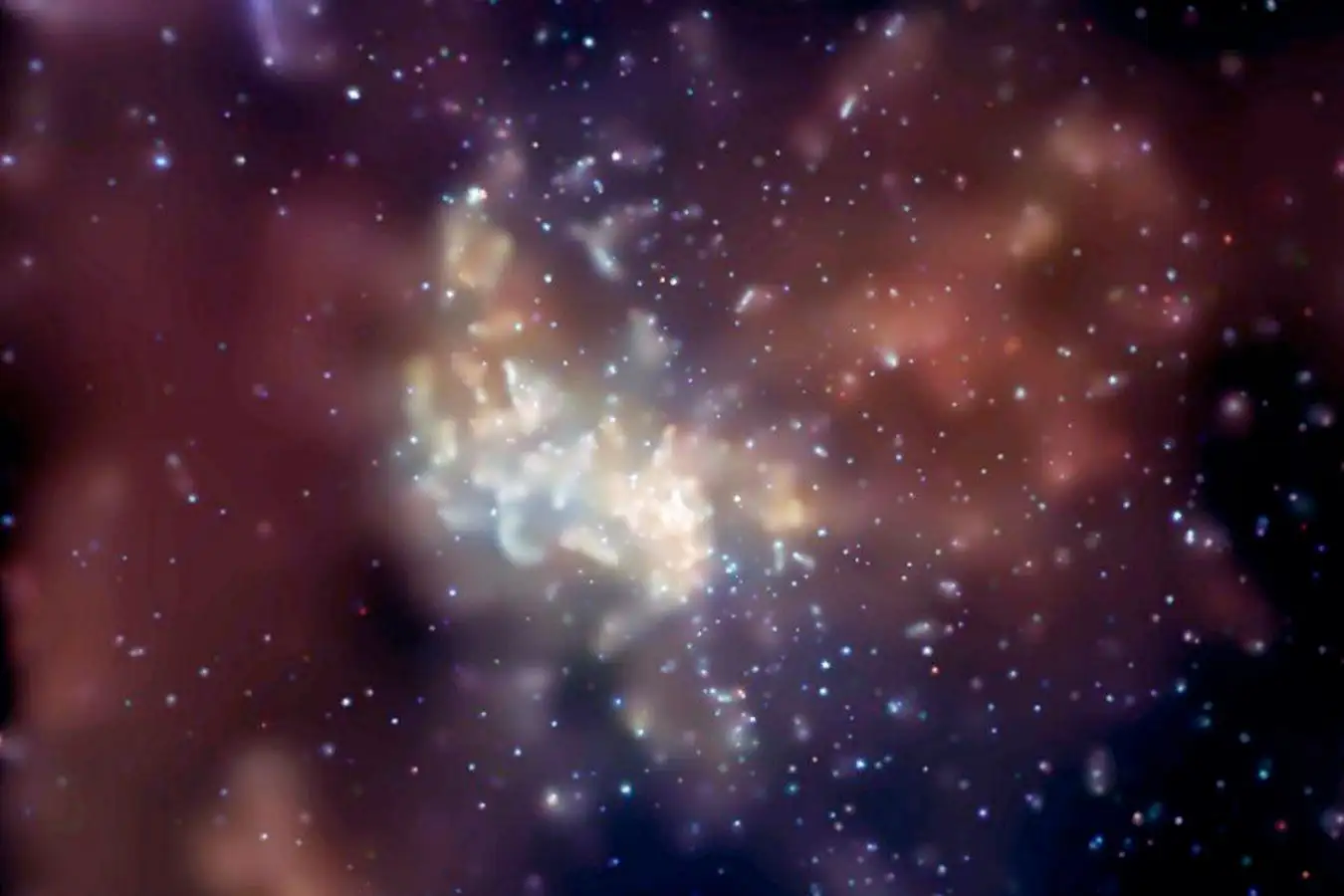
Of the various methods for investigating a black hole, the Event Horizon Telescope is the most famous. The EHT isn’t a single instrument but rather a number of radio telescopes around the world that work together like a single telescope. Thanks to the EHT, it’s been possible to obtain images of the supermassive black holes M87 and Sagittarius A*. These are not images in the traditional sense but instead are visualizations of radio waves coming from the black holes.
To create these images, supercomputers in different parts of the world processed the radio signals captured by the EHT. But in the process, they discarded much of the information gathered, as it was difficult to interpret. The new neural network, trained by experts at the Morgridge Research Institute in Wisconsin, aims to tap into that sea of data to improve the resolution of the EHT’s readings and make new discoveries.