Supported by
Her work in Brazil challenged the prevailing theory of when humans first arrived in the Americas and led to the development of a forgotten corner of the country.
By Seth Kugel
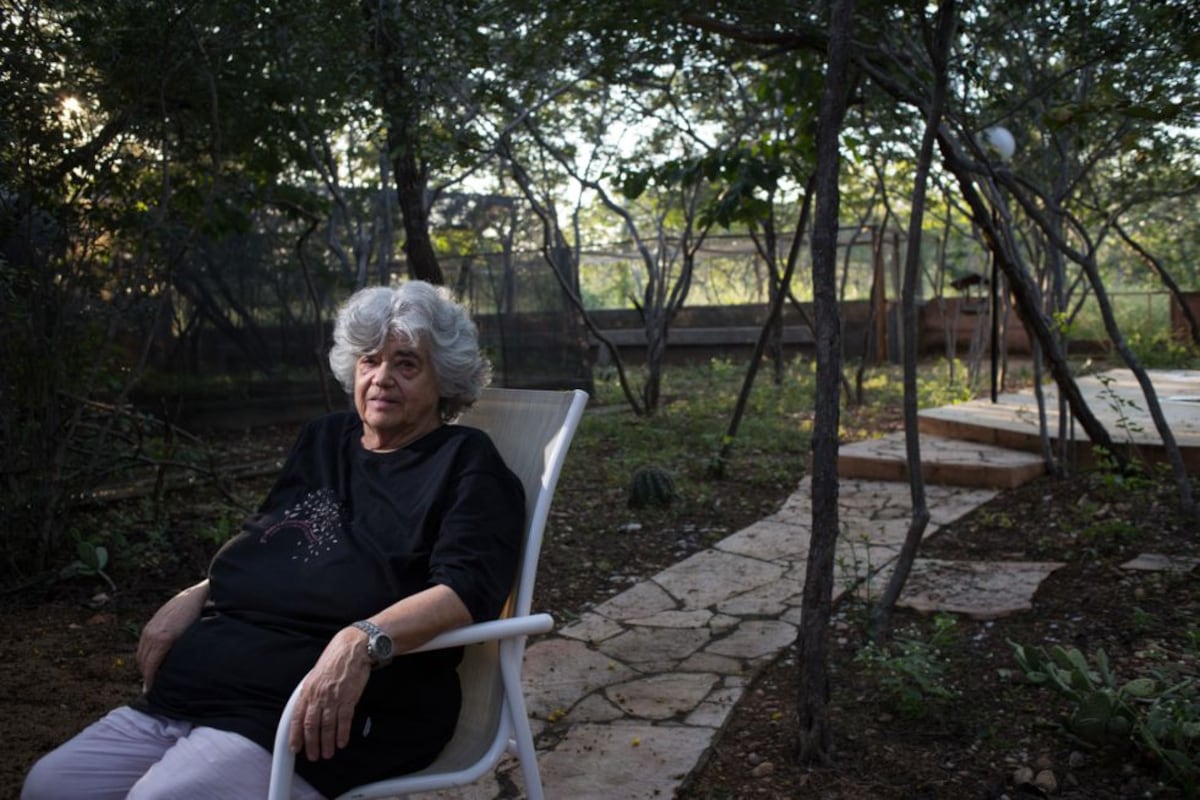
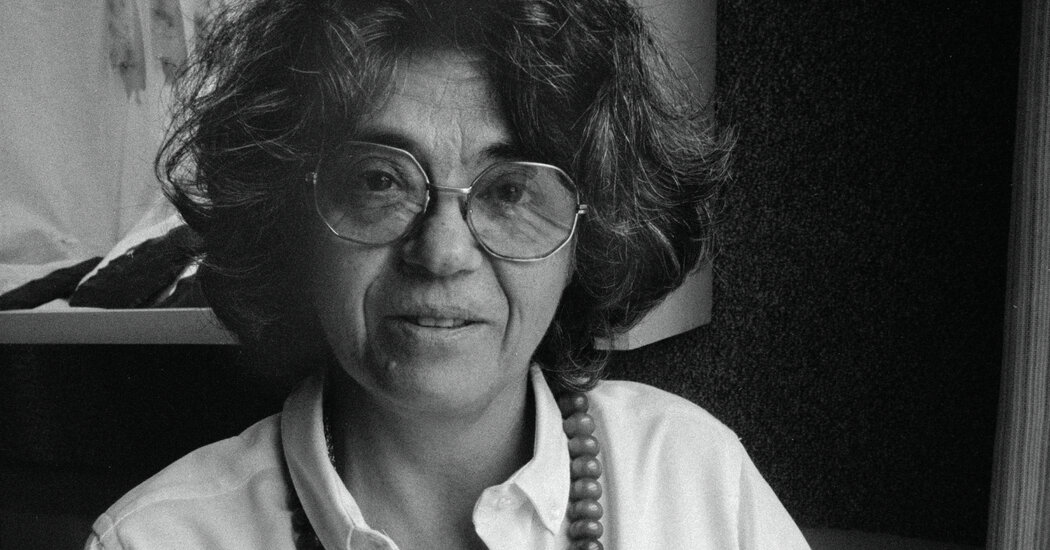
Niede Guidon, a Brazilian archaeologist whose work called into question a longstanding theory of how the Americas were first populated by humans, and who almost single-handedly transformed a hardscrabble region of northeast Brazil into the Serra da Capivara National Park, died on Wednesday at her home near the park, in São Raimundo Nonato. She was 92.
Marian Rodrigues, the park’s director, said the cause was a heart attack.