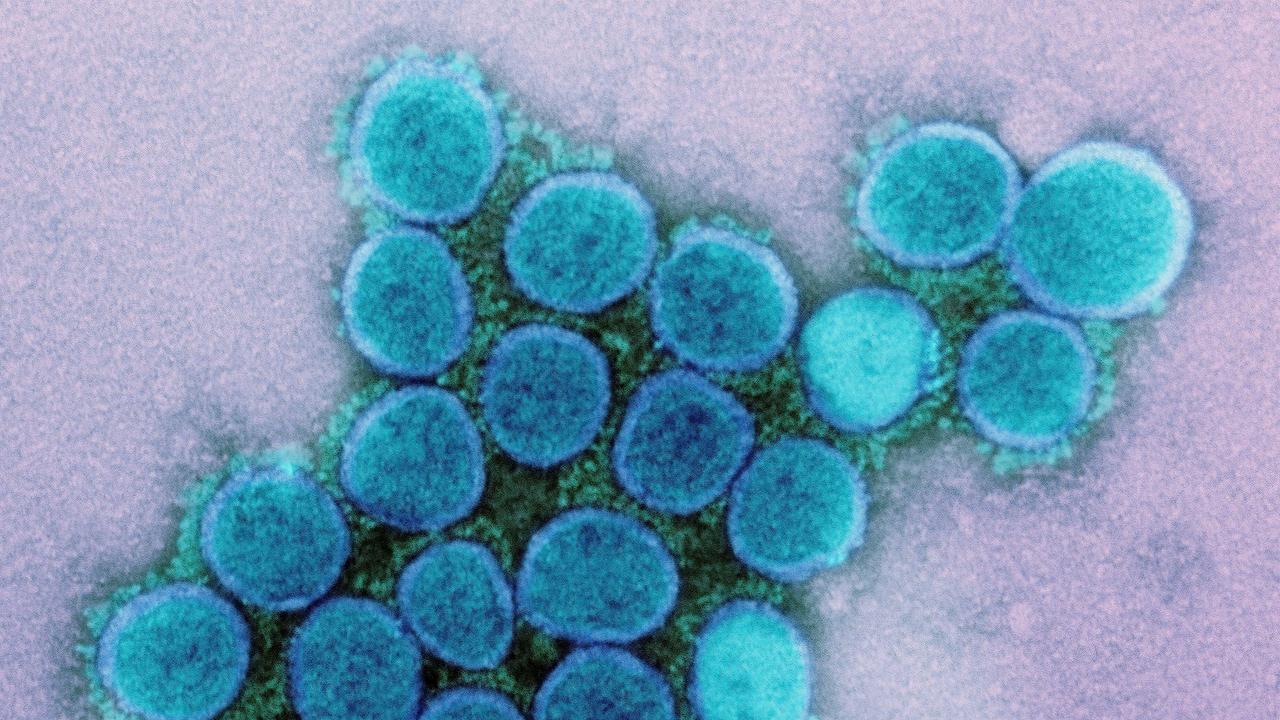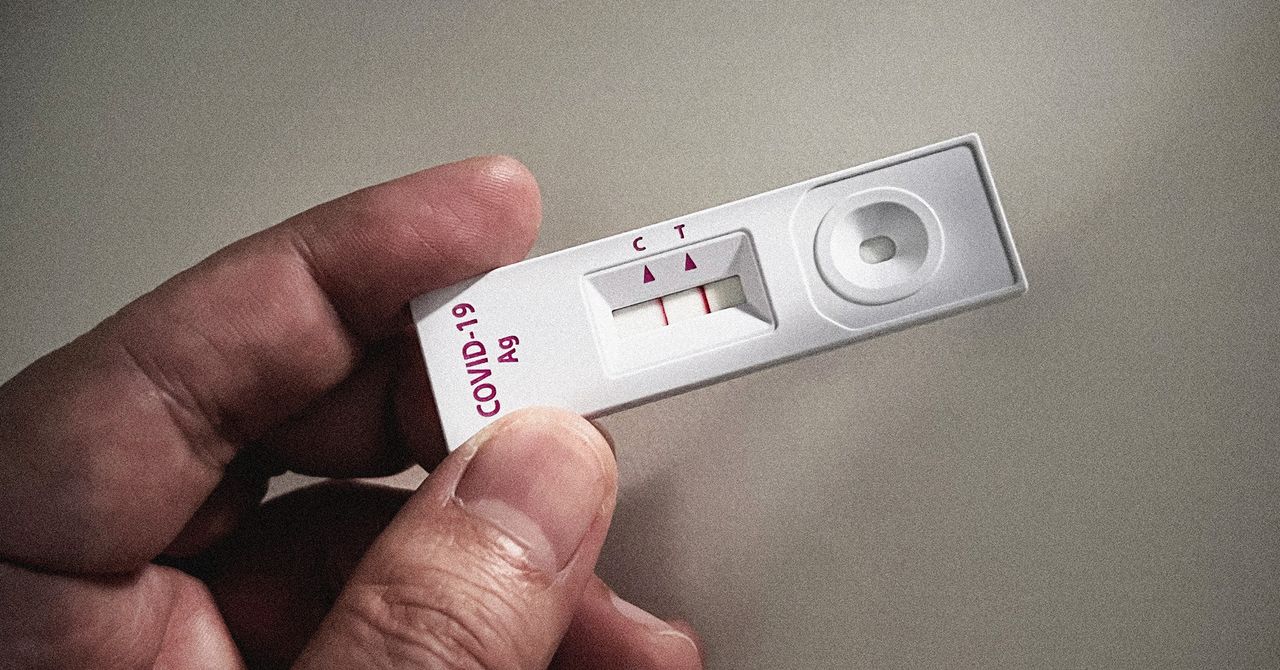
A NEW COVID variant is being kept under surveillance by the World Health Organization (WHO) as its emergence has led to an increase in infections in several regions of the world. First identified at the end of January, the variant—called NB.1.8.1 but known informally as “Nimbus”—is a descendant of the Omicron family of Covid sublineages, and has become increasingly prevalent throughout the spring in Europe, the Americas, and the Western Pacific.
The virus has mutations that may increase its infectiousness and allow it to escape certain antibodies. Nevertheless, “considering the available evidence, the additional public health risk posed by NB.1.8.1 is evaluated as low at the global level,” the WHO wrote in its most recent risk evaluation for the variant.
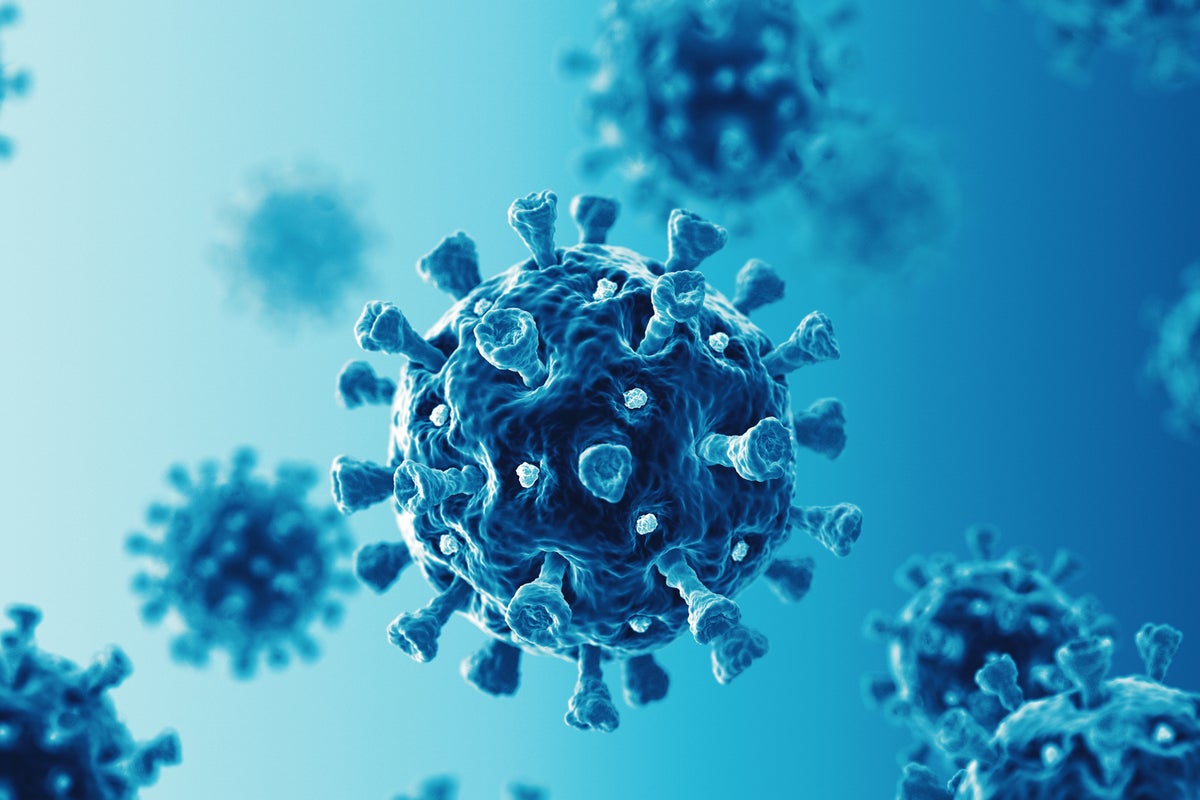
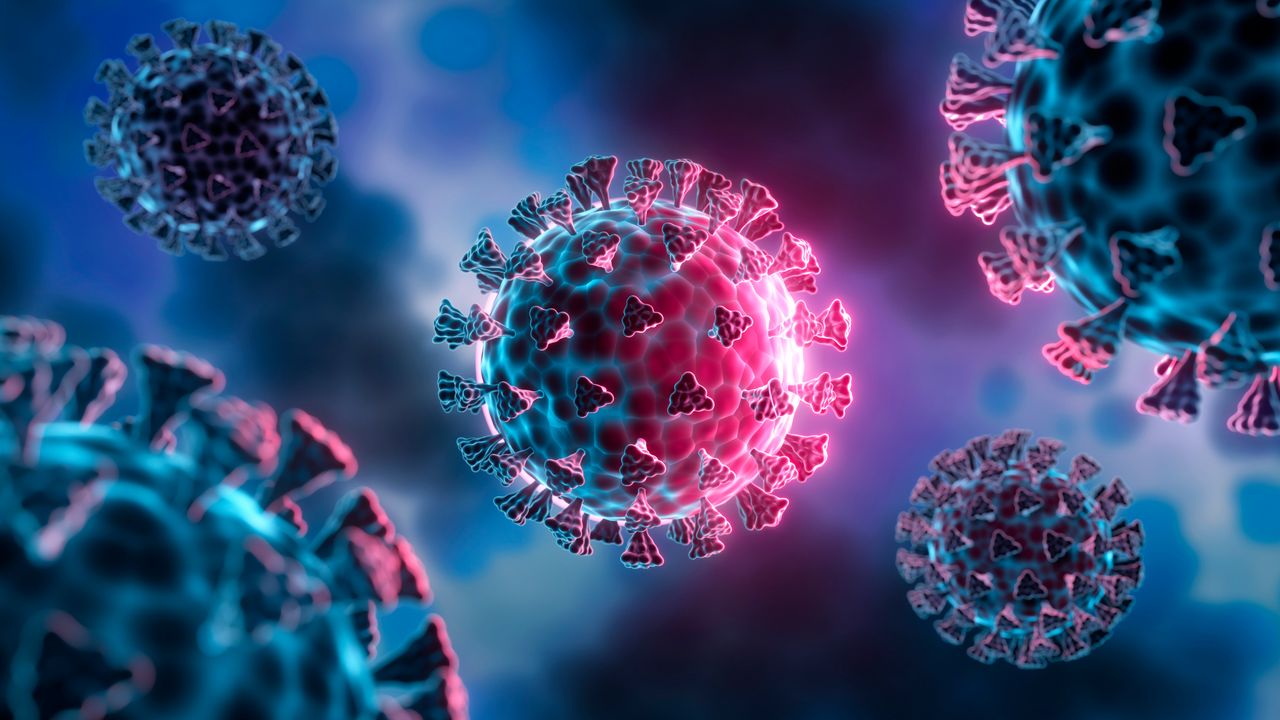
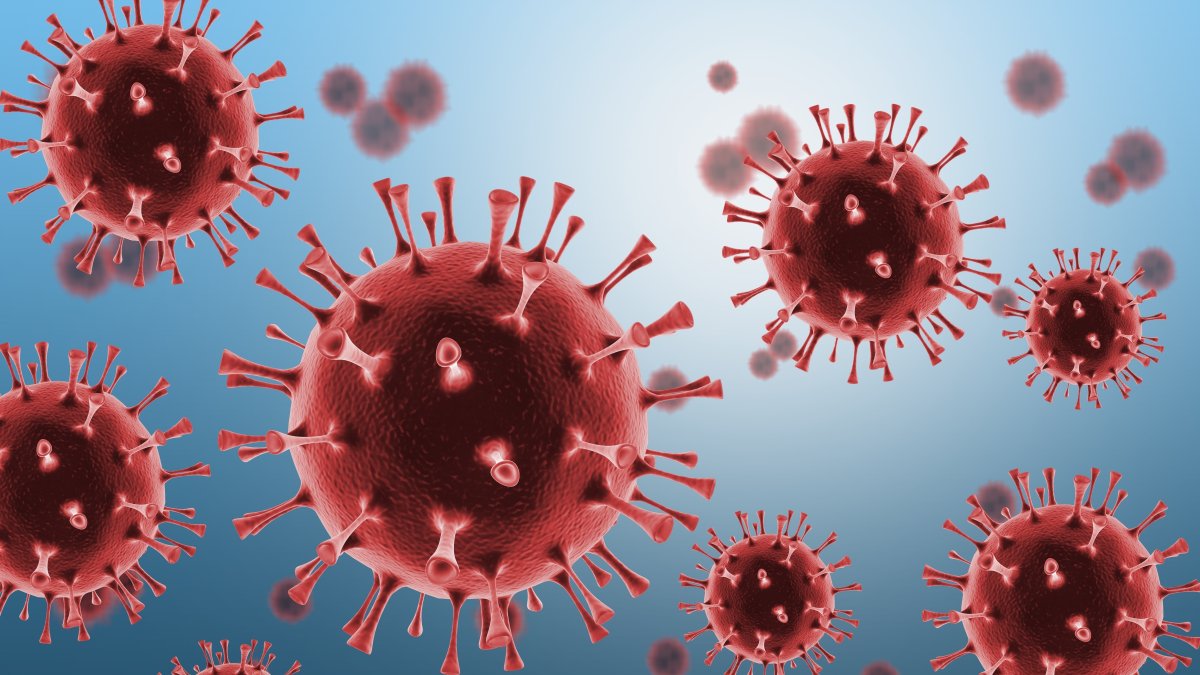
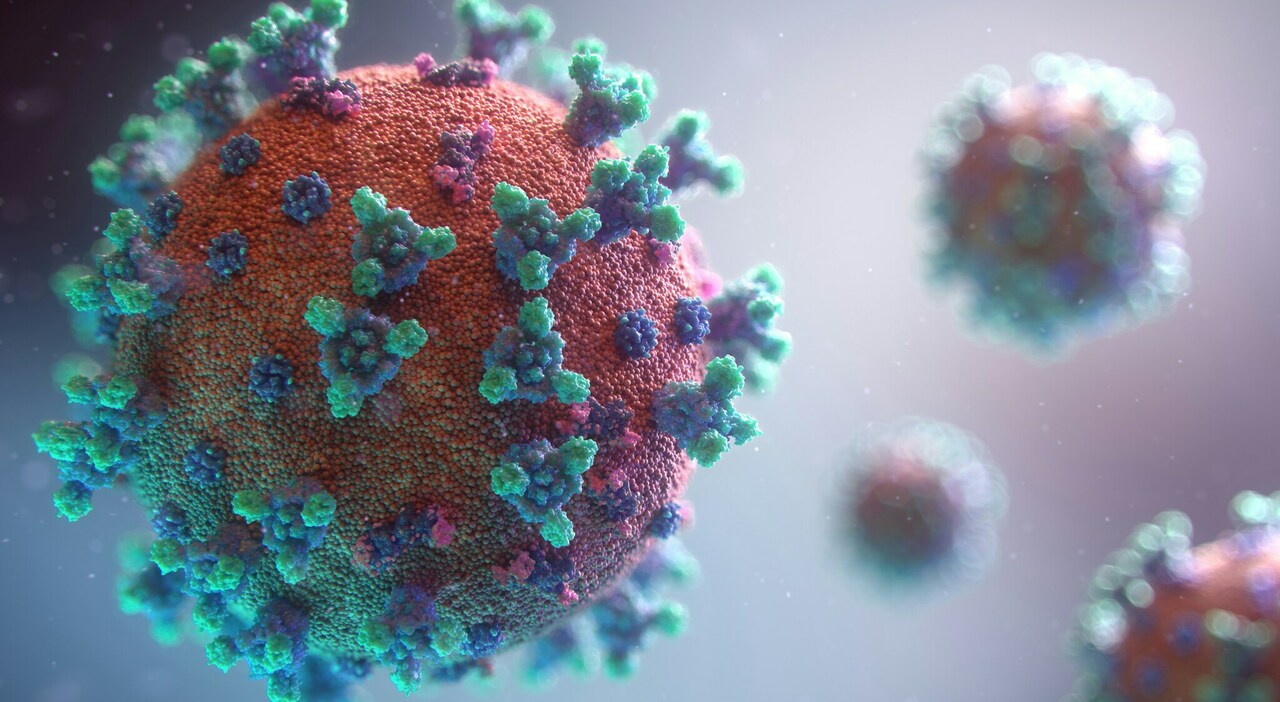
Like other variants before it, Nimbus has specific mutations to its spike protein. These proteins coat the virus’s surface and are what it uses to gain entry into cells, where it reproduces. Nimbus’ spike protein modifications could increase its transmission capacity and partially reduce the neutralizing efficacy of certain antibodies generated by previous infections, both of which would contribute to its spread.
However, the WHO says that there is no evidence that this variant causes more severe disease compared to other strains currently circulating. Nor have increases in hospitalizations or deaths related to its emergence been observed.