Seeing a total solar eclipse can be even more impressive than witnessing the aurora borealis, but it will be quite a while before people across North America are able to witness a total eclipse without international travel.
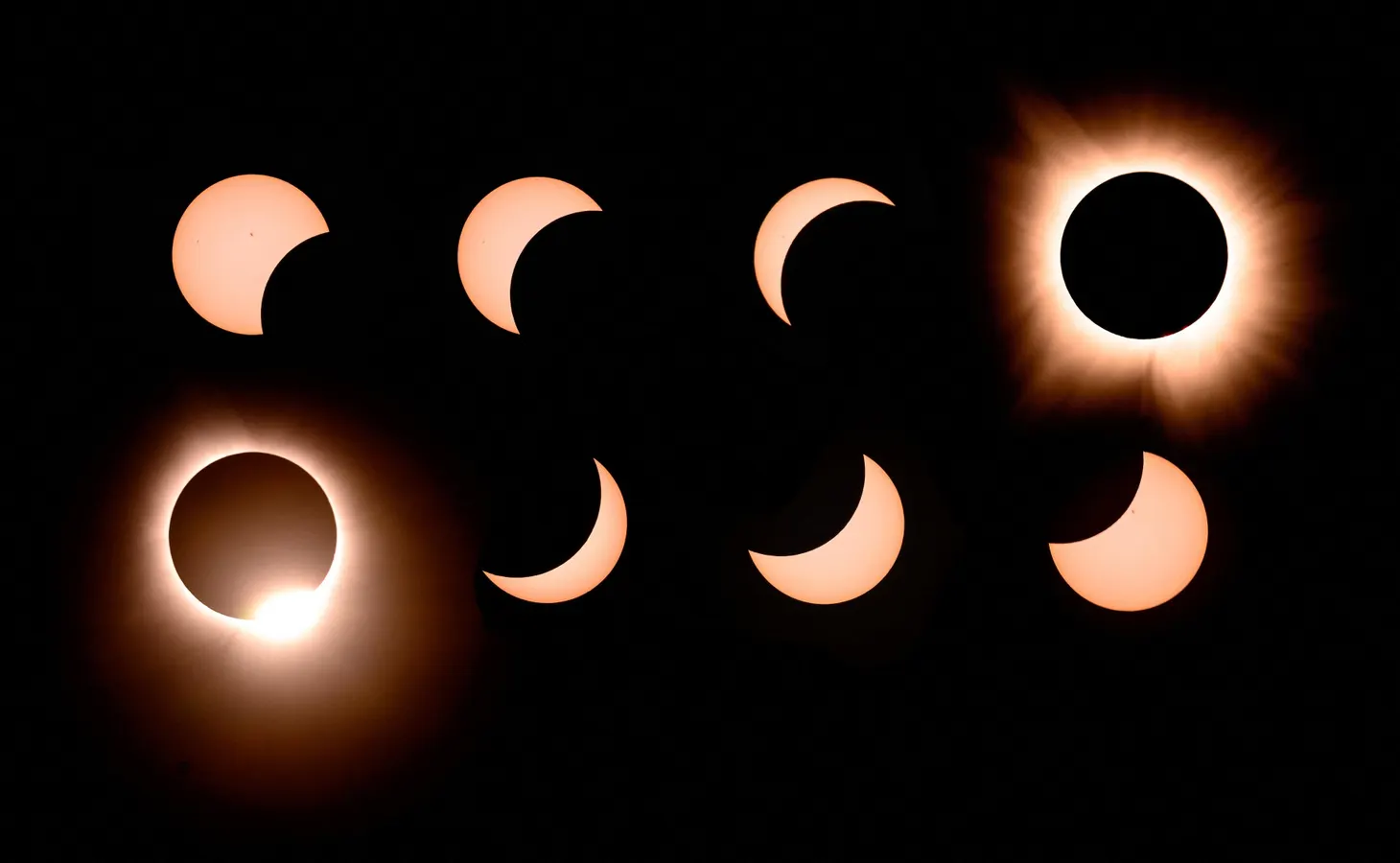
A total solar eclipse occurs when the moon passes directly between the Earth and the sun, casting a shadow on the planet and causing day to turn to night for a few brief moments. To see this spectacular phenomenon, you need to be in the right part of the world at the precise time with the perfect weather.
The most recent total solar eclipse took place on April 8, 2024, when millions of people across Mexico, the United States and Canada witnessed the brilliant celestial sight. The next one is right around the corner, although it will not be visible from North America.
2026 total solar eclipse
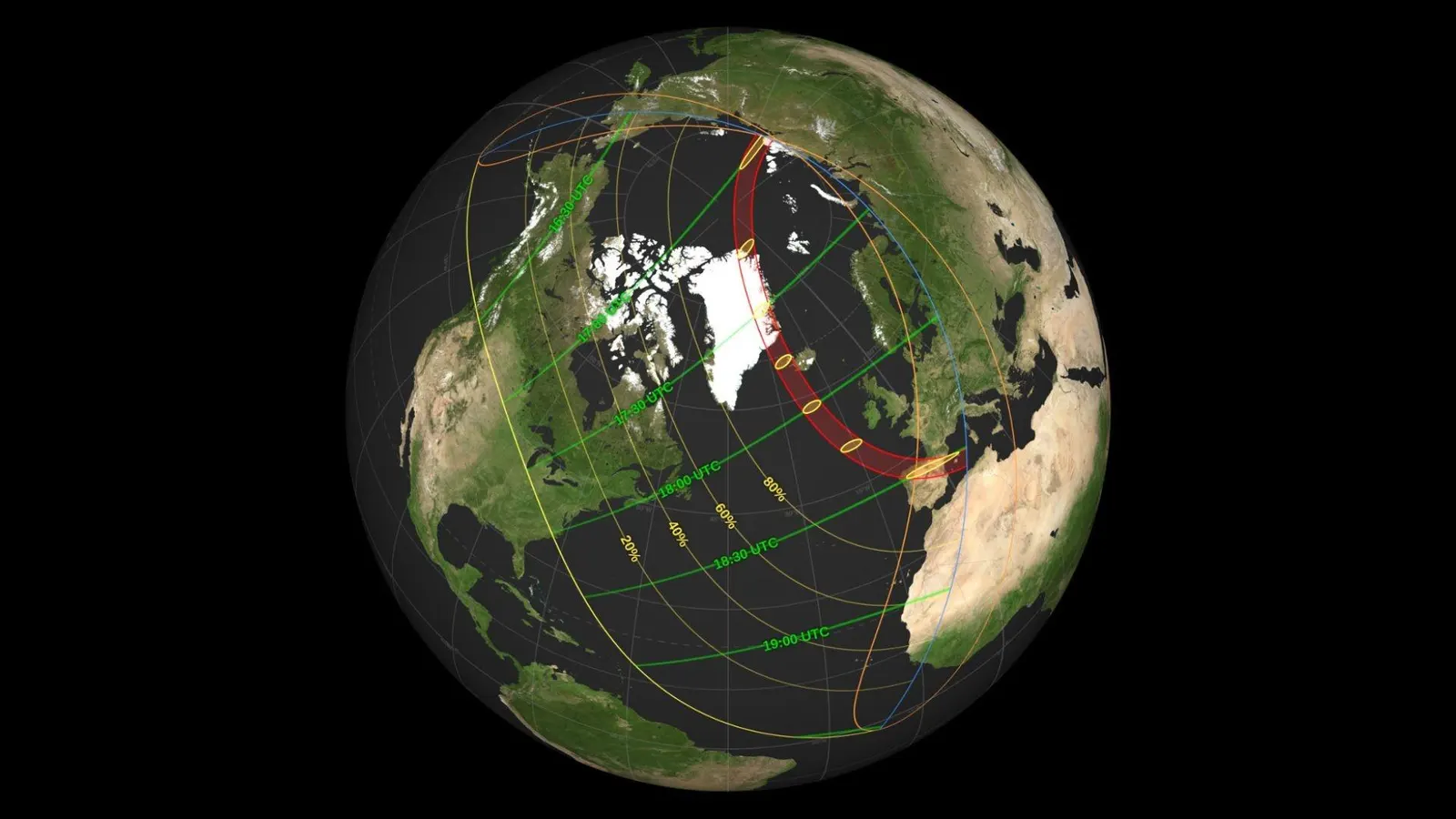
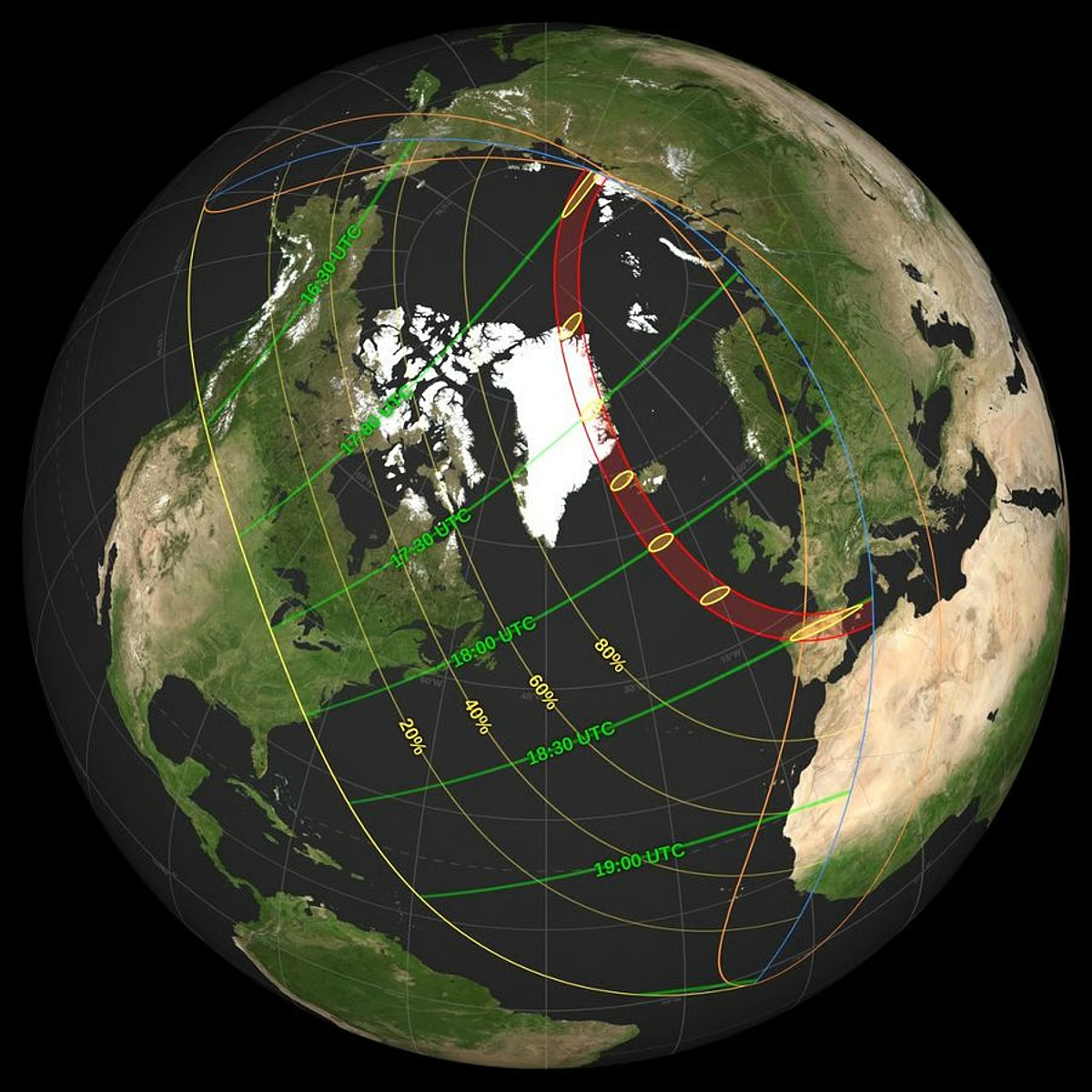
On Aug. 12, 2026, the sun, moon and Earth will align to create a total solar eclipse, which will be visible across western Iceland, northern Spain and the Balearic Islands in the Mediterranean Sea. The path of totality also includes a largely uninhabited area of eastern Greenland.