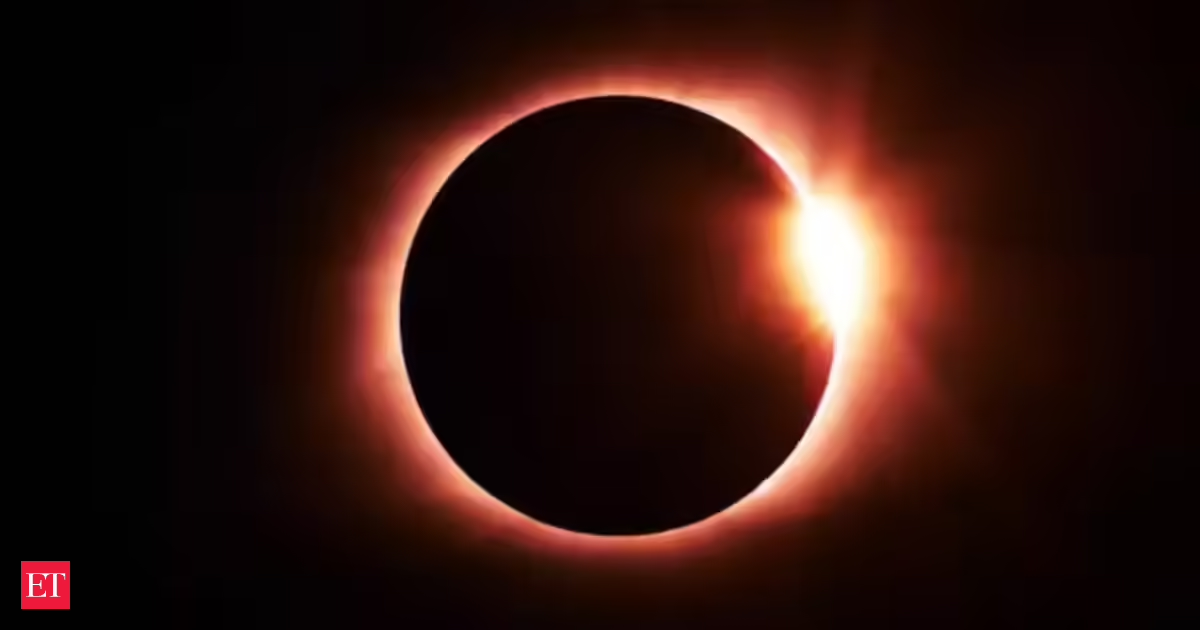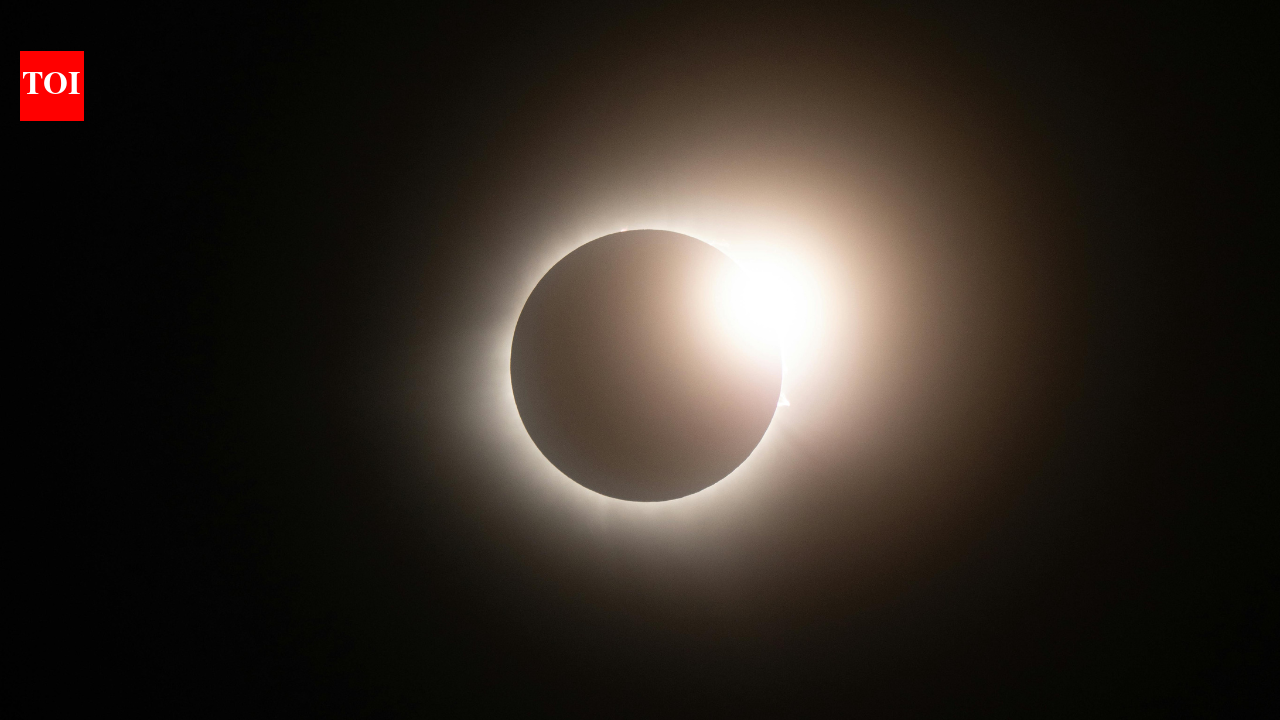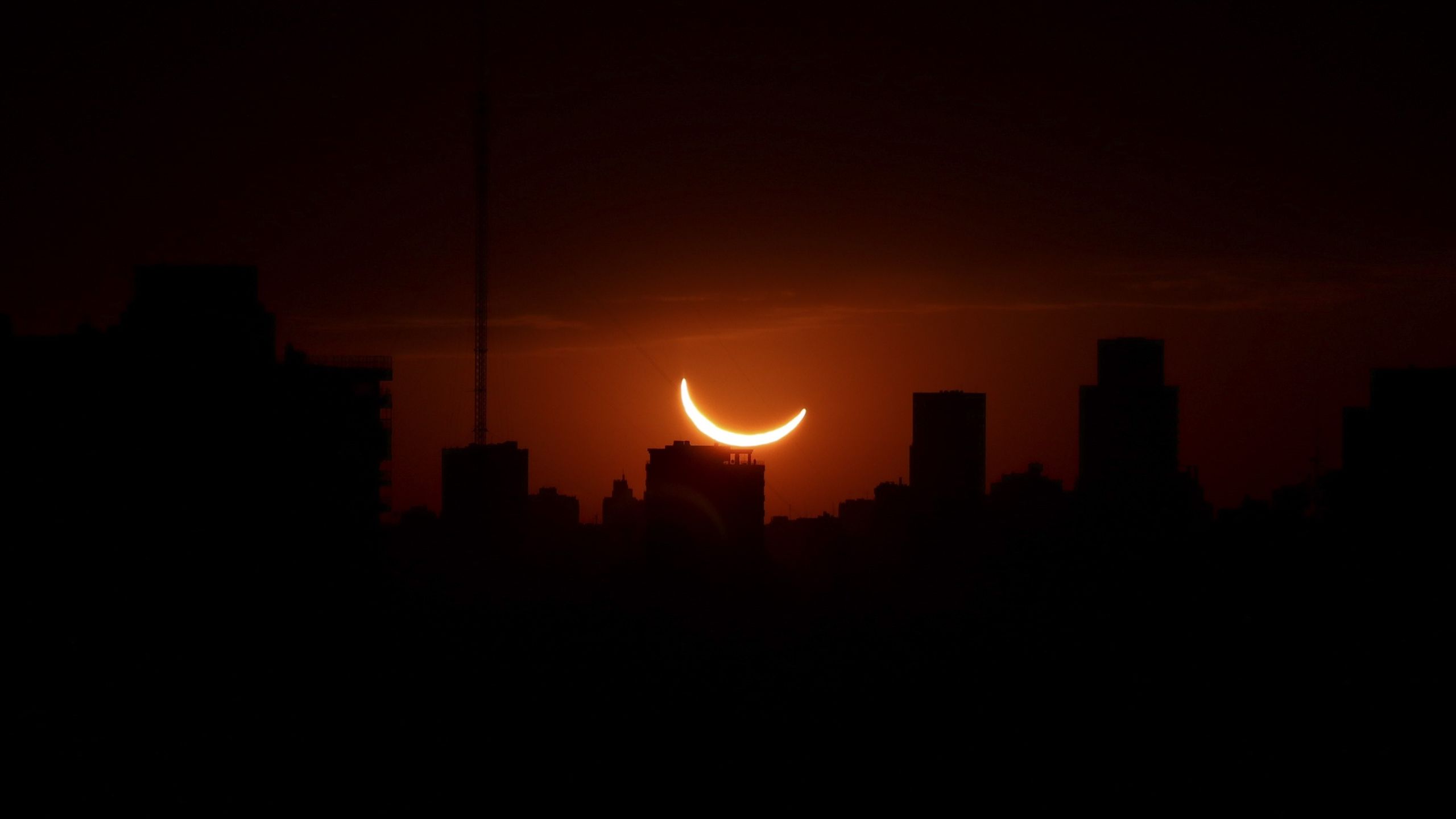
No, the world will not go dark this weekend. Rumors about a lengthy total solar eclipse may have been circulating online, but the so-called "eclipse of the century" isn't for another two years.
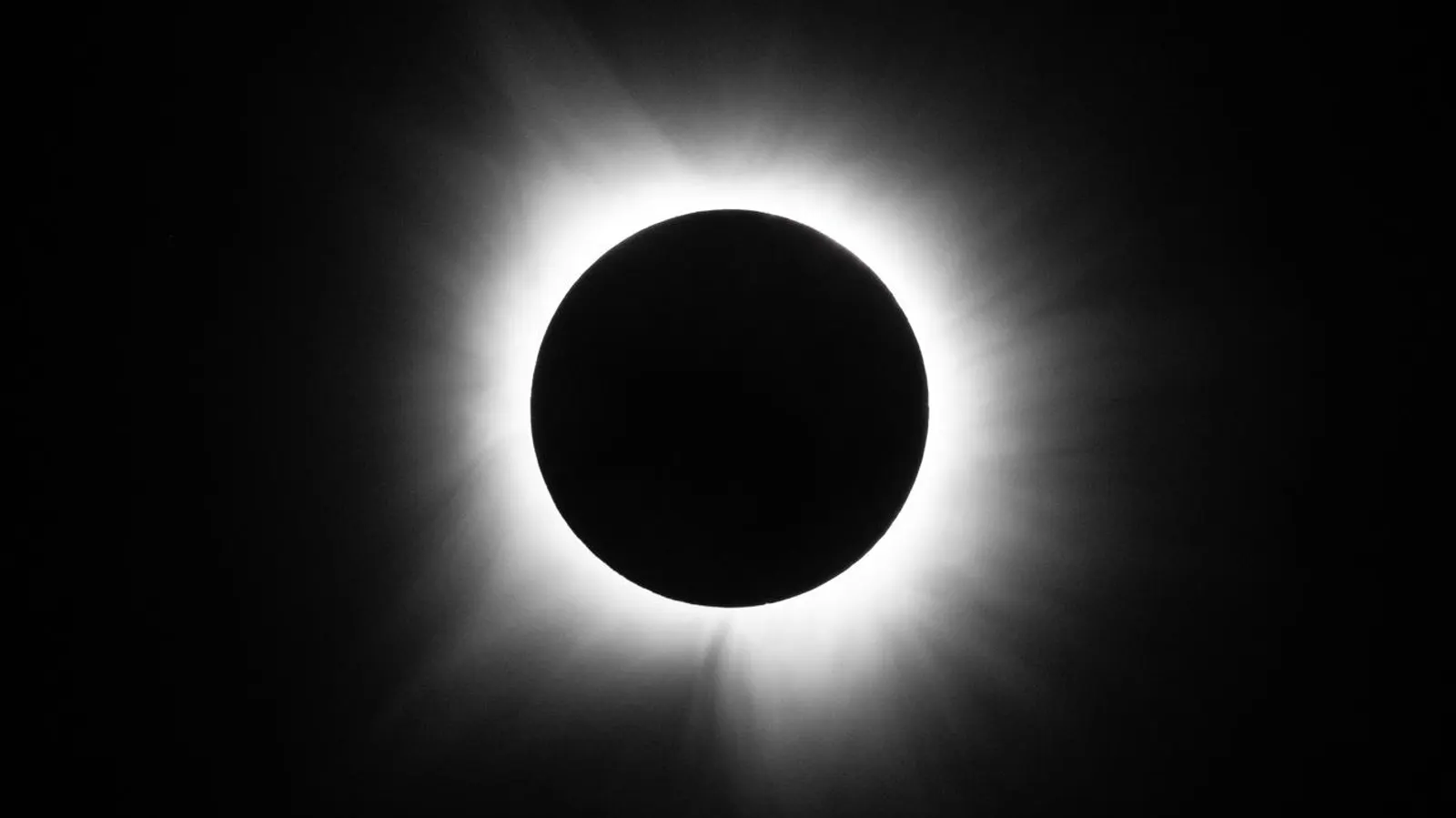
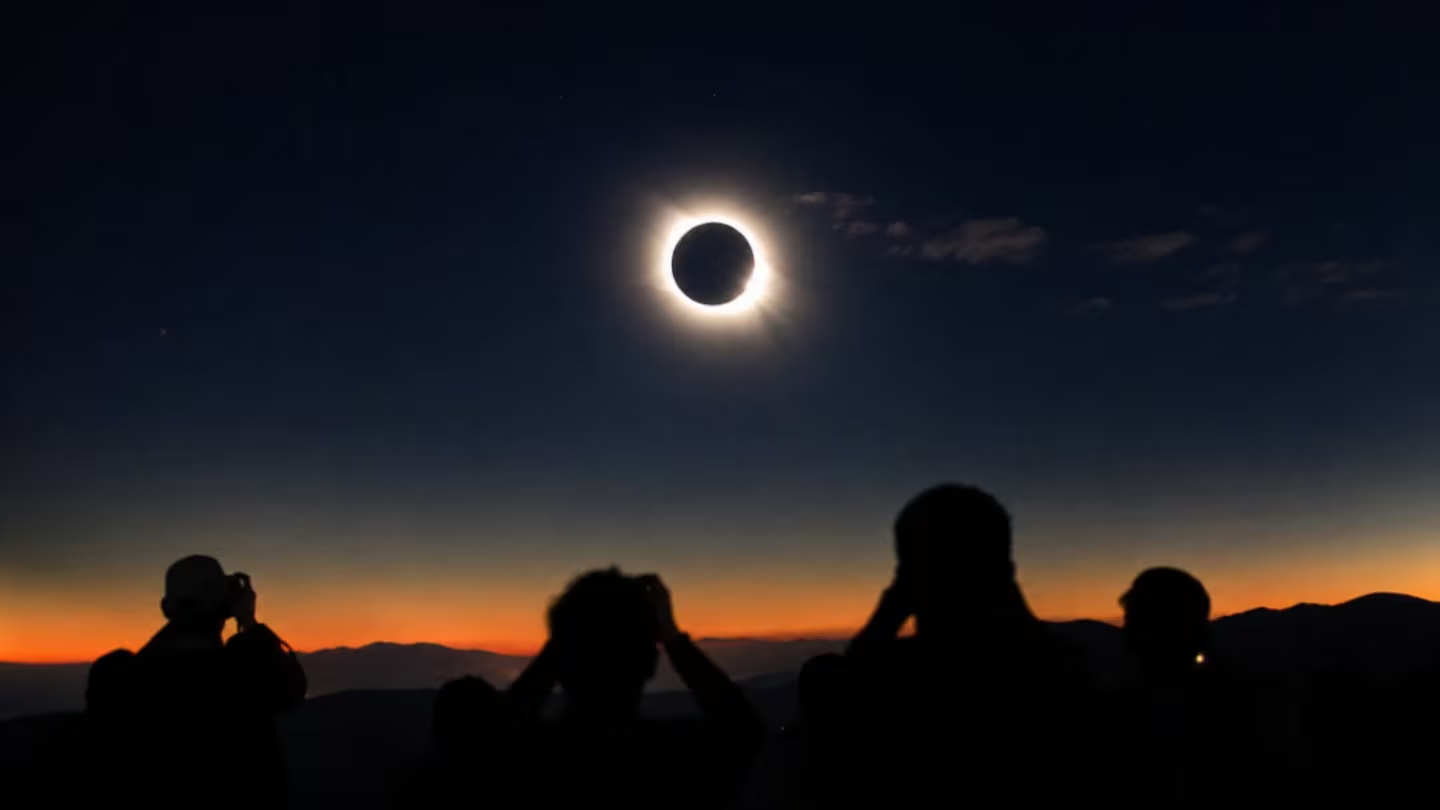
A total solar eclipse lasting up to 6 minutes and 23 seconds, at its peak, is expected to occur on Aug. 2, 2027, according to NASA. The total solar eclipse, in which the moon moves perfectly between the sun and Earth and casts a shadow on Earth, will be one of the longest in several decades.
For a time comparison, the total solar eclipse that occured on April 8, 2024, lasted 4 minutes and 28 seconds at its peak. The solar eclipse of 1991, however, lasted 6 minutes and 53 seconds. Space.com reports the Aug. 2, 2027 eclipse will be the longest eclipse totality until 2114.
The eclipse will be visible in parts of Africa, Europe and the Middle East. Unfortunately for American skywatchers, the vast majority of the U.S. won't have a view of it.
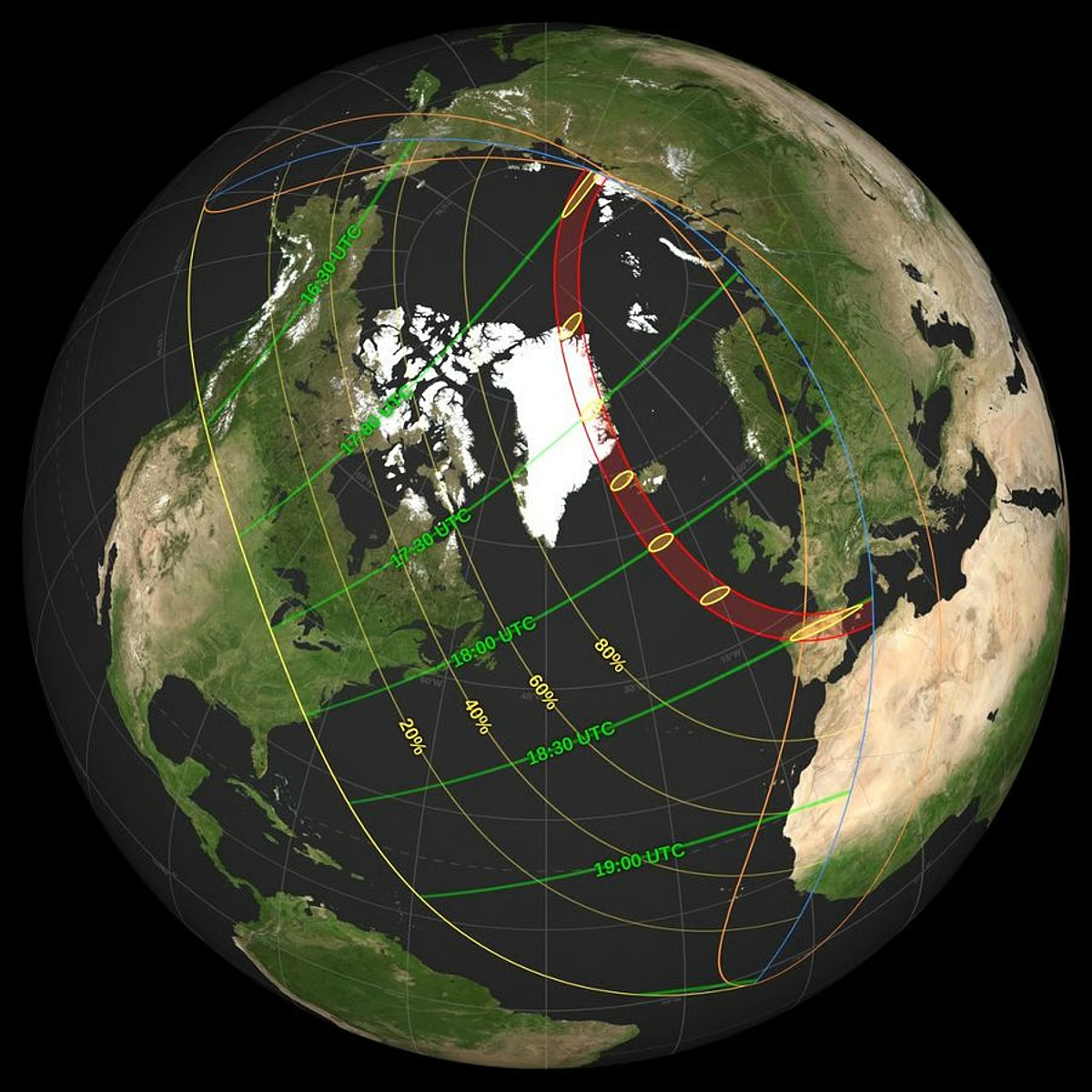
The Aug. 2, 2027 solar eclipse isn't actually the next total solar eclipse though. That one, on Aug. 12, 2026, will be visible in Greenland, Iceland, Spain, Russia and parts of Portugal, according to NASA.