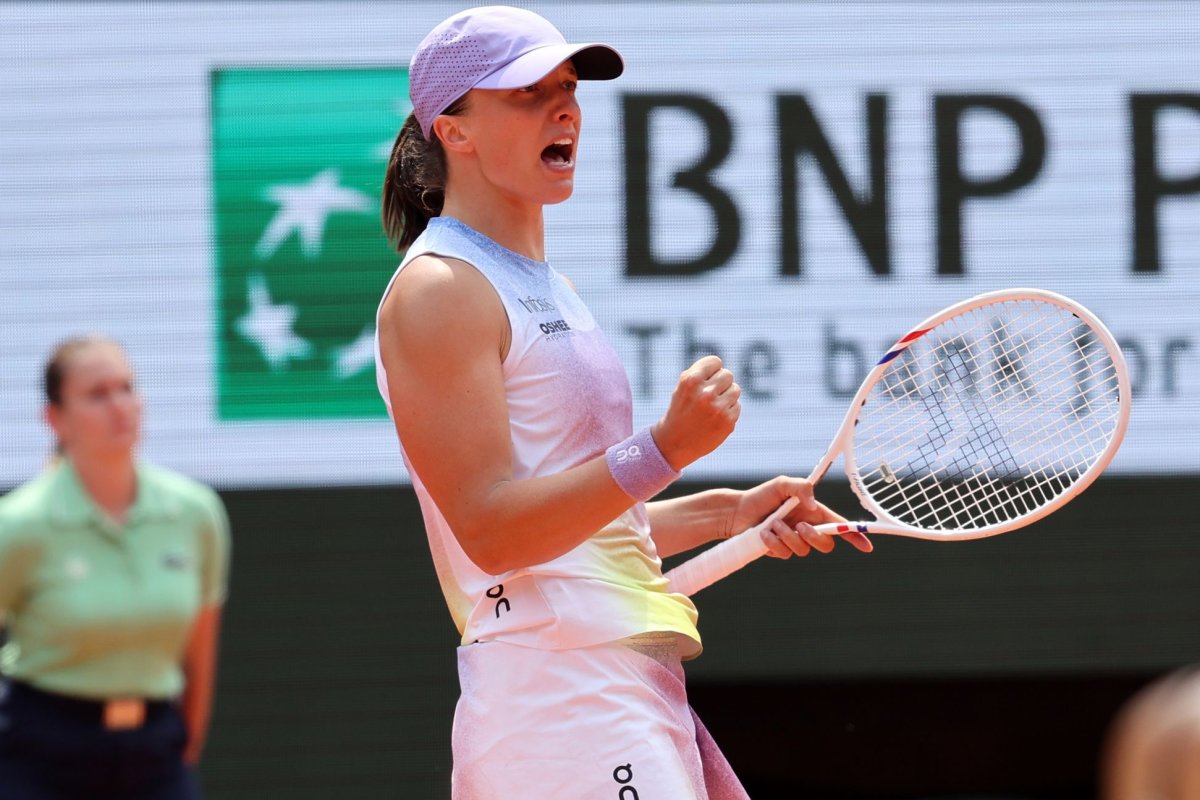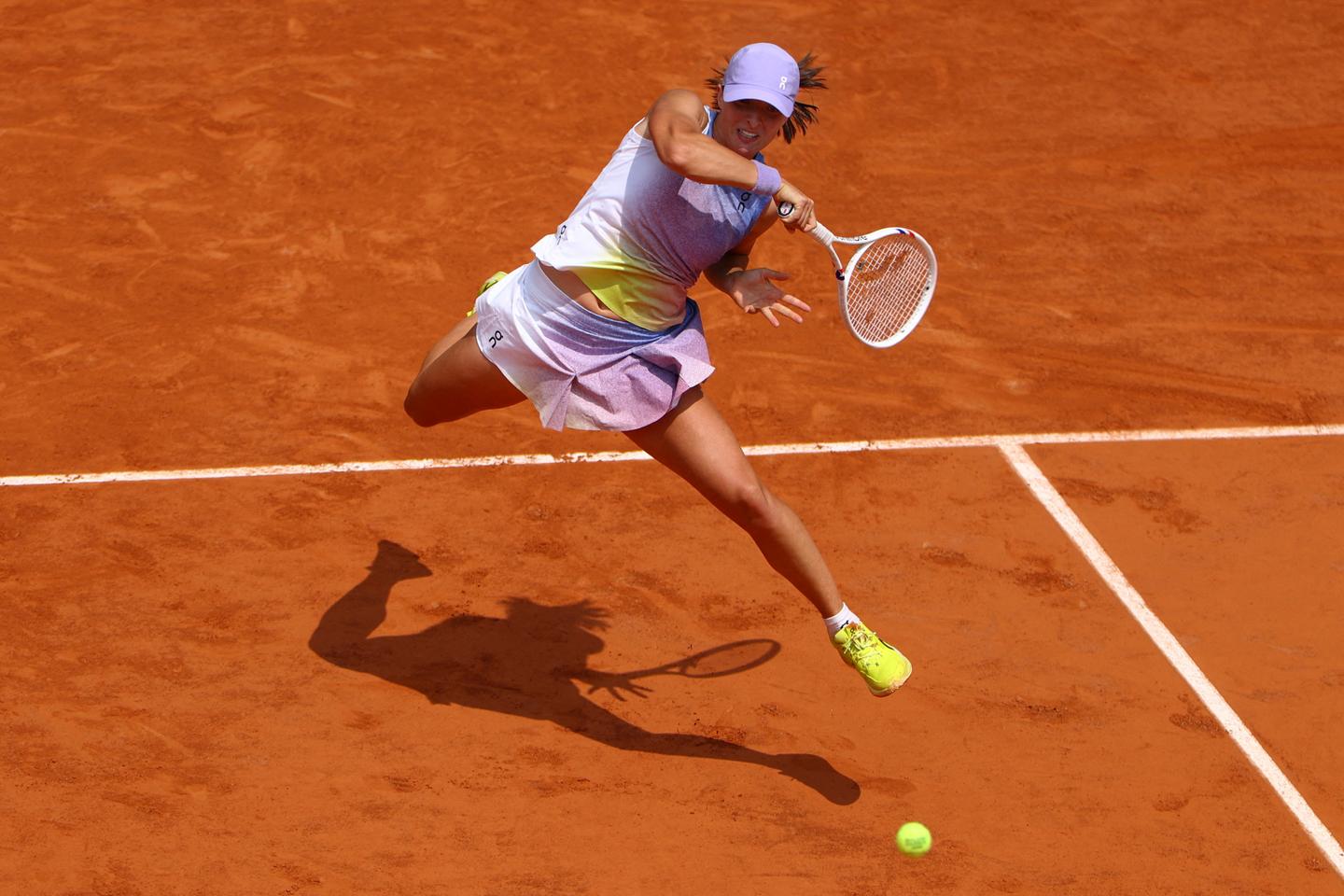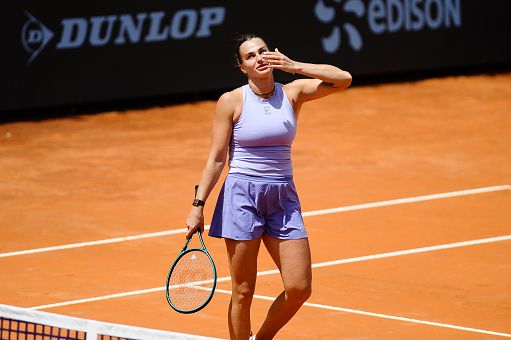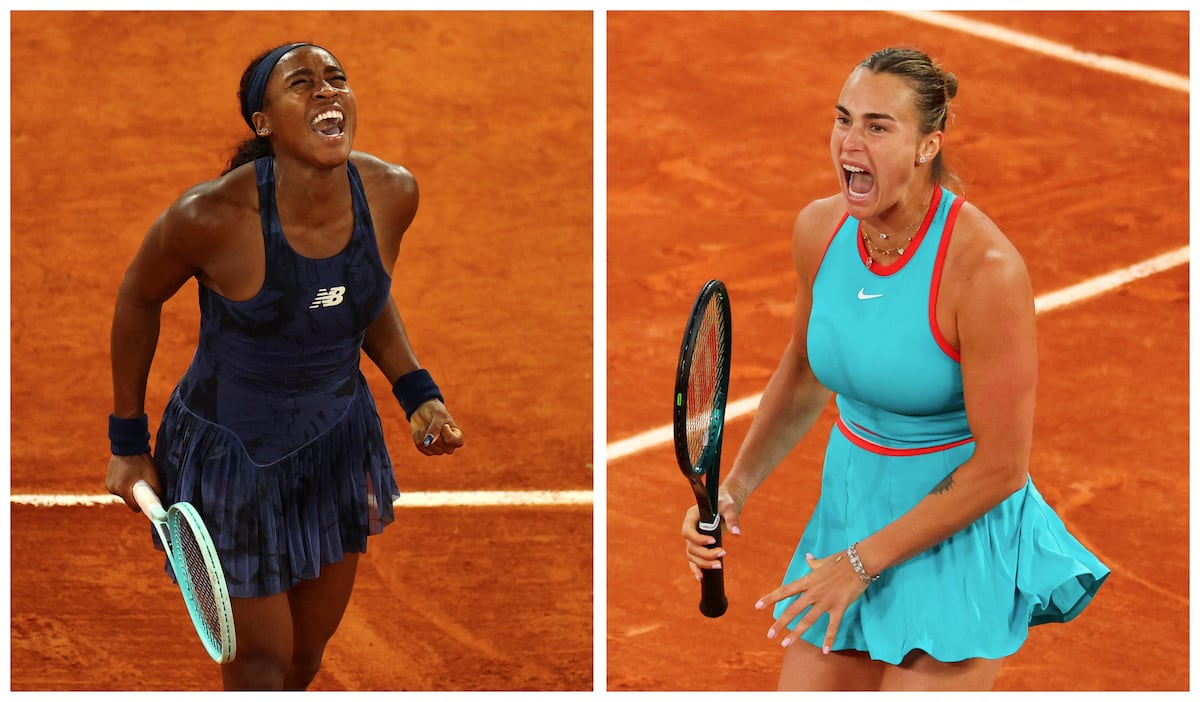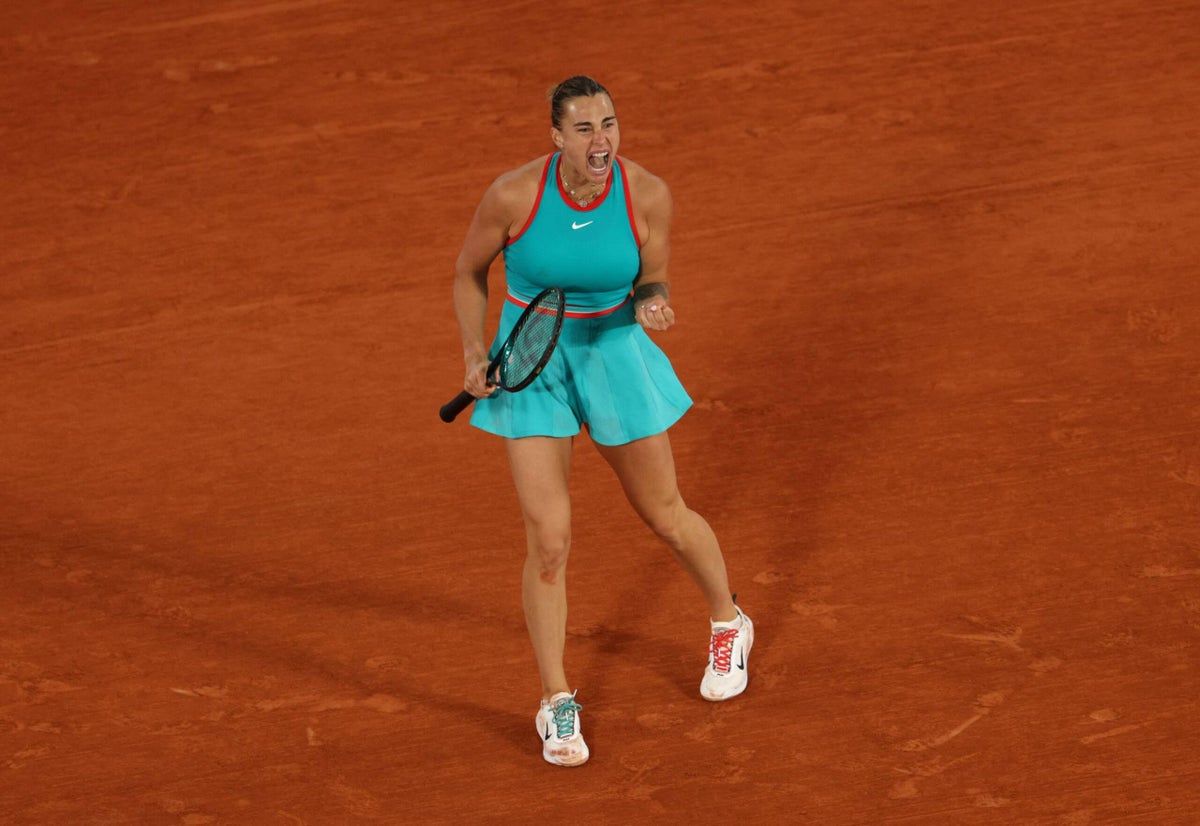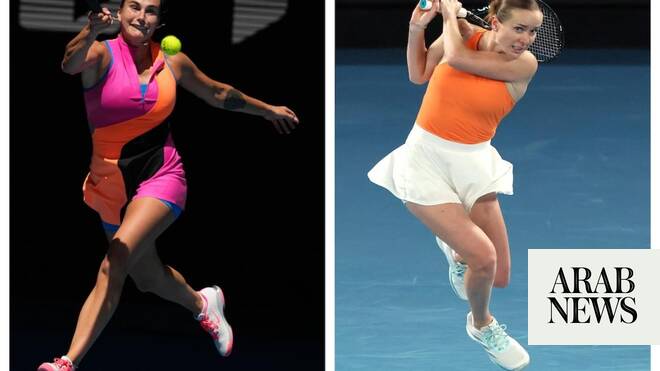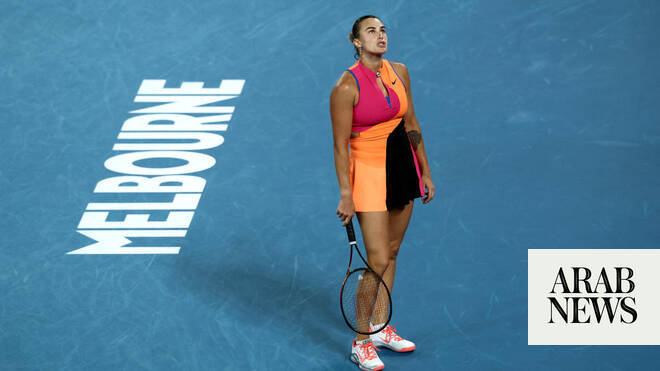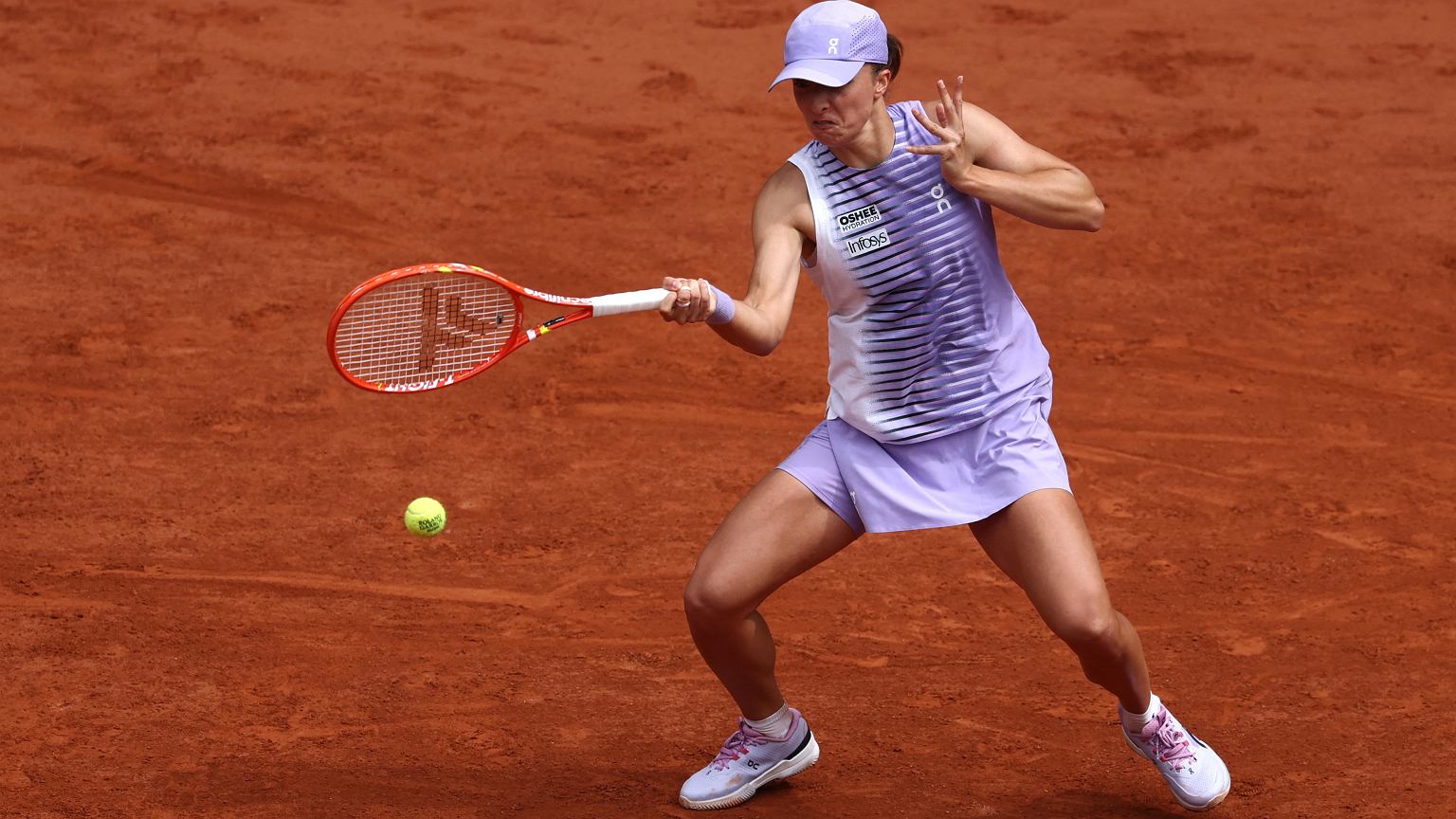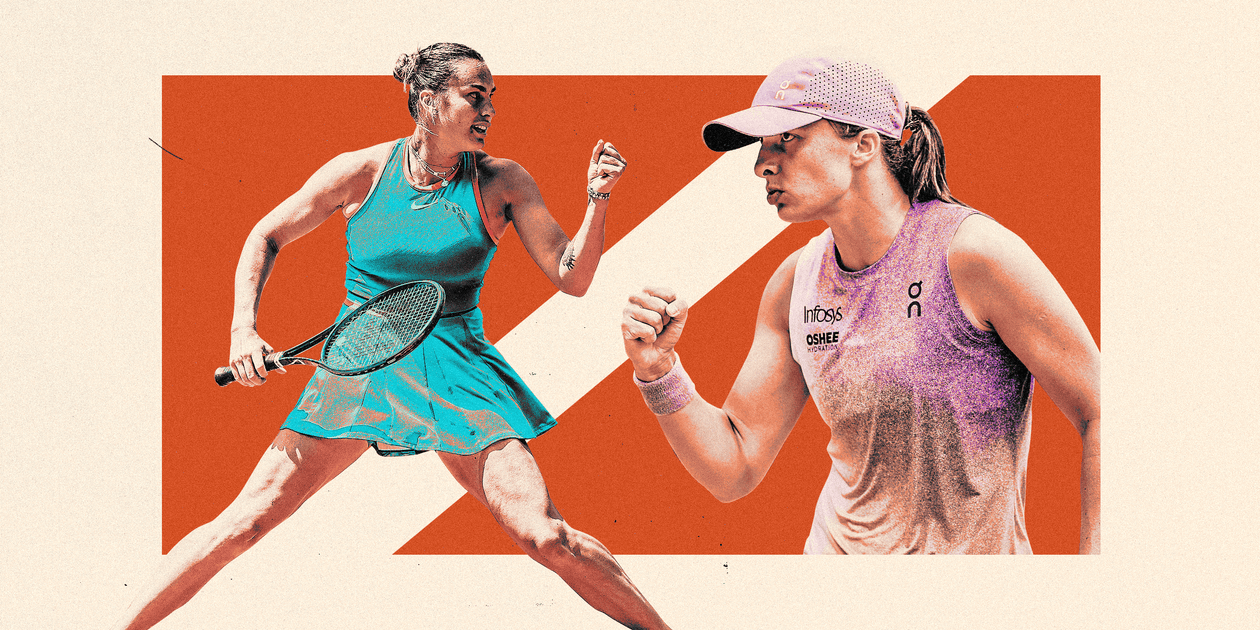
ROLAND GARROS, PARIS — If Thursday’s French Open semifinal between Iga Świątek and Aryna Sabalenka feels like a rare women’s tennis heavyweight battle at a Grand Slam, that’s because it is.Świątek and Sabalenka have been the two most dominant WTA players of this decade, winning eight slams between them. But this is only their second meeting at a major, the first coming three years ago at the U.S. Open, before Sabalenka had won her first Grand Slam title. Since then, they have won 23 titles between them, including the U.S. Open that Świątek won in 2022, after beating Sabalenka in the semifinals.It’s not just Świątek and Sabalenka who have met relatively rarely at the slams. Add Coco Gauff and Elena Rybakina, the other two most successful players over the past few years, and there have been just 10 Grand Slam matches between the four since the start of 2022. Compare that with the three and a half seasons when the men’s Big Four — Roger Federer, Rafael Nadal, Novak Djokovic and Andy Murray — were at their peak, between Wimbledon 2009 and the end of 2012, in which time they met 24 times, plus two at the Olympic Games.This matters not because Świątek, Sabalenka, Gauff and Rybakina should be asked to match the ridiculous standards of that famed quartet. It matters because the greatest tennis rivalries, played out at the Grand Slams, define and elevate the sport around the world.“It’s massive,” 18-time Grand Slam singles champion Martina Navratilova said of the impact of rivalries in a recent phone interview.“It just takes the sport to a different level when people get emotionally involved and identify with the player or the rivalry. You just get more into it. It makes it more personal.”Navratilova, together with Chris Evert, formed the greatest rivalry in the history of women’s tennis. It encompassed a record 80 matches and 14 major finals, defining tennis through large swaths of the 1970s and 1980s.“Rivalries are everything,” said seven-time Grand Slam champion Mats Wilander in an interview at Roland Garros this week. “You don’t have to meet 60 times like Novak (Djokovic) and Rafa (Nadal), but rivalry is what our sport is about.”The prospect of Swiatek vs. Sabalenka developing into the epochal rivalry that it has been threatening to become over the past few years is tantalizing, with the makings of a long-running battle for supremacy. Świątek, the cerebral and at times whimsical juggernaut capable of 30-plus win streaks and over 120 weeks at world No. 1, against Sabalenka, the light-hearted but ferociously powerful hard-court champion who has for now assumed top spot in the world rankings.Świątek has five Grand Slams, including four French Opens, while Sabalenka has three major titles to her name. Of active players, only Naomi Osaka, with four, has won this kind of number — and she’s struggled to get anywhere near that level since returning to the sport last year after giving birth to her first child.The WTA launched a full rebrand earlier this year, in a bid to add to the profile of its players. But for all the money, sponsorships and eyeballs marketing can bring, the biggest boon it could get would be the blossoming of a proper rivalry at the top of the sport.While the Big Four and then Big Three era provided an accessible, lucrative gateway into men’s tennis for more than 15 years, women’s tennis has been missing a proper rivalry for decades.“I first played pro tennis in 1991, when I was 15, and it was all about the rivalries,” former world No. 1 and three-time major winner Lindsay Davenport said during an interview at Roland Garros. “We’d just lost Chrissy (Evert) about two years earlier and so there was this rivalry developing between Monica (Seles) and Steffi (Graf). And that was amazing until it wasn’t.”Graf won six matches in a four-year, 10-match rivalry that ebbed and flowed until 1993, when an obsessed fan of Graf stabbed Seles in the back at an event in Hamburg, Germany. Seles missed two years of tennis, and when she returned, Graf won four of the five matches they played.
Swiatek, Sabalenka and the Big Three: The best tennis rivalries elevate the players and the sport
The excitement for Świątek and Sabalenka's second Grand Slam meeting shows how vital rivalries are at the top of tennis.
2,152 words~10 min read