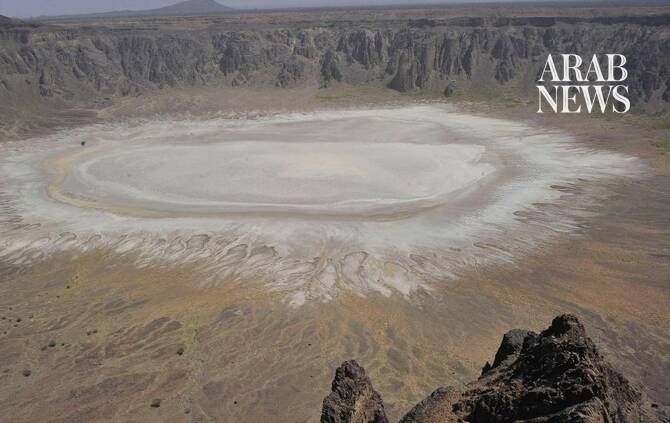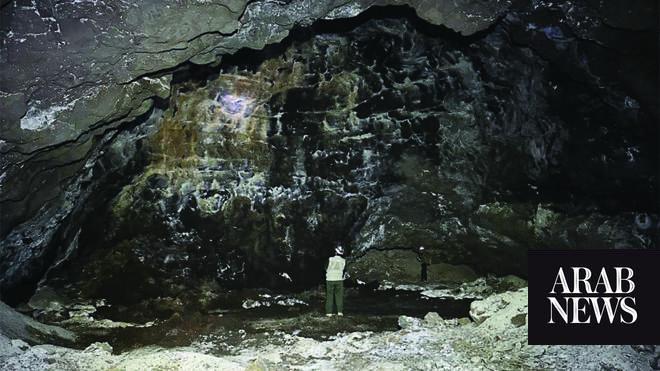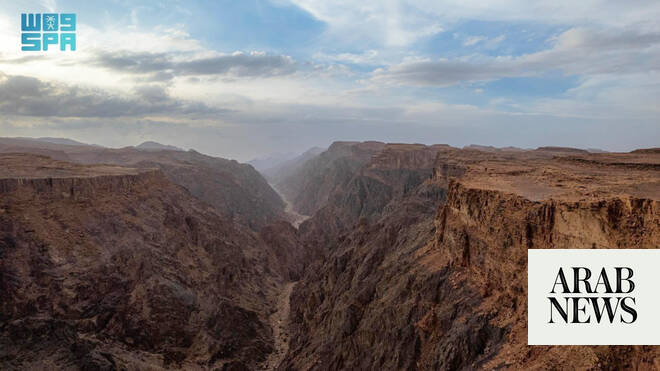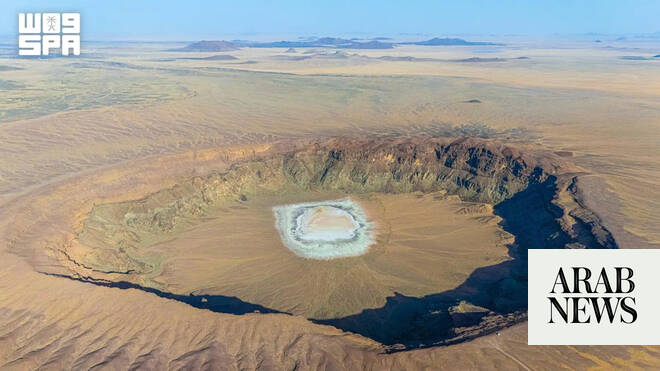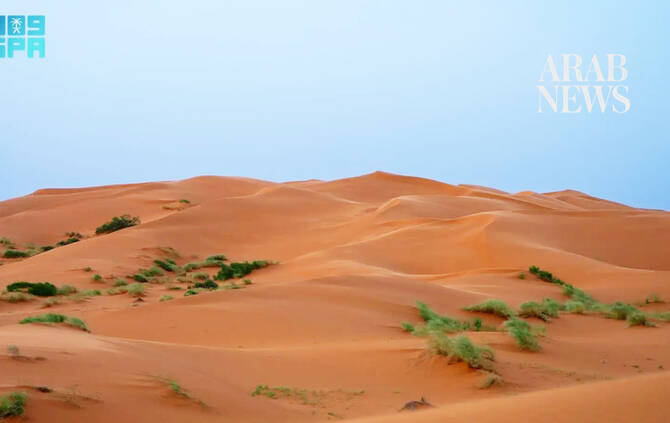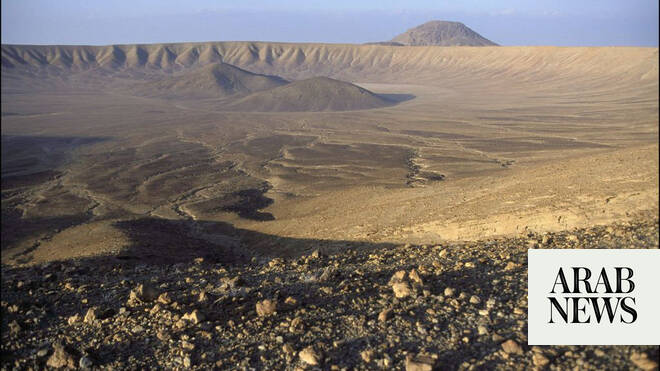
JEDDAH: Scattered across Saudi Arabia’s vast deserts and mountains lie more than 2,500 volcanic craters — relics of a fiery geological past that continues to intrigue scientists and thrill adventurous travellers today.
These ancient volcanoes have not erupted in centuries. Their silence, however, belies their significance.
“The Kingdom possesses one of the largest volcanic fields (locally known as Al-Harrat) in the world,” Turki Essam Al-Sehli, senior director of the Geohazard Center at the Saudi Geological Survey, told Arab News.
“These fields cover an area of approximately 90,000 square kilometers — around 4.6 percent of the Kingdom’s total area.”
The last known eruption was in 1256 AD, when lava from Al-Harrat Rahat flowed within 20 kilometers of Madinah. While dramatic in its time, such activity has long since ceased. “The Kingdom has experienced relative volcanic stability for centuries,” Al-Sehli said.