In 2023, a stalemate between then-President Joe Biden and congressional Republicans over the debt ceiling prompted panic among financial analysts and everyday Americans alike. The deal they struck, called the "Fiscal Responsibility Act," capped annual discretionary spending for two years. It also pushed the next action on the federal debt ceiling until after the 2024 presidential election.
Now, that deal has expired. Treasury Secretary Scott Bessent warns that the federal government will hit the debt ceiling sometime in August, unless Congress acts to raise it. President Trump favors lifting the cap.
Here's what to know about the debt ceiling, why it gets raised, and what happens if we default:
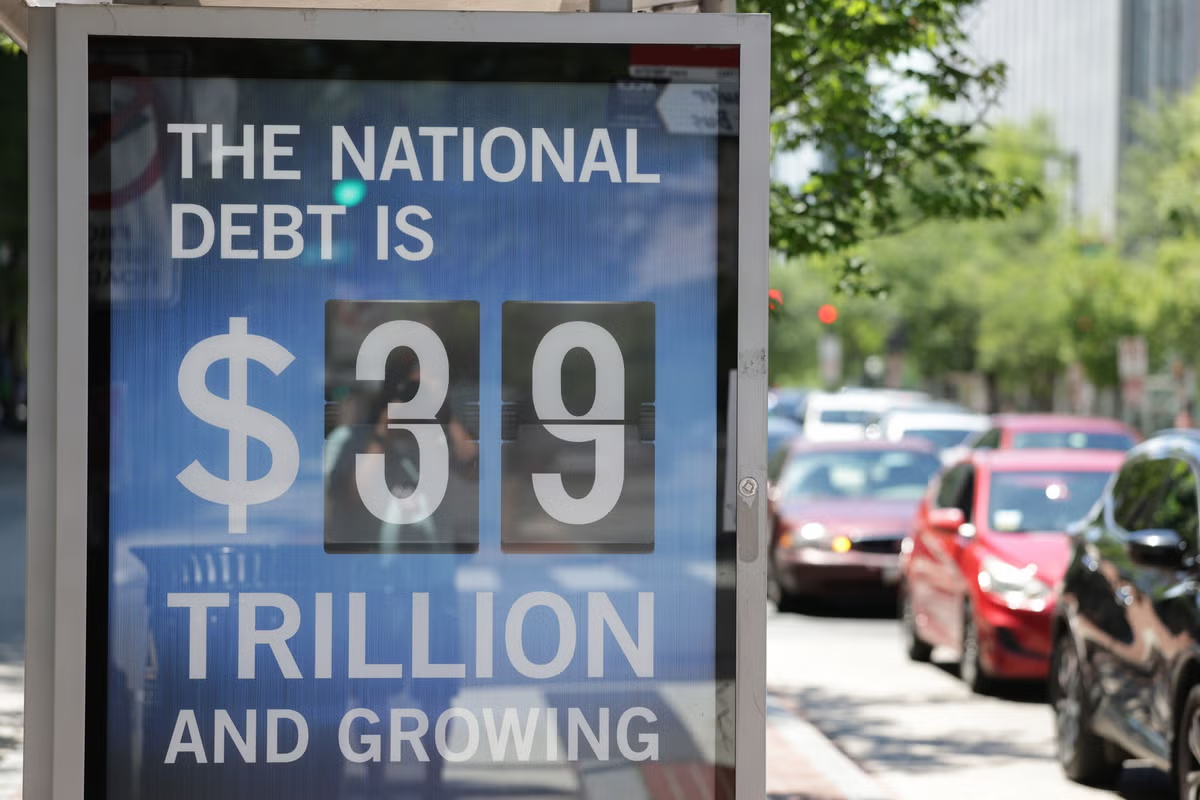
The debt ceiling is the limit placed by Congress on the amount of debt the government can accrue. In order to pay its bills to those it borrowed from and dole out money for everything from Medicare benefits to military salaries, the government needs more money, so the debt ceiling has to be raised.
Created in 1917, the legislative cap has to be raised by a majority vote in both the Senate and the House of Representatives. That vote does not pledge any additional spending. It merely raises the limit on the amount of money the government can borrow to pay back commitments already agreed upon by Congress.