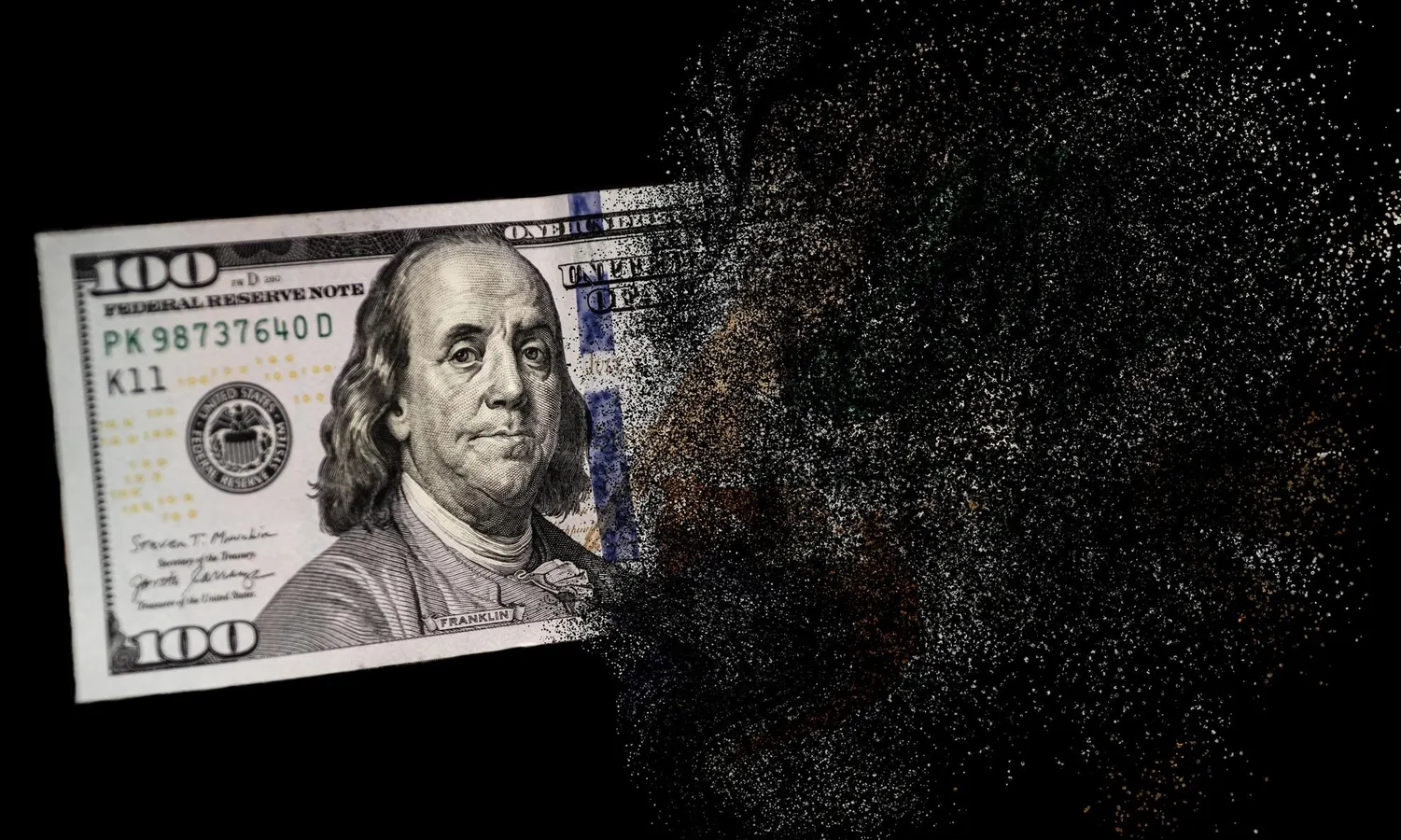
Two thousand years before the U.S. federal government’s debt crossed the $38 trillion threshold, the Roman Empire faced a similar-looking calculus: a state with increasingly expensive obligations and a very limited appetite for taxes. To pay for this discrepancy, emperors pursued a policy known as “debasement”: gradually shaving off the silver from the coins until the value of the metal became more about its symbol than the metal itself.
In practical terms, it was a way to pay bills without fully admitting the cost. The long-run risk wasn’t just hyperinflation; it was that once people stopped trusting the coin, everything else in the economy became harder to coordinate.
The modern equivalent isn’t literal coin shaving. But as 2026 starts with the U.S. staring down a 120% debt-to-GDP ratio, top economists, including former Fed chair Janet Yellen, fear a different sort of debasement will begin—something called fiscal dominance.
Fiscal dominance is the point at which financing needs begin to constrain the central bank’s inflation fight, and the adjustment happens through the purchasing power of money rather than through taxes or spending cuts.
Imagine the U.S. economy is a car, with the Treasury as the driver, ready to spend money at the government’s behest, and the Federal Reserve is the brake, ready to raise interest rates to slow inflation if the Treasury spends too much. The car is now towing a $38 trillion trailer. The weight is so heavy that if the Fed hits the brakes too hard, the brake pads will explode from the pressure (the government’s interest payments will become too expensive, causing a default). So, to prevent the car from crashing, the Fed is forced to let off the brake, even if the car is speeding toward the cliff of over-spending. The result: hyperinflation.