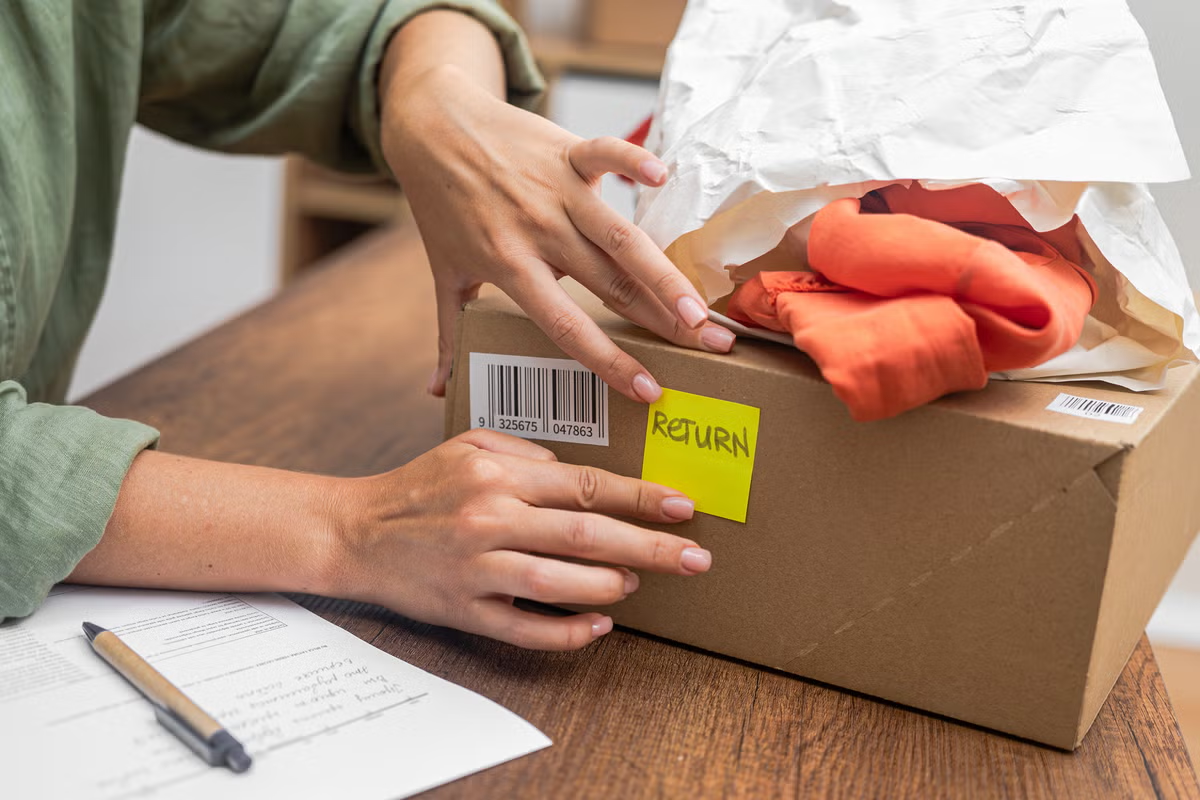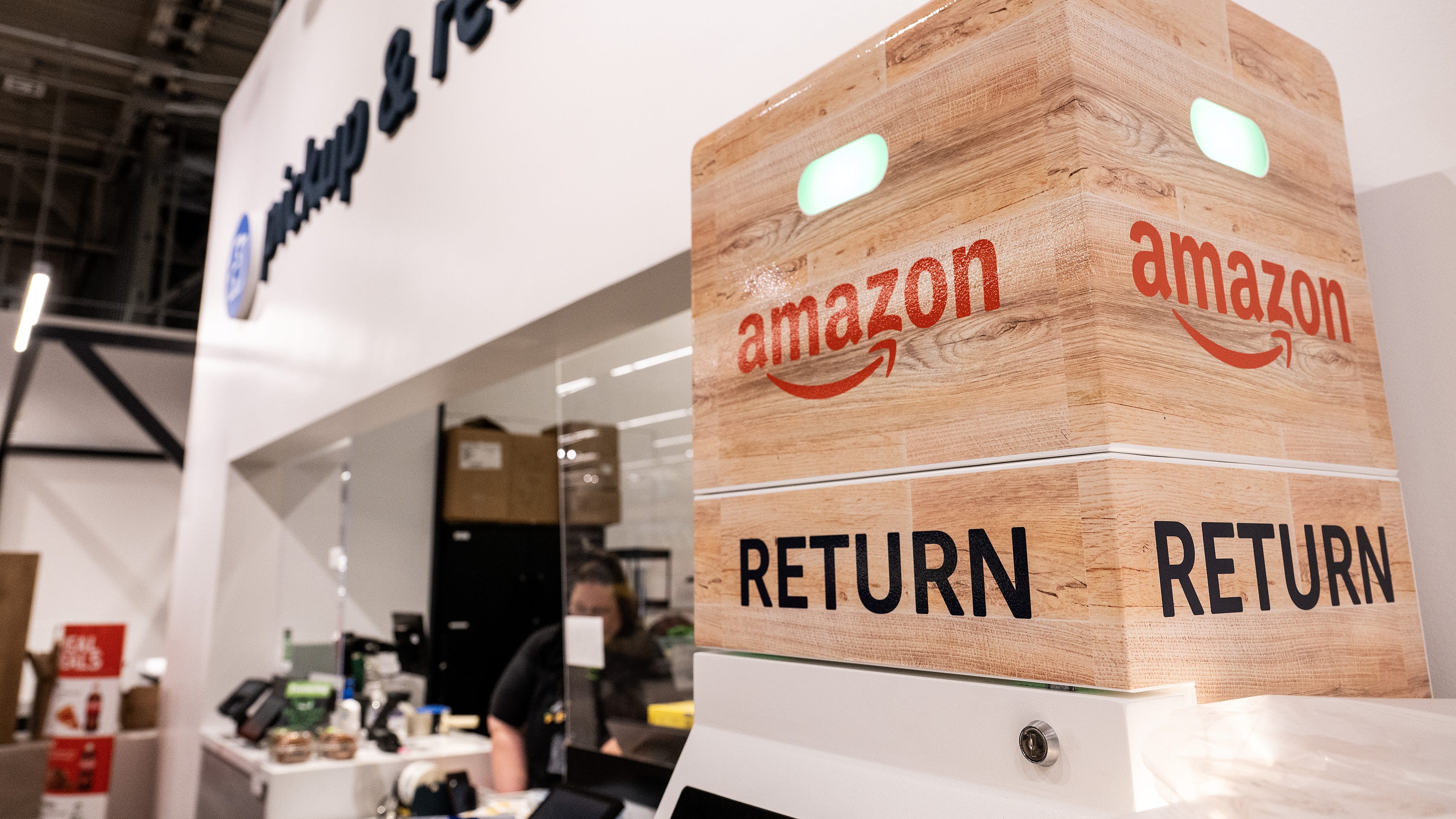
Returns of items are both a fact of life for retailers but also a difficult balance to maintain as they try to keep customers happy while not losing money.
For consumers, lenient return policies play a big role in where they choose to buy. But then there is also the dark side of returns, with criminal rings set up to take advantage of those lenient return policies.
Returns cost retailers a lot of money: total returns were expected to top $890 billion in 2024, according to a December 2024 report by the National Retail Federation. Retailers estimated that 16.9% of their annual sales in 2024 would be returned.
But shoppers also say return policies impact where they shop: 67% of shoppers said a negative return experience would impact whether they would go back to that retailer.
In a survey by Forter of 4,000 shoppers in both the United States and the United Kingdom, 68% said they believe retailers make it easy to abuse flexible return policies. In fact, 49% admitted to abusing policies in the last year. Another 29% said they use the policies to avoid paying full price. Thirty percent said they use and return expensive wardrobe items they otherwise couldn't afford and that number spikes to nearly half or 46% for younger consumers.