As the cost of President Trump’s tariffs drives up the prices of goods, retailers are speeding up the process of returns to rush items back onto the resale market as fast as possible.
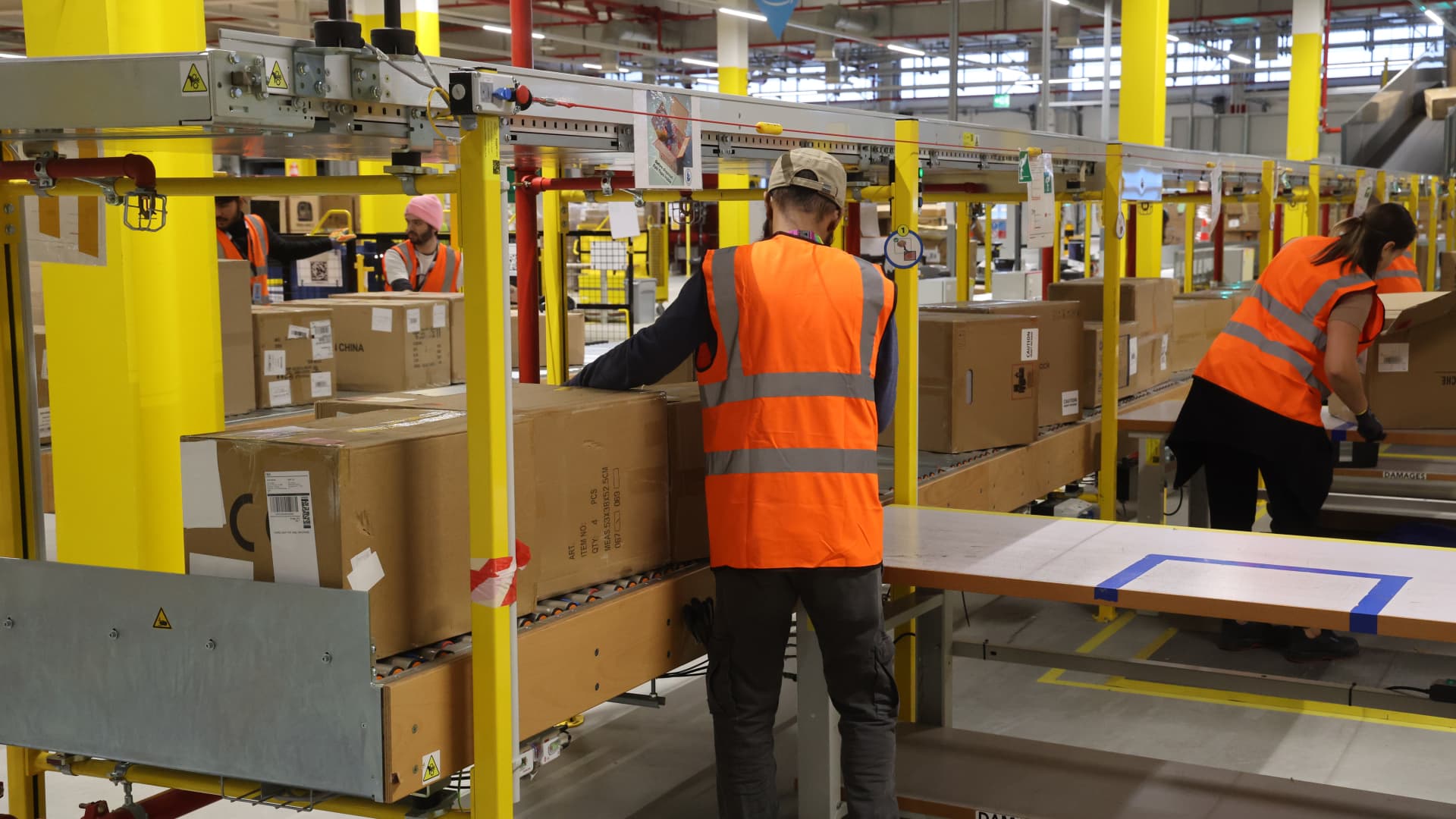
The segment of the supply chain responsible for the fast turnaround of returns is known as reverse logistics, where retailers inspect returned items and determine if they can be resold, repaired, or recycled, or if they need to be disposed. The more efficiently a retailer can manage the reverse logistics process, the faster the product can be resold — either at full price online or in-store, or at a discount at a retailer’s outlet channels.
Returns are a source of inventories of items that have already had tariffs paid on them. As a result, “it is beneficial for retailers to process returns faster to get the items back into the stores,” said Casey Chroust, chief operating officer of returns management software company Optoro. “Processing costs average 30% of the purchase price. Returns can be a key salvation for companies to keep costs down. Tariffs are making new goods more expensive,” he said.
Chroust said over three-quarters of shoppers are likely to purchase re-commerce goods, which is driving more retailers to cater to the price-conscious consumer.