EVERYONE WANTS RELIABLE and fast internet, and a good router can help, but how do you choose a router? The trick is to work out how the complicated mess of standards, confusing acronyms, and sci-fi-sounding features translate to better Wi-Fi in your home. Join us as we tear back the curtain to reveal the pertinent facts about Wi-Fi, routers, mesh systems, and other jargon. Hopefully, you'll be better equipped to buy a router.
Updated May 2025: We added mention of 5G routers, privacy concerns with some router apps and services, more info on Wi-Fi extenders, and explained several more router-related terms.
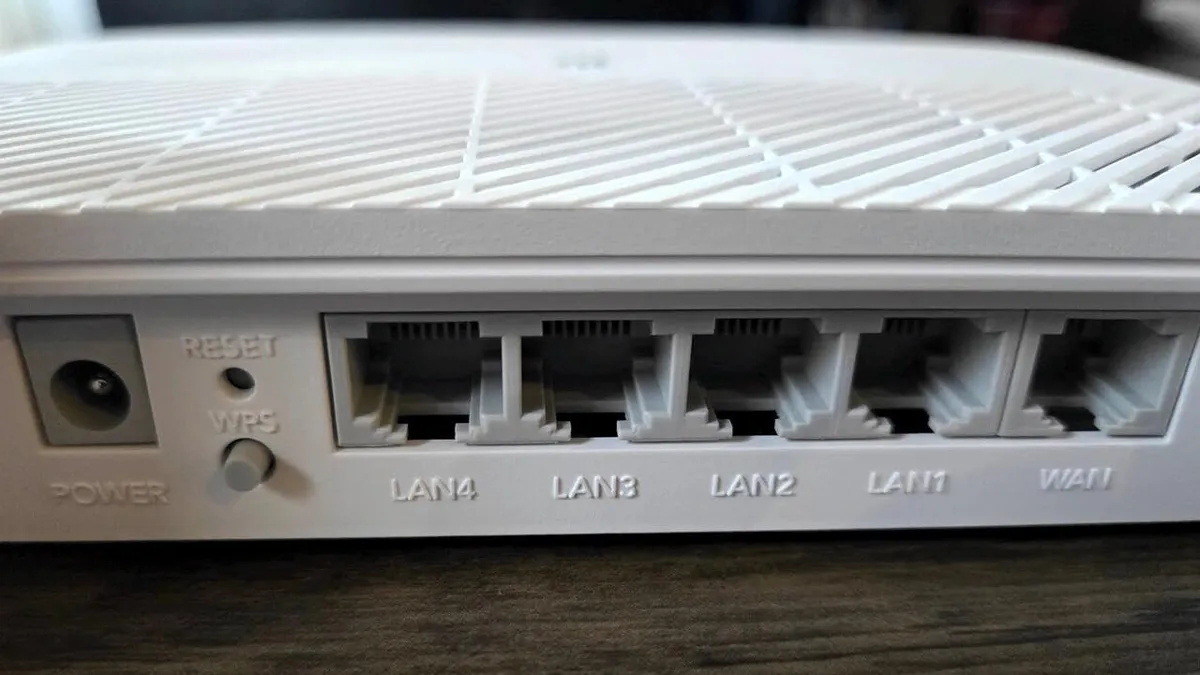
Internet service providers (ISPs) connect your home to the internet and usually send you a modem and router (sometimes in a single device). The modem connects your home to the broader internet, the router hooks up to the modem, and you connect all your gadgets—with wires or wirelessly—to the router to access that connectivity. ISPs often charge you a rental fee for this equipment, and their routers are usually basic in performance and features. The good news is that ISPs are, by law, no longer allowed to force you to use their equipment or charge you to use your own hardware, though you may still have to return their stuff to avoid charges.