Home
Storia in 1 fonti
AZO-based HJT solar cells more vulnerable to damp-heat-induced degradation, study finds - pv magazine Global
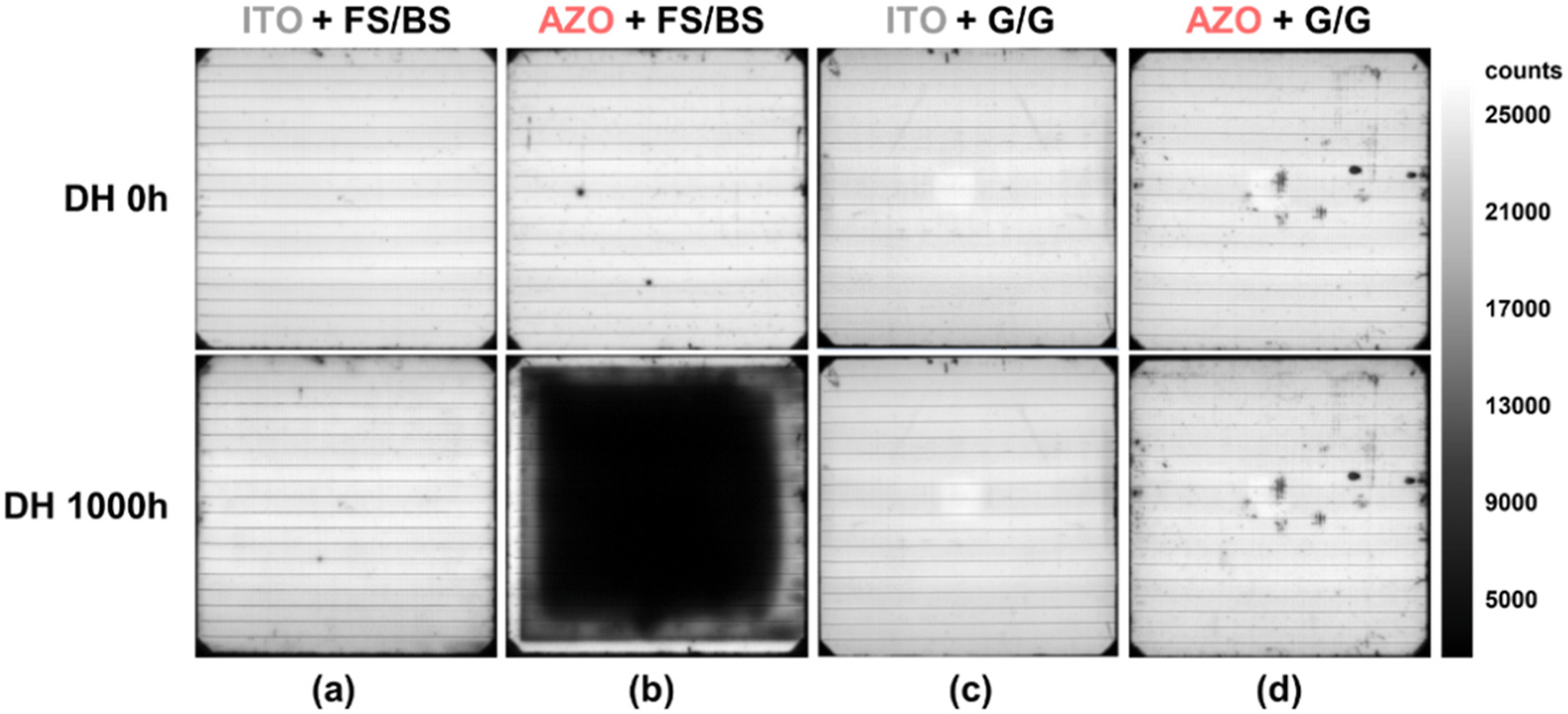
German researchers have found that aluminum-doped zinc oxide-based silicon heterojunction cells are more vulnerable to damp-heat-induced degradation than their indium tin oxide-based counterparts. To address this issue, they introduced a magnesium fluoride capping layer that significantly improved damp-heat stability by slowing moisture penetration and corrosion.
Raccontata da pv-magazine.com