Home
Storia in 1 fonti
Harness Engineering - Part 8: Observability
Part 8 of the Harness Engineering series. Observability turns "I built an agent" into "I built an agent I can actually operate." Here's what it is, why non-deterministic multi-step systems can't be operated without it, and the three properties that separate a real observability setup from an aspirational one.
Raccontata da dev.to
Timeline cronologica
- ·
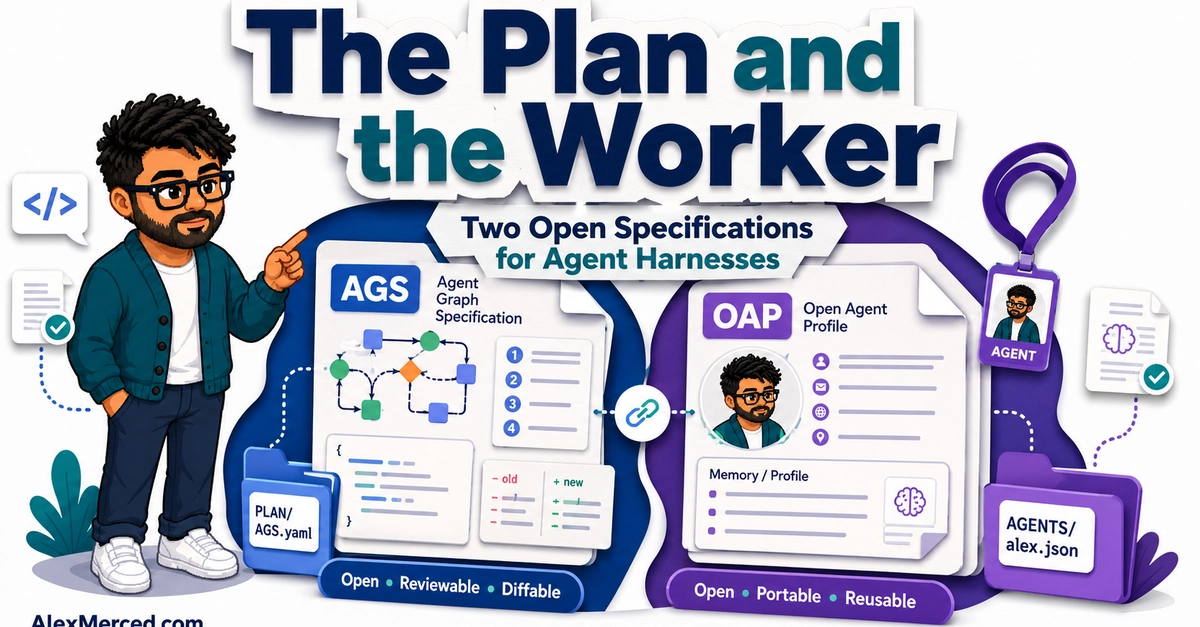
The Plan and the Worker: Two Open Specifications for Agent Harnesses
Every agent harness solves the same two problems, and almost every one of them solves both...
- ·
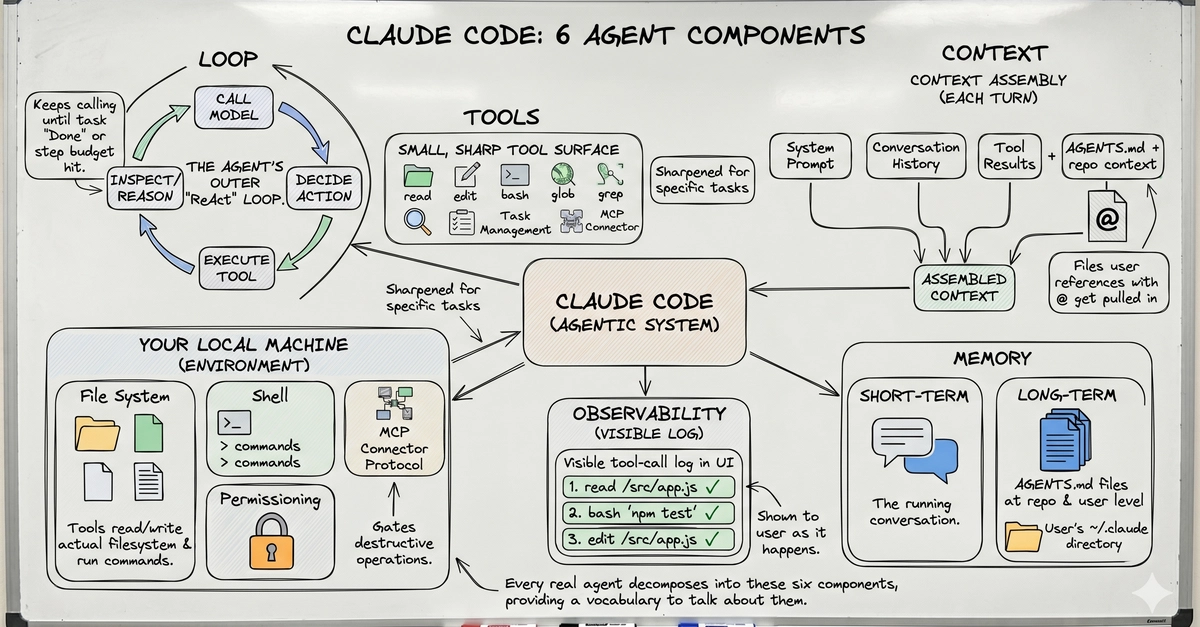
Harness Engineering - Part 4: The Tool Layer
Part 4 of the Harness Engineering series. Tools are the model's surface area into the world. Here's what they are, why they exist, and how to tell a well-designed tool surface…
- ·
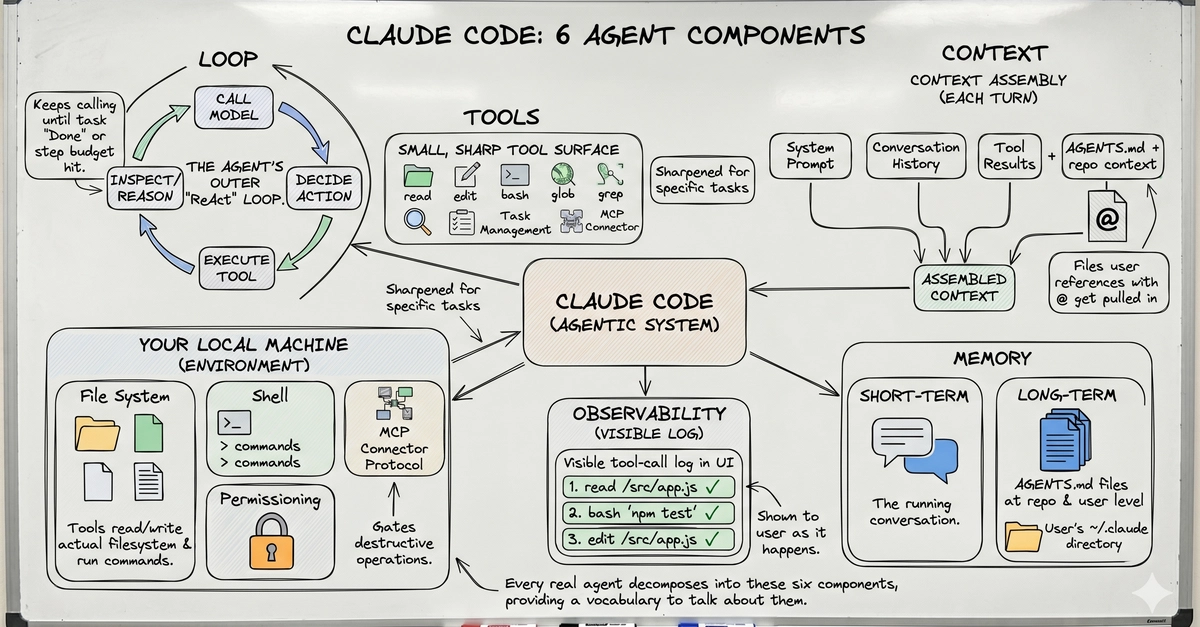
Harness Engineering - Part 5: Context Engineering
Part 5 of the Harness Engineering series. The context is everything the model gets to see on a given API call — and every turn requires you to assemble it fresh. Here's why…
- ·
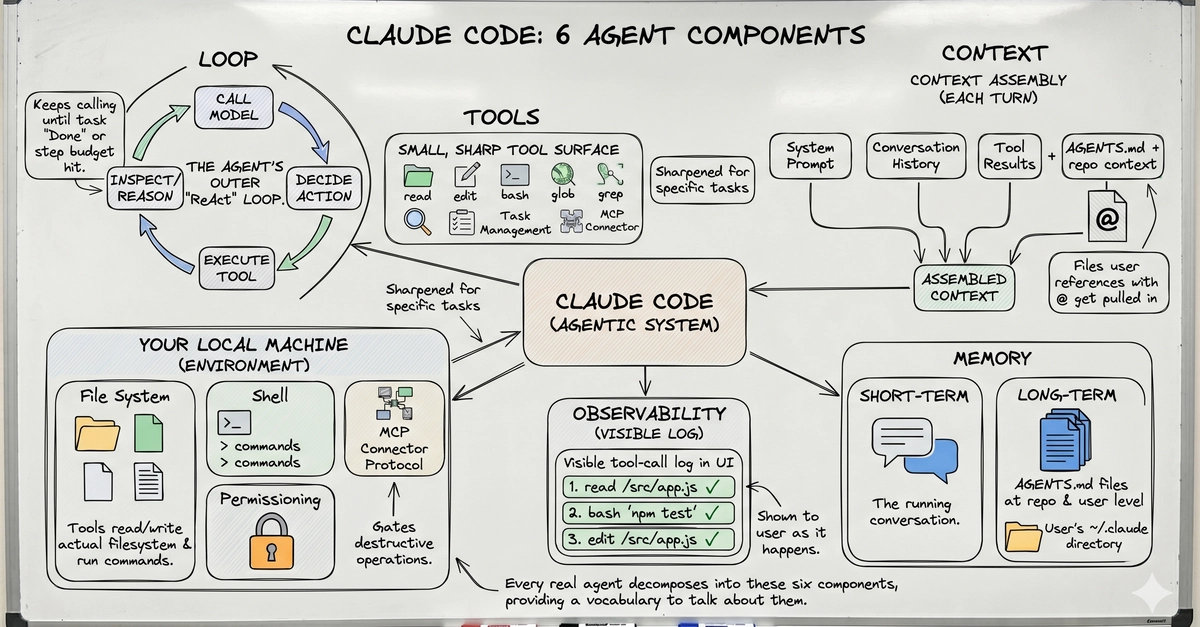
Harness Engineering - Part 6: The Filesystem & Environment
Part 6 of the Harness Engineering series. The Environment is the runtime tools operate inside — filesystem, shell, network, resources. Here's why every tool with side effects…
- ·
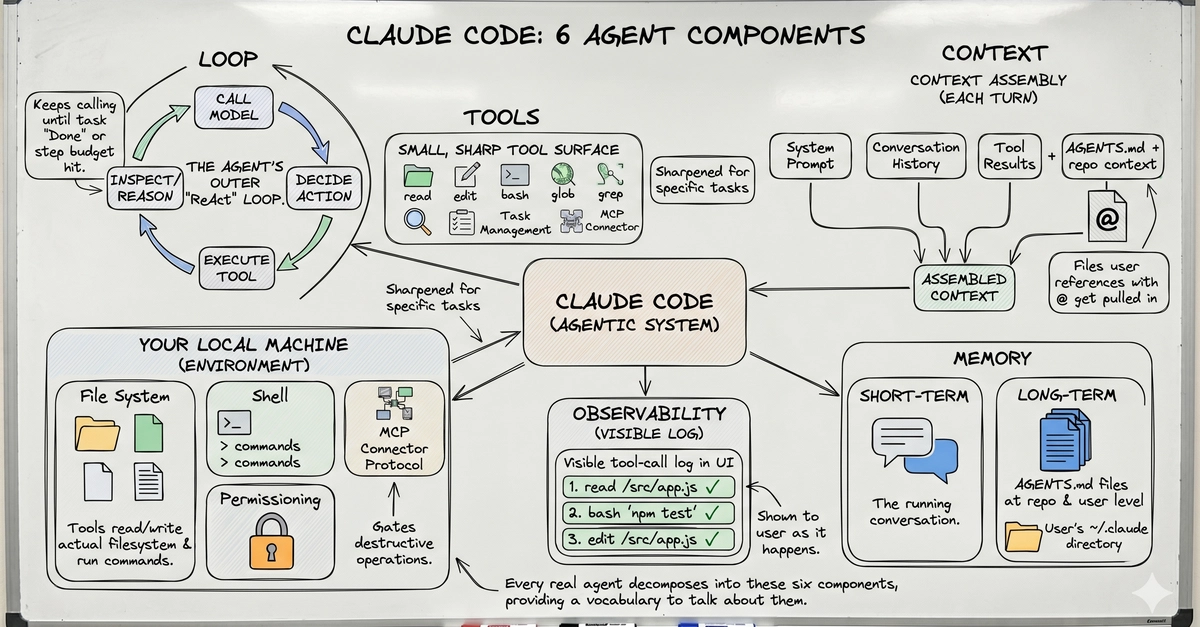
Harness Engineering - Part 7: The Memory Layer
Part 7 of the Harness Engineering series. Memory is what turns a stateless-per-call system into something with continuity. Short-term and long-term memory are two different…
- ·
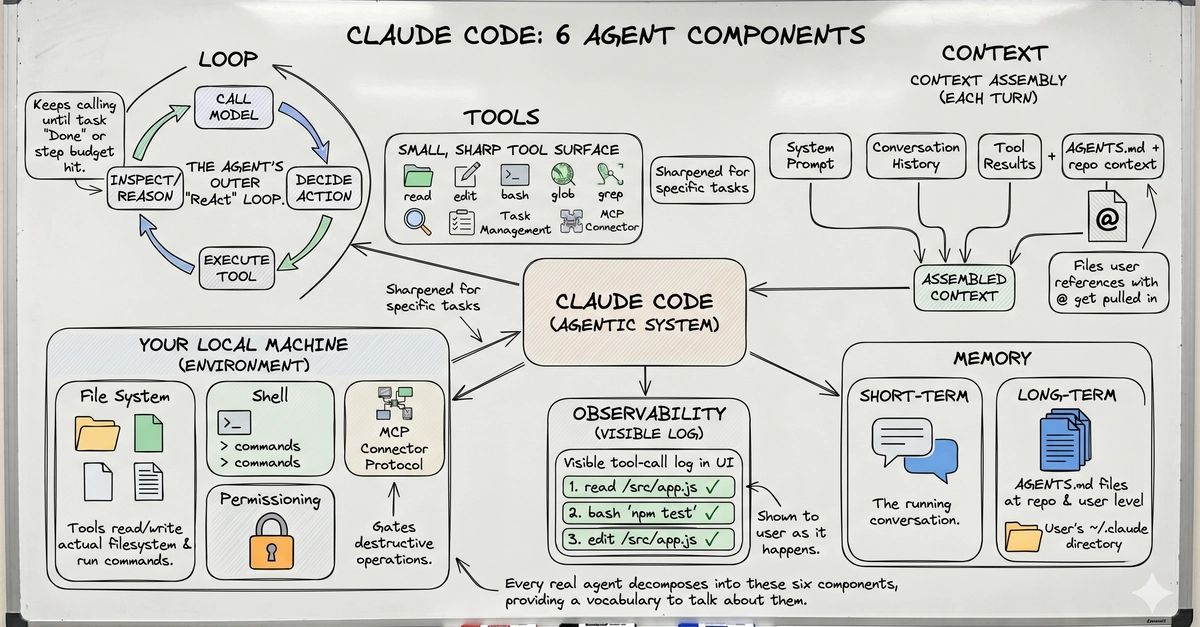
Harness Engineering - Part 8: Observability
Part 8 of the Harness Engineering series. Observability turns "I built an agent" into "I built an agent I can actually operate." Here's what it is, why non-deterministic…