HomeAI · summaries
Storia in 19 fonti
Claude watermark explained — What Indian users need to know
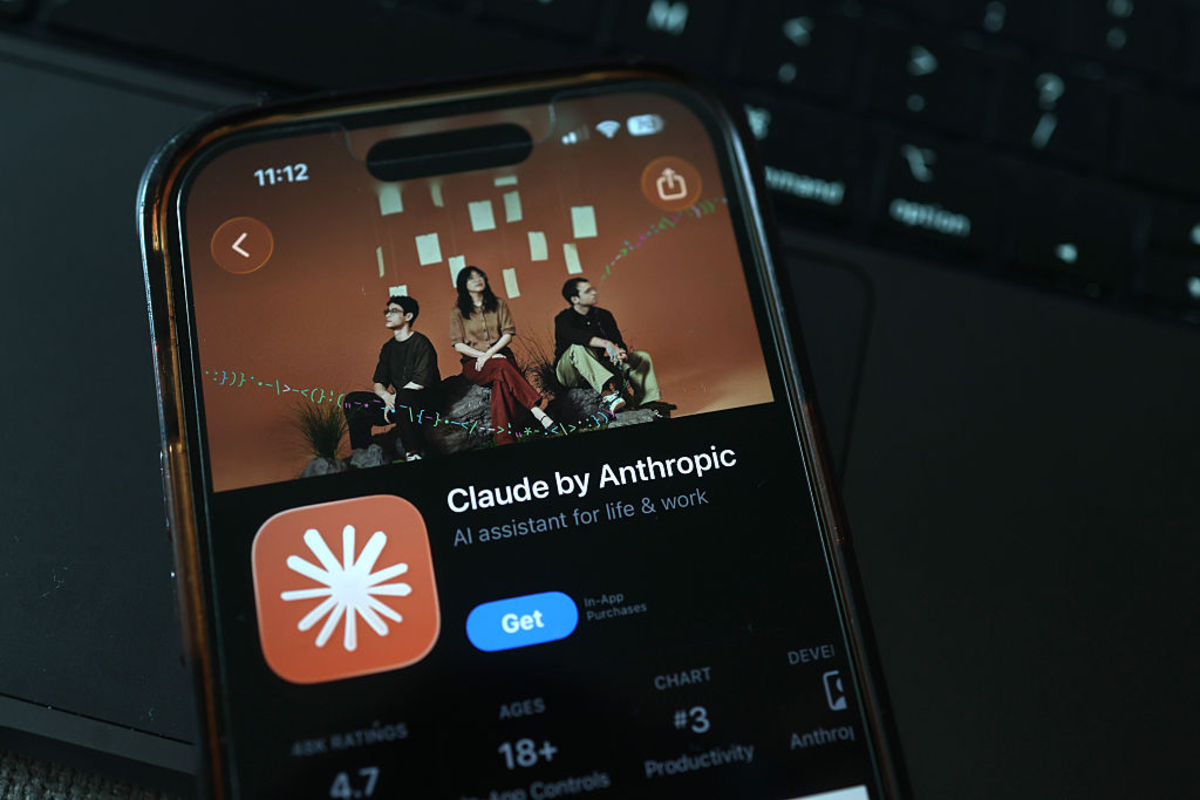
If you wrote it with Claude, it may now carry an invisible, machine-readable watermark inside the text.Anthropic has introduced a text watermarking system for Claude-generated content that travels with the words when they are copied and pasted. The marking applies across Claude’s app, API, Claude Code, Claude Cowork and supported cloud platforms. Files can also carry C2PA provenance metadata.The move is linked to EU AI Act transparency requirements, but the marking applies globally, meaning Indian users are already affected.There is an important India-specific distinction, however. India’s IT Amendment Rules require labelling and provenance metadata for synthetically generated information, while MeitY’s clarification has focused on multimodal content such as images, audio and video rather than ordinary text.And the detection tool itself has not shipped yet. Heavy editing, paraphrasing or translation can weaken or destroy the signal. Even if a text is flagged, that does not prove Claude originally wrote it. Using Claude to proofread or summarise your own draft can leave the same trace.For students, freelancers and newsrooms, the takeaway is simple: *treat an AI-detection flag as a signal, not proof of authorship.*
Confronto fonti
6 prospettive sulla stessa storiaTimeline cronologica
- ·
support.claude.com
How Claude marks AI-generated content | Claude Help Center
All CollectionsPrivacy and legalHow Claude marks AI-generated content Updated todayAnthropic has signed the EU AI Act's Article 50(2) Code of Practice on Transparency of…
- ·
computerworld.com
Anthropic to watermark AI-generated content
This move is part of the company's effort to comply with the EU regulation and transparency requirements for AI.