Home
Storia in 1 fonti
India Tightens Deepfake Rules: What Changes for AI Content?
India has tightened its rules around deepfakes and other AI-generated content, bringing stricter labelling requirements, faster takedown timelines and greater accountability for online platforms.Under the amended IT Rules, platforms can have just three hours to remove or disable unlawful content after specified court or government notices, down from 36 hours. Grievance redressal timelines have also been shortened, while platforms are required to deploy technical measures to detect and prevent certain unlawful synthetic content.But is India banning AI-generated content? No. The focus is on making permitted synthetic content identifiable while cracking down on unlawful uses such as impersonation, non-consensual intimate imagery, child sexual abuse material and deceptive representations of people or real-world events.Watch the video to understand what India's new deepfake rules mean, what platforms must do, and how the new timelines could change the way harmful AI content is dealt with online.
Raccontata da economictimes.indiatimes.com
Timeline cronologica
- ·
India weighs if Meta violates intermediary rules, may call other platforms
Indian government officials are examining Meta's intermediary obligations concerning harmful content. Specific measures for deepfakes and child abuse material were requested from…
- ·
MeitY asks Meta to revamp algorithms, curb deepfakes and illegal content on platforms: Government sources - The Economic Times
India's MeitY has urged Meta to revise its algorithms and provide a compliance roadmap. The government seeks stronger detection and removal of harmful and manipulated content. …
- ·
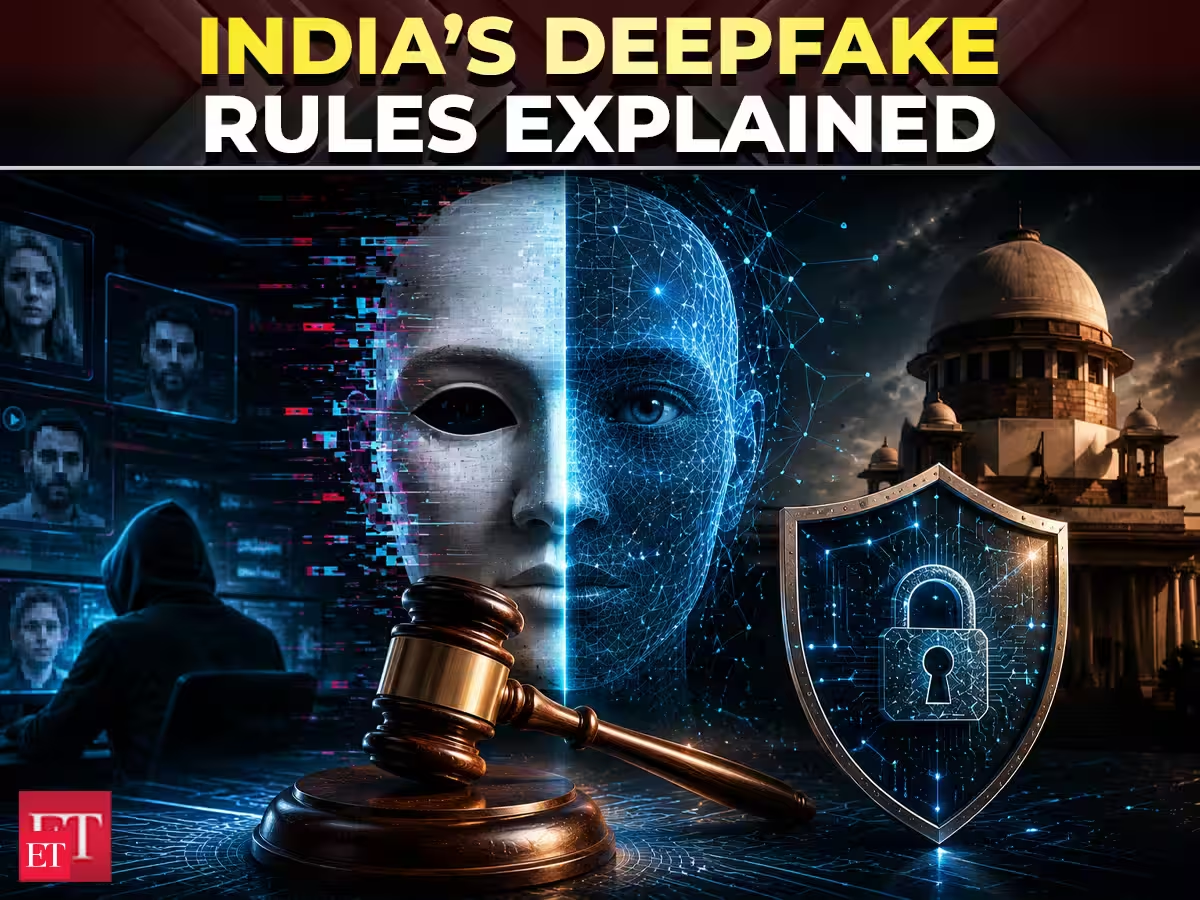
India Tightens Deepfake Rules: What Changes for AI Content?
India has tightened its rules around deepfakes and other AI-generated content, bringing stricter labelling requirements, faster takedown timelines and greater accountability for…
- ·
India must make AI labels durable and verifiable - The Economic Times
In a landmark move, California and India have implemented legislation aimed at enhancing transparency in AI-generated content. These laws require the incorporation of nearly…