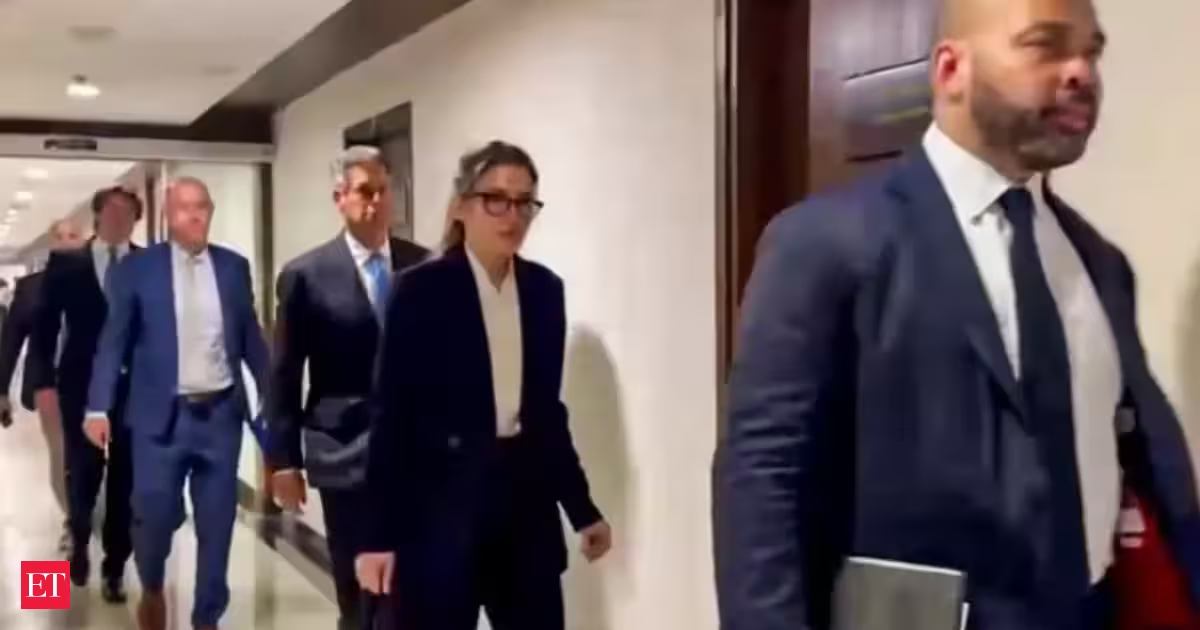
India is reportedly examining whether Meta complies with its obligations as an intermediary under Indian law or violates them as scrutiny of the social media giant's handling of deepfakes and other harmful content intensifies.According to PTI sources, the government has asked Meta to take specific measures on deepfakes, child sexual abuse material (CSAM) and unlabelled synthetically generated content, and will take a view on further legal action after reviewing the outcome of its meetings with the company.If Meta and other platforms decide what content is shown to users, it is akin to "publishing" and they must take responsibility for their actions.The Centre is also likely to call other social media platforms as it examines whether they meet the definition of "intermediaries" under Indian law, the report added.Also Read: Govt-Meta meeting enters technical round on day 3; company lists ways to curb deepfakes, CSAMThe development follows three days of meetings between government officials and Meta's global team, led by global affairs head Joel Kaplan. While the first two days involved intensive questioning, Friday's discussions focused on the technical measures Meta proposes to address the government's concerns.Meta explained how its systems work and outlined solutions to tackle deepfakes, CSAM, bot accounts and other harmful content. The government has asked the company to implement specific measures and report back on their outcomes, with officials set to regularly follow up.A key concern is the continued circulation and virality of AI-generated harmful content even after it has been flagged. The government has also questioned why unlabelled AI-generated videos remain visible despite IT rules requiring synthetically generated content to be identified and labelled.Officials have asked Meta to strengthen human oversight of content moderation and improve its understanding of Indian languages and local nuances, sources told PTI. Another meeting is expected next week.The government has maintained that its objective is not censorship but ensuring platforms comply with Indian law.The scrutiny intensified after Facebook temporarily restricted a post by Prime Minister Narendra Modi, later restoring it and attributing the removal to an error by its AI-powered automated filters. Meta apologised over the incident.The government has since questioned Meta on deepfakes, CSAM, bot accounts, algorithmic bias, safeguards for prominent accounts and its content recommendation systems.Also Read: Meta apology victory for India's laws, Constitution and Parliament: DubeyVaishnaw had also asked Meta whether it accepted payments to promote content that could potentially trigger public disorder, according to government sources. Officials cited Section 79 of the Information Technology Act, under which failure to meet intermediary obligations can put a platform's safe harbour protection at risk.The government had last month issued a notice to Meta over alleged CSAM appearing in paid advertisements on Instagram.A Parliamentary Standing Committee had separately sought an apology from Meta CEO Mark Zuckerberg over the temporary removal of Modi's Facebook post, warning that the protection and immunity available to the platform could be withdrawn if an apology was not forthcoming.The government will now assess Meta's response and compliance before deciding on further action, the sources told PTI.
India weighs if Meta violates intermediary rules, may call other platforms
Indian government officials are examining Meta's intermediary obligations concerning harmful content. Specific measures for deepfakes and child abuse material were requested from the company. Discussions focused on technical solutions and Meta's proposed content moderation improvements. The government seeks compliance with IT rules for synthetically generated content.
498 words~2 min read