HomeAI · summaries
Storia in 16 fonti
ICE body cameras arrive but policy allows agency to hide footage from public
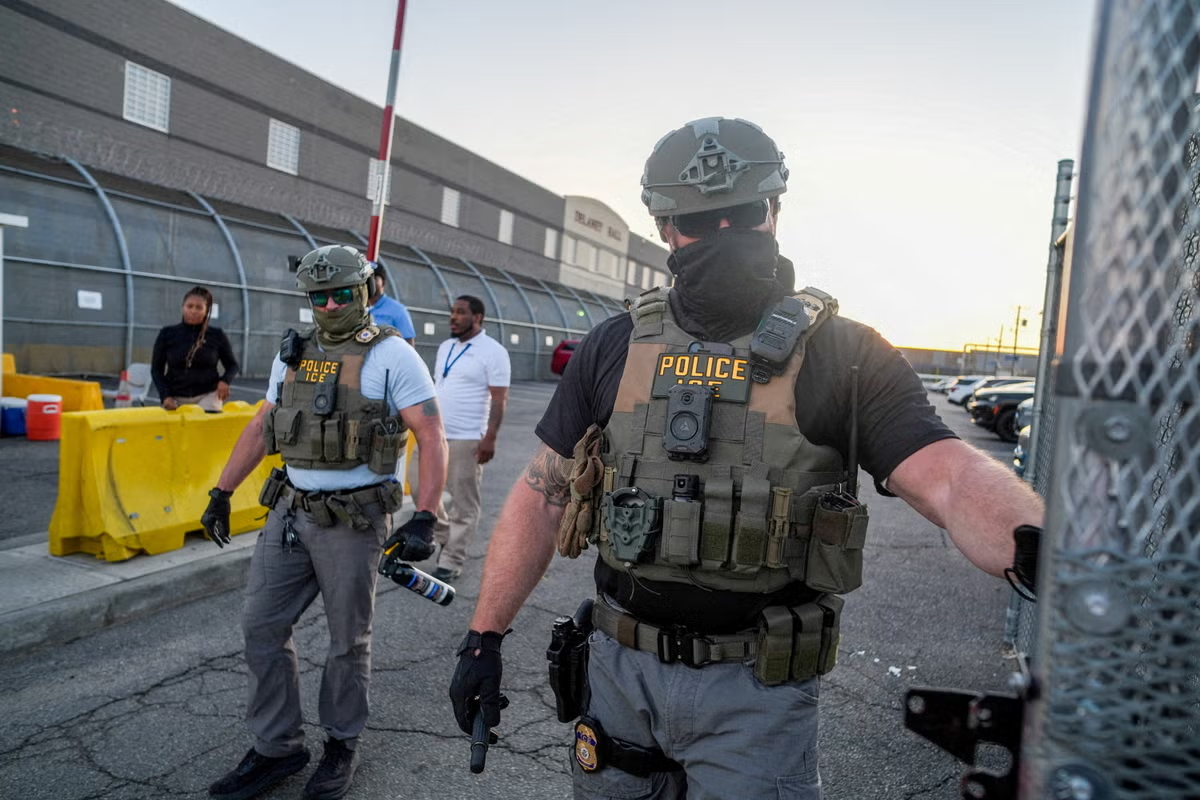
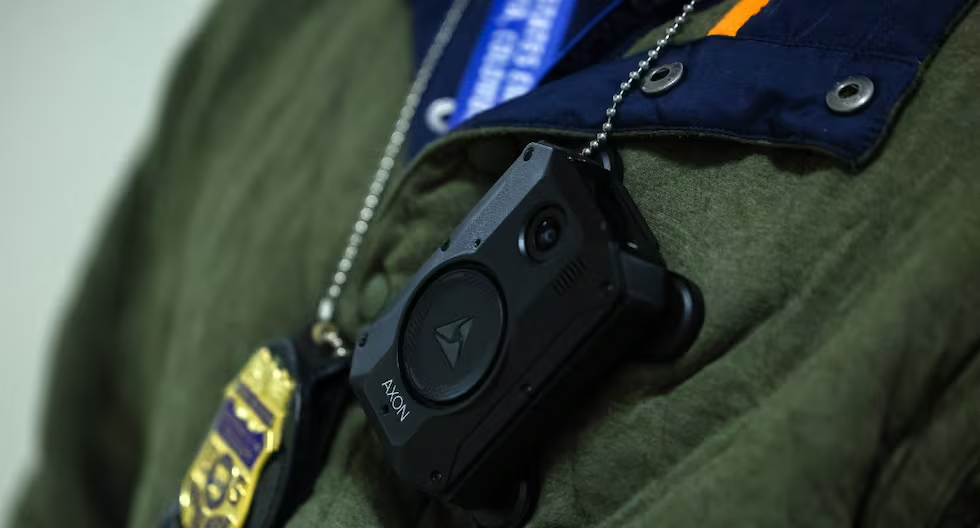
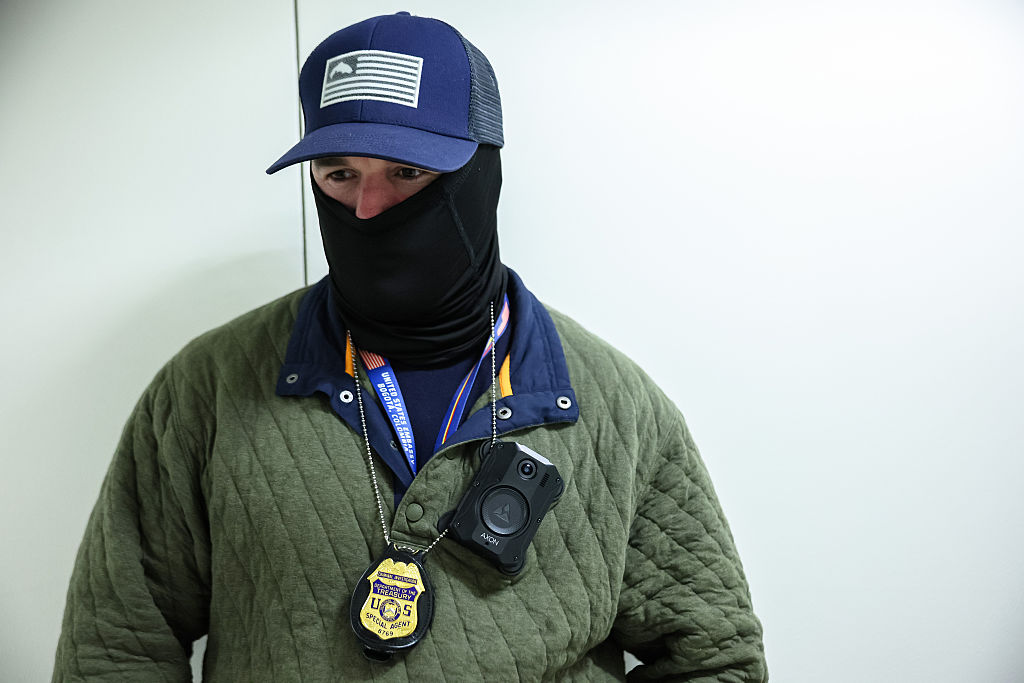
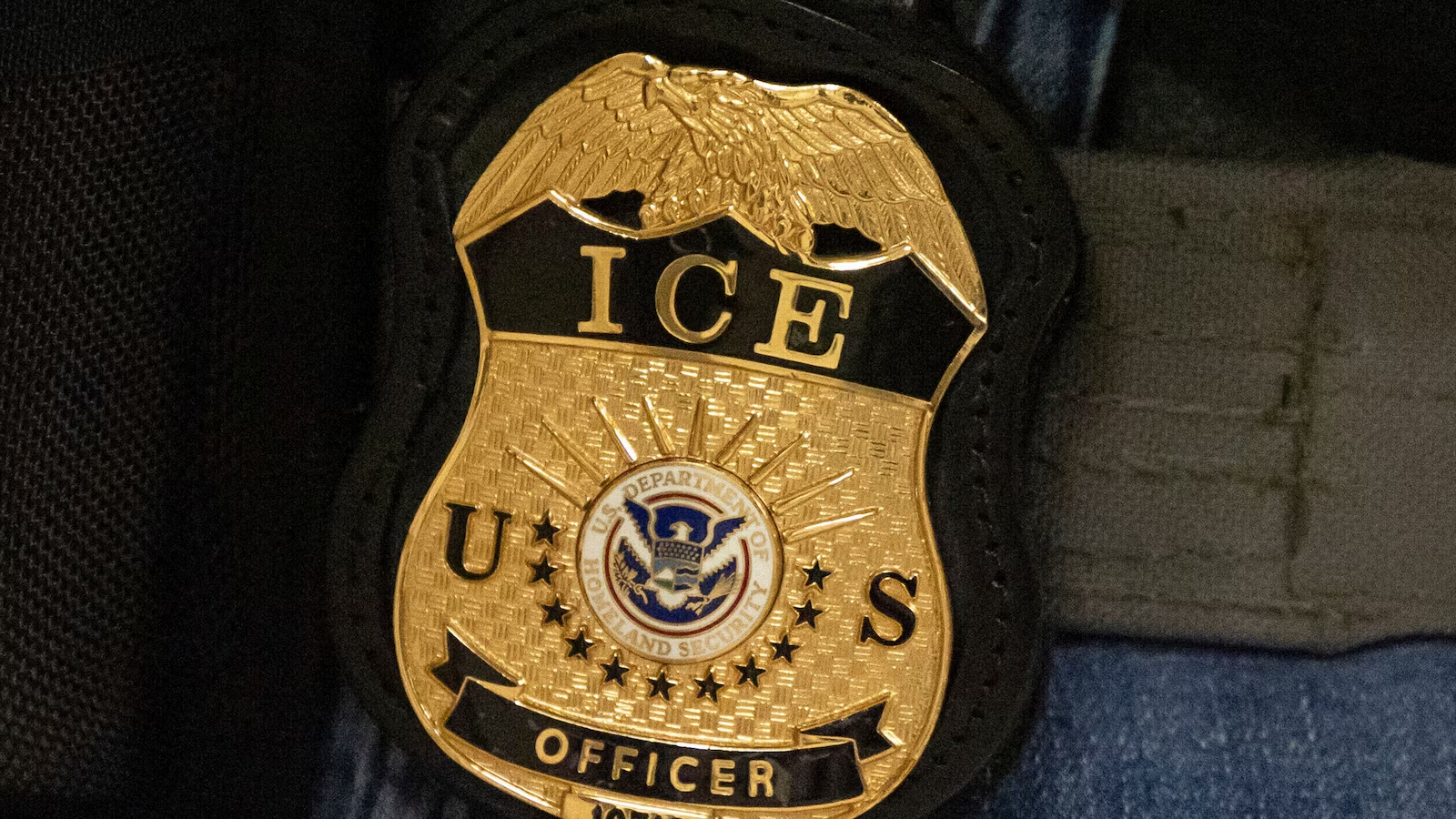
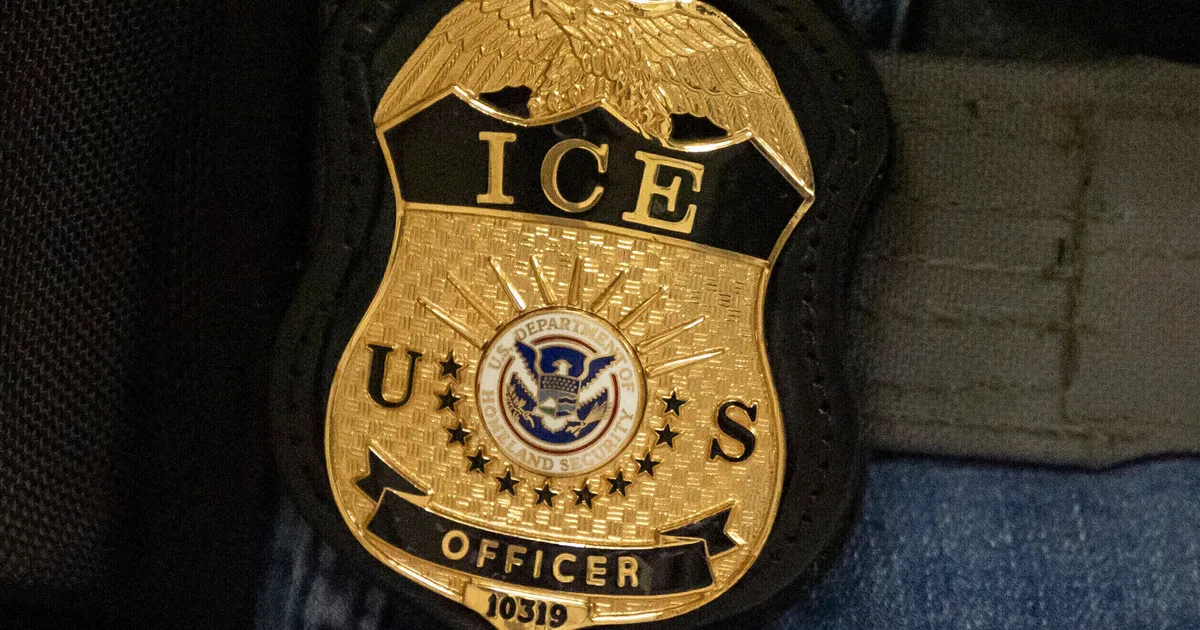
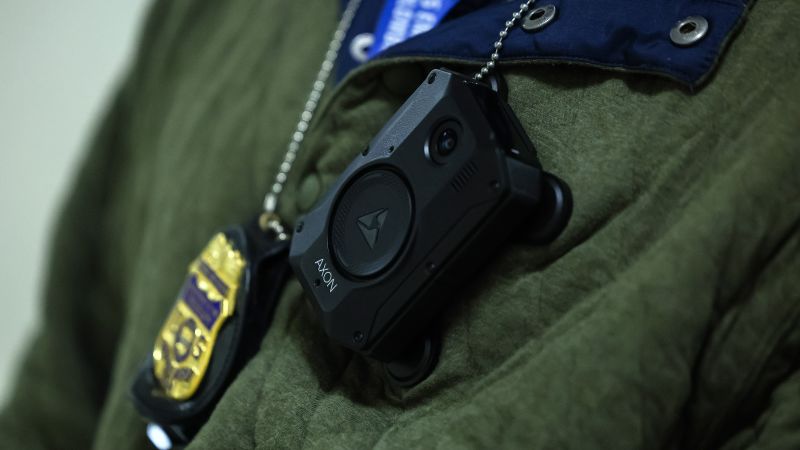
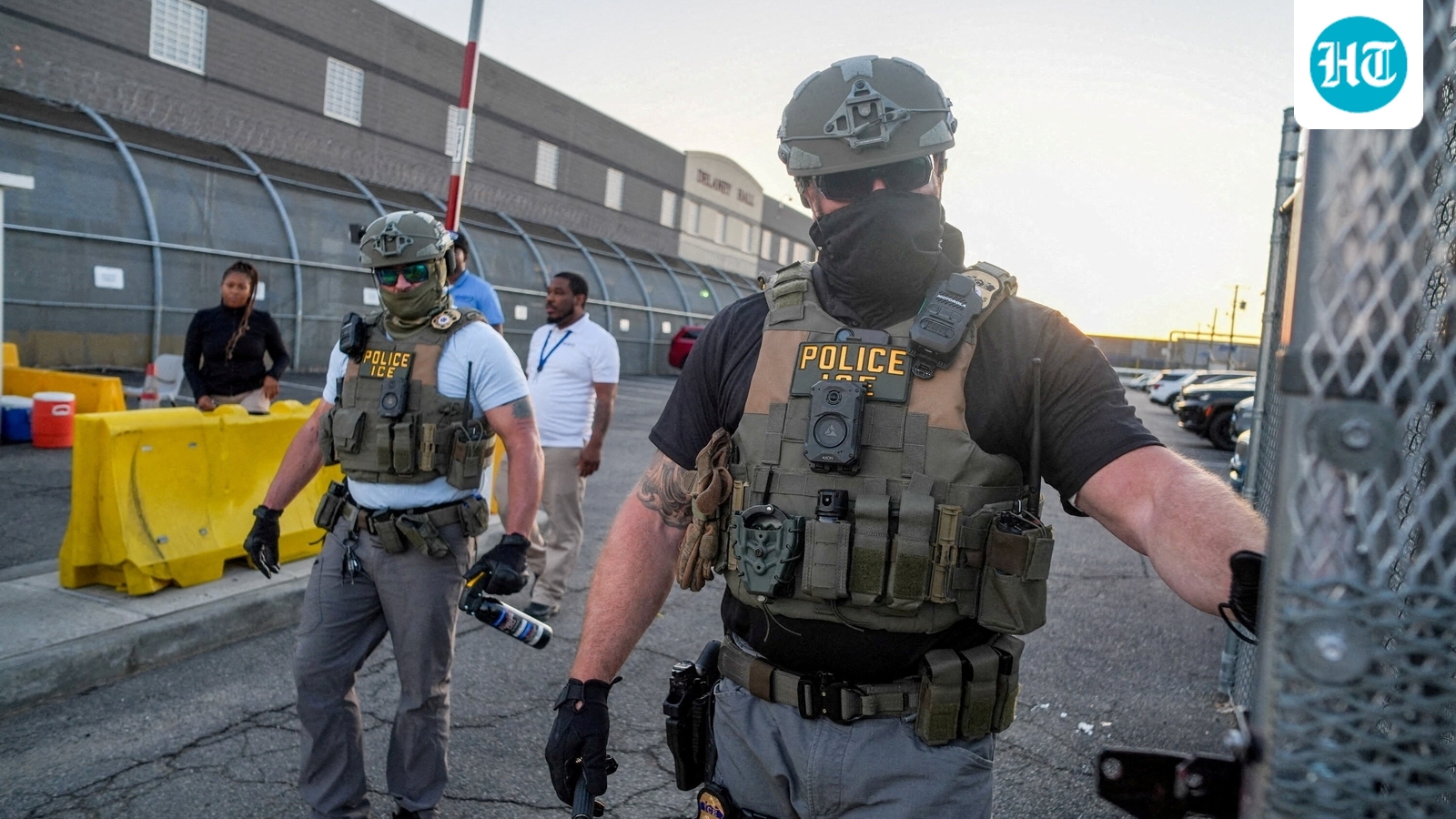
Jump to contentThank you for registeringPlease refresh the page or navigate to another page on the site to be automatically logged inPlease refresh your browser to be logged inAllNewsSportCultureLifestyleImmigration and Customs Enforcement (ICE) agents walk to close a gate outside of Delaney Hall detention center, after a Salvadoran immigrant, Edwin Lopez-Cornejo, who was being held inside died (Reuters)Immigration and Customs Enforcement (ICE) is set to equip its officers with body cameras nationwide, with the rollout expected to conclude by the end of September. The agency's policy grants leadership extensive control over the public release of footage, stating that releases must be in ICE's 'best interests' and allowing the director to block or indefinitely delay disclosures. Officers are mandated to activate cameras during routine enforcement activities, including arrests and search warrants, but the policy requires redacting identifying features to protect officer privacy. This $30.9 million purchase of body-worn camera equipment follows years of delays, heightened scrutiny, and recent fatal officer-involved shootings that were not recorded. While supporters argue the cameras provide transparency and often exonerate officers, critics contend the policy creates an image-management tool that allows for selective disclosures rather than true public accountability. In fullTaxpayers foot $30M bill for ICE body cams—but you might never see the videoMore bulletinsThank you for registeringPlease refresh the page or navigate to another page on the site to be automatically logged inPlease refresh your browser to be logged in
Confronto fonti
6 prospettive sulla stessa storiaTimeline cronologica
- ·
abcnews.com
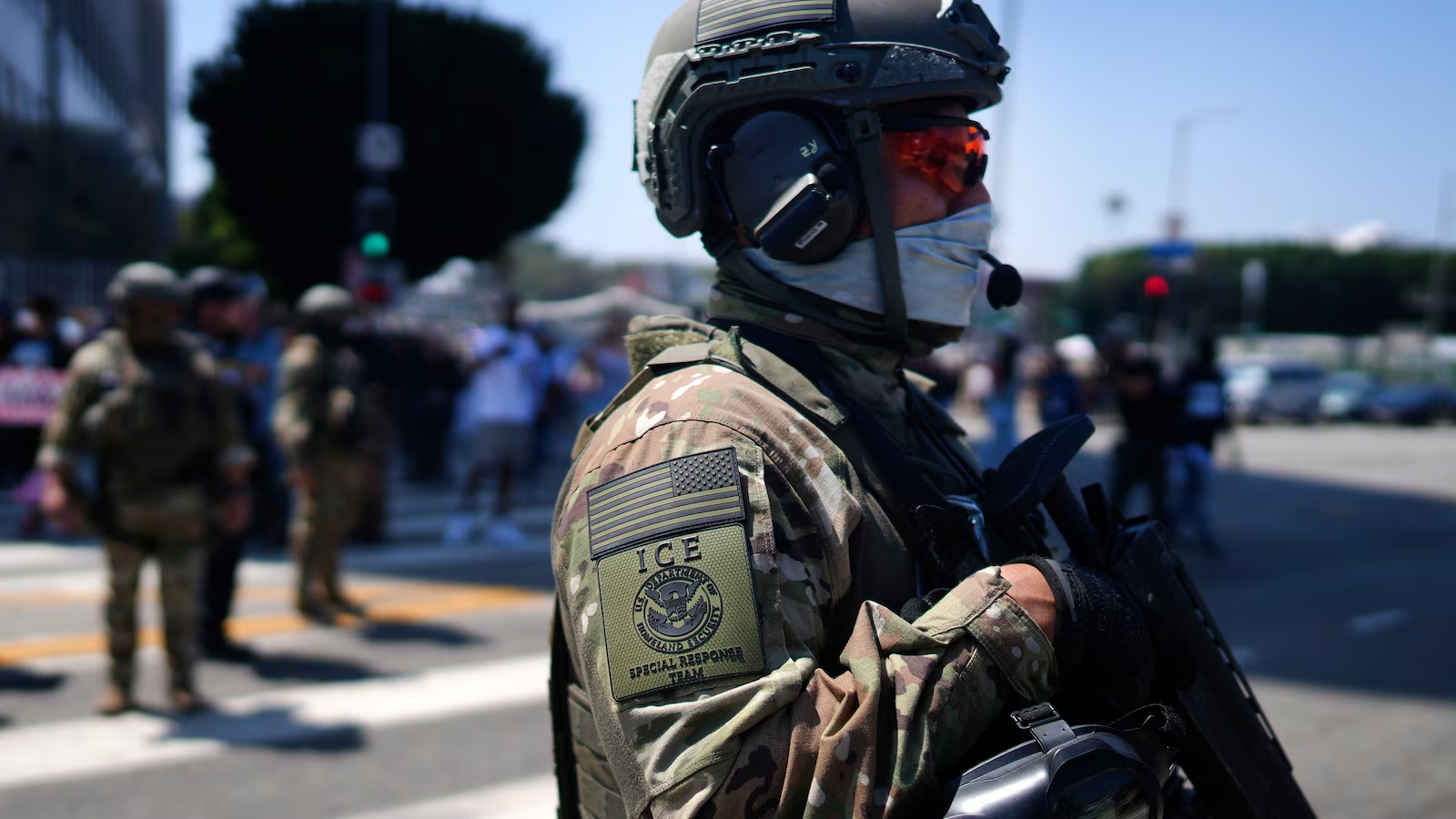
ICE will release body camera video only when in the agency’s ‘best interests’: policy
Immigration and Customs Enforcement is moving to equip officers with body cameras in the next two months but the public should not expect to quickly see footage of every critical…
- ·
thestar.com
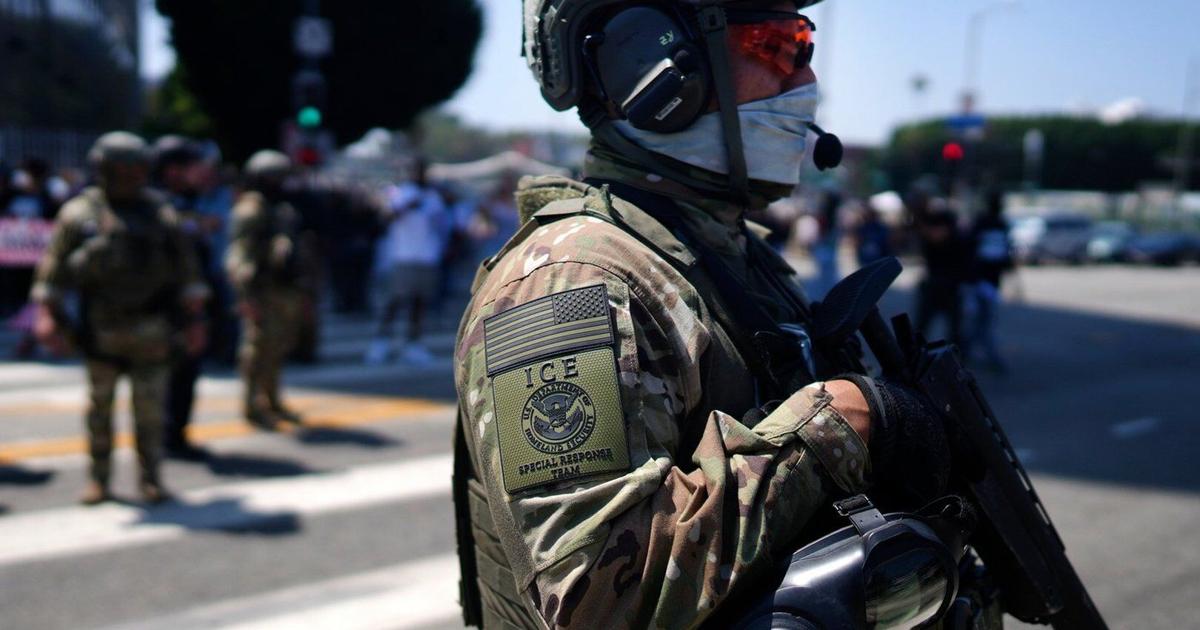
ICE will release body camera video only when seen in the agency’s ‘best interests,’ policy says
Immigration and Customs Enforcement is moving to equip officers with body cameras in the next two months but the agency's policy gives it broad control over what footage will be