HomeAI · summaries
Storia in 7 fonti
Kenya investigates suspected cyanide poisoning after 15 elephants die
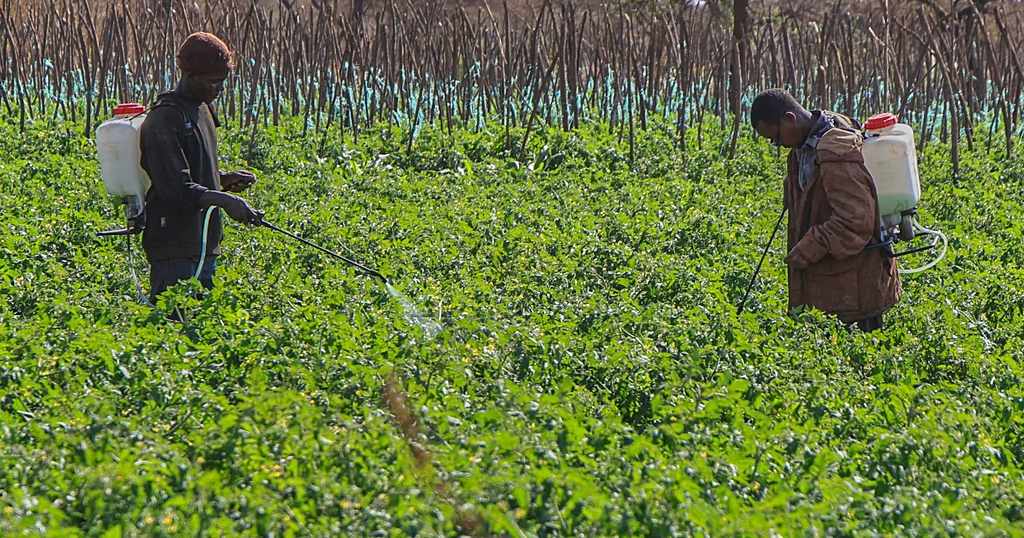
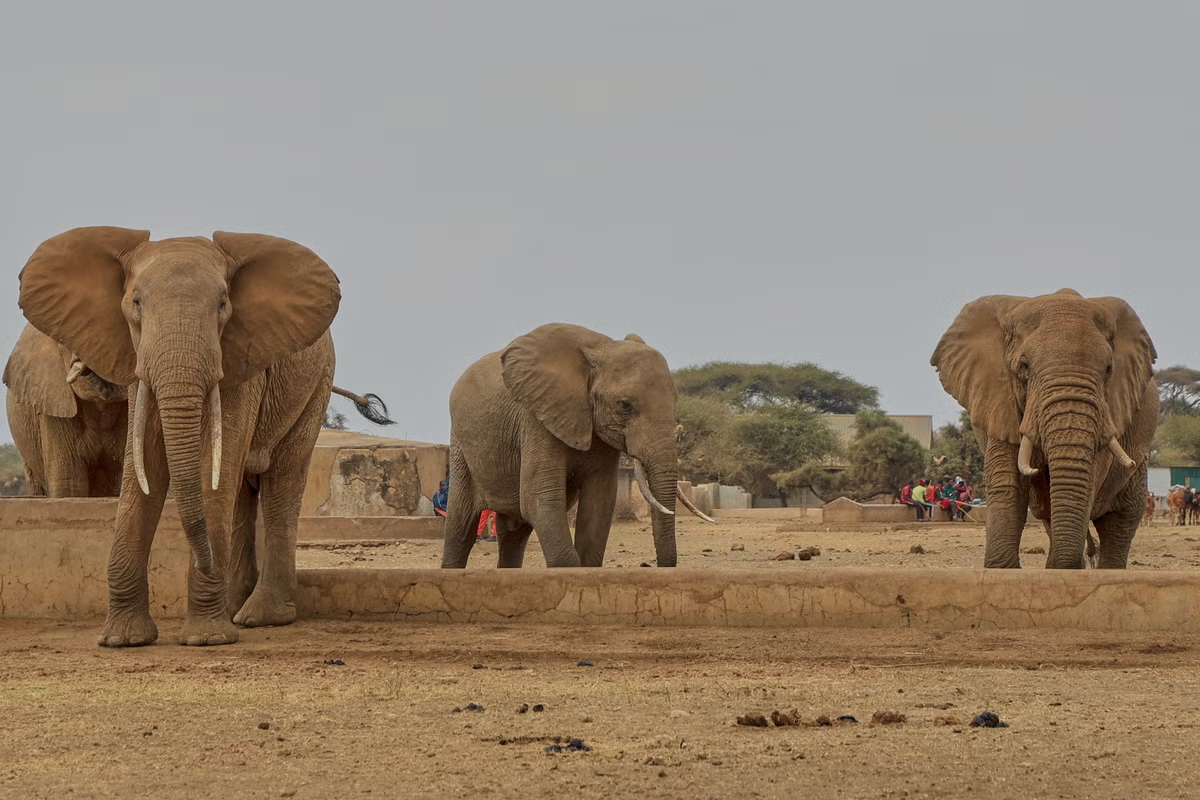
Jump to contentThank you for registeringPlease refresh the page or navigate to another page on the site to be automatically logged inPlease refresh your browser to be logged inAllNewsSportCultureLifestyleElephants gather at a waterhole in the Kitenden village, on the outskirts of Amboseli National Park, Kenya (AP)Fifteen elephants have died in Kenya's Amboseli National Park from suspected cyanide poisoning after consuming tomatoes from nearby farms. The Kenya Wildlife Service is investigating the source of the cyanide, with preliminary tests confirming its presence and post-mortem examinations finding tomatoes in the elephants' stomachs. Local farmers in the Kimana area, bordering Amboseli, dispute claims that their produce is responsible, stating they have never encountered cyanide among regulated agricultural chemicals. The deaths highlight escalating human-wildlife conflict in the region due to expanding agricultural activities, despite farmers coexisting with elephants and suffering significant crop losses without compensation. The International Fund for Animal Welfare (IFAW) has called for an urgent investigation and the implementation of coexistence solutions, emphasising the need for strict control of toxic substances. In fullMystery as fifteen elephants drop dead after eating tomatoes from nearby farmsMore bulletinsThank you for registeringPlease refresh the page or navigate to another page on the site to be automatically logged inPlease refresh your browser to be logged in
Confronto fonti
6 prospettive sulla stessa storiaTimeline cronologica
- ·
africanews.com

Kenya: Recent elephant deaths thought to be linked to pesticides | Africanews
There’s concern among Kenyans, following the news that the recent deaths of more than a dozen elephants may have been due to pesticides.
- ·
standardmedia.co.ke

Dead elephants are a public health warning
The recent deaths of 15 elephants in the Amboseli ecosystem raise urgent concerns about pesticide contamination, environmental governance, and food safety.