HomeAI · summaries
Storia in 7 fonti
Tiny vortices discovered on the sun’s surface
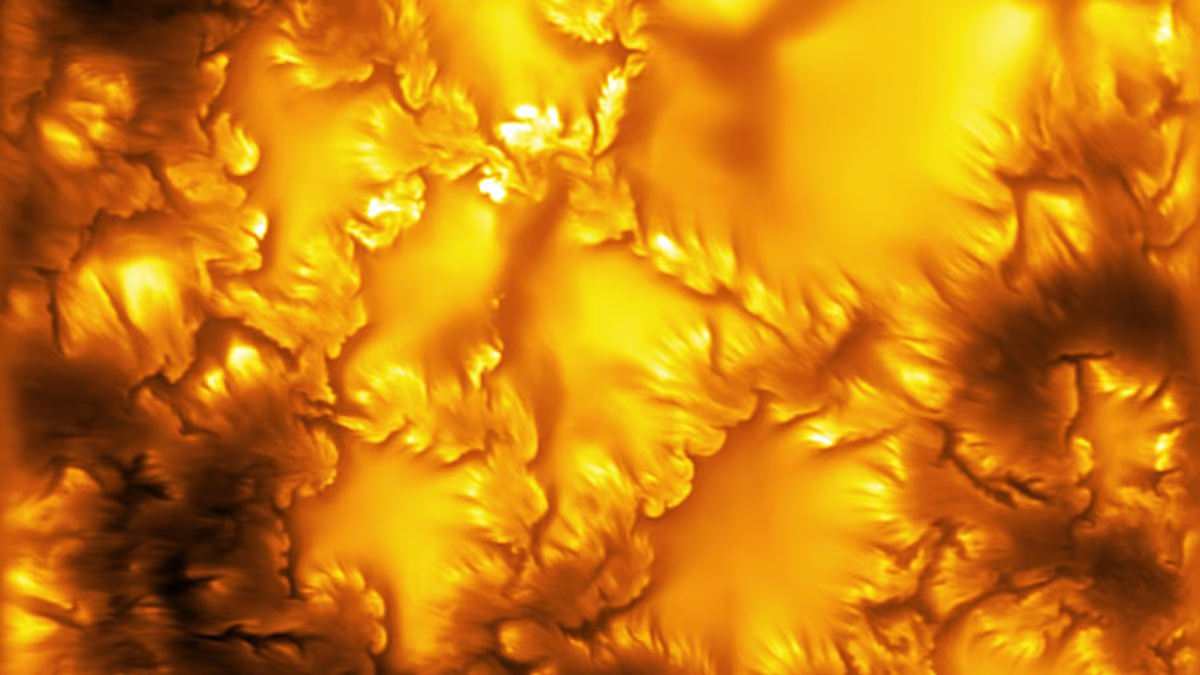
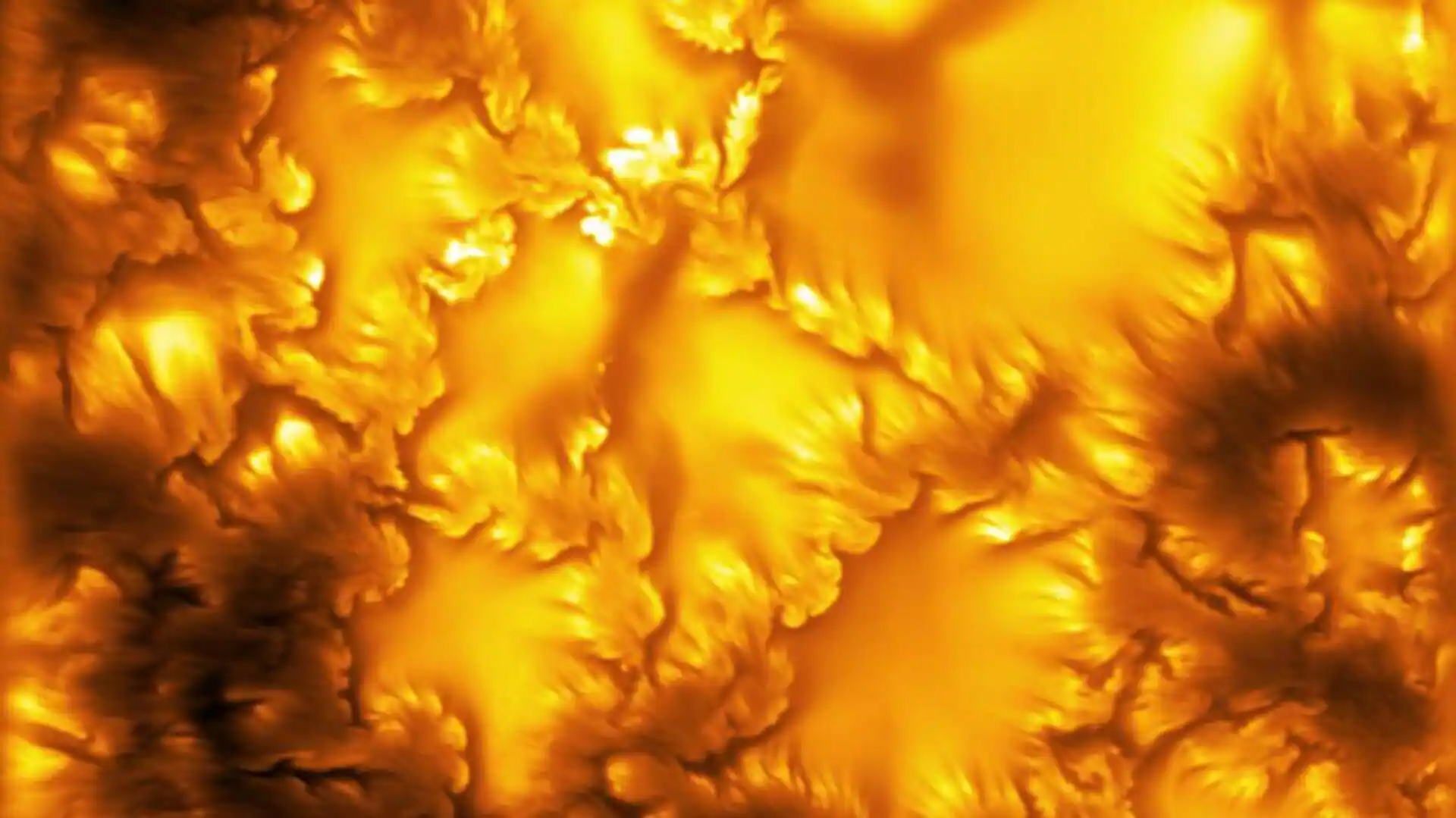
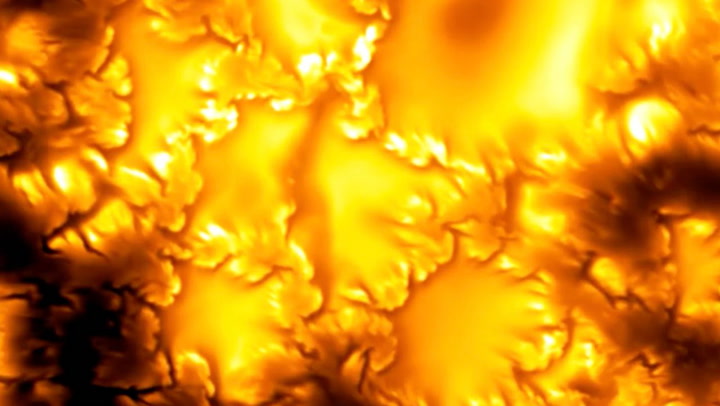
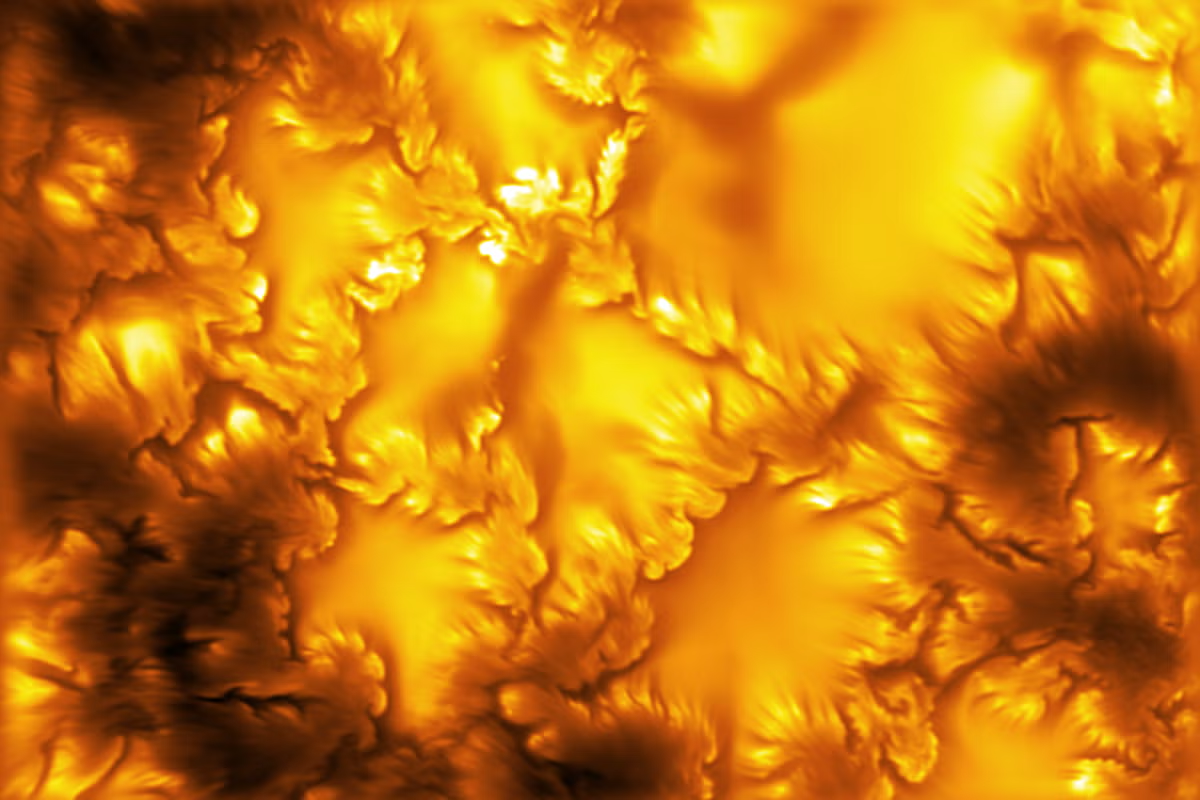
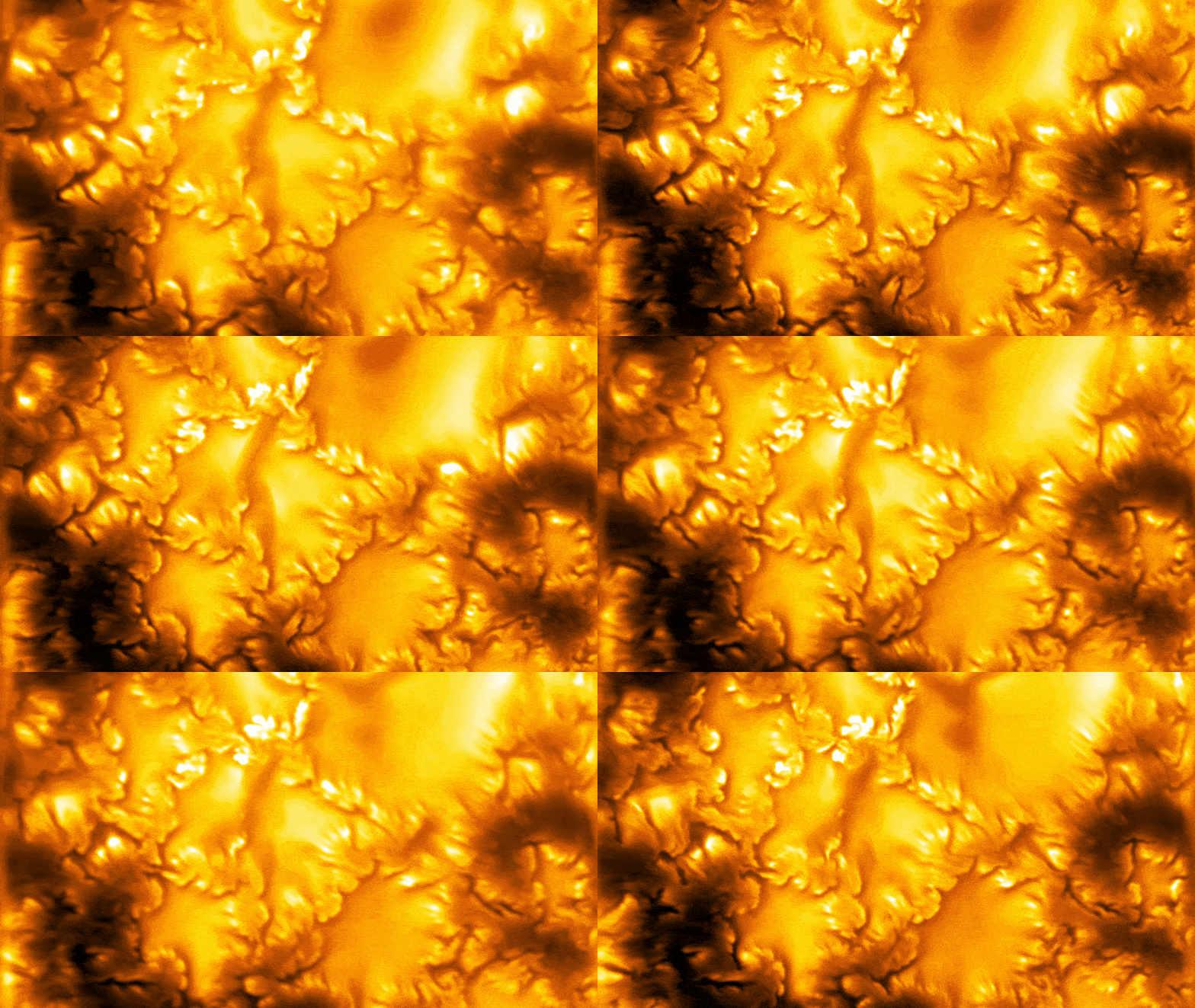
Images from the National Science Foundation (NSF) Daniel K. Inouye Solar Telescope and computer simulations reveal tiny vortices on the Sun’s surface that have never been seen before. The discovery is a major breakthrough. It may help us understand how energy builds up in the Sun’s magnetic field before being explosively released. Researchers from the NSF National Solar Observatory (U.S.), the Max Planck Institute for Solar System Research (Germany), and the High Altitude Observatory (U.S.) report their discovery in the journal Nature. The researchers interpret the vortices as signs of Kelvin-Helmholtz instabilities. This effect occurs where fluids flow past one another at different speeds.
Confronto fonti
6 prospettive sulla stessa storiaTimeline cronologica
- ·
sciencealert.com
'Simply Astonishing': Record-Breaking Images Reveal The Sun Is Teeming With Whirling Vortices
The visible surface of the Sun is defined by turmoil.
- ·
theguardian.com
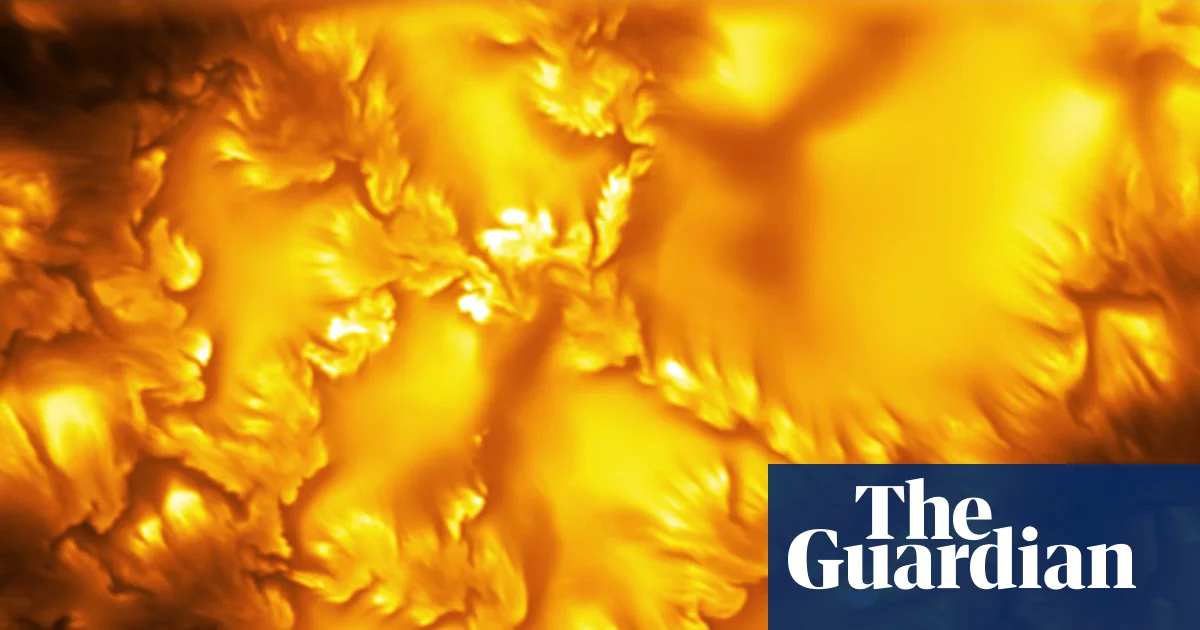
Unprecedented images may explain one of greatest mysteries of the sun
Highest-ever resolution pictures of our star could help show why its corona is millions of degrees hotter than its surface