If it's bad for Apple, it's much worse for other companies.
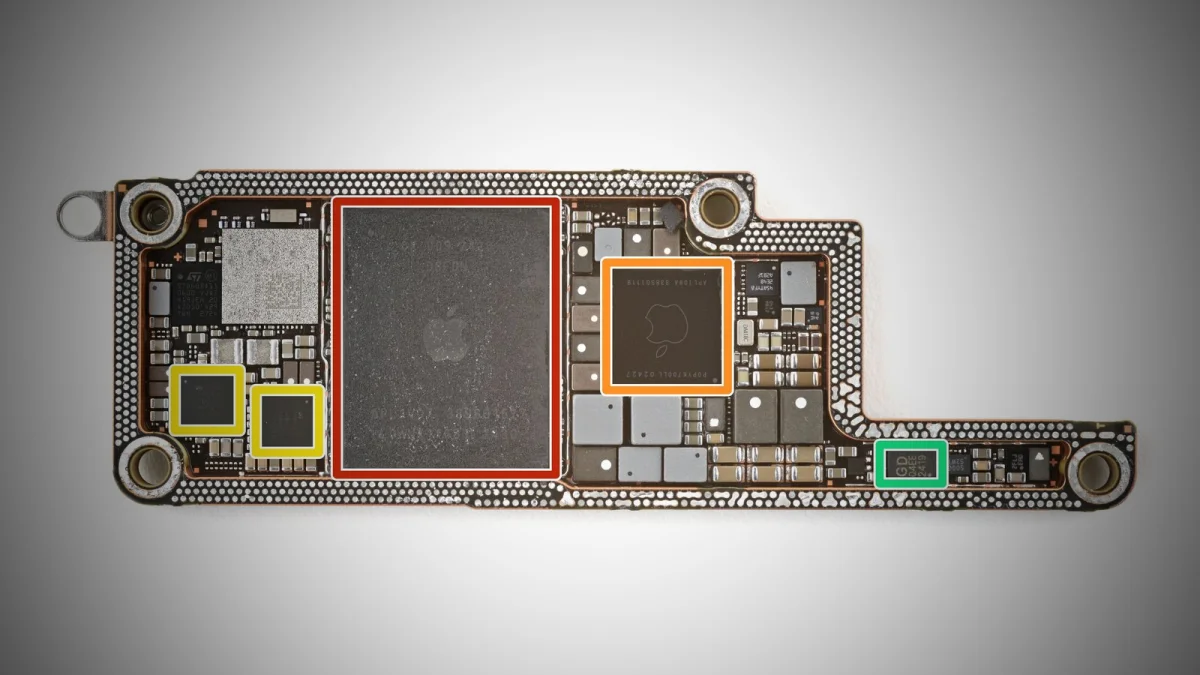
Supply constraints were driven mainly by a lack of advanced-node capacity for producing Apple’s systems-on-a-chip.
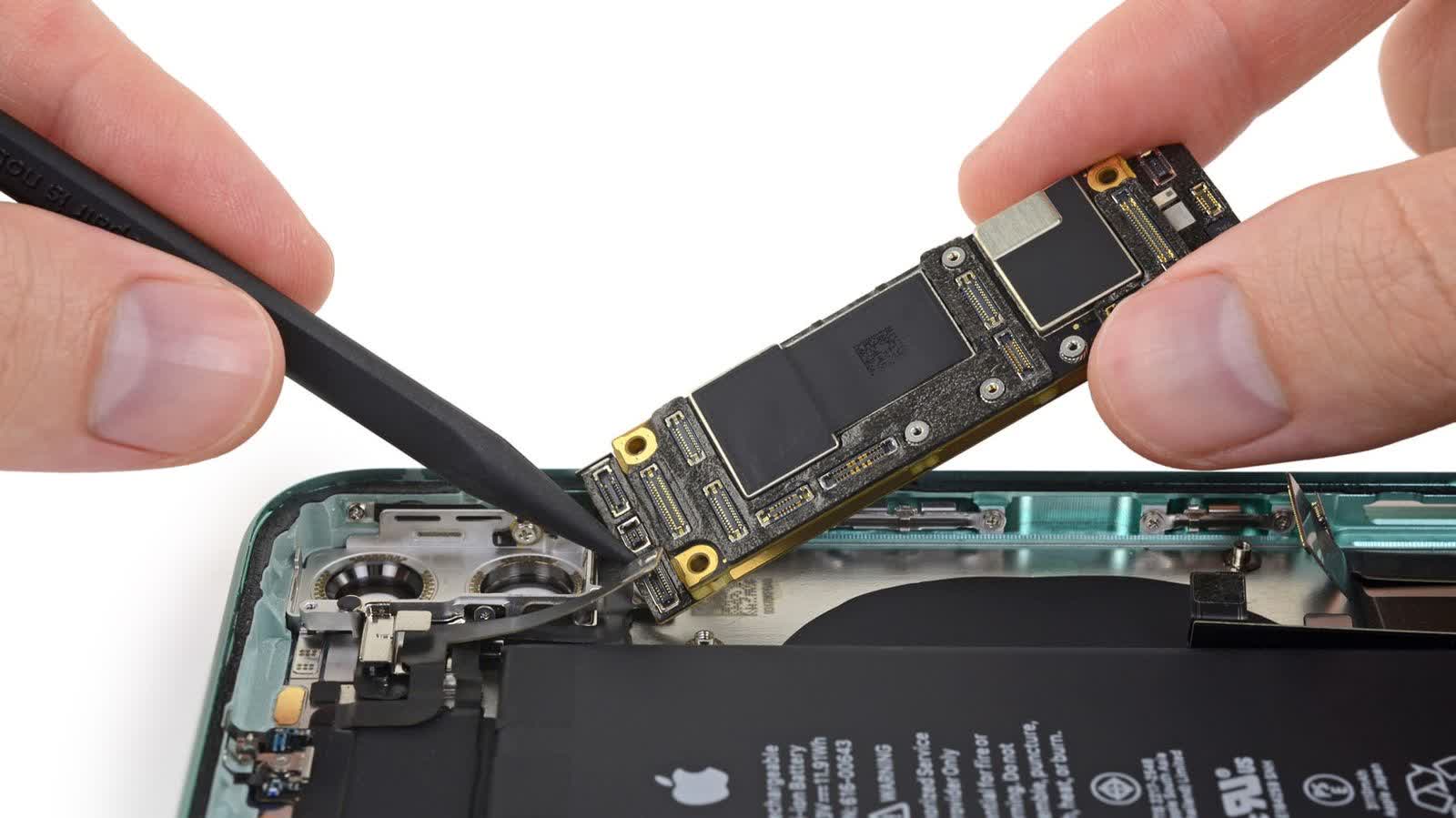
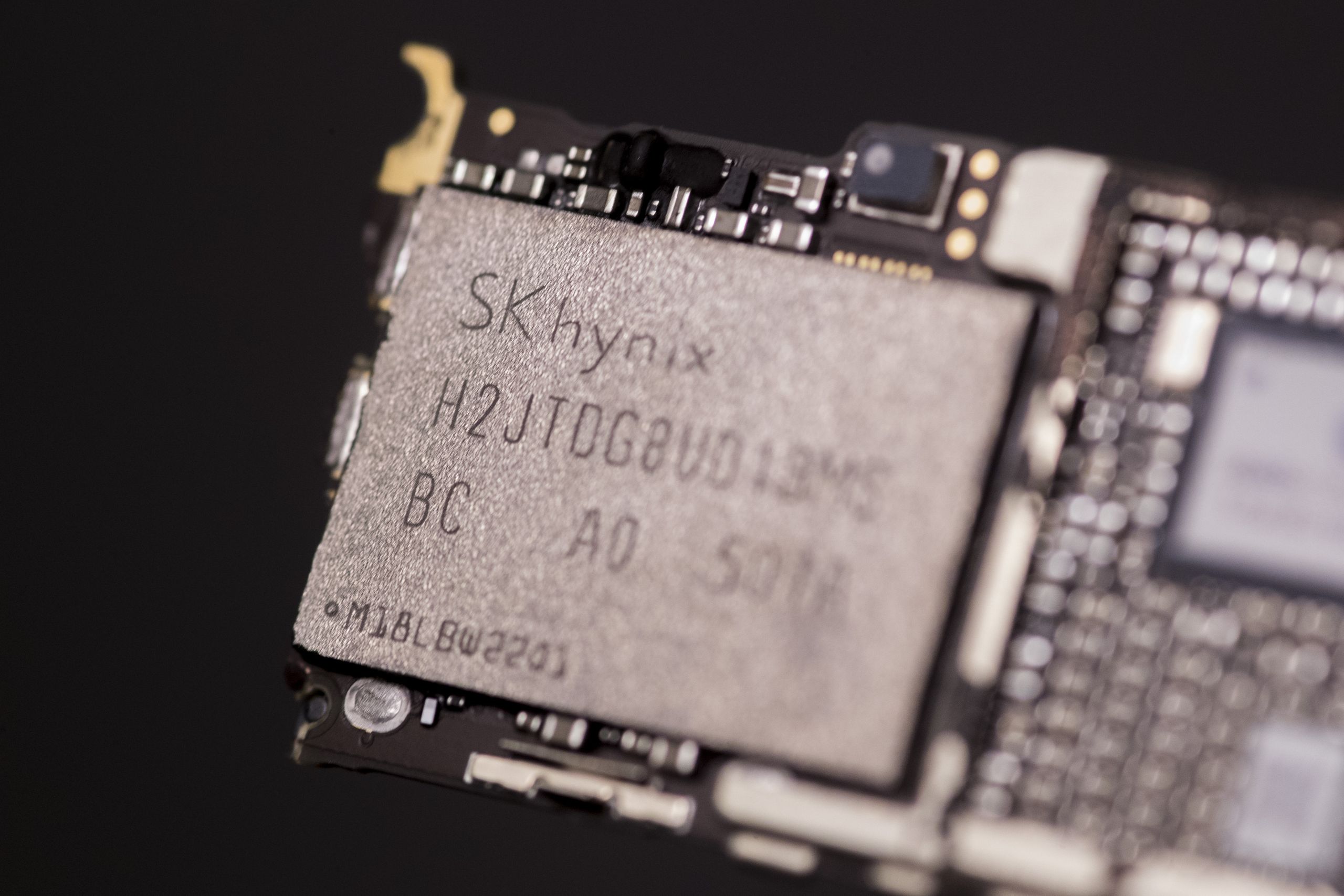
Apple stalled $1B in A20 Pro chips pending DRAM supply for iPhone 18, exposing memory as the critical manufacturing bottleneck. Tech leaders must recognize DRAM shortages as structural supply risk; this demands multi-vendor memory strategy to protect volume and margin predictability.
Apple warns memory costs rising through 2026 due to advanced-node constraints driven by AI demand and stronger-than-expected iPhone/Mac sales (+22%/+29%). For tech managers, extended DRAM scarcity signals multi-quarter capex pressure on device refresh budgets.
Apple failed to negotiate DRAM discounts from CXMT, which refused to undercut Samsung/SK Hynix, eliminating Apple's procurement leverage. AI server demand is starving consumer DRAM supply, eroding margins and forcing Apple to absorb costs or raise prices.
Apples Plan, mit CXMT einen weiteren RAM-Lieferanten zu finden, scheint zunächst gescheitert – auch aus wirtschaftlichen Gründen. Module fürs iPhone sind knapp.
TSMC's A20 Pro production on N2 runs smoothly, but DRAM shortage in WMCM packaging stalls assembly of $1B ready processors. Tight iPhone 18 Pro inventory at launch risks disrupting enterprise procurement timelines and requiring IT budget flexibility.
Apple's next iPhones are built around a new chip and packaging setup that pairs the A20 Pro processor with high-performance DRAM at the wafer level, and that...
Apple has the wafers ready to go. It's just waiting on DRAM like everyone else.
Apple sought cheaper DRAM from China's CXMT for upcoming iPhone 18 models. CXMT declined the discount request, offering similar prices to existing suppliers. This limits Apple's…