HomeAI · summaries
Storia in 13 fonti
U.S. AI is reportedly helping power China’s next generation of military tech
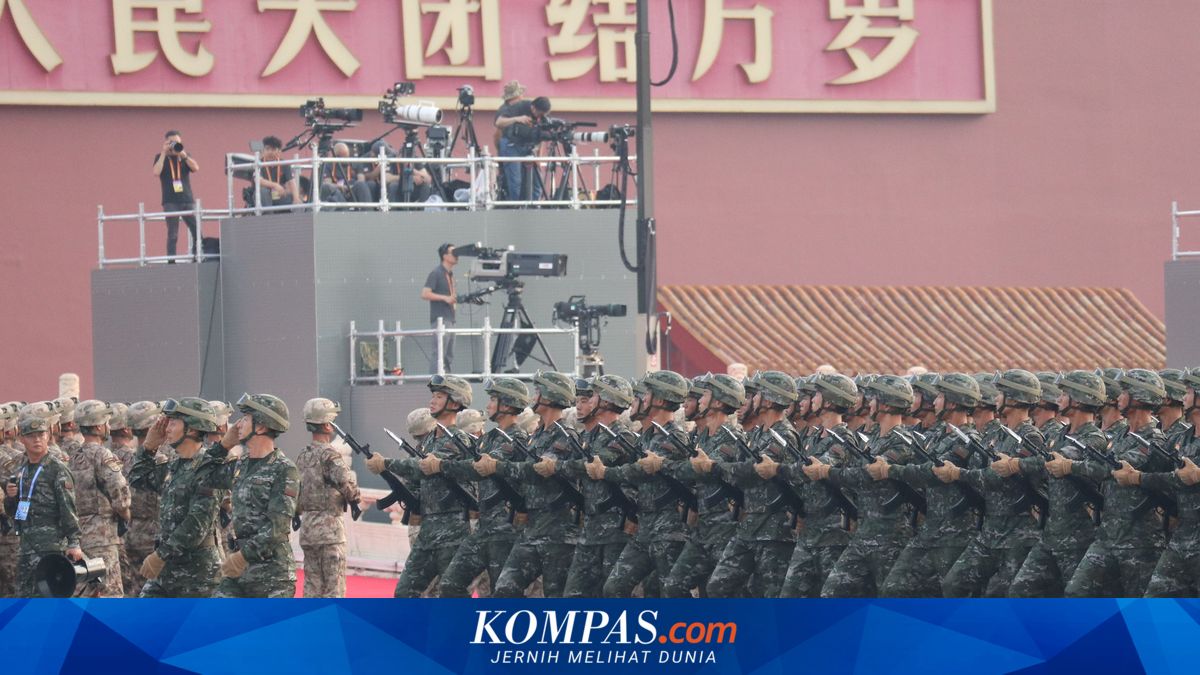
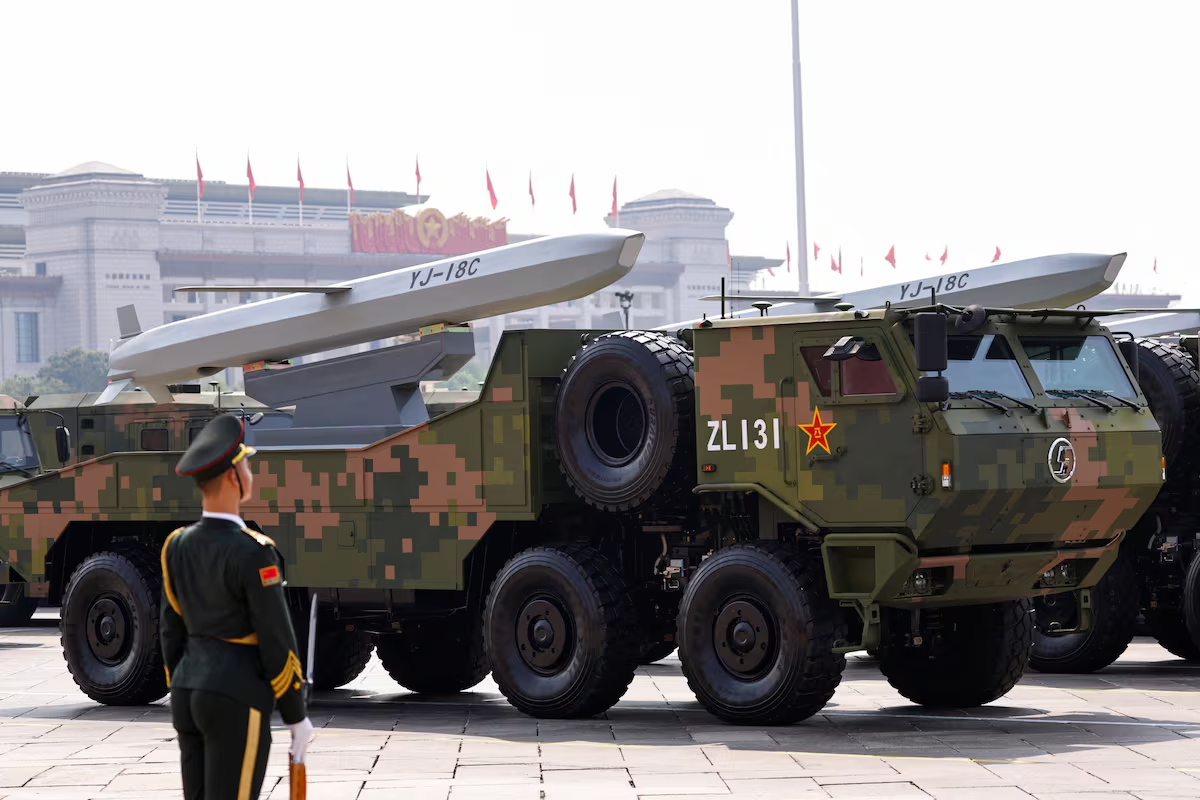
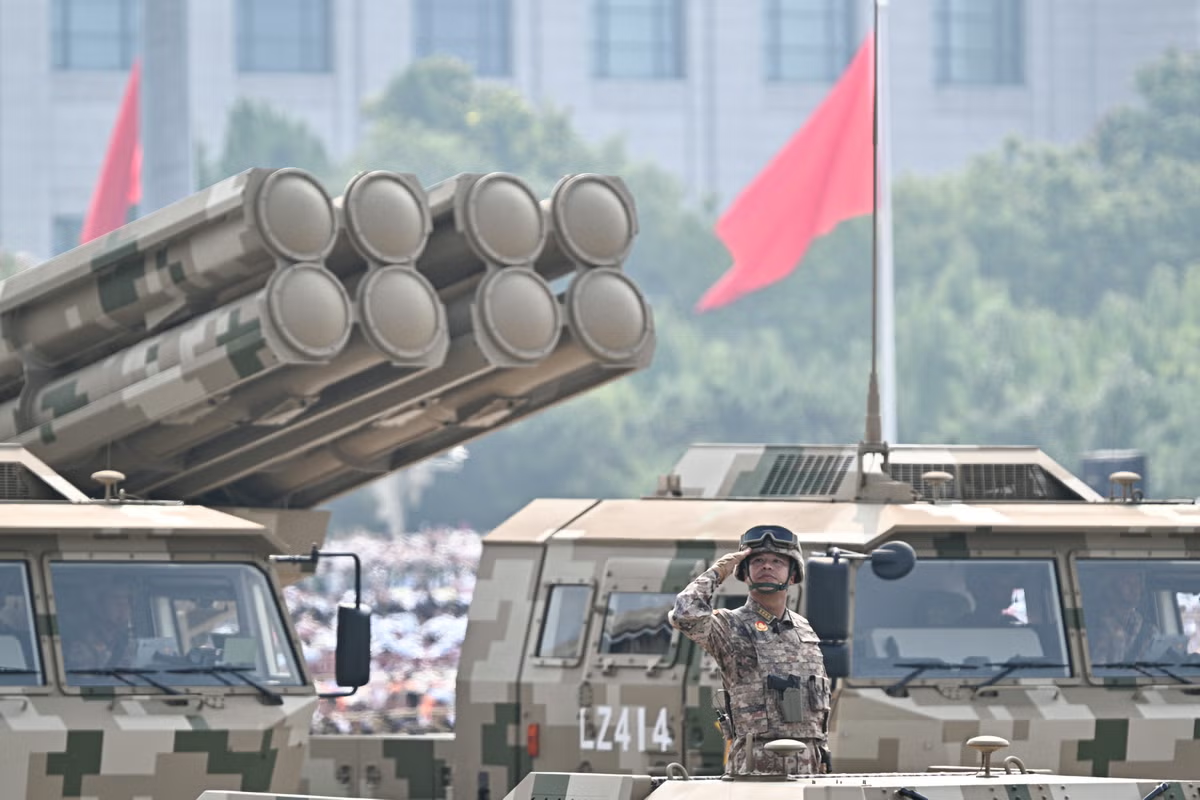
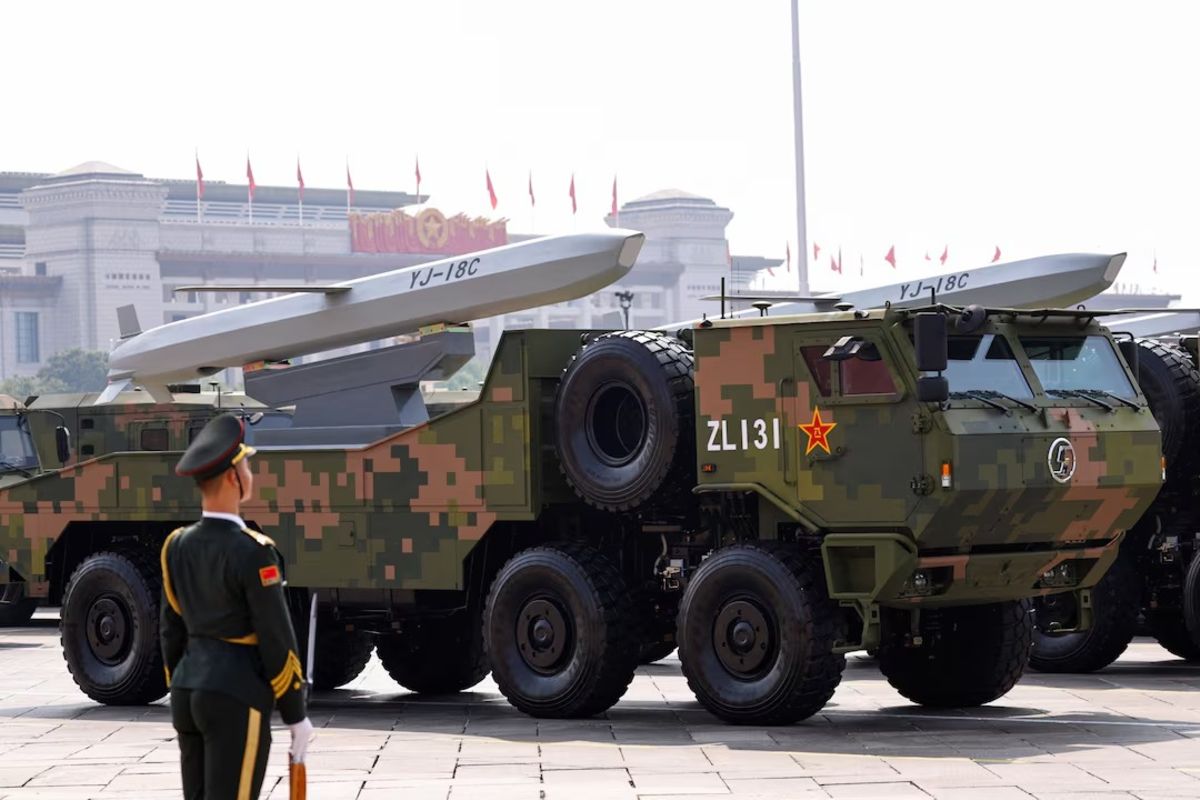
Jump to contentThank you for registeringPlease refresh the page or navigate to another page on the site to be automatically logged inPlease refresh your browser to be logged inAllNewsSportCultureLifestyleA Chinese military officer on a vehicle salutes during a military parade marking the 80th anniversary of victory over Japan and the end of World War II (AFP/Getty)Chinese military researchers are increasingly utilizing outputs from prominent U.S. artificial intelligence models, including those from OpenAI and Anthropic, to develop their own domestic AI systems. This method, known as 'model distillation', involves building smaller, more efficient AI systems by learning from powerful Western models, sparking national security concerns in Washington. A review of research papers by the Jamestown Foundation and Reuters indicates military-linked institutions are applying this technology for battlefield operations, surveillance, cyber capabilities and content monitoring. Specific instances include a Chinese military unit using OpenAI's GPT-3.5 for military software code analysis and researchers employing Anthropic's Claude AI for social media monitoring training data. China aims to narrow its AI gap with the U.S. and create 'lightweight' AI models for devices with limited computing power, such as drones and autonomous ships, despite U.S. chip export restrictions. In fullChina’s military tapped U.S. AI to build battlefield systems: reportMore bulletinsThank you for registeringPlease refresh the page or navigate to another page on the site to be automatically logged inPlease refresh your browser to be logged in
Confronto fonti
6 prospettive sulla stessa storiaTimeline cronologica
- ·
cnbc.com

China’s open-weight model lead exposes America’s AI blind spot
The future of AI may be dictated not by who builds the smartest model, but who builds the models everyone runs on. Right now, that's China.
- ·
thehindubusinessline.com
Chinese military researchers tap US AI models to train defence systems
Chinese military researchers have used outputs from leading U.S. artificial intelligence models developed by OpenAI and Anthropic to train domestic AI systems to advance China’s…