HomeAI · summaries
Storia in 3 fonti
Strait of Hormuz closure could lead to the spread of invasive species
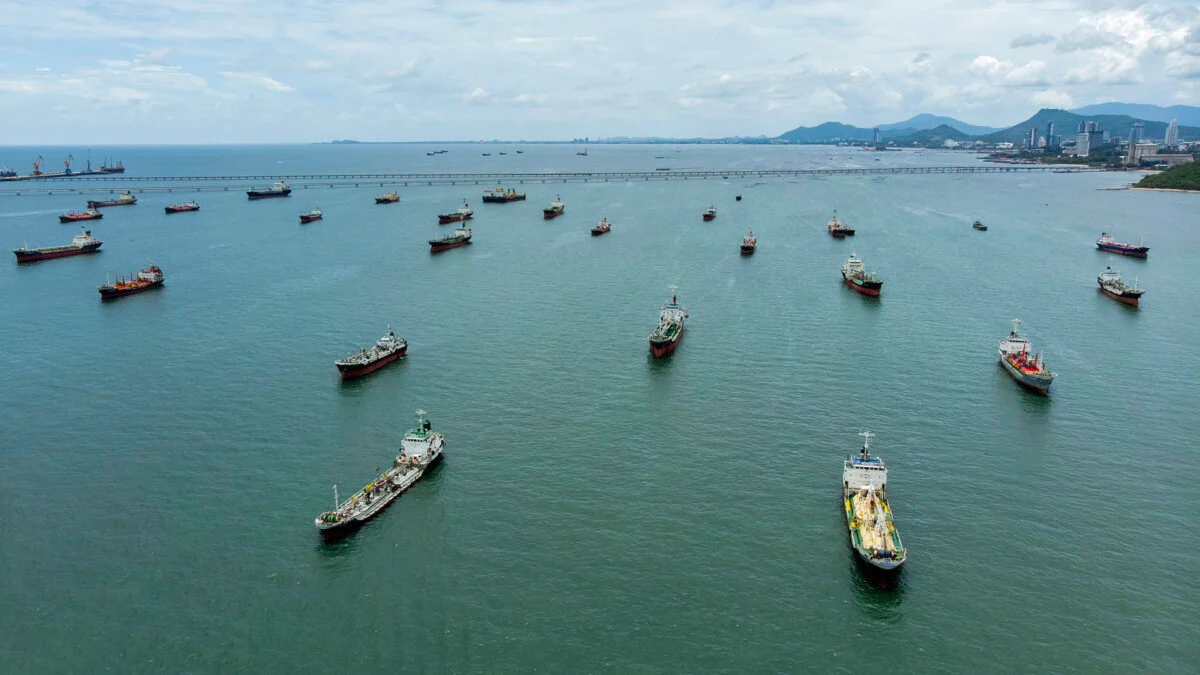
Jump to contentThank you for registeringPlease refresh the page or navigate to another page on the site to be automatically logged inPlease refresh your browser to be logged inAllNewsSportCultureLifestyleA new study warns that thousands of vessels stranded in the Persian Gulf could unintentionally trigger a massive spread of marine invasive species. The prolonged anchoring of over 1,500 ships, following the closure of the Strait of Hormuz, leads to “biofouling” – the accumulation of marine organisms like mussels and barnacles on their hulls. When these ships resume normal trade routes, the biofouling creatures may be transported globally, potentially causing an unprecedented “super-spreader” event for invasive species. Researchers highlight the significant ecological and economic damage these invasive species can cause, citing examples such as harmful algal blooms and the rapid reproduction of barnacles. Scientists are urging authorities to strengthen ship biofouling management and expand monitoring at high-risk ports to abate this extraordinary global biosecurity threat. In fullHormuz Strait closure could fuel unprecedented spread of invasive species in Gulf region, scientists warnMore bulletinsThank you for registeringPlease refresh the page or navigate to another page on the site to be automatically logged inPlease refresh your browser to be logged in
Confronto fonti
3 prospettive sulla stessa storiaTimeline cronologica
- ·
theguardian.com
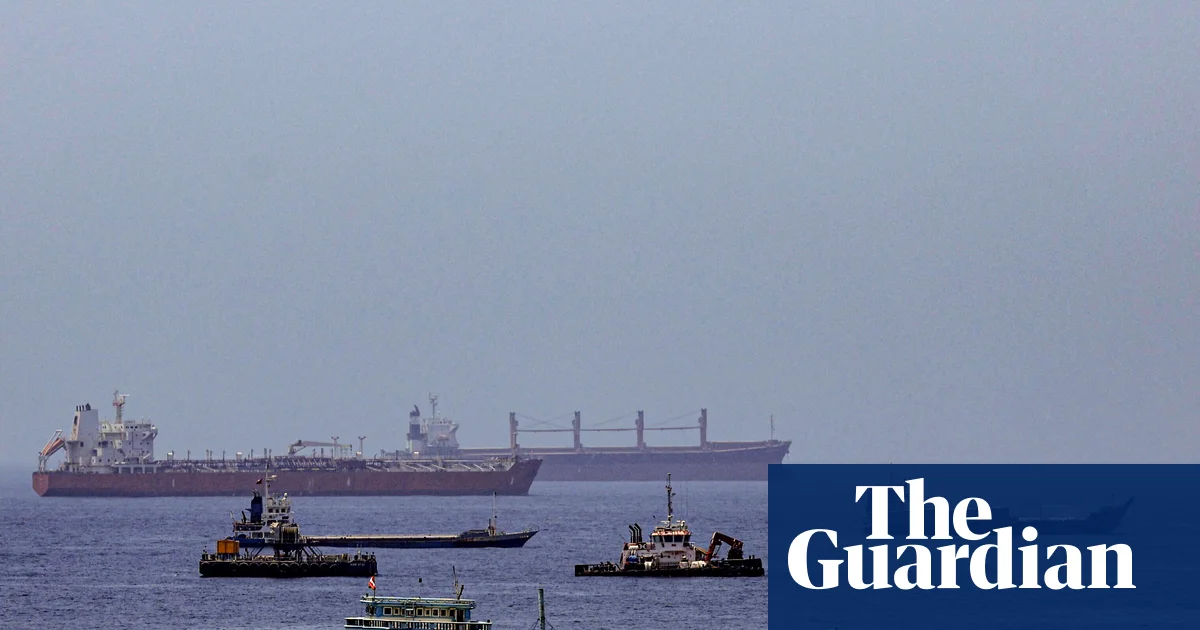
Ships stuck in strait of Hormuz pose ‘super-spreader’ biodiversity threat, scientists warn
Biologists say cargo ships stranded in Gulf may carry highly potent invasive species around the world as trade resumes
- ·
independent.co.uk
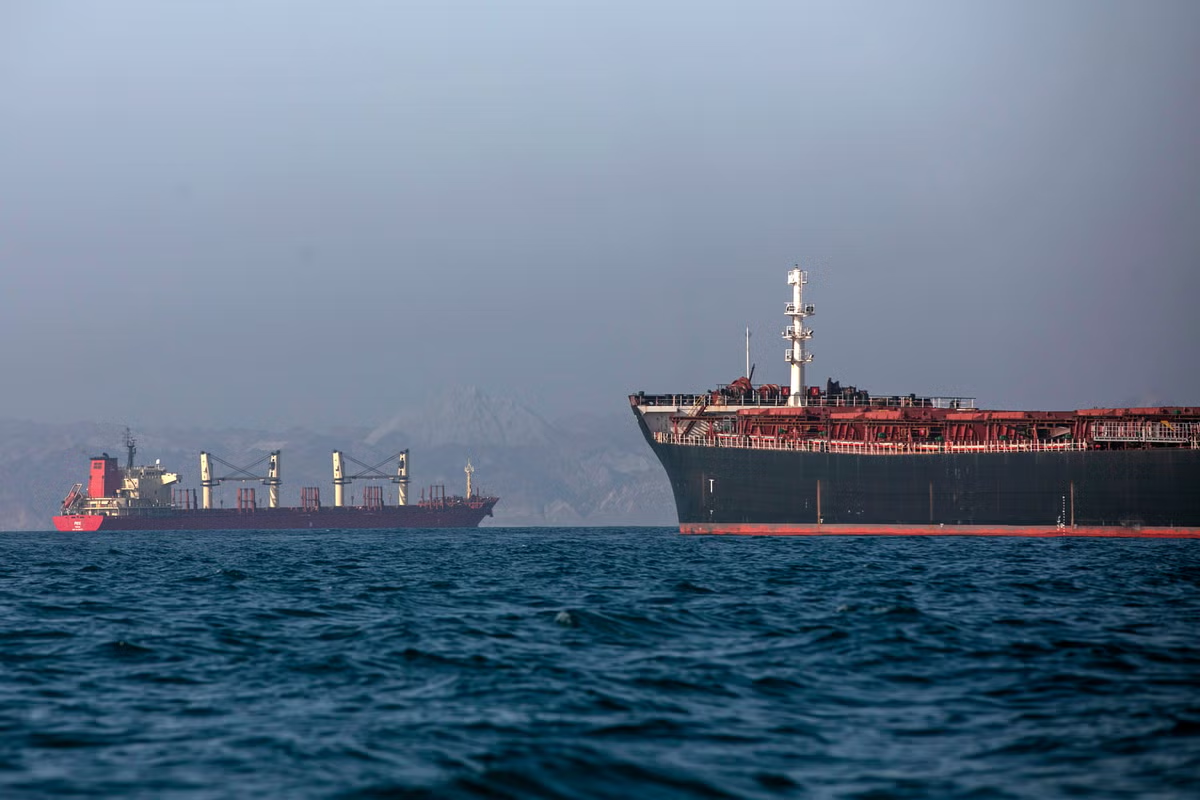
Hormuz Strait closure could fuel spread of invasive species in Gulf, scientists warn
Such organisms may act as ‘reservoirs and vectors’ for marine parasites and pathogens, study warns