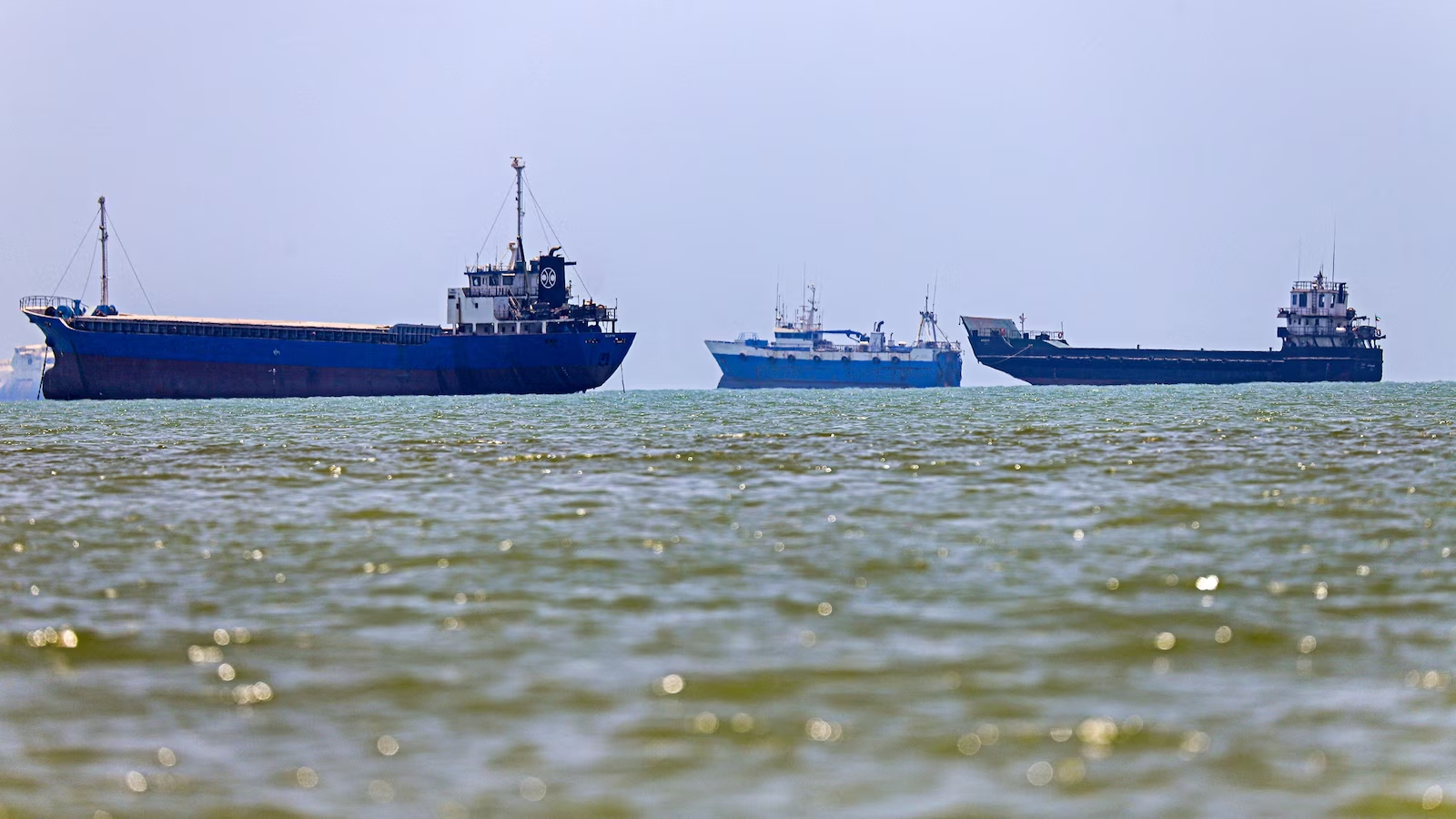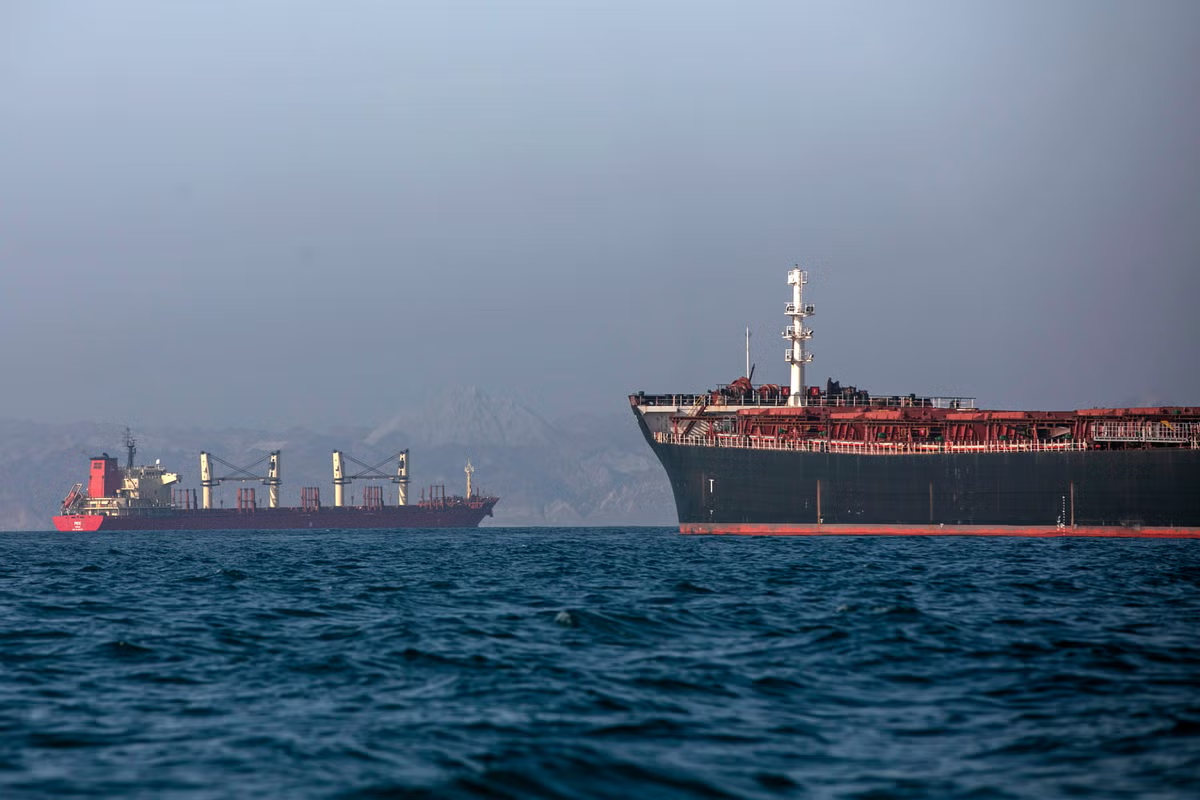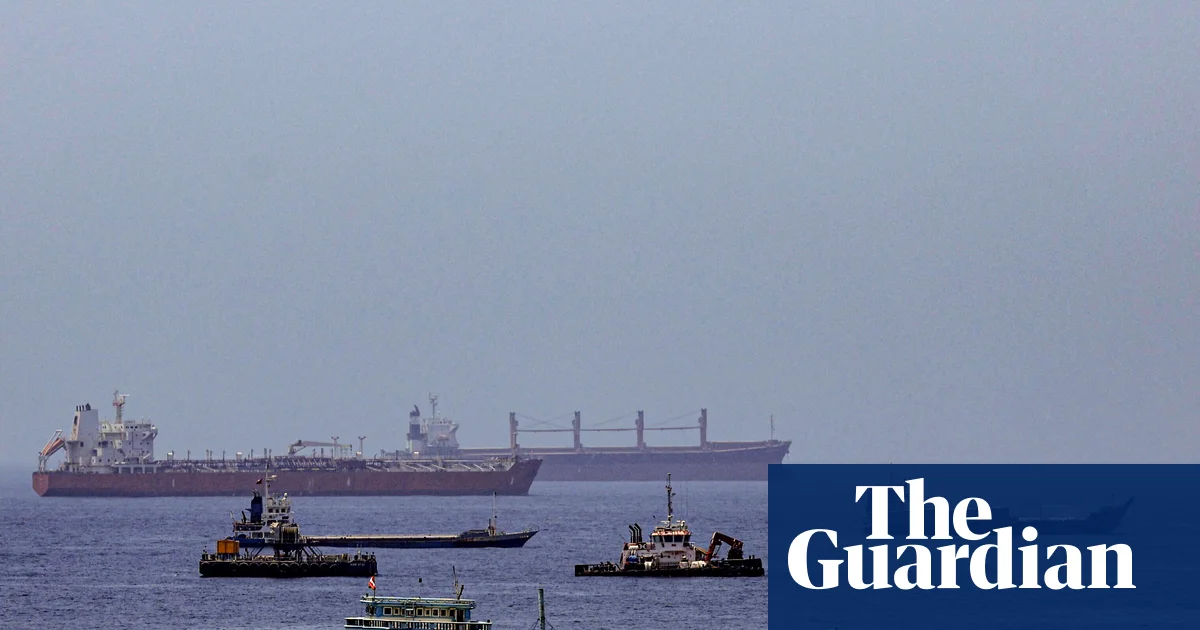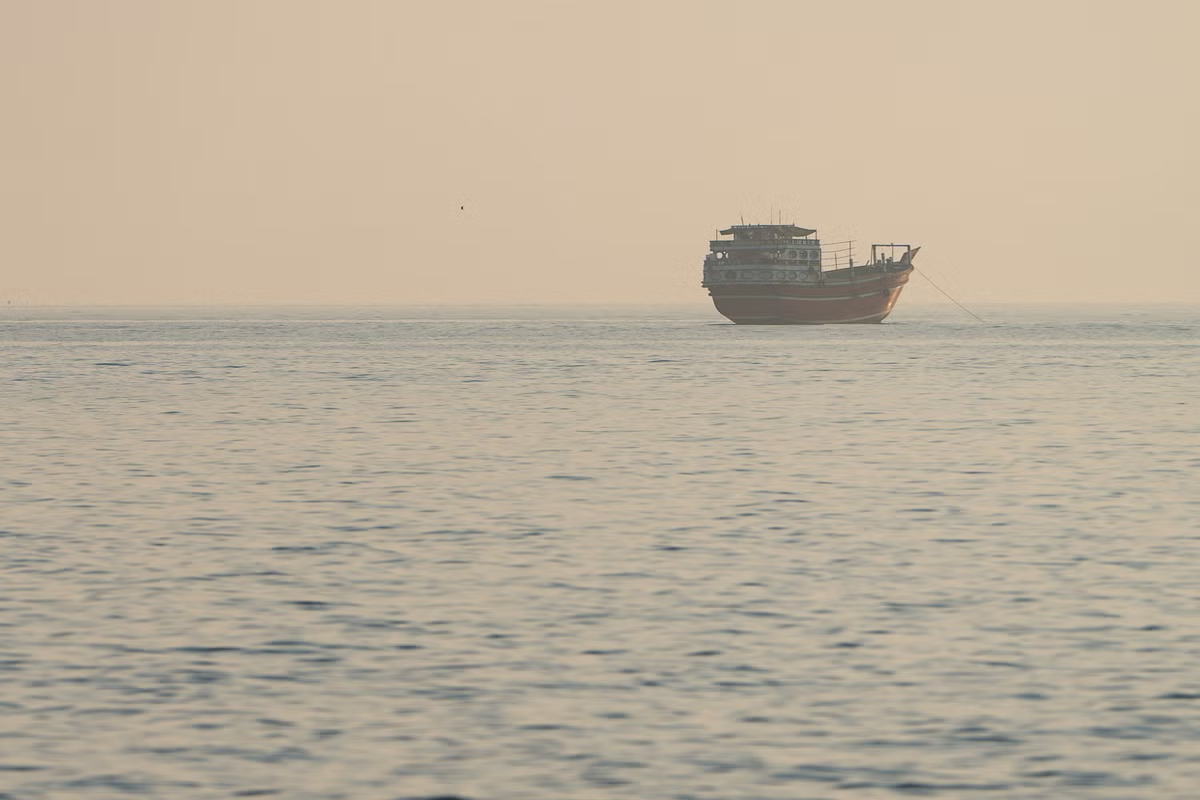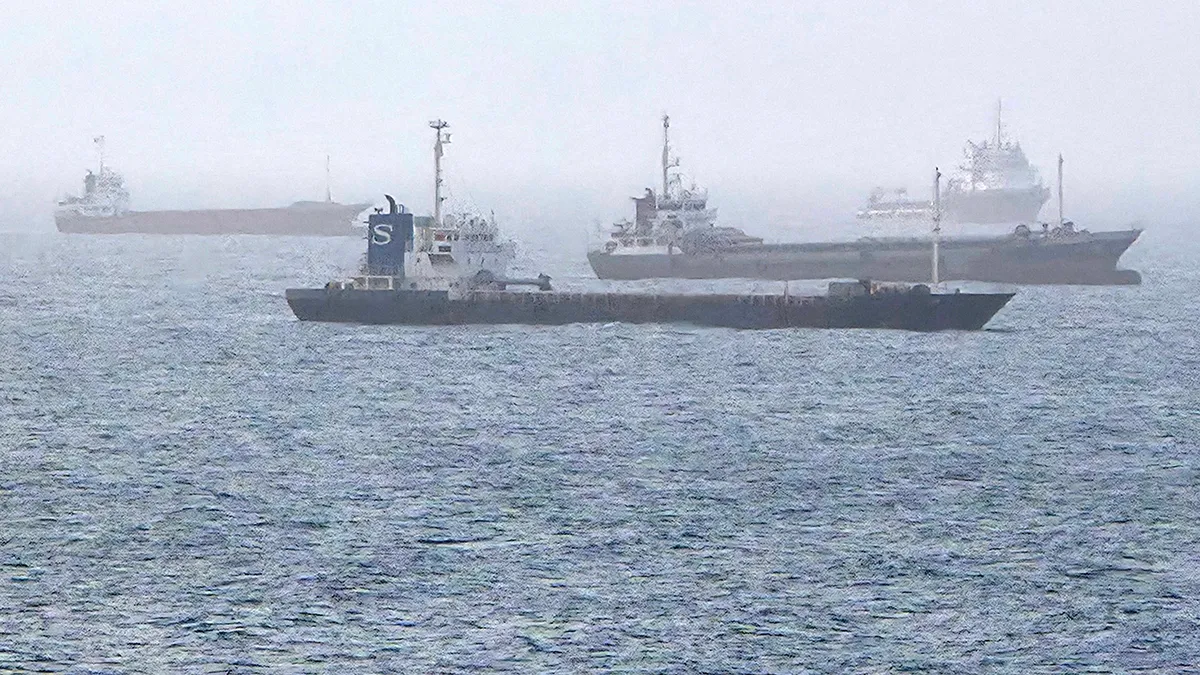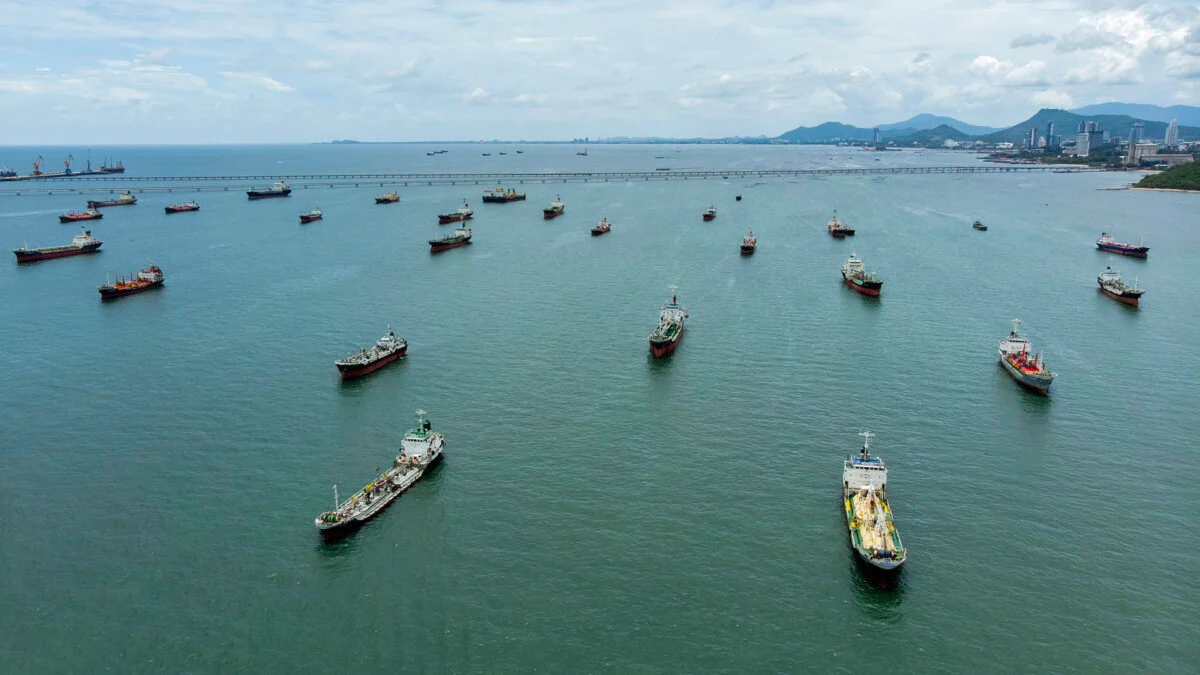
The Strait of Hormuz has been closed since February 28, stranding more than 1,500 vessels in the narrow waterway. Aside from the impact on the global supply chain, the idle ships could also have a devastating effect on marine ecosystems worldwide. An international team of marine scientists is warning that the thousands of stranded vessels in the Strait of Hormuz could trigger an invasive superspreader event across the world’s oceans. In a new study published in the journal Biological Invasions, the scientists describe how the anchored ships are accumulating dense communities of marine organisms, which they would then carry with them once they begin sailing again. “This disruption to global shipping has many repercussions and has also more quietly created ideal conditions to spread warm-water species to new ports,” Carolyn Tepolt, a biologist at the Woods Hole Oceanographic Institution and co-author of the recent study, said in a statement.
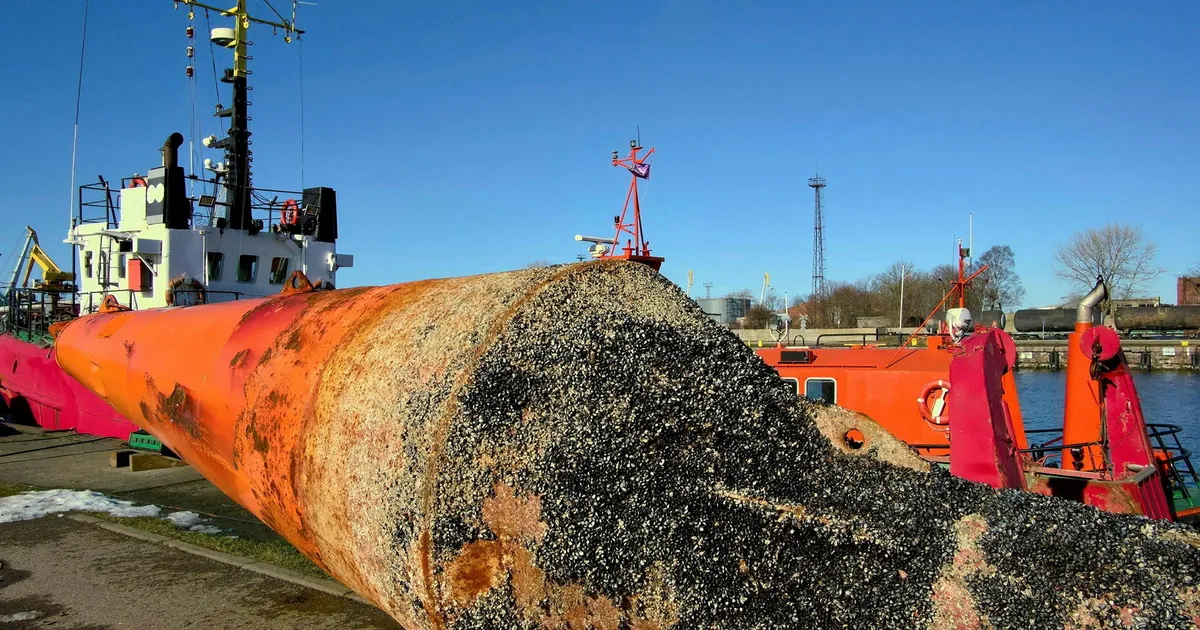
Idle ships The waterway between the Persian Gulf and the Gulf of Oman is one of the busiest oil shipping channels in the world. Ships typically spend one to three days in the port before departing, limiting their exposure to marine life below. Since the closure of the Strait of Hormuz began, ships have remained idle there for at least 40 times longer than the average stay, according to the study. This allows dense communities of marine organisms, like algae, barnacles, mussels, and other invertebrates, to accumulate on the submerged surfaces.