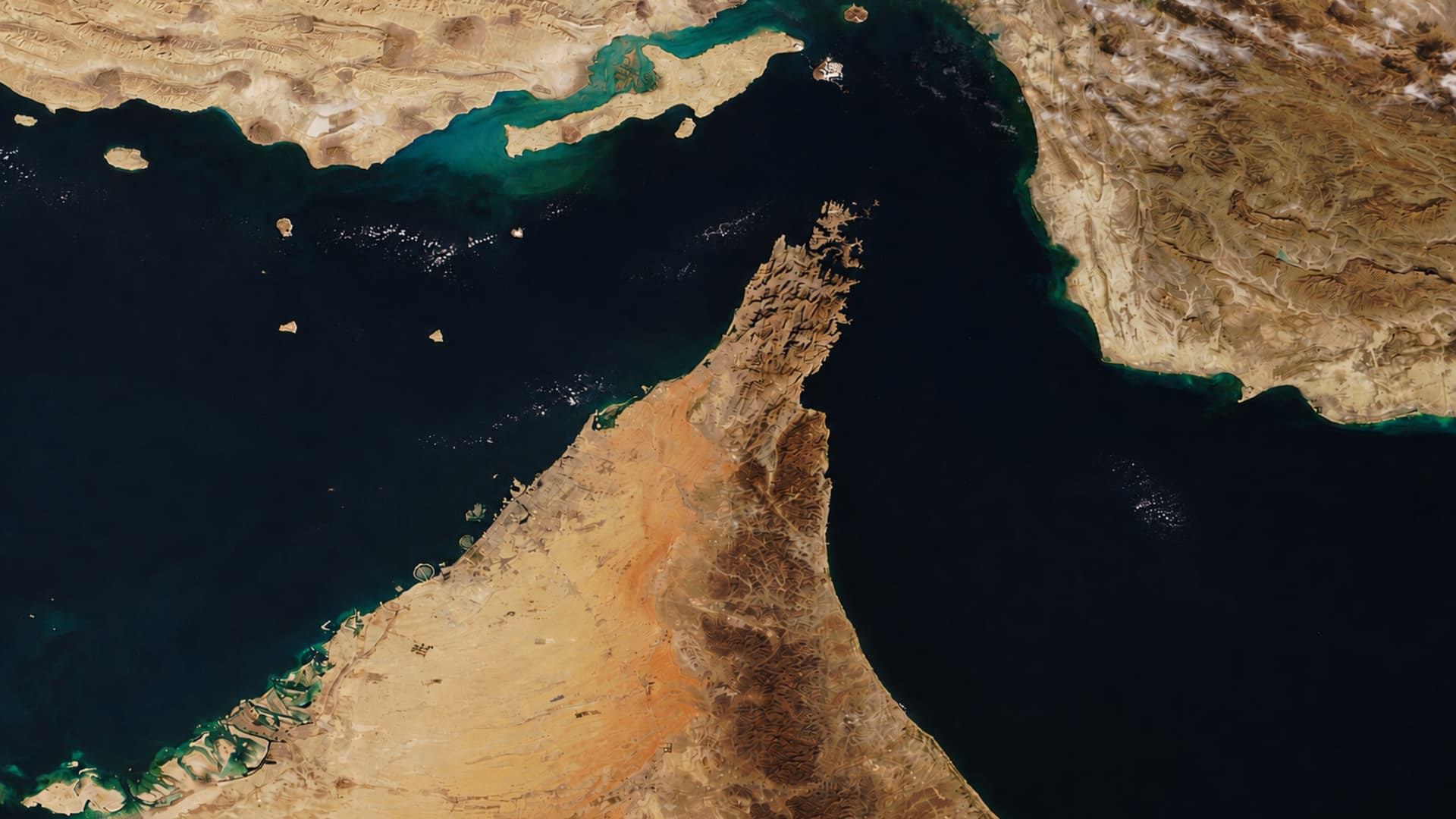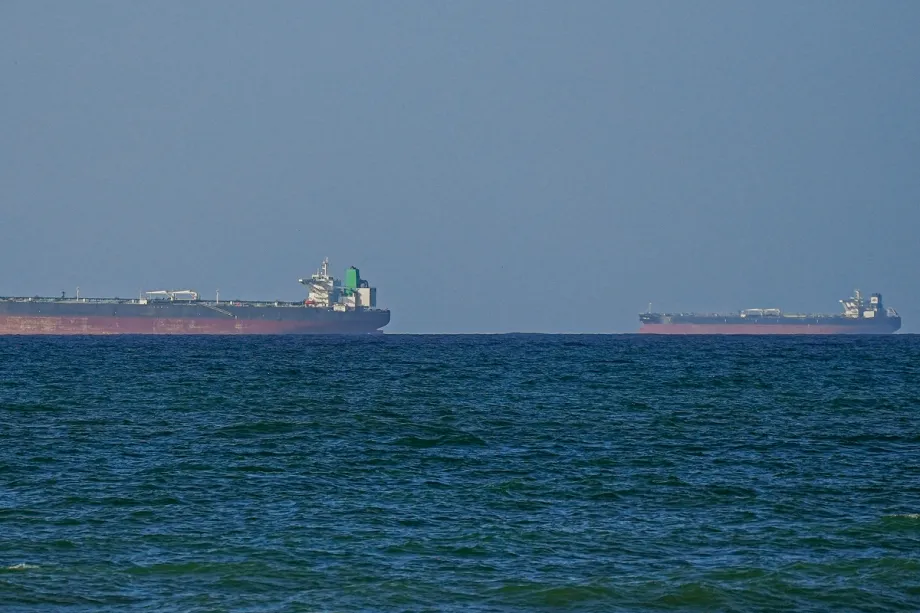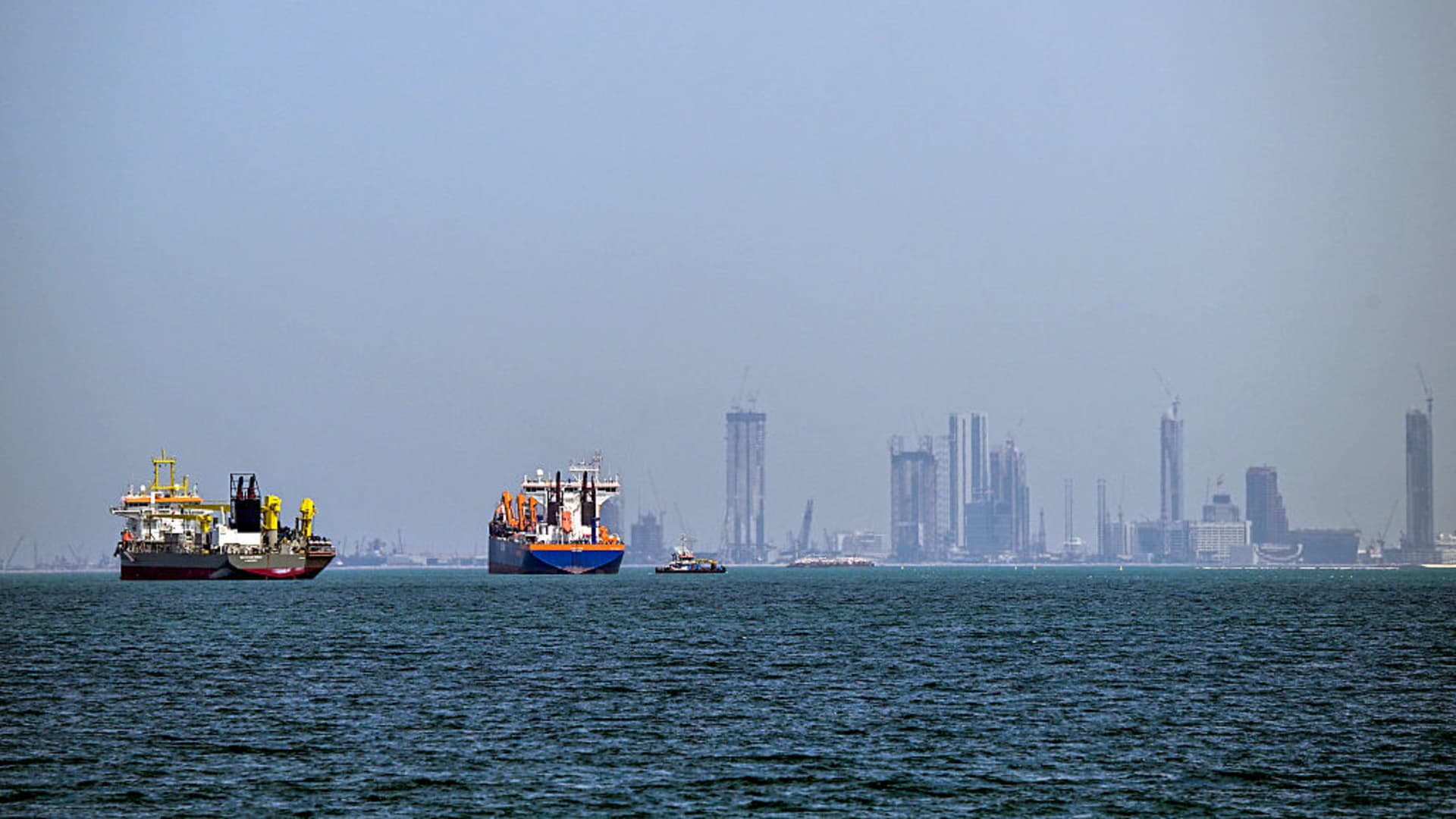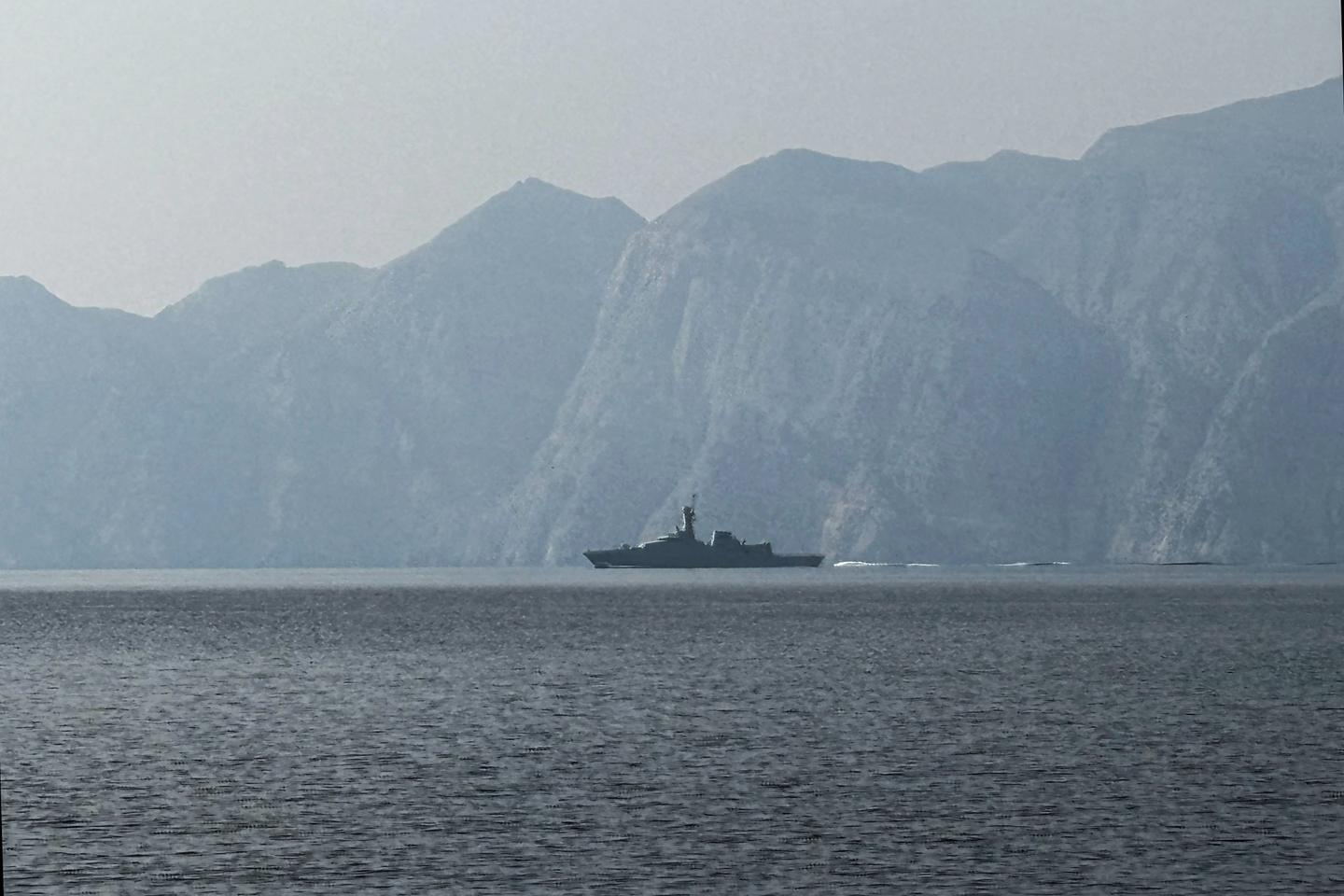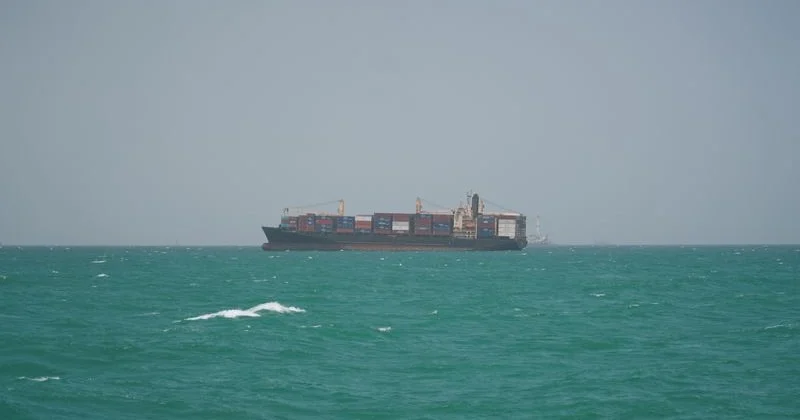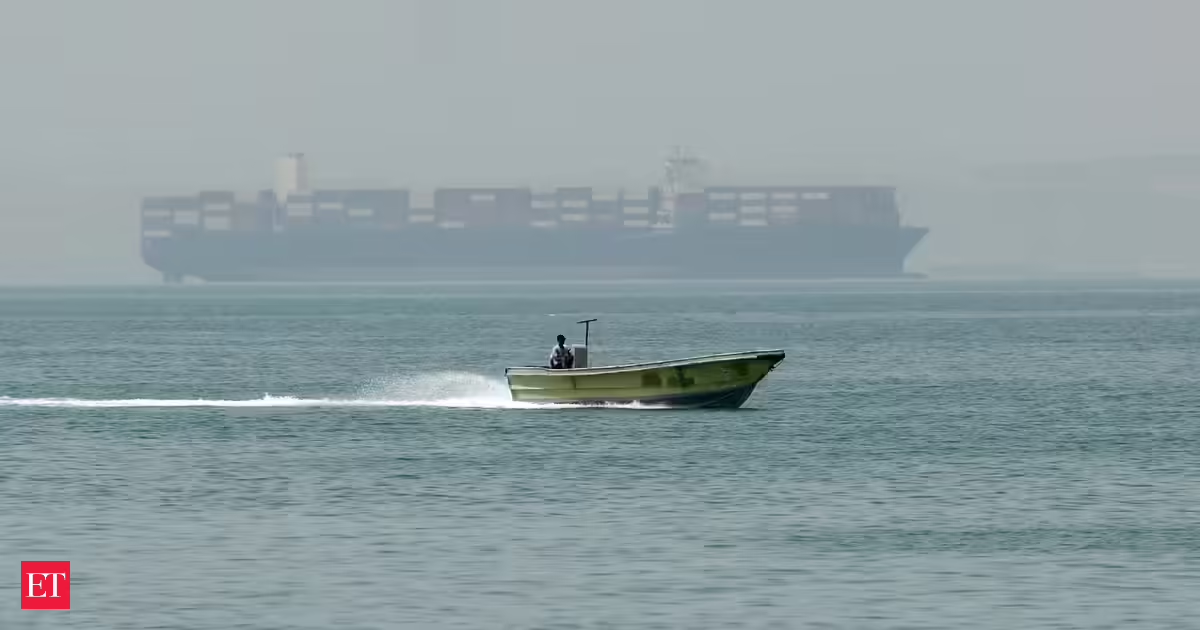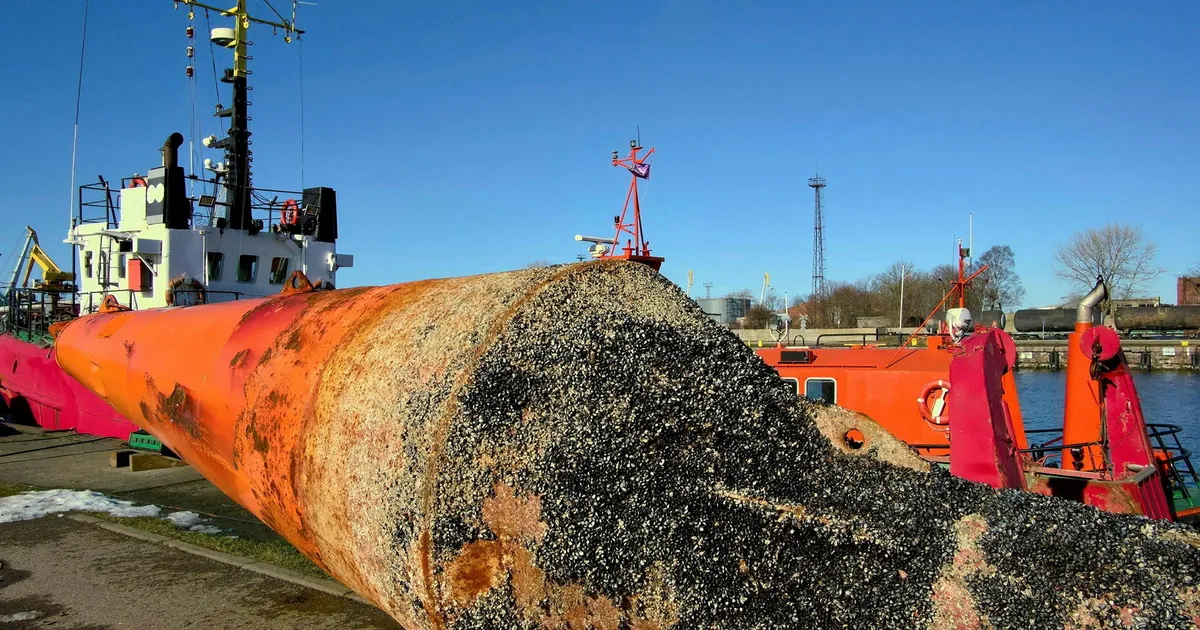
Current sectionMiddle East NewsIran NewsSince the outbreak of the Iran war, about 2,000 ships have been stuck in place, unable to cross the Strait of Hormuz. Experts warn that once they leave, they might spread algae, fish and crustaceans across the ocean, damaging delicate ecosystems worldwideShare to FacebookShare to XArticle printing is available to subscribers onlyPrint in a simple, ad-free formatSubscribeComments: Zen reading is available to subscribers onlyAd-free and in a comfortable reading formatSubscribe09:57 PM • June 02 2026 IDTExperts are sounding the alarm that about 2,000 ships stuck in place due to the closure of the Strait of Hormuz could become distributors of invasive species worldwide once they leave the Gulf.CommentsIn the NewsHow the Strait of Hormuz Blockade Can Harm Marine Ecosystems Across the WorldThis West Bank Town Reveals: Bloodshed Is Policy, and It Crosses the Green LineIsraeli Deputy Mayor Arrested on Suspicion of Bribery, Rigged Tenders AffairGov't Passes Budget for Tribunal for Hamas Militants Who Participated in Oct. 7Forget Mamdani. The Real Story of New York's Israel Day Parade Was Who Showed UpRemembering and rebuilding two years laterICYMIIsrael 2026 Election Poll Tracker: The Latest ProjectionsWho Built the Biblical-era Fortresses in the Deserts of Israel and Jordan?UN Report Accuses Israeli Forces of Rape, Sexual Abuse of Palestinian DetaineesNot Lapid or Bennett: Could This Former IDF Chief Be Israel's Next Leader?Pentagon Leaks Signal U.S. Effort to Blame Israel for Risks of Renewed Iran WarAfter October 7, More and More Americans and Britons Are Choosing Judaism. Why?
How the Strait of Hormuz blockade can harm marine ecosystems across the world
Since the Outbreak of the Iran War, About 2,000 Ships Have Been Stuck in Place, Unable to Cross the Strait of Hormuz. Experts Warn That Once They Leave, They Might Spread Algae, Fish and Crustaceans Across the Ocean, Damaging Delicate Ecosystems Worldwide
246 words~1 min read