HomeAI · summaries
Storia in 9 fonti
Big reform after NEET storm: Here's how India is seeking to improve its exam system
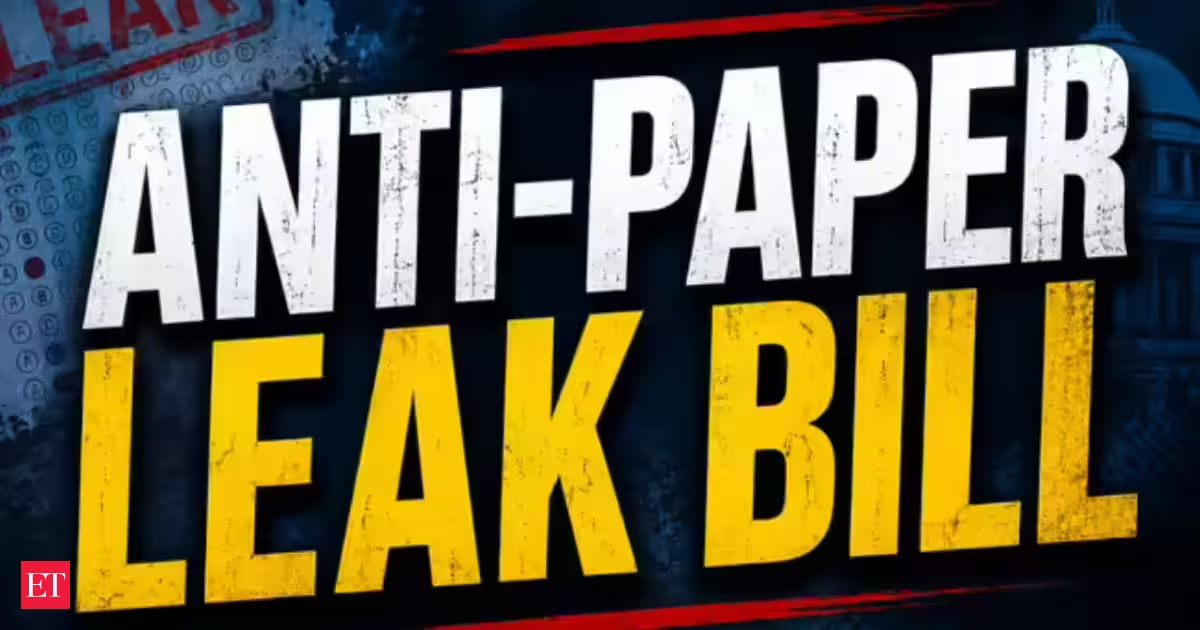
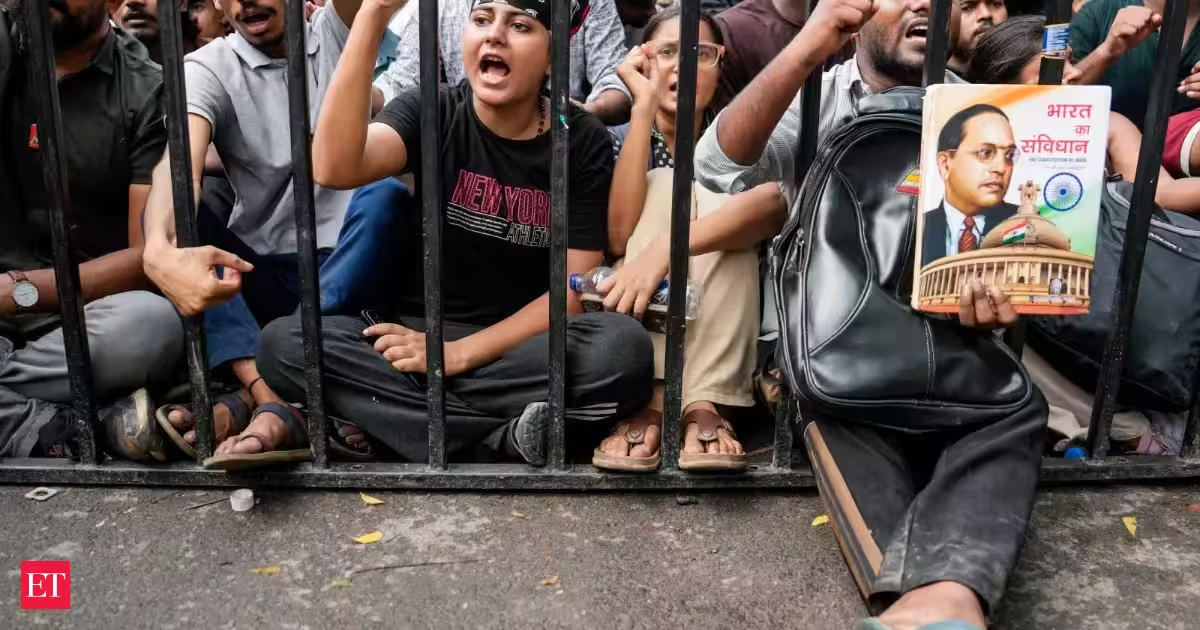
India is seeking to crack down on examination fraud by proposing tougher penalties for paper leak offences. These amendments aim to rehabilitate trust in the competitive exam landscape. Simultaneously, authorities are looking to integrate technology into the examination ecosystem, aiming to eliminate cheating syndicates and uphold the sanctity of the process.
Confronto fonti
6 prospettive sulla stessa storiaTimeline cronologica
- ·
economictimes.indiatimes.com
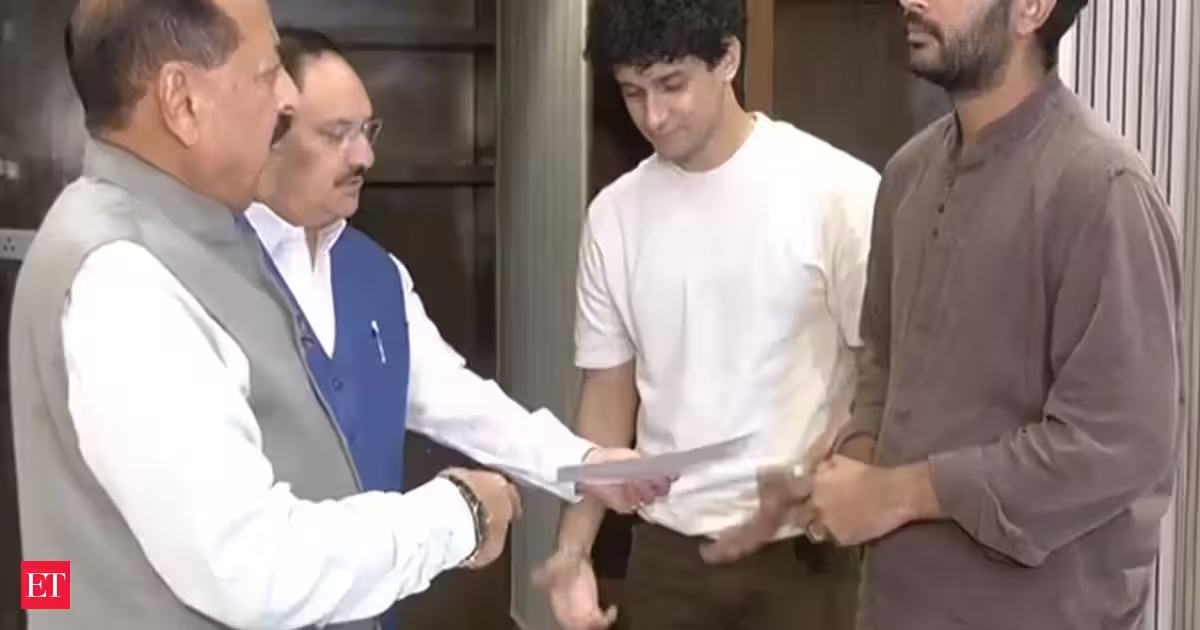
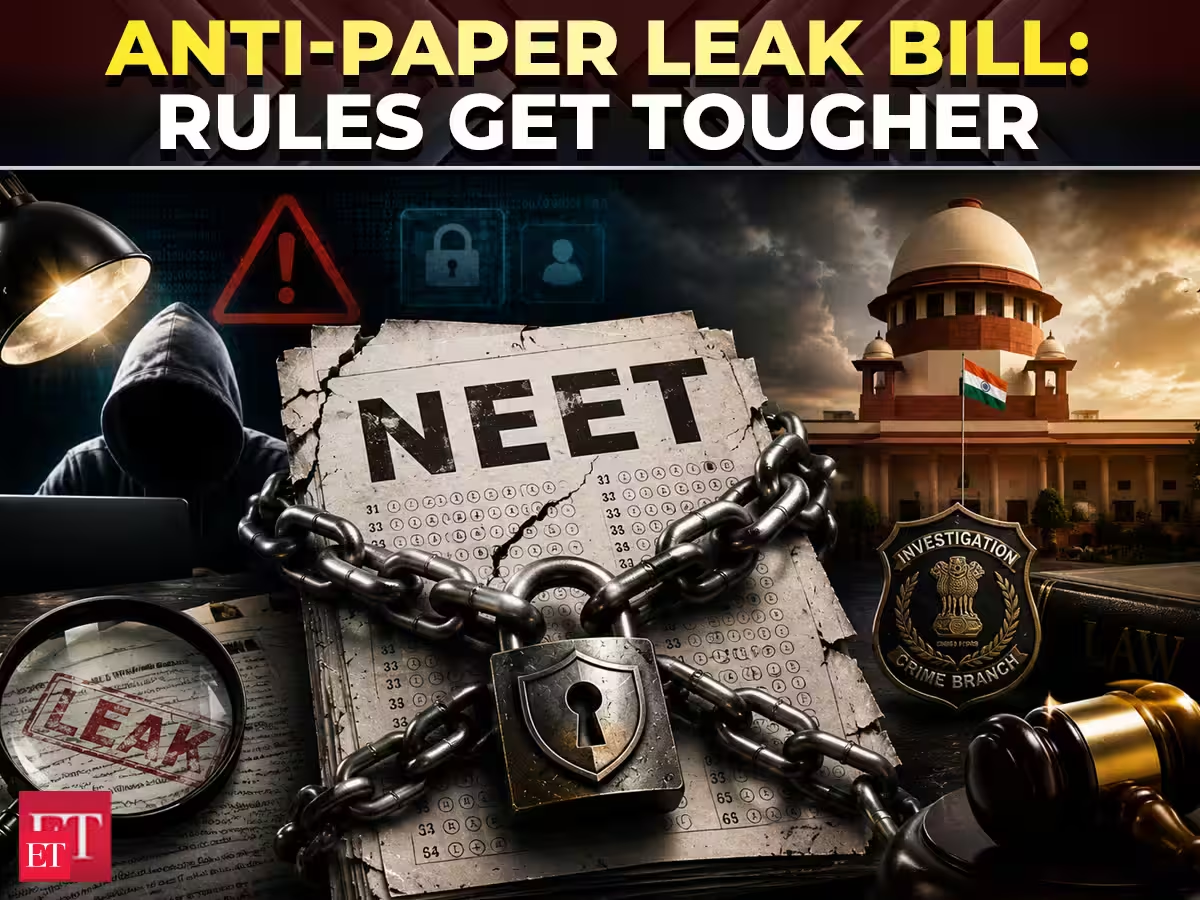
NEET protests: Cabinet approves 10-year jail, Rs 10 crore fine for paper leaks amid talks with CJP
The cabinet approved a bill proposing stricter punishments for paper leaks. Union ministers met with CJP leaders to discuss the NEET examination paper leak. Both sides agreed to…
- ·
timesofindia.indiatimes.com

What is the Public Examinations Amendment Bill? Govt proposes sweeping changes to anti-cheating law