HomeAI · summaries
Storia in 3 fonti
Explained: ISRO's brain drain? Government tightens exit rules as private space takes off
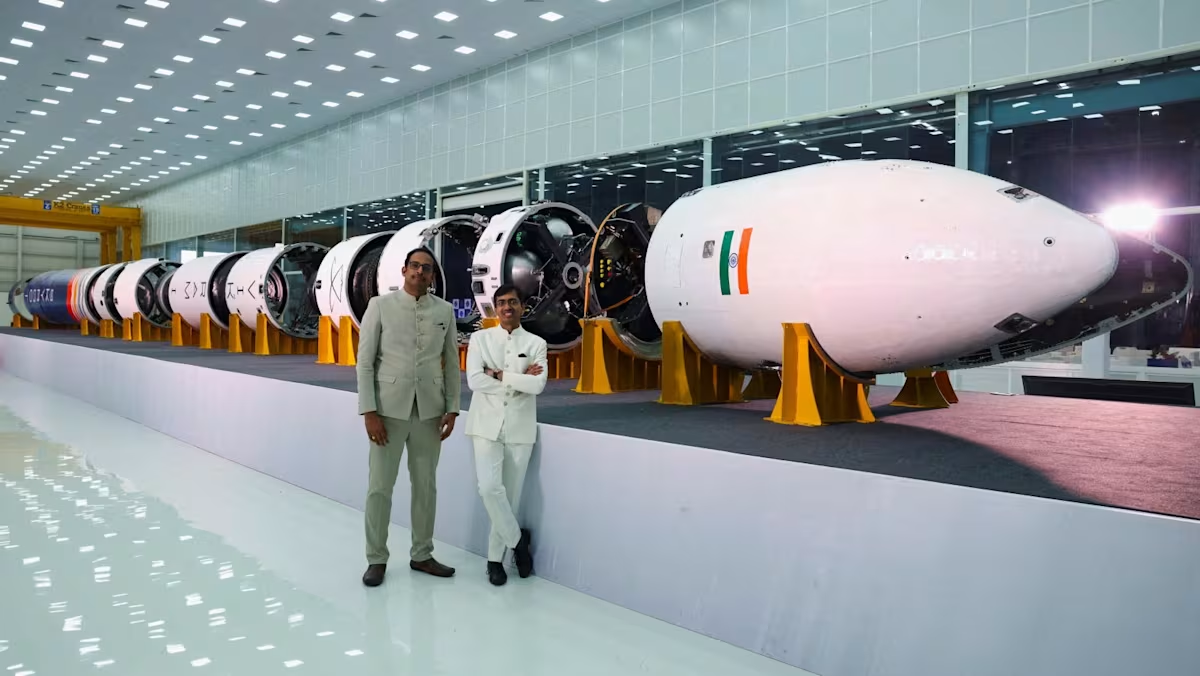
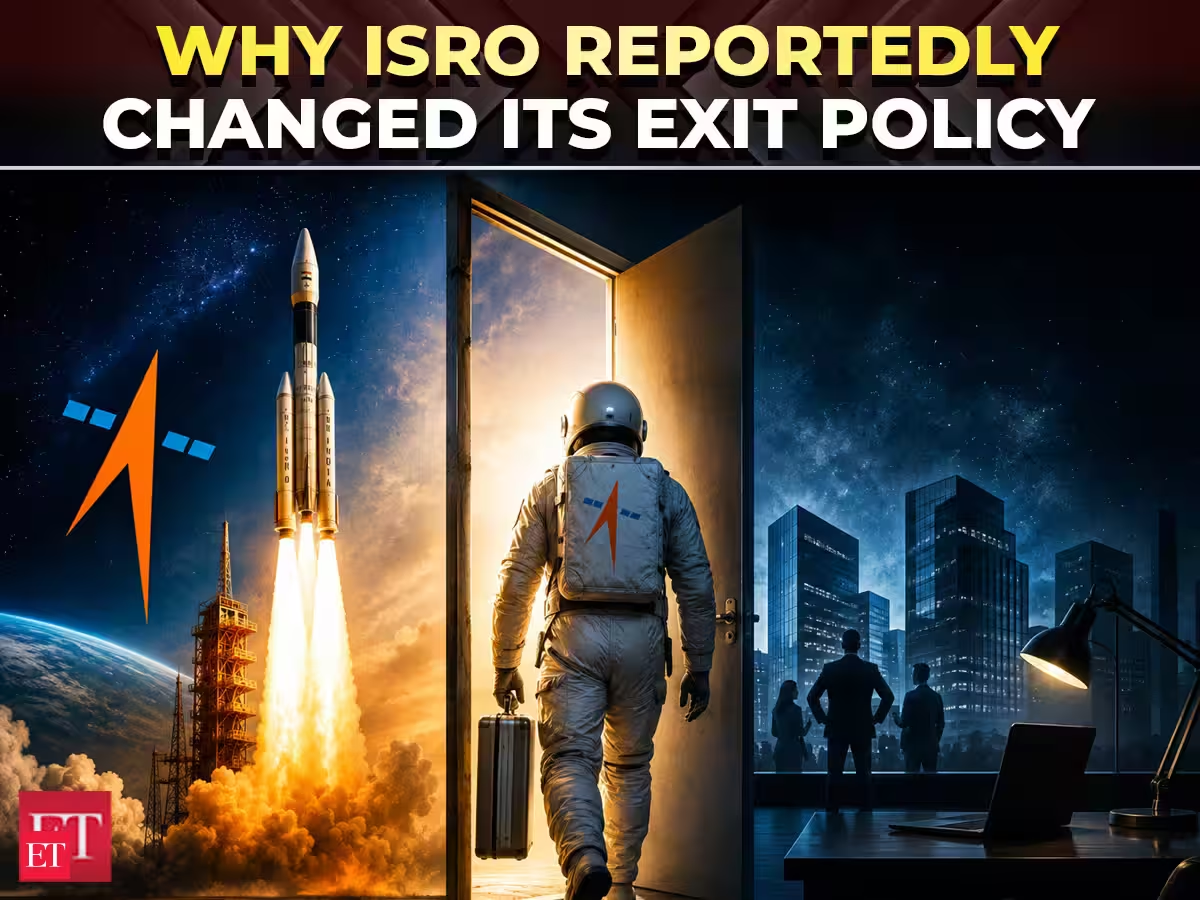
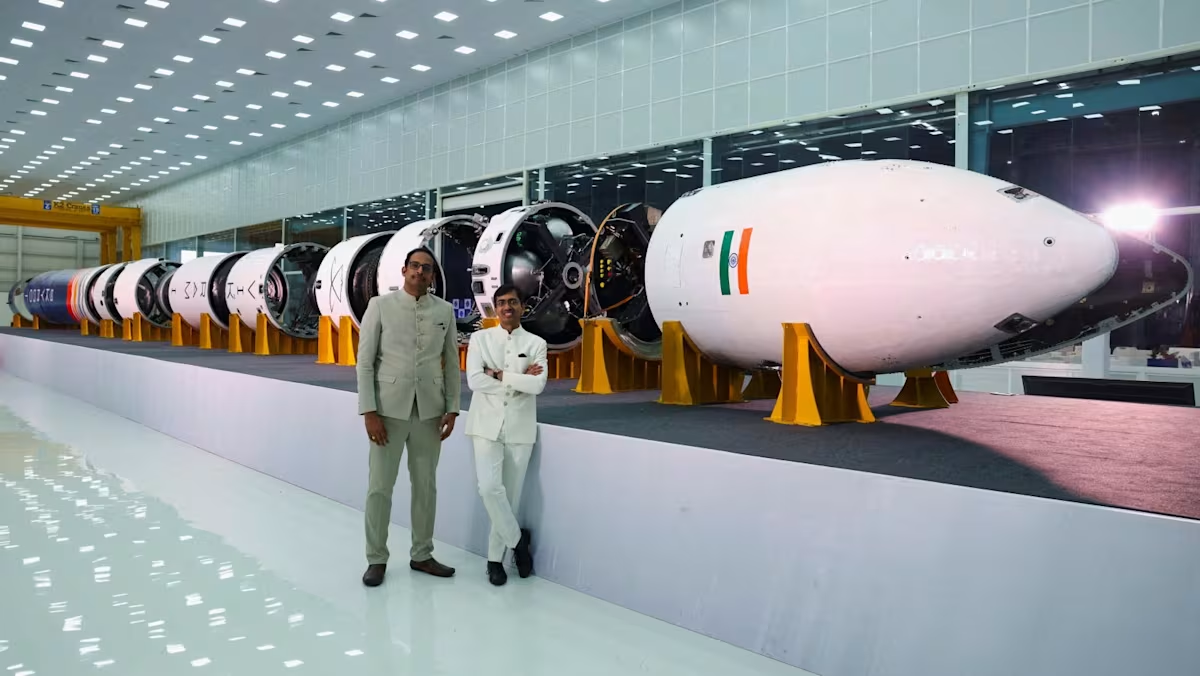
Has India entered a new phase in its space journey?Reports suggest that more than 100 scientists and engineers have resigned or sought to resign from key ISRO centres, prompting the Department of Space to tighten resignation rules for personnel working on flagship missions like Gaganyaan.In this video, we explain:Why ISRO reportedly changed its exit policyWhich centres have seen the highest number of departuresWhat ISRO Chairman V. Narayanan has saidWhy India's booming private space industry is attracting experienced ISRO talentWhether this is really a "brain drain" or a natural evolution of India's space ecosystemWith companies like Skyroot Aerospace achieving major milestones, India's private space sector is growing rapidly. But can ISRO continue delivering ambitious missions like Gaganyaan, Chandrayaan, the Next Generation Launch Vehicle, Mars, Venus and the planned Indian space station while experienced scientists move to private firms?
Confronto fonti
3 prospettive sulla stessa storiaTimeline cronologica
- ·
thehindu.com

Curbing talent exodus: It’s deja vu for Indian Space Research Organisation
ISRO faces another talent exodus crisis reminiscent of the 1990s IT boom, prompting urgent retention measures for key personnel.
- ·
channelnewsasia.com
Why are scientists leaving India’s national space agency - and will tighter exit rules keep them there?
As India’s private spacetech sector takes off, competition for its most experienced scientists is raising questions about how the country can build a thriving commercial space…