HomeAI · summaries
Storia in 2 fonti
How engineers dreamed of turning Egypt's Qattara Depression into an endless power source
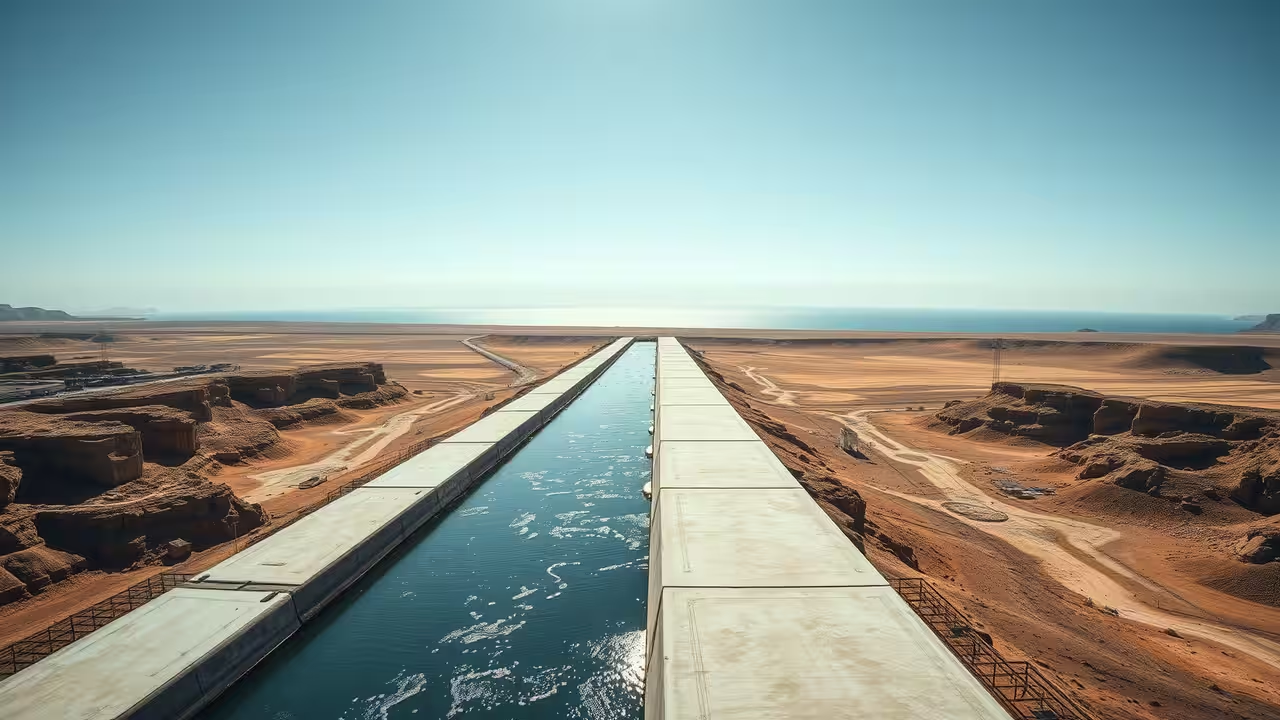
More than a century ago, engineers proposed an audacious idea for Egypt's Western Desert, cutting a canal from the Mediterranean Sea into the Qattara Depression, a vast basin sitting well below sea level, and using the resulting flow of water to generate electricity indefinitely. The concept first surfaced around 1912 and was developed further by British geologist John Ball in 1927, who mapped the depression in detail and outlined how the elevation difference between the sea and the basin could be converted into a steady, self-sustaining source of hydroelectric power.
Confronto fonti
2 prospettive sulla stessa storiaTimeline cronologica
- ·
economictimes.indiatimes.com
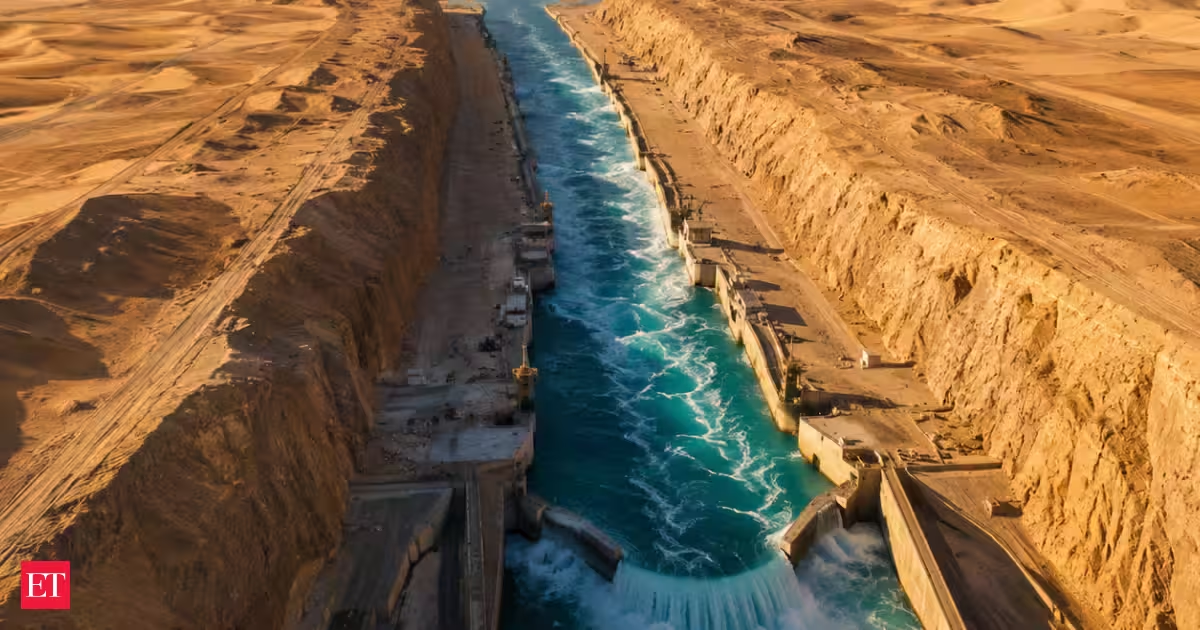
In the 1910s, engineers proposed cutting a canal from the Mediterranean into Egypt's Qattara Depression to flood a below-sea-level desert…
Explore the proposed canal project to flood Egypt's Qattara Depression for hydropower generation, its historical context, challenges, and new energy solutions.
- ·
timesofindia.indiatimes.com
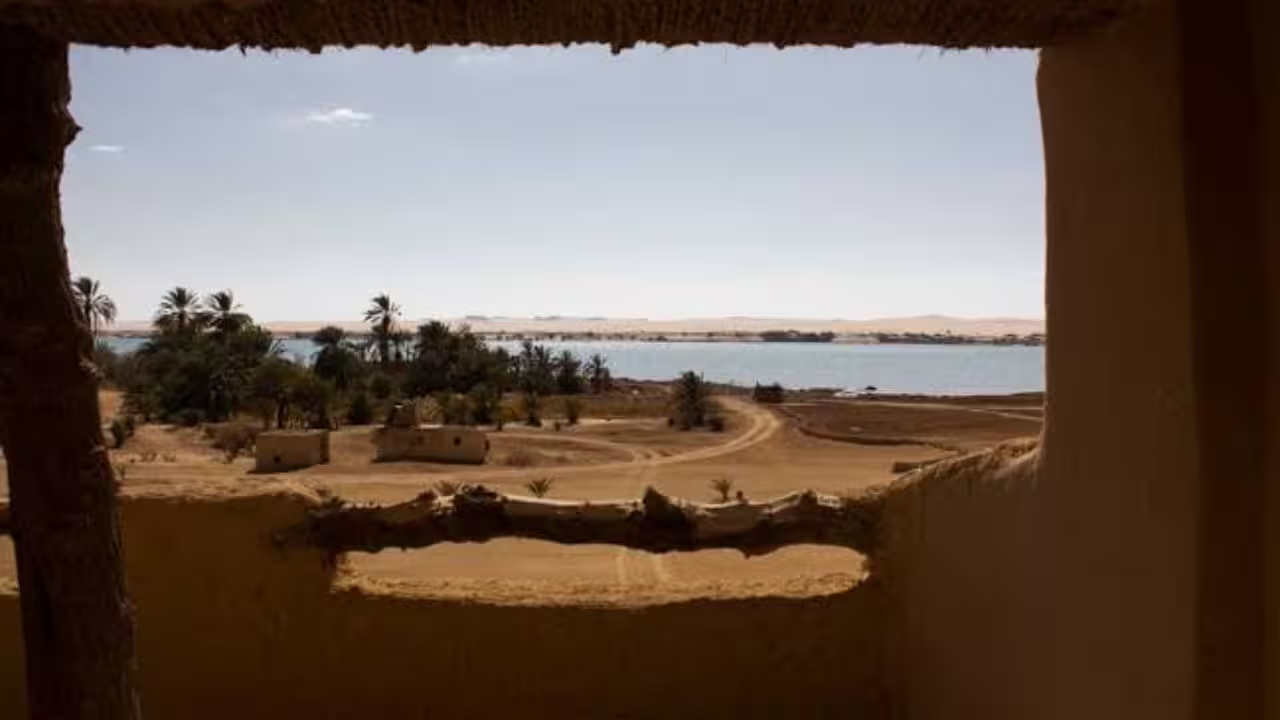
In 1912, engineers saw a hidden power source beneath Egypt’s desert. More than a century later, the plan is now abandoned