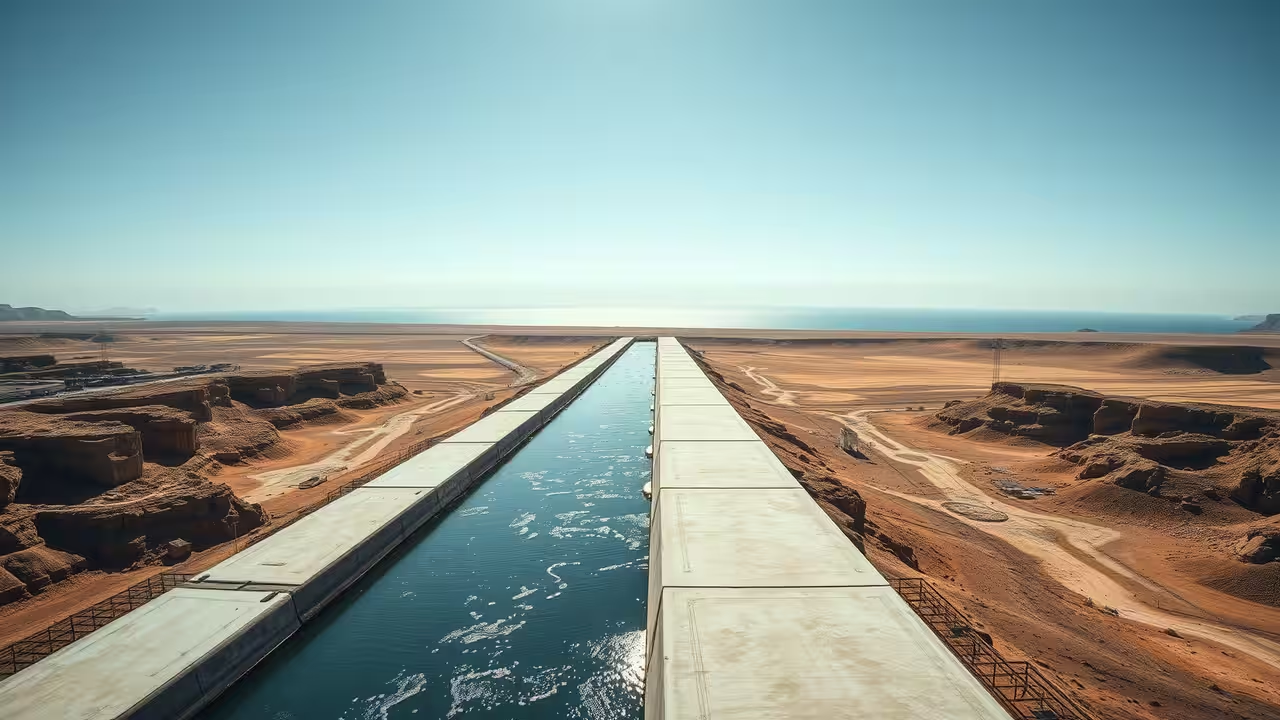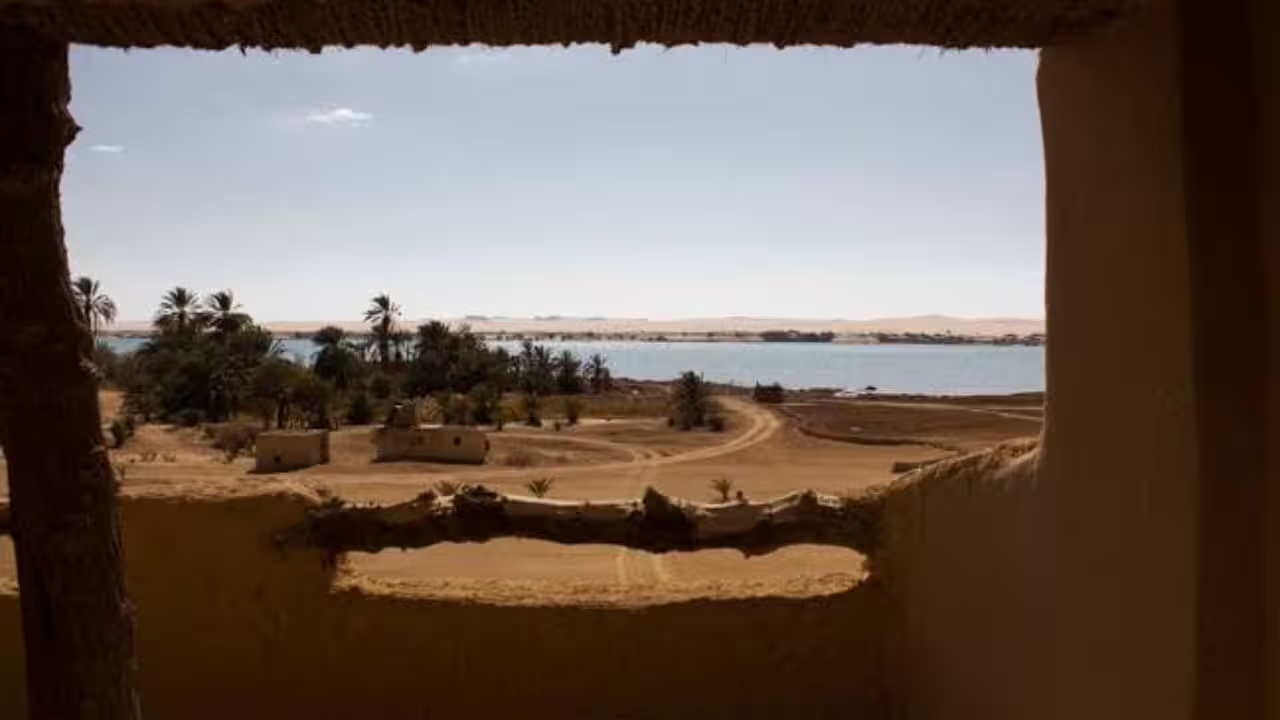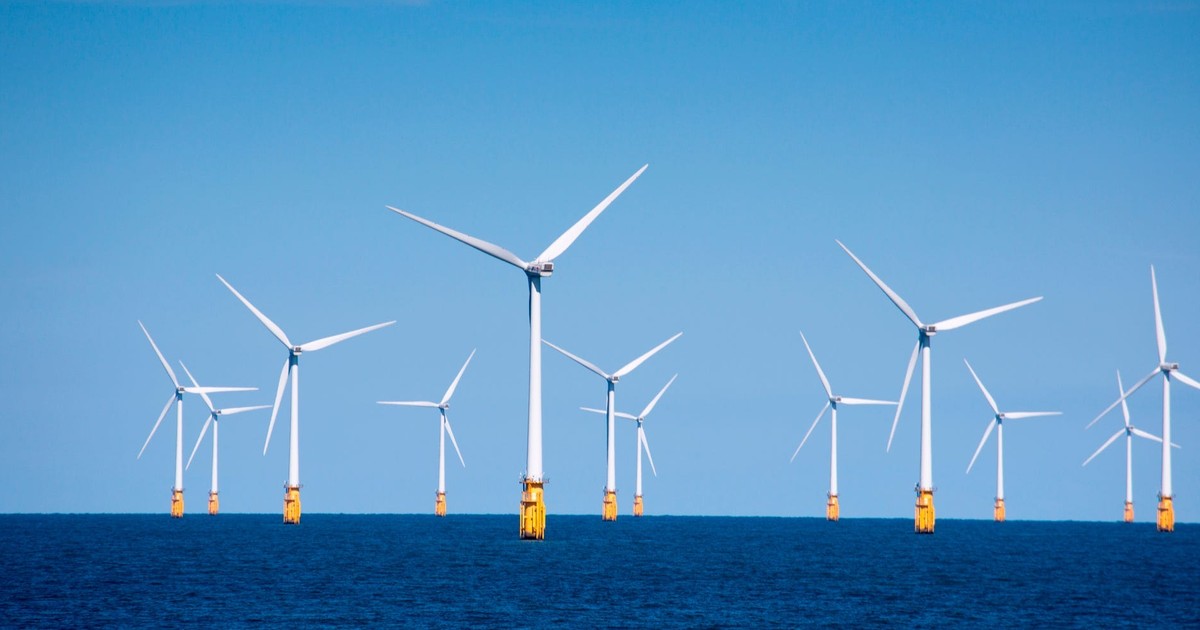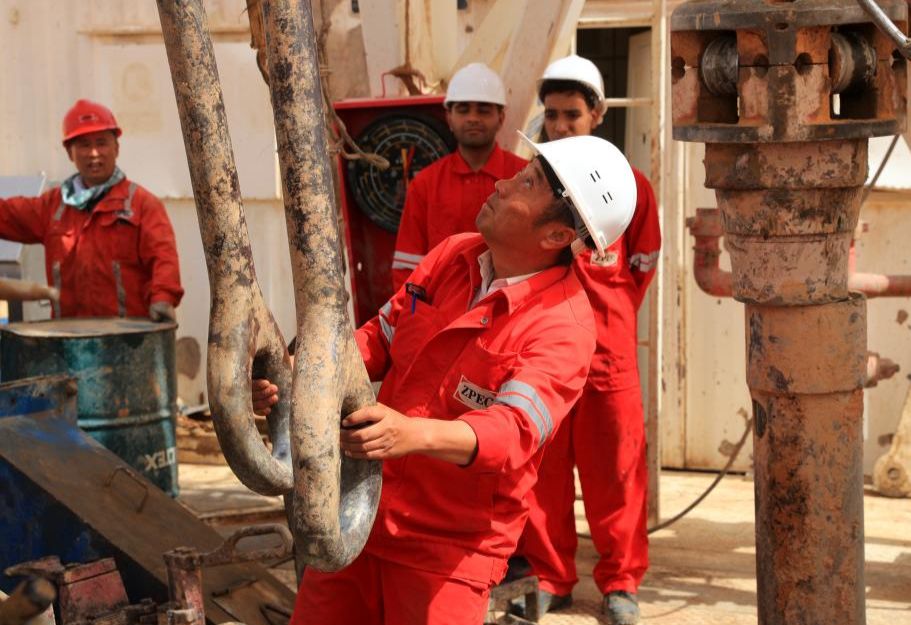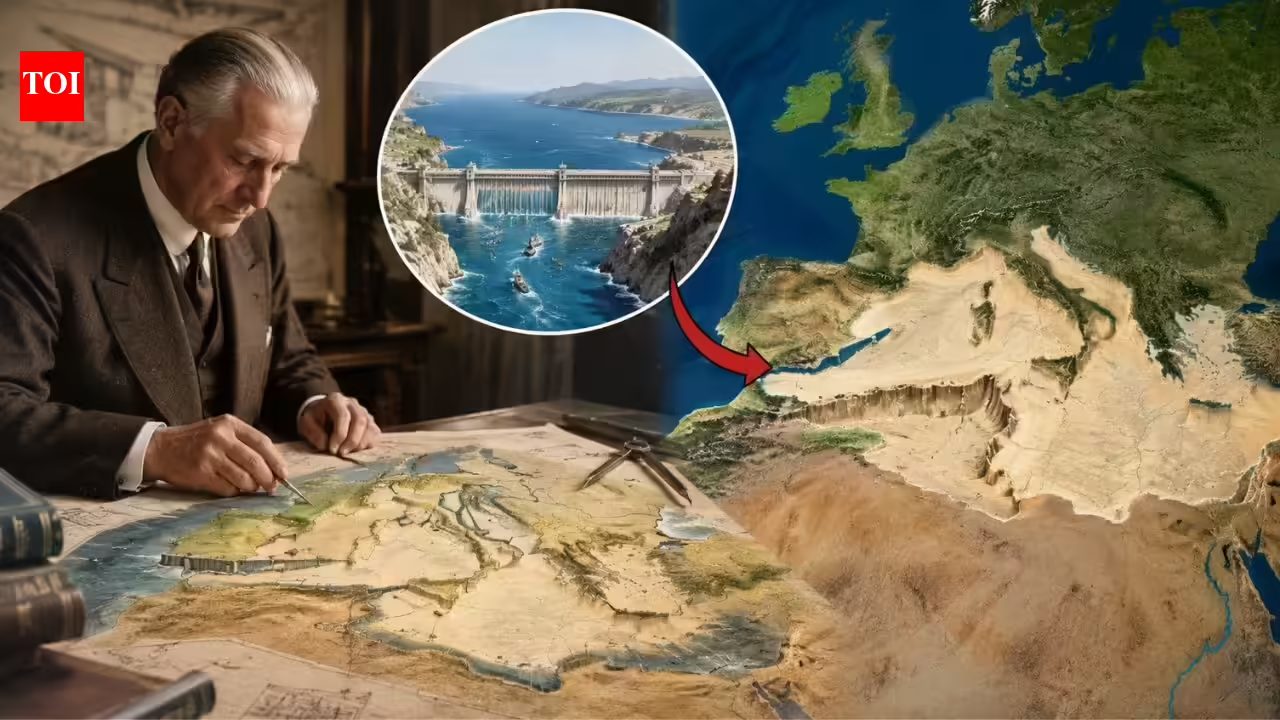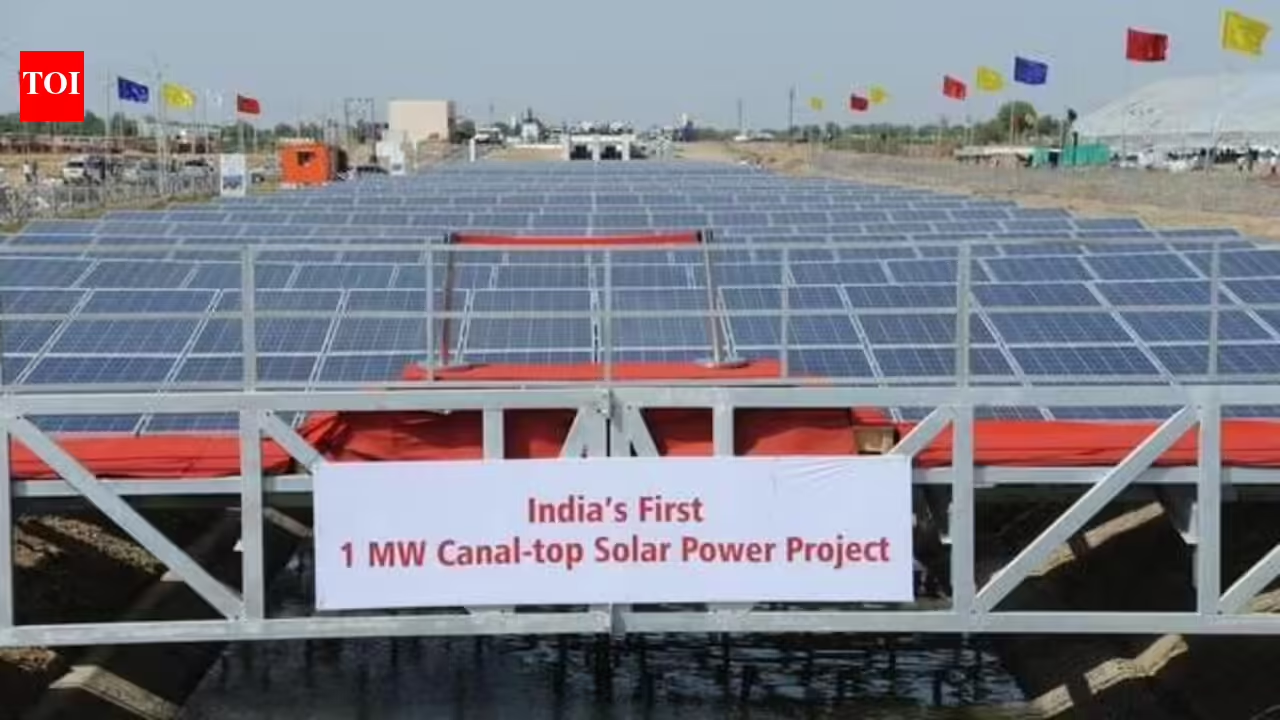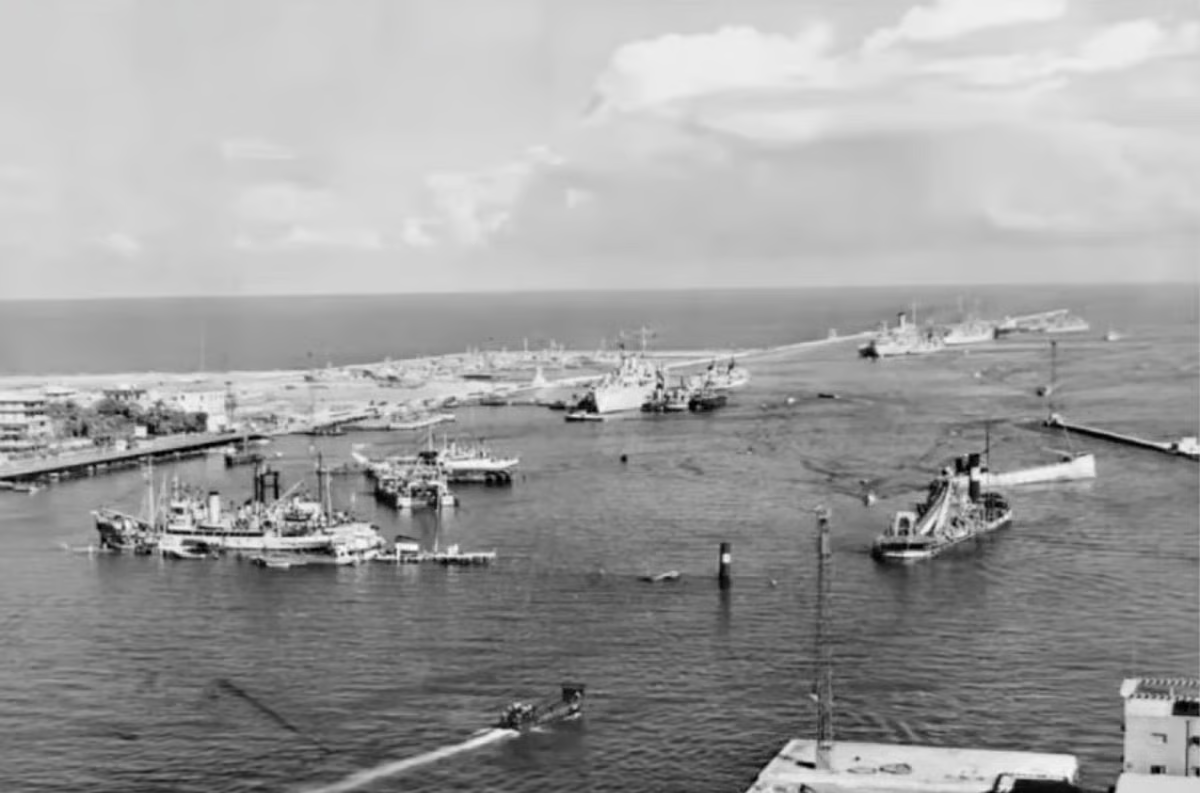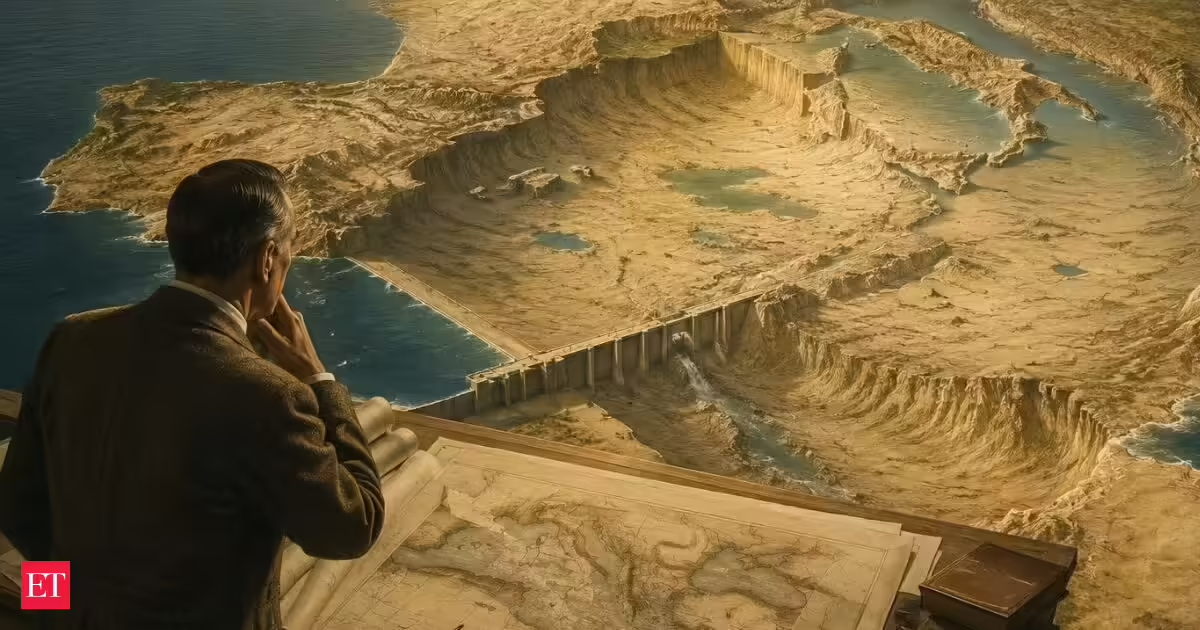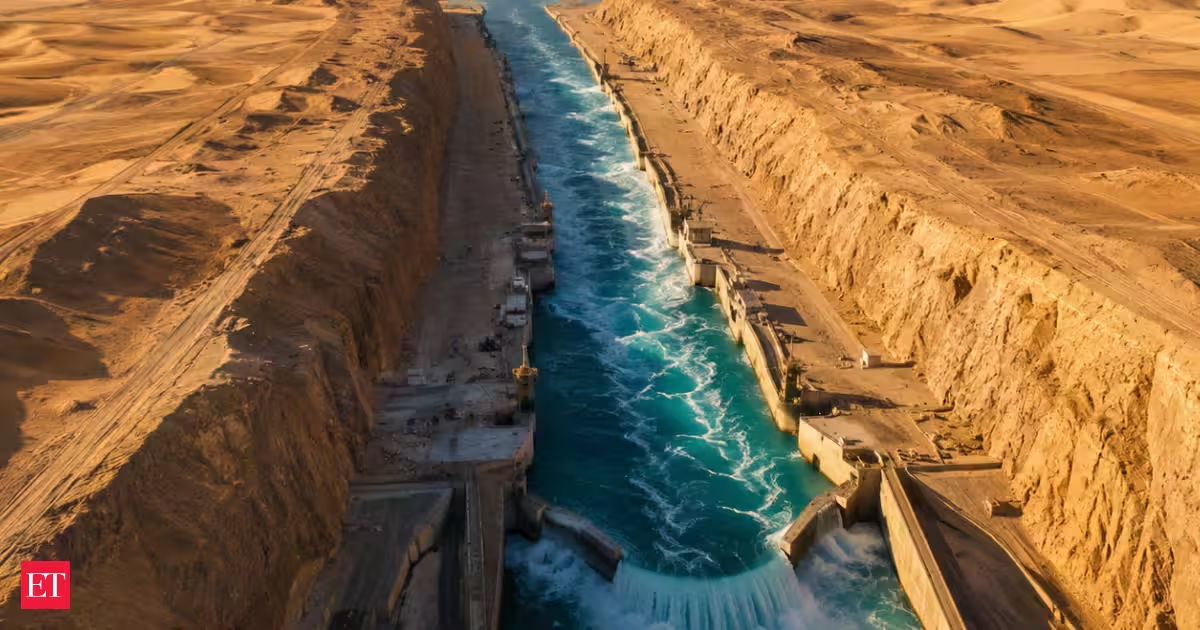
In the 1910s, engineers proposed digging a canal from the Mediterranean Sea to the Qattara Depression in northwestern Egypt, flooding the below-sea-level basin to generate hydroelectric power. The plan was studied intermittently for more than a century before Egypt scrapped it this year.According to a 1933 summary in Nature of surveyor John Ball's work, the Qattara Depression has an average floor depth of about 60 meters (200 feet) below sea level, with a maximum depth of roughly 133 meters. The basin spans an estimated 20,000 square kilometers (about 7,700 square miles). Since no rivers flow into it, the basin remains dry.How the plan was supposed to workSeawater would travel from the coast through a tunnel or canal, dropping down into the depression and spinning turbines as it went. Once inside the hot desert basin, the water would likely evaporate quickly, drawing in more seawater behind it. That was the part that made the idea attractive: it could generate power almost continuously. But keeping the water level steady meant constantly balancing incoming seawater against evaporation, and over time, the basin would slowly fill with the salt left behind.The Qattara Depression Project Image Credit: Wikimedia CommonsGerman geographer Albrecht Penck first suggested using the depression to generate power around 1912. In 1927, John Ball of the Survey of Egypt mapped the region and produced the first real estimates of how much power it could generate.A nuclear shortcut that never happenedDuring the 1960s and 1970s, German engineer Friedrich Bassler researched the Qattara project for the Egyptian government. In a 1989 study by Cairo University engineer A.H.A. Baghdadi, published in the journal Energy Sources, Bassler's team repeatedly encountered the same obstacle: the scheme could produce electricity, but building the required 55 to 100-kilometer-long canal through a solid desert would be too costly.The engineers offered an alternative solution: carrying out 213 underground nuclear explosions to build the canal instead of using mechanical tools. It could be considered part of the "Atoms for Peace" initiative, which Eisenhower promoted to encourage peaceful uses of nuclear power. Three main concerns prevented Egypt from agreeing on the project. First of all, there was a danger of radioactive fallout due to nuclear explosions. Secondly, people living near the place where the canal was to be built had to be evacuated. And finally, the shock waves could reach the Red Sea Rift, located approximately 280 miles away.This wasn't a one-off ideaUsing nuclear explosives for large-scale construction wasn't unique to the Qattara proposal. The US actually ran a real program called Project Ploughshare, from 1957 to 1977, testing peaceful uses of nuclear explosives for things like excavating harbors, canals, and roadcuts. There was a seriously studied proposal for a sea-level replacement of the Panama Canal with hundreds of nuclear detonations. None of the large excavation projects ever got off the ground, for much the same reasons as the Qattara one: the risk of fallout, the need to evacuate, and the difficulty of containing shockwaves underground. The costs and risks of the program became clear in the 1970s when it was formally shut down, about the same time that Bassler’s team was crunching the numbers on Qattara.The Qattara Depression today: still bone dry, over a century after the first plans to flood it. Image Credits: Wikimedia CommonsWhy did Egypt cancel the project in 2026The idea kept resurfacing over the decades. Egypt signed a new feasibility study agreement in 2023, and a government committee had been reviewing the plan since 2016. This year, that review came to a close. According to Ahram Online's reporting, Egypt's cabinet announced in May 2026 that the project was not economically viable. Officials pointed to risks including groundwater contamination, increased soil salinity, and potential damage to nearby oases such as Siwa. They also noted that parts of the depression now overlap with active oil and gas operations in Egypt's Western Desert, which would need to be relocated if the area were flooded. Solar power and wind power, officials said, are now cheaper and more practical.The reassessment was a reflection of the dramatically changed priorities of Egypt, concerning its energy and developmental needs, since the first proposal was made. The once promising source of renewable power was being compared to newer options and the limitations of the land currently used. Over the past decades, numerous studies had shown that flooding the depression would impact not only an empty desert basin, but also affect groundwater systems, soil salinity and oil and gas production which had since proliferated in parts of the Western Desert. Those changing conditions eventually changed the cost benefit analysis of the project.What this means todayThe Qattara Depression story shows how a century-old renewable energy idea can eventually be overtaken by cheaper, more efficient technology. A hundred years ago, flooding the desert with seawater looked like a smart way to generate power. Today, solar panels can do the job in that same desert without moving a drop of seawater.
In the 1910s, engineers proposed cutting a canal from the Mediterranean into Egypt's Qattara Depression to flood a below-sea-level desert basin and generate endless hydropower
Explore the proposed canal project to flood Egypt's Qattara Depression for hydropower generation, its historical context, challenges, and new energy solutions.
819 words~4 min read