https://arab.news/yjg98
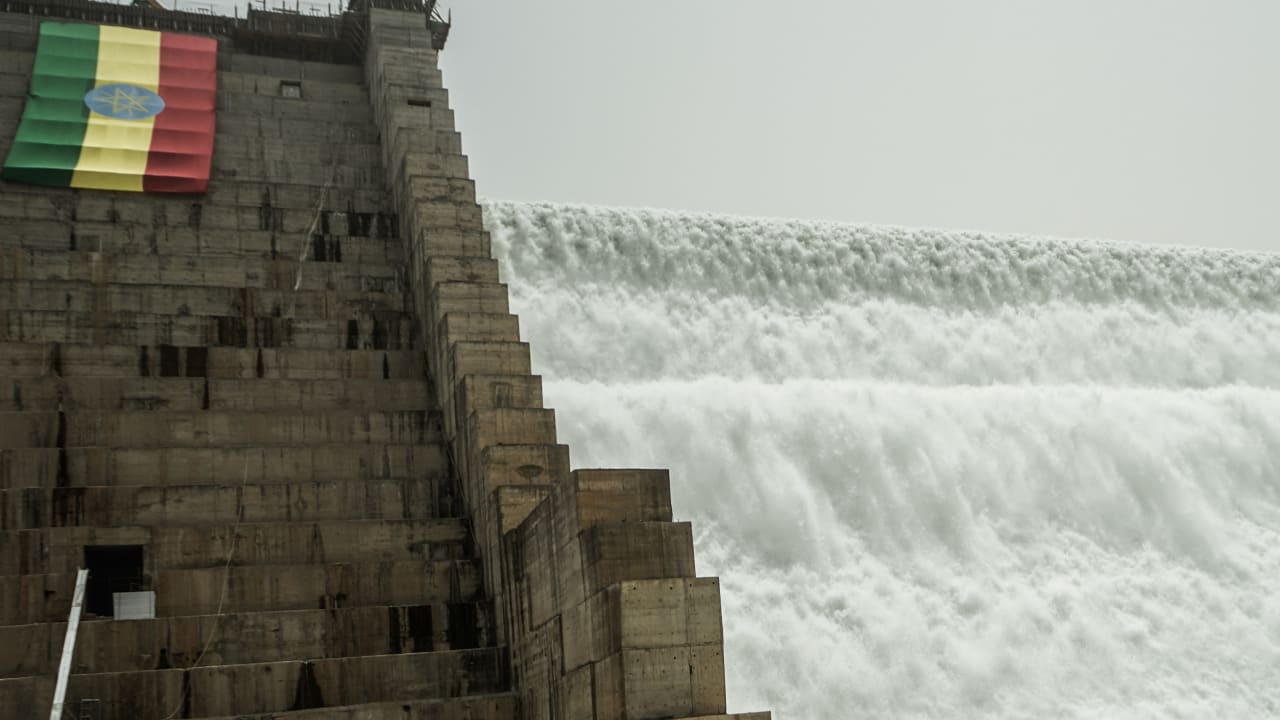
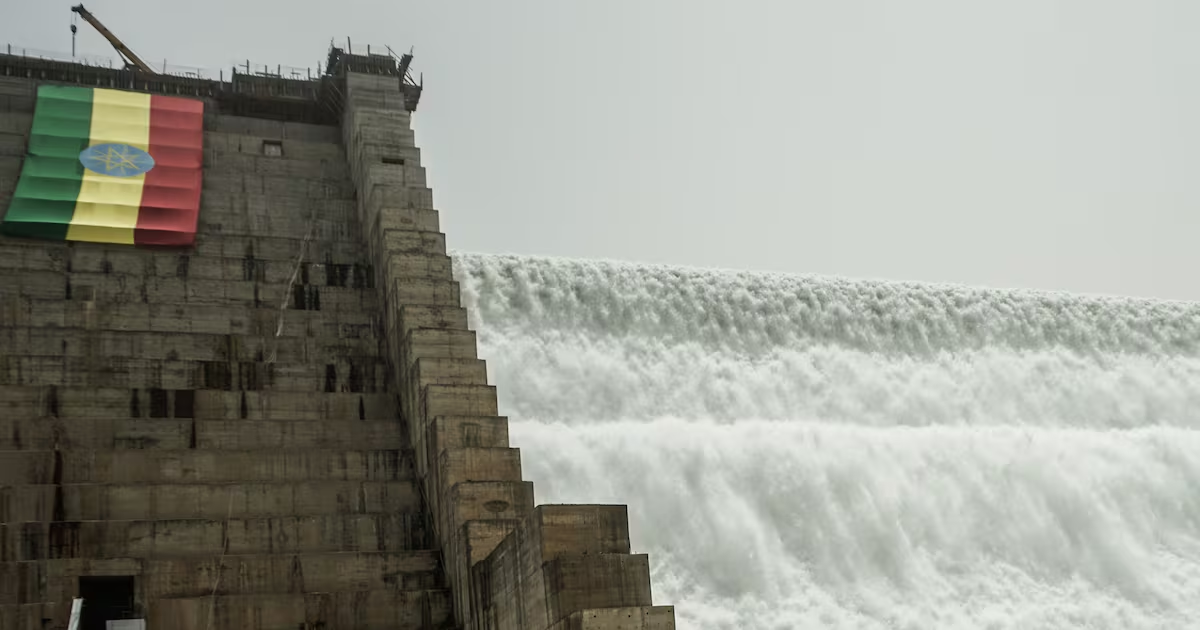
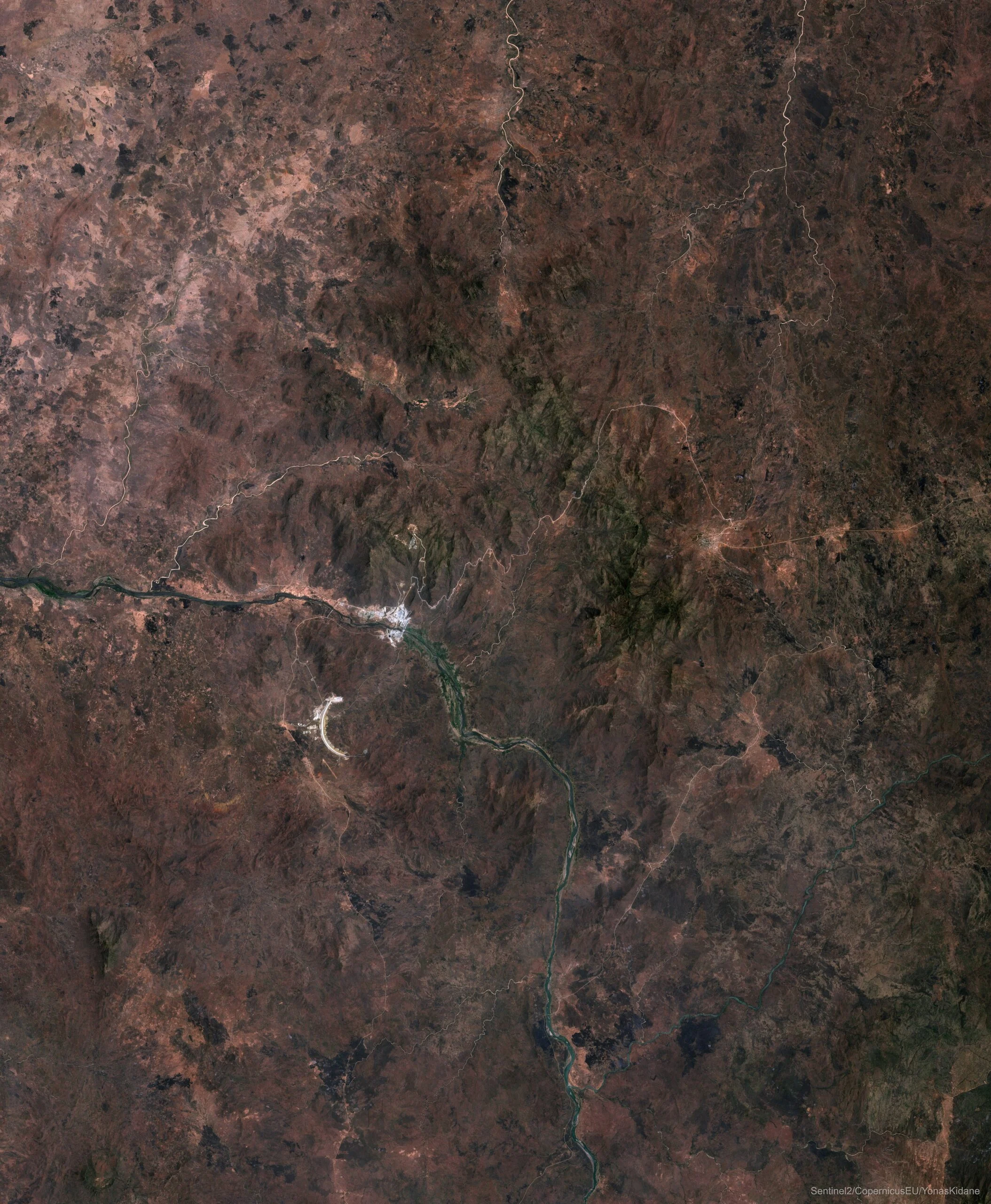
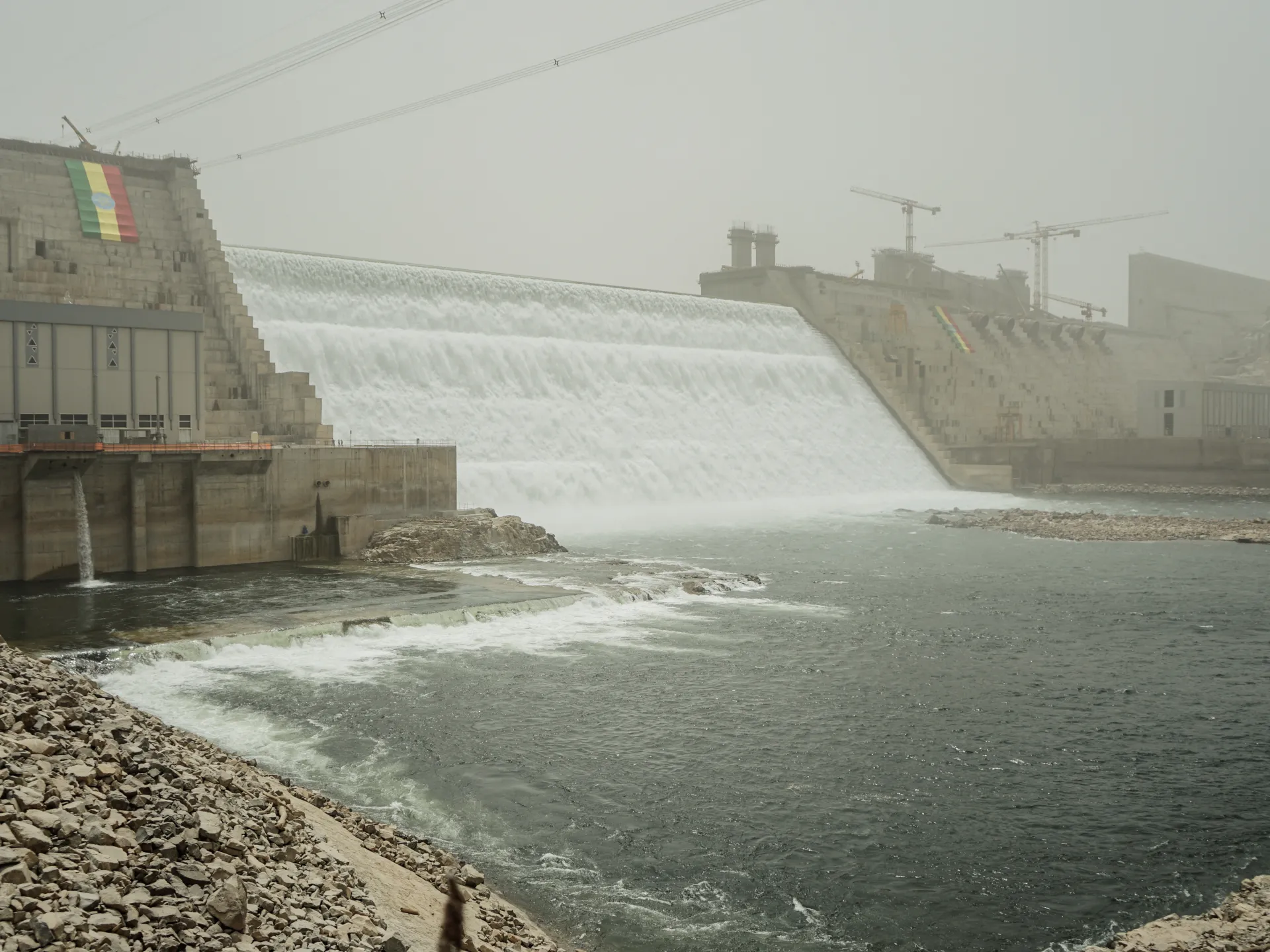
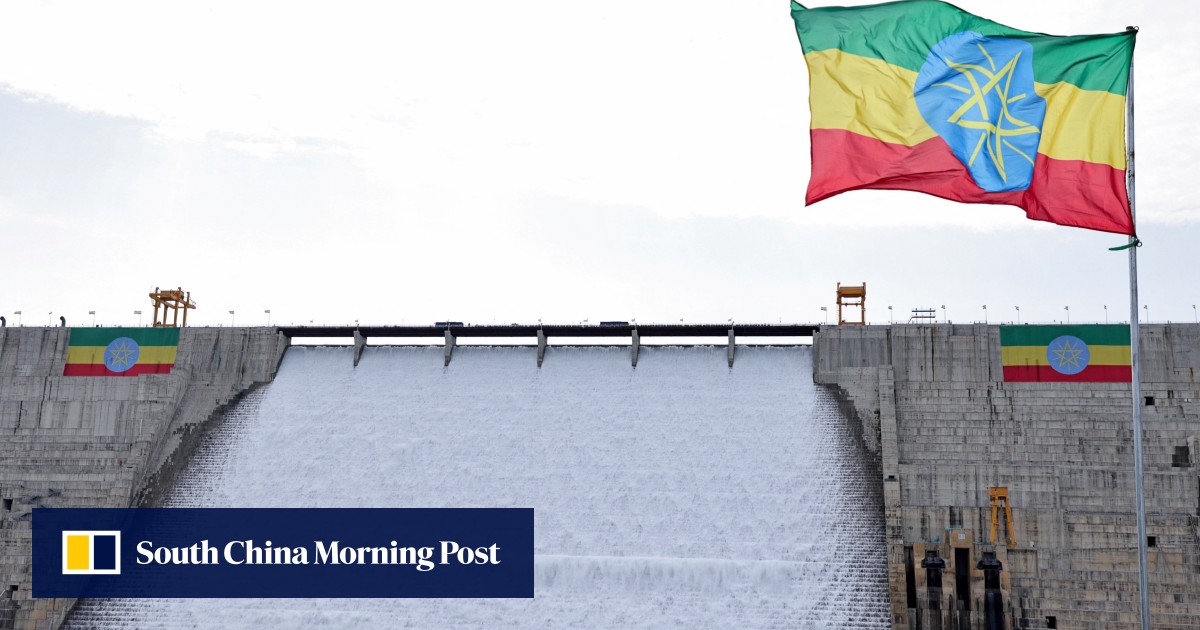
Ethiopia’s completion of the Grand Ethiopian Renaissance Dam in 2025 marked a turning point in the long-standing dispute over the Nile River. For Egypt, the dam poses a serious threat to its water supply, which relies almost entirely on the Nile. Ethiopia, on the other hand, sees the dam as a necessary step for its development and energy needs.
This growing tension is just one example of how water scarcity is becoming a major issue in the Middle East and North Africa region, with countries competing for control over increasingly limited resources. As water becomes scarcer, the risks of conflict over shared resources are rising, threatening regional stability.
Water has always been a central factor in the development of civilizations. Ancient Sumerians, Egyptians and other early societies depended on river systems like the Tigris, Euphrates and Nile to thrive. These rivers were more than just natural resources, they were the backbone of agriculture, trade and the very survival of these civilizations. For them, water was a source of life.
The ancient Egyptians referred to the Nile as the “Gift of the Nile,” viewing it as the divine source of all life. Similarly, the ancient Iranians held water in reverence as the source of life, nourishing plants, animals and humans alike. In their cosmology, water was considered the second of the seven “creations” that divided the world. This intimate connection between water and power continues today, with nations in the MENA region fiercely vying for control over shared water resources.