https://arab.news/gpaxz
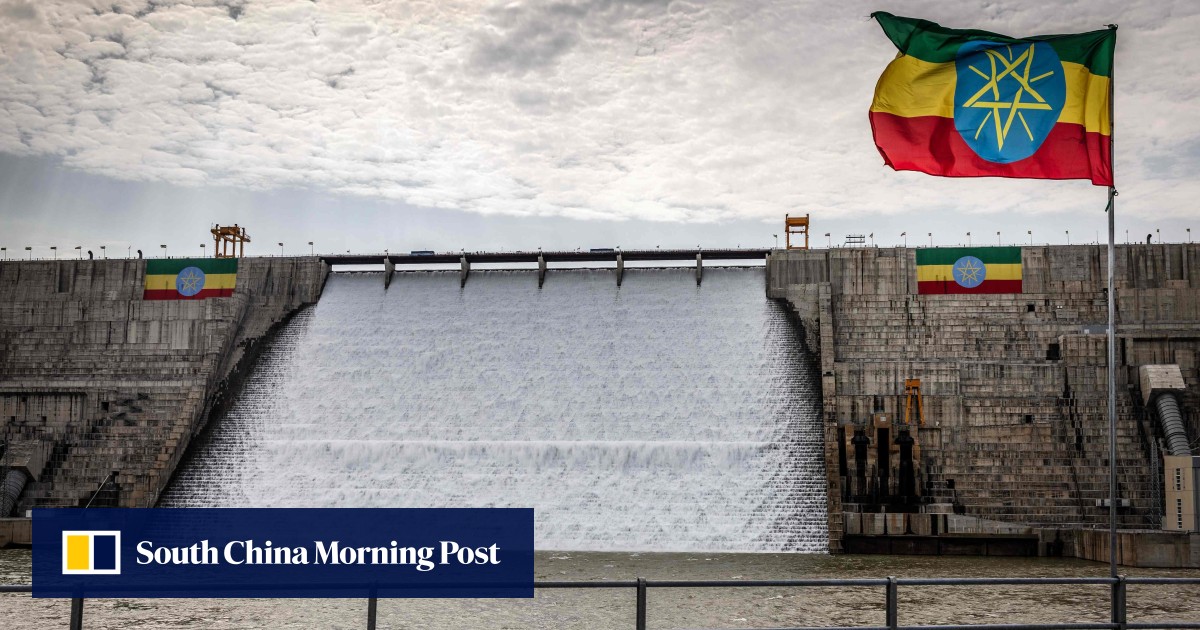
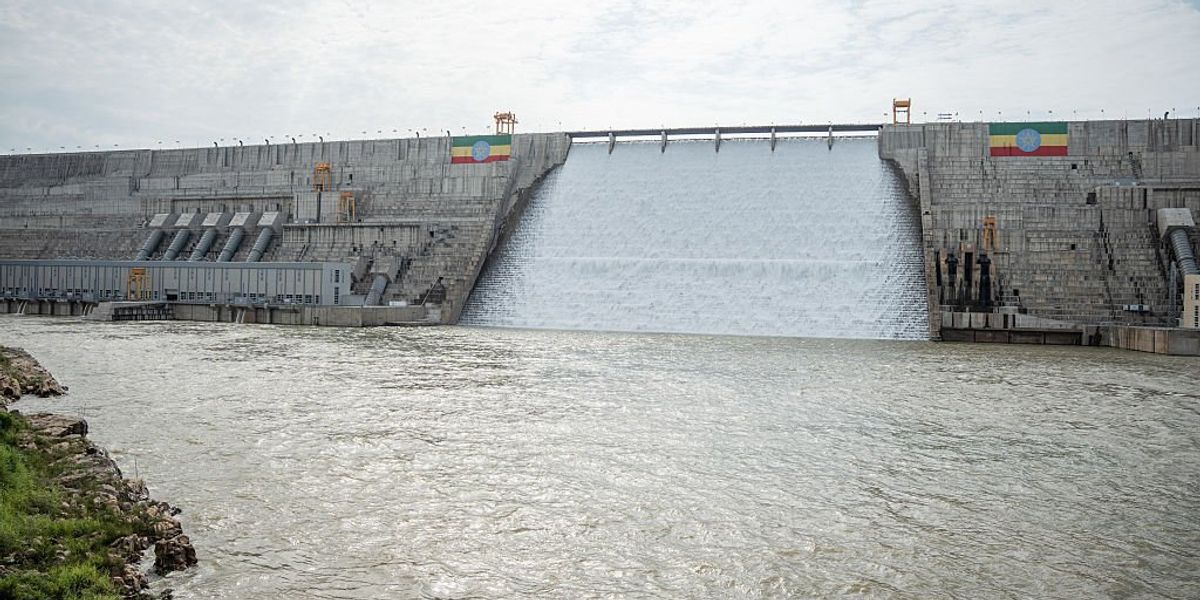
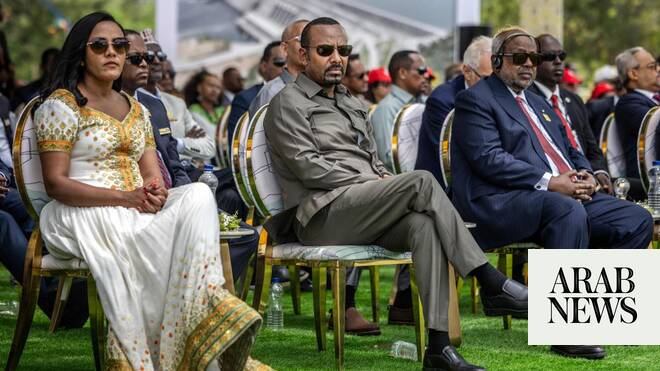
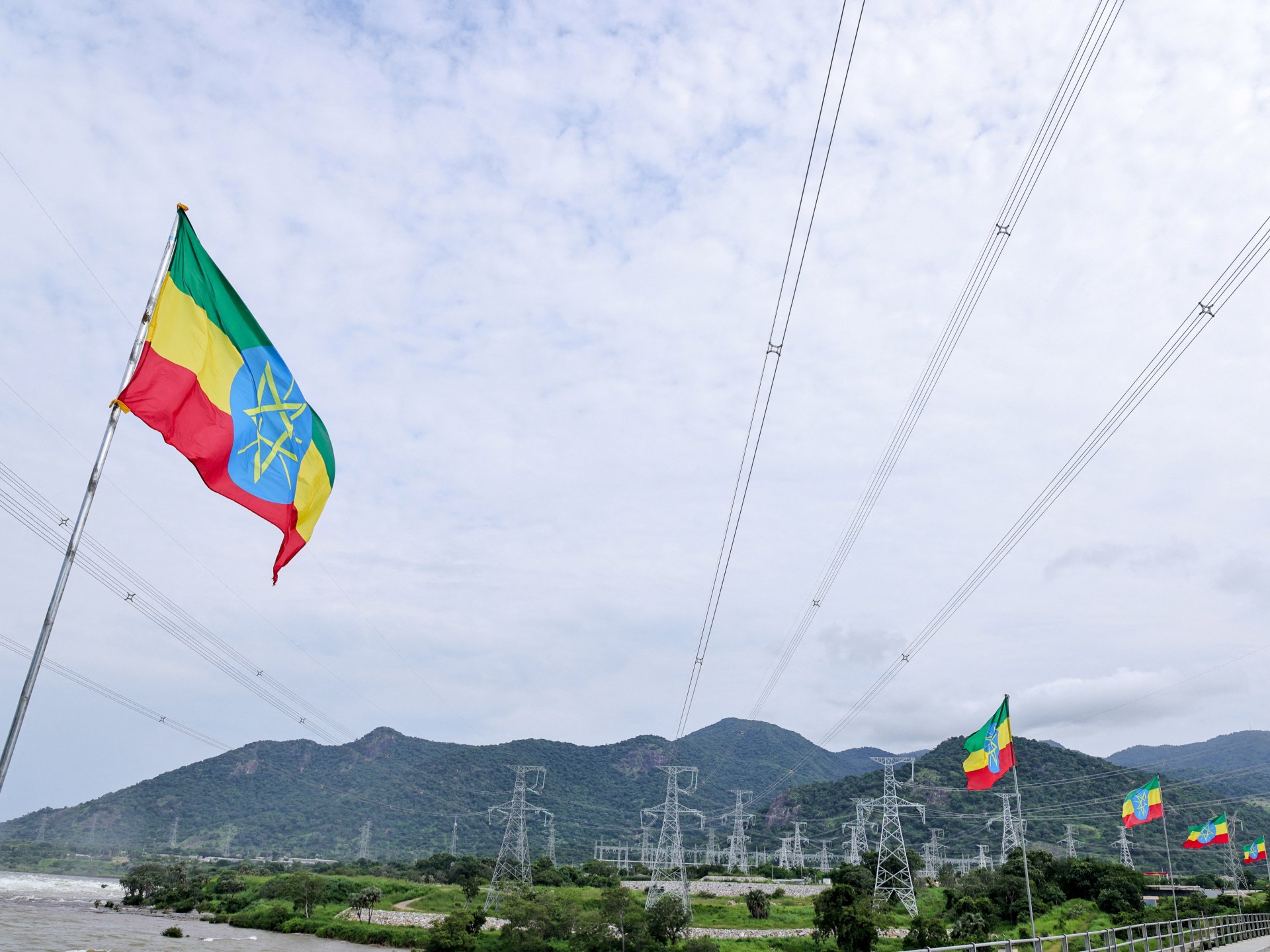
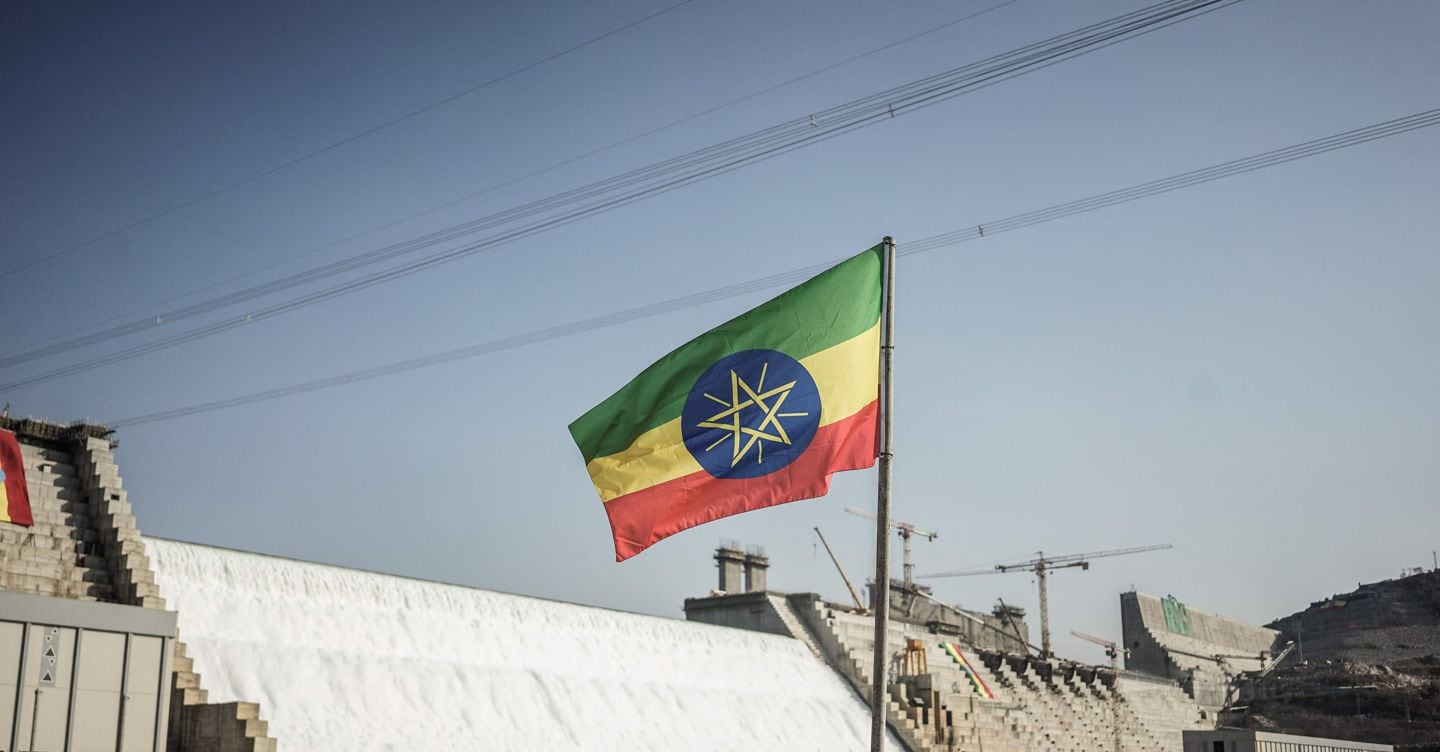
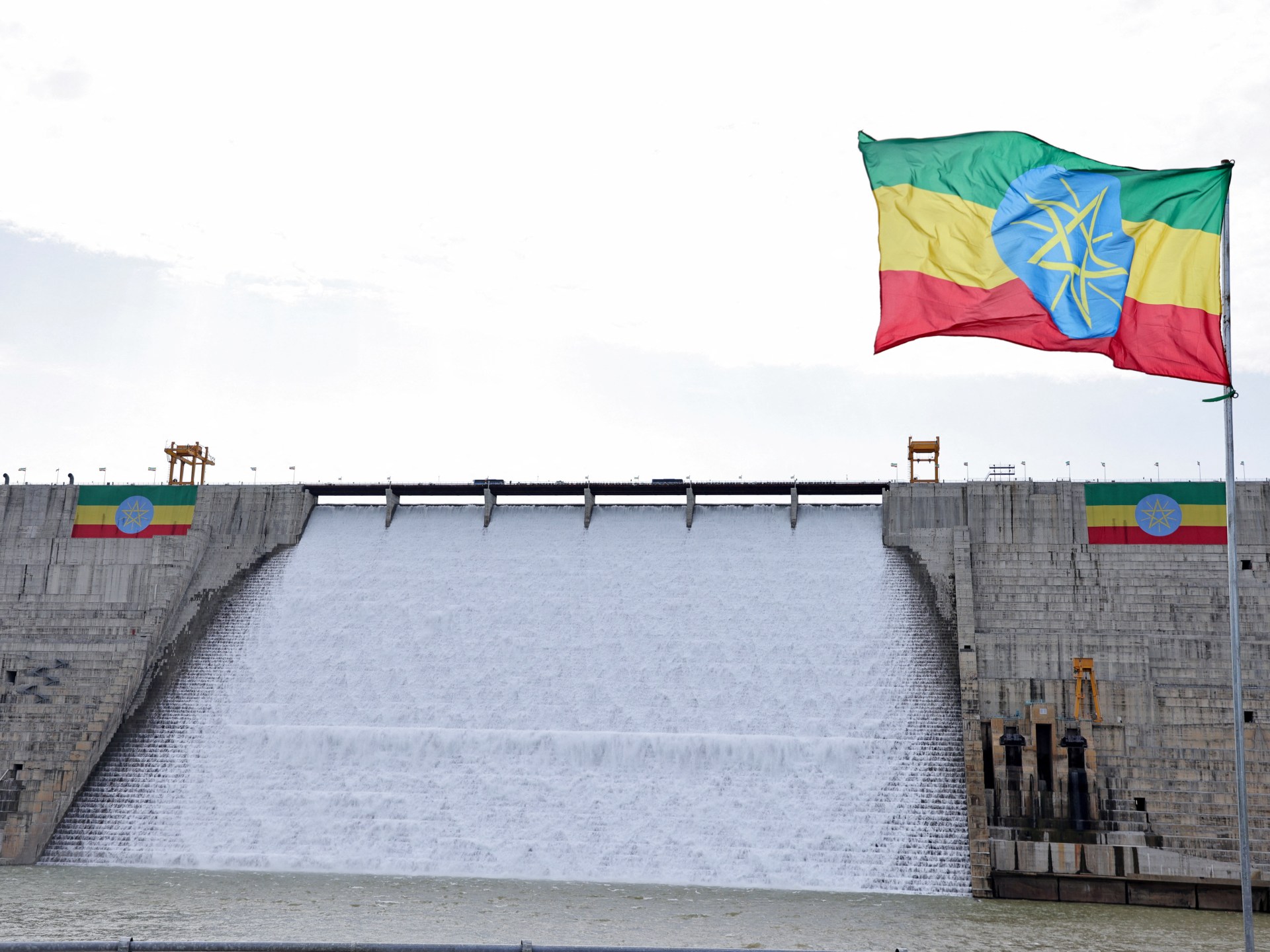
The Grand Ethiopian Renaissance Dam is once again at the heart of regional politics. Ethiopia last week officially inaugurated the project in a nationally televised spectacle, with it hailed by Prime Minister Abiy Ahmed as a “historic achievement” on par with Ethiopia’s victory at Adwa. For Cairo, it is a direct existential threat to the lifeline of more than 110 million citizens. For Addis Ababa, it is framed as a 14-year development project. Between these two starkly opposed narratives, the Nile crisis has reignited — laden with mistrust, competing claims and difficult choices ahead.
From the beginning, Egypt has viewed the dam with alarm. It already lives below the international water poverty line. The country depends on the Nile for 98 percent of its freshwater, surviving on an outdated allocation of 55.5 billion cubic meters per year, set decades ago and already insufficient for its population’s growing needs.
The new dam, with its massive 74 billion cubic meter reservoir, raises the prospect that Ethiopia could unilaterally dictate the flow of the Blue Nile — particularly in drought years — leaving Egypt vulnerable to devastating water shortages that would cripple agriculture, the economy and daily life. Sudan, though weakened by internal conflict, shares Egypt’s concerns. Its Roseires Dam and other downstream infrastructure face immediate risks if Ethiopia operates the Grand Ethiopian Renaissance Dam without transparent coordination.