WARPTECHNEWS · LAB
HomeAIBusinessTechArchive
WARPTECH LAB NEWS

Warptech Lab News aggrega le notizie più rilevanti da oltre 700 fonti internazionali, con classificazione AI, TL;DR sintetici e timeline cluster su singole storie.

Navigazione

  • Home
  • Archivio
  • Editor's Brief
  • Cerca
  • Il tuo account
  • Newsletter tech/AI

Informazioni legali

  • Privacy Policy
  • Termini di servizio
  • Cookie Policy

© 2026 Sparktech S.R.L. — Tutti i diritti riservati. Sito gestito e manutenuto da Sparktech S.R.L.

Sede legale: Corso Libertà 55, 13100 Vercelli (VC), Italia · P.IVA / C.F. 02835910023 · Contatti: admin@warptechlab.com

Home
Storia in 5 fonti

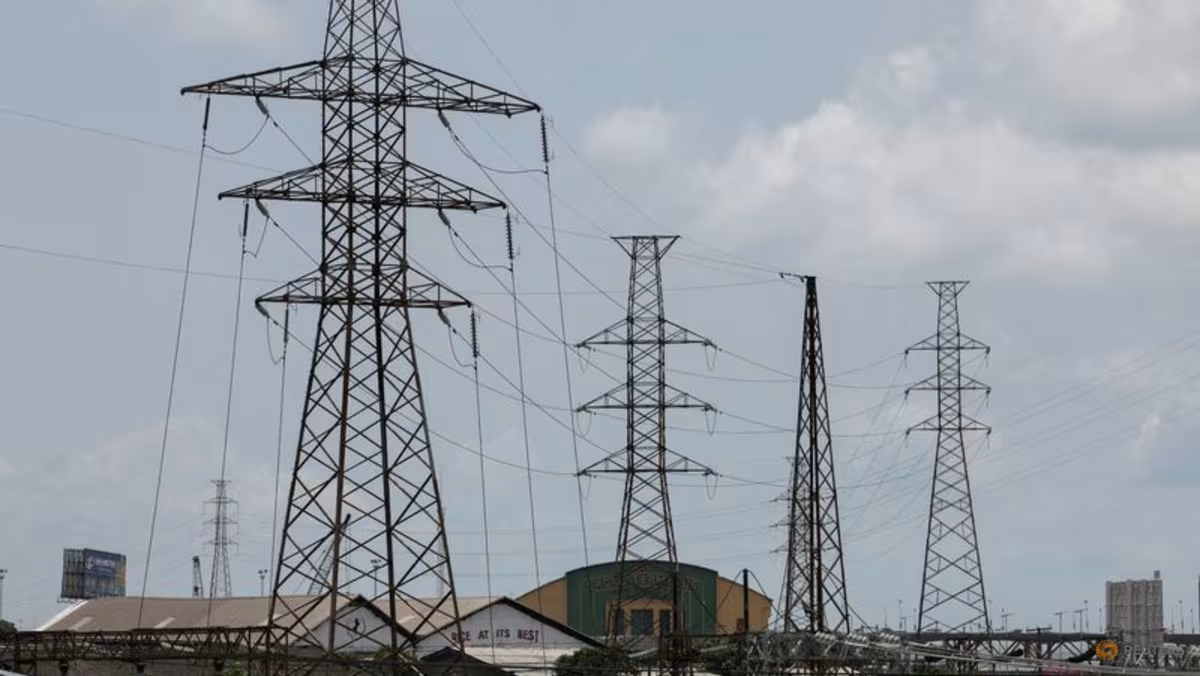
IMF warns Africa risks missing the AI boom

The continent needs boost to electricity supply, internet access and digital skills, report says

Raccontata dachannelnewsasia.comeconomictimes.indiatimes.combusinessday.co.zapunchng.comafrica.businessinsider.com

Confronto fonti

5 prospettive sulla stessa storia
AI · summaries
businessday.co.zaStai leggendo1 g fa

IMF warns Africa risks missing the AI boom

The continent needs boost to electricity supply, internet access and digital skills, report says

originale
africa.businessinsider.com6 h fa

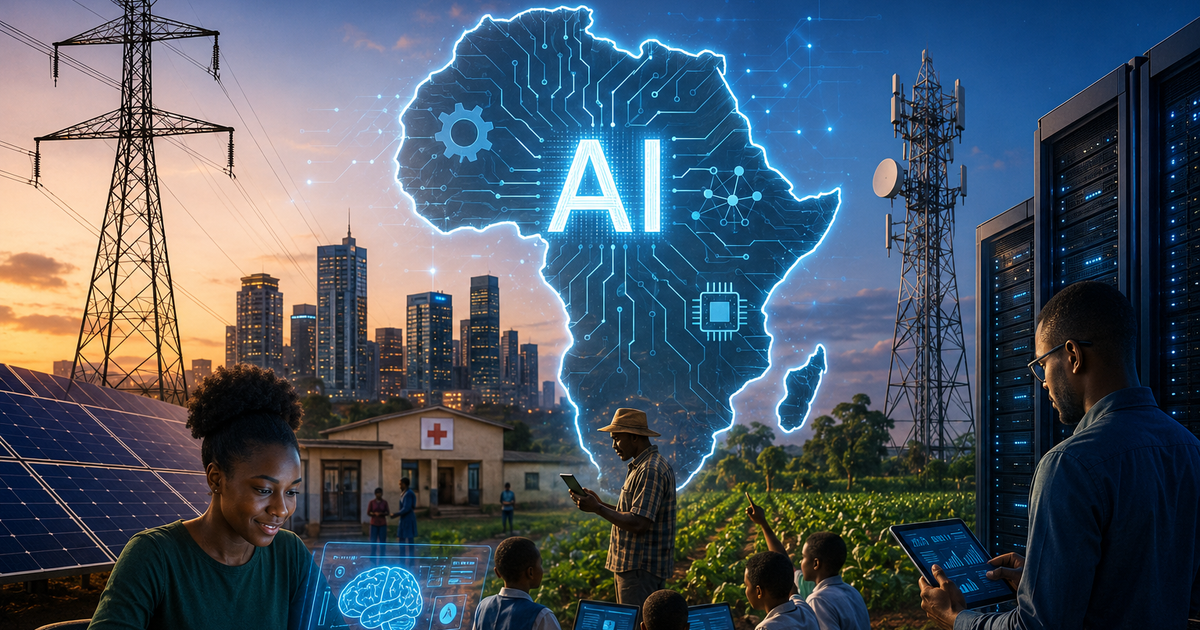
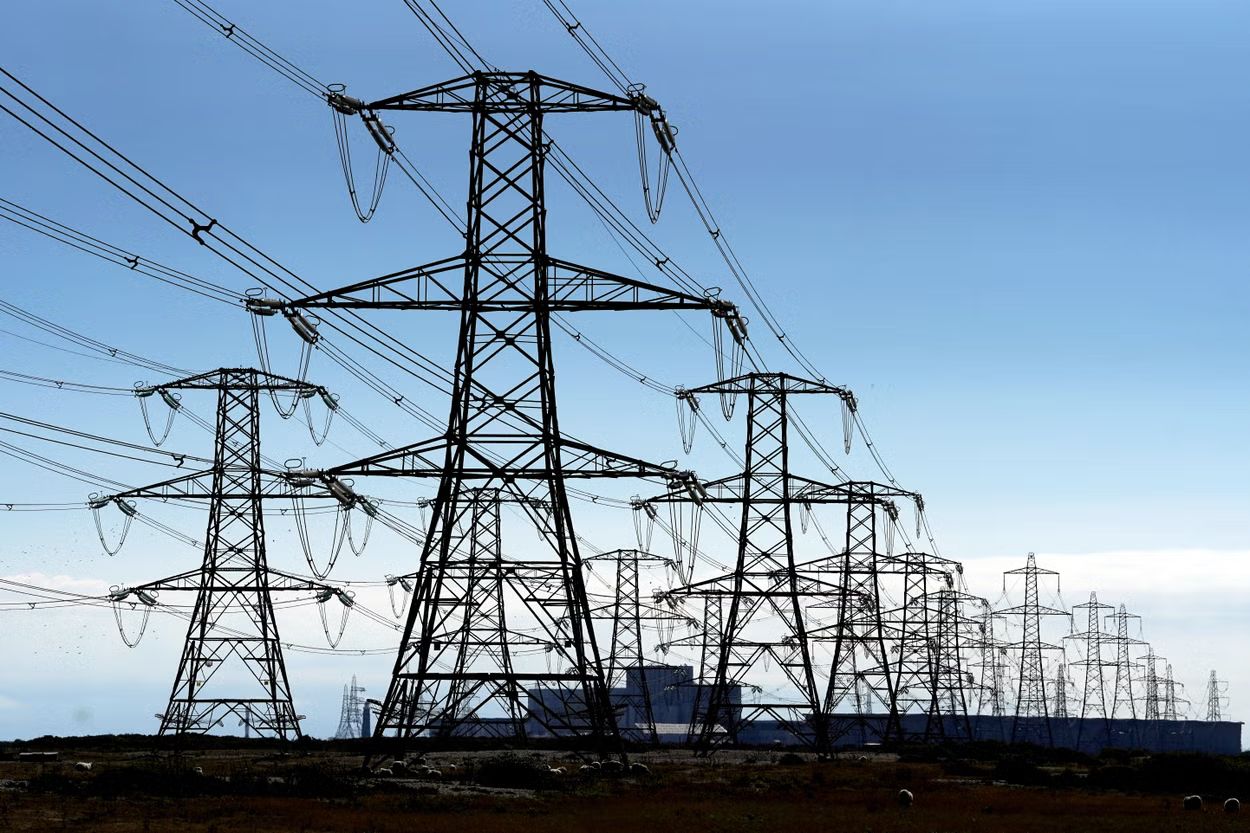
Africa could unlock billions from AI—but electricity shortages threaten the opportunity, IMF warns

The IMF says AI could boost Sub-Saharan Africa’s economy by 4% over the next decade, but poor electricity, internet access and digital skills could leave the region behind

Leggi questa versione → originale
channelnewsasia.com1 g fa

AI could lift Sub-Saharan Africa economy 4% if power, internet improve, IMF says

JOHANNESBURG, July 21 : Artificial intelligence could boost Sub-Saharan Africa's economy by about 4 per cent over the next decade with better electricity supply, internet access and digital skills, an International…

Leggi questa versione → originale
economictimes.indiatimes.com1 g fa

AI could lift Sub-Saharan Africa economy 4% if power, internet improve, IMF says - The Economic Times

As countries ‌and companies race ⁠to secure ⁠AI's economic benefits, investment in data centres, energy infrastructure and digital networks is surging worldwide.

Leggi questa versione → originale
punchng.com1 g fa

AI could add 4% to Nigeria, sub-Saharan Africa's GDP, says IMF

The IMF reports that AI could add 4% to Nigeria and sub-Saharan Africa's GDP over the next decade with strategic investment in digital infrastructure and s

Leggi questa versione → originale

Timeline cronologica

  1. martedì 21 luglio 2026·channelnewsasia.com

    AI could lift Sub-Saharan Africa economy 4% if power, internet improve, IMF says

    JOHANNESBURG, July 21 : Artificial intelligence could boost Sub-Saharan Africa's economy by about 4 per cent over the next decade with better electricity supply, internet access…

  2. martedì 21 luglio 2026·economictimes.indiatimes.com

    AI could lift Sub-Saharan Africa economy 4% if power, internet improve, IMF says - The Economic Times
    As countries ‌and companies race ⁠to secure ⁠AI's economic benefits, investment in data centres, energy infrastructure and digital networks is surging worldwide.

  3. martedì 21 luglio 2026·businessday.co.za

    IMF warns Africa risks missing the AI boom

    The continent needs boost to electricity supply, internet access and digital skills, report says

  4. martedì 21 luglio 2026·punchng.com

    AI could add 4% to Nigeria, sub-Saharan Africa's GDP, says IMF

    The IMF reports that AI could add 4% to Nigeria and sub-Saharan Africa's GDP over the next decade with strategic investment in digital infrastructure and s

  5. mercoledì 22 luglio 2026·punchng.com

    AI can boost Nigeria’s GDP by 4% – IMF

    The IMF reports AI could increase Nigeria's GDP by 4% over the next decade with strategic investment in digital infrastructure, skills, and governance.

  6. mercoledì 22 luglio 2026·africa.businessinsider.com

    Africa could unlock billions from AI—but electricity shortages threaten the opportunity, IMF warns

    The IMF says AI could boost Sub-Saharan Africa’s economy by 4% over the next decade, but poor electricity, internet access and digital skills could leave the region behind