WARPTECHNEWS · LAB
HomeAIBusinessTechArchive
WARPTECH LAB NEWS

Warptech Lab News aggrega le notizie più rilevanti da oltre 700 fonti internazionali, con classificazione AI, TL;DR sintetici e timeline cluster su singole storie.

Navigazione

  • Home
  • Archivio
  • Editor's Brief
  • Cerca
  • Il tuo account
  • Newsletter tech/AI

Informazioni legali

  • Privacy Policy
  • Termini di servizio
  • Cookie Policy

© 2026 Sparktech S.R.L. — Tutti i diritti riservati. Sito gestito e manutenuto da Sparktech S.R.L.

Sede legale: Corso Libertà 55, 13100 Vercelli (VC), Italia · P.IVA / C.F. 02835910023 · Contatti: admin@warptechlab.com

Home
Storia in 2 fonti

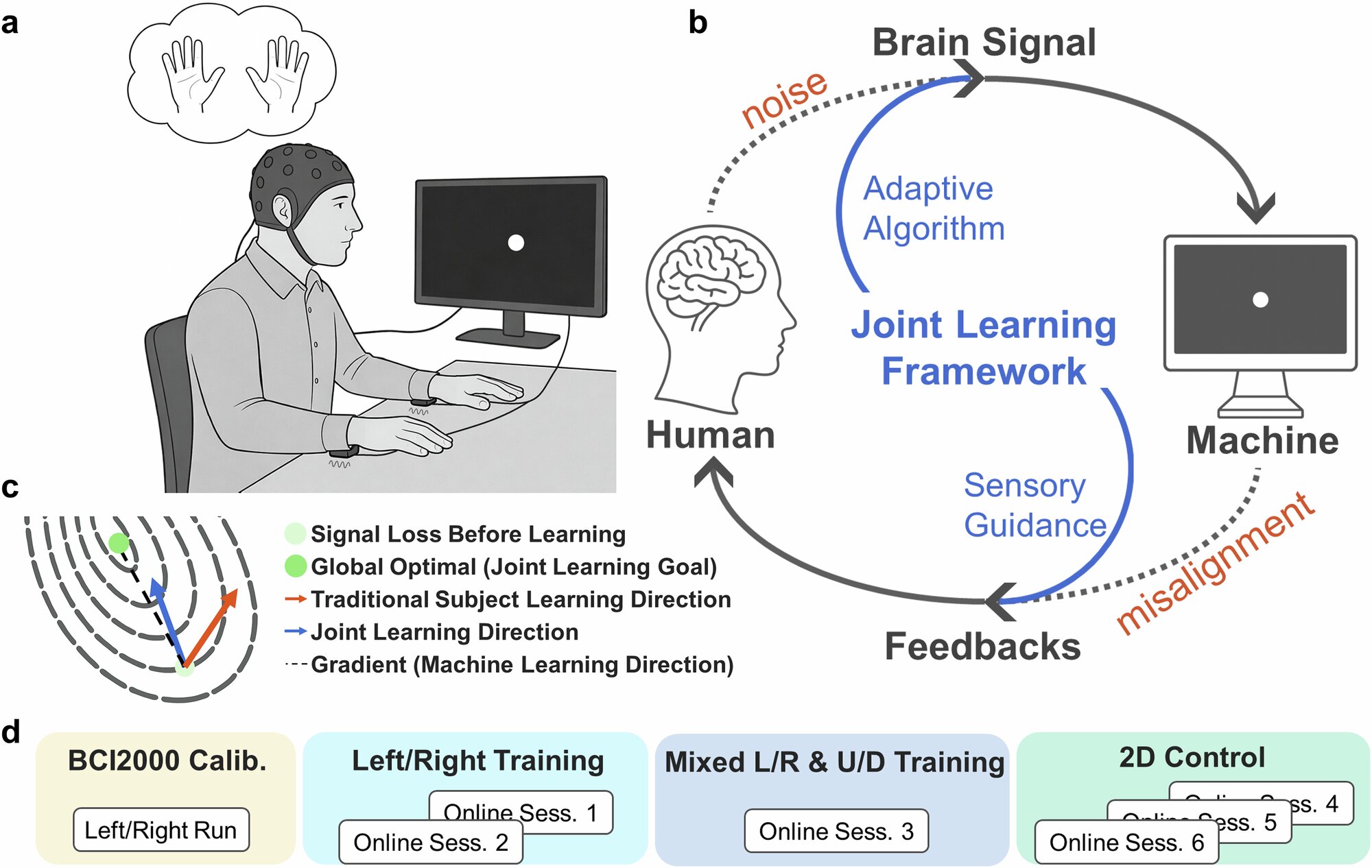
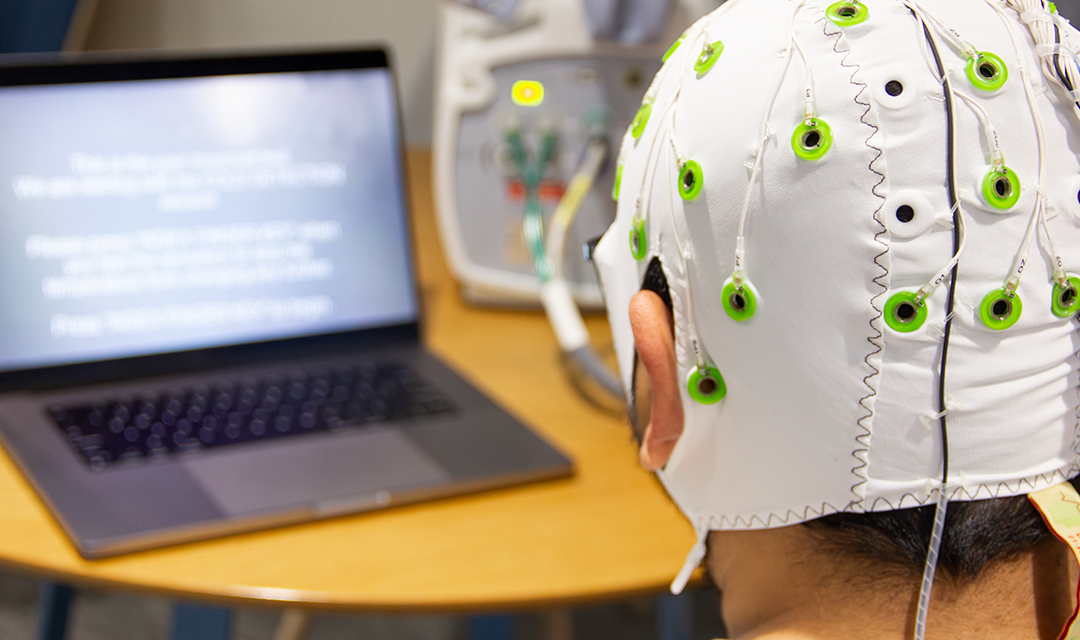
Human-machine learning boosts noninvasive brain-computer control in untrained users

Implantable devices in the brain have been used for about 30 years to assist people with disabilities in completing motor tasks. However, the devices are simply not accessible to the vast majority of people who need help. Despite decades of work in this field, fewer than 100 people worldwide have benefited from the technology. The costs are prohibitive, and the brain surgeries are inherently risky.

Raccontata datechxplore.comengineering.cmu.edu

Confronto fonti

2 prospettive sulla stessa storia
AI · summaries
techxplore.comStai leggendo2 g fa

Human-machine learning boosts noninvasive brain-computer control in untrained users

Implantable devices in the brain have been used for about 30 years to assist people with disabilities in completing motor tasks. However, the devices are simply not accessible to the vast majority of people who need…

originale
engineering.cmu.edu2 g fa

Joint human-machine learning improves non-invasive BCI outcomes

New research published in Nature Communications signals significant acceleration of control in non-invasive brain-computer interfaces when utilizing both human and machine learning.

Leggi questa versione → originale

Timeline cronologica

  1. mercoledì 15 luglio 2026·techxplore.com

    Human-machine learning boosts noninvasive brain-computer control in untrained users

    Implantable devices in the brain have been used for about 30 years to assist people with disabilities in completing motor tasks. However, the devices are simply not accessible to…

  2. mercoledì 15 luglio 2026·engineering.cmu.edu

    Joint human-machine learning improves non-invasive BCI outcomes

    New research published in Nature Communications signals significant acceleration of control in non-invasive brain-computer interfaces when utilizing both human and machine…