HomeAI · summaries
Storia in 6 fonti
China's oil imports have plunged during the Iran war. How much will they recover?
China's oil imports have significantly decreased since April. This reduction has kept global prices stable and freed up supply. Analysts are uncertain about the permanence of this demand drop. Factors like electric vehicle adoption and industrial slowdown influence future consumption. Stockpiling and fuel export policies will also shape import levels.
Confronto fonti
6 prospettive sulla stessa storiaTimeline cronologica
- ·
energyintel.com
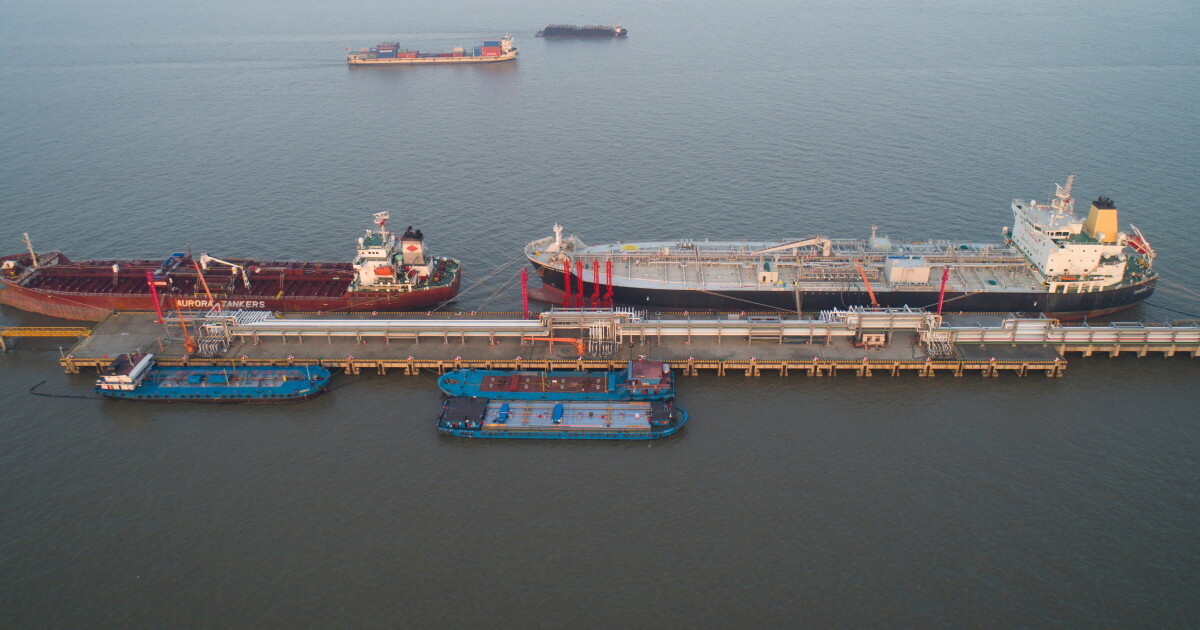
What’s Driving China’s Sharp Decline in Oil Imports?
China’s falling oil imports signal a strategic shift from securing crude supplies toward managing costs, strengthening energy security, argues Fu Chengyu.
- ·
economictimes.indiatimes.com
China's oil fortress will reshape the global order
China shielded itself from the Iran war's energy shock by cutting crude imports and restricting fuel exports. This move demonstrated its capacity to manage global energy flows…