WARPTECHNEWS · LAB
HomeAIBusinessTechArchive
WARPTECH LAB NEWS

Warptech Lab News aggrega le notizie più rilevanti da oltre 700 fonti internazionali, con classificazione AI, TL;DR sintetici e timeline cluster su singole storie.

Navigazione

  • Home
  • Archivio
  • Editor's Brief
  • Cerca
  • Il tuo account
  • Newsletter tech/AI

Informazioni legali

  • Privacy Policy
  • Termini di servizio
  • Cookie Policy

© 2026 Sparktech S.R.L. — Tutti i diritti riservati. Sito gestito e manutenuto da Sparktech S.R.L.

Sede legale: Corso Libertà 55, 13100 Vercelli (VC), Italia · P.IVA / C.F. 02835910023 · Contatti: admin@warptechlab.com

Home
Storia in 6 fonti

Germany launches national low-water monitoring system amid use restrictions

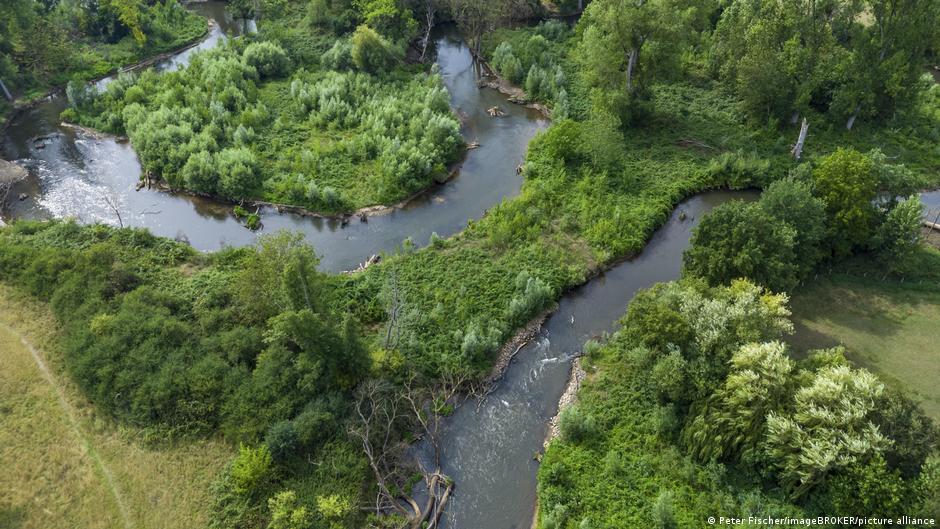
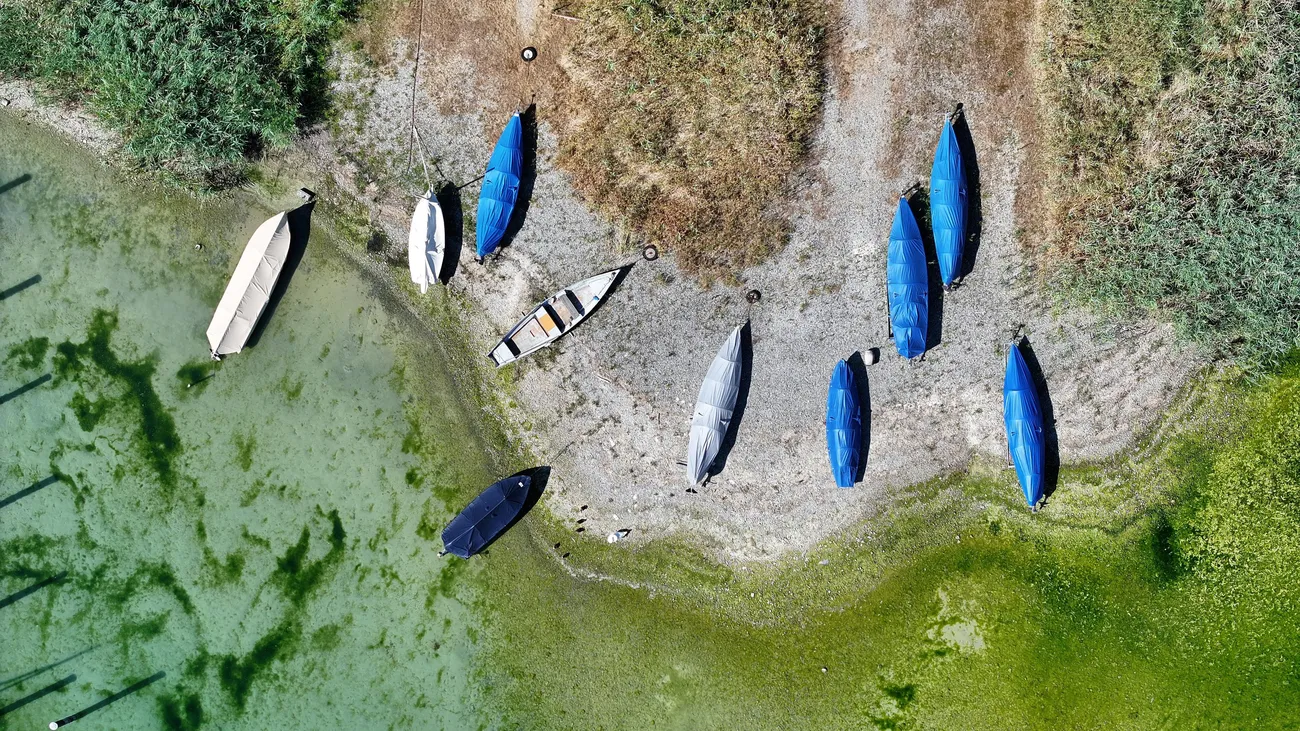
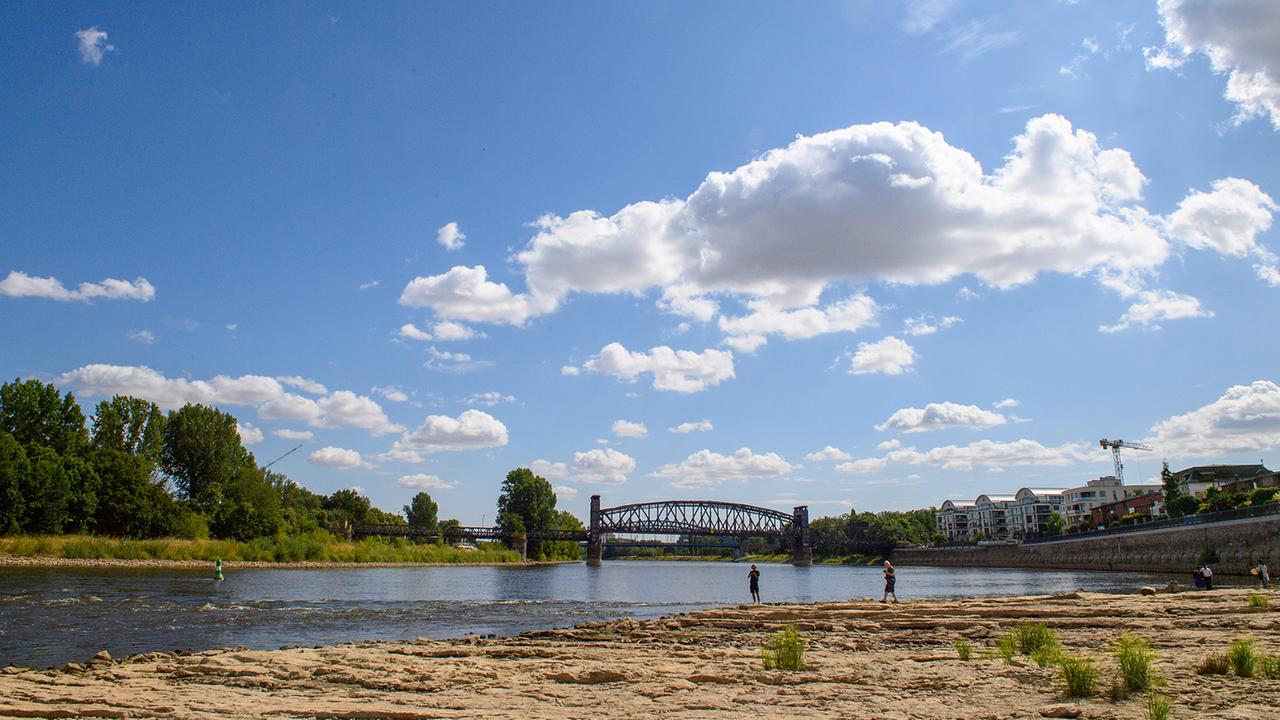
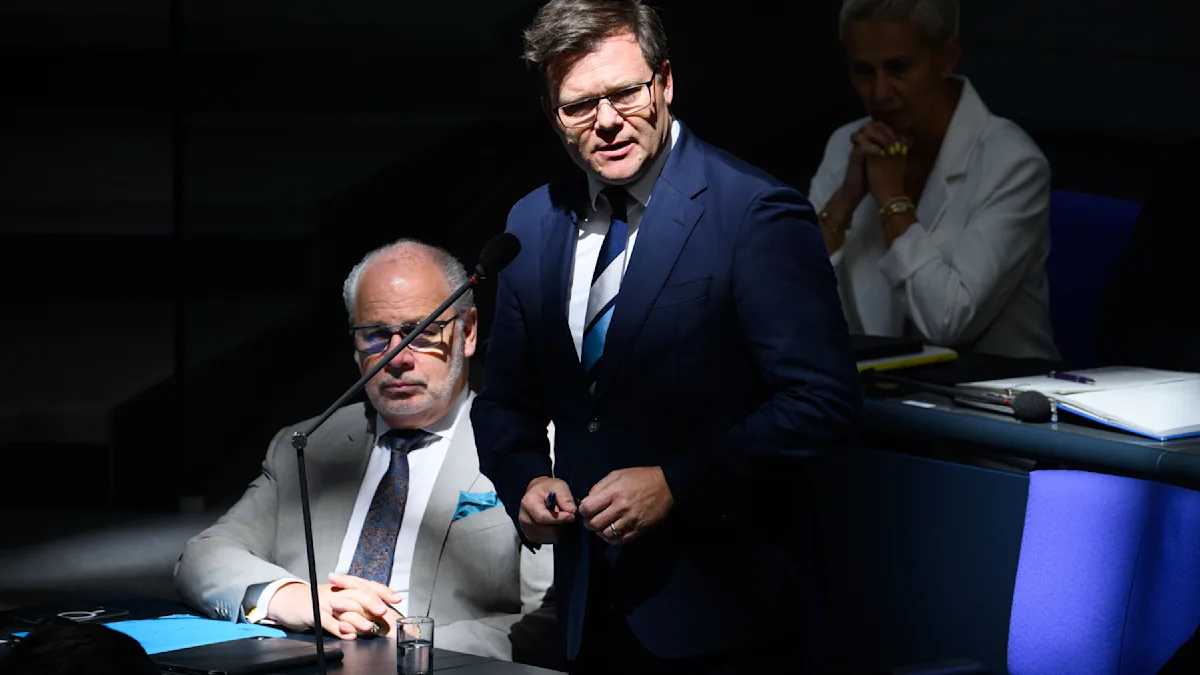
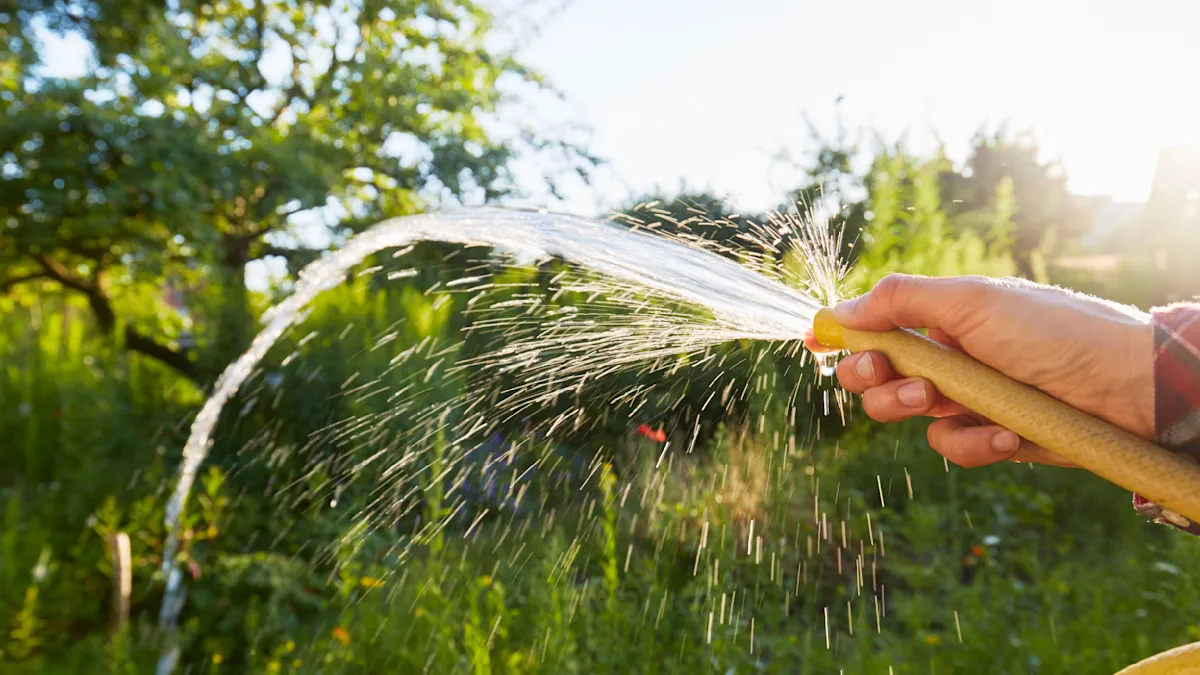
Germany’s government has launched a low-water monitoring system to provide local authorities, companies and citizens with real-time information on water supply and potential shortages. Environment minister Carsten Schneider presented the platform, named NIWIS, which will be used to improve prevention and adaptation measures for coping with droughts and other climate-related impacts on water levels. “Climate change is putting an ever greater strain on our water resources,” Schneider said, pointing out that low water levels in rivers groundwater, as well as dry soils, are no longer an exception. “That is why we have to identify water shortages earlier and need to improve prevention,” he said. Global warming is making water stress situations more likely and more severe, also in Germany, the environment ministry said, pointing in particular at the years between 2015 and 2020 as a strain on the country’s water resources. Information on groundwater and river levels, precipitation as well as soil moisture so far had only been available in regionally fragmented and non-standardised datasets, a monitoring gap that NIWIS is meant to close. By merging federal and state data daily, the system that is part of Germany’s national water strategy makes relevant information on low water available to experts and the public on a single platform.Many cities and municipalities across the country imposed water-use restrictions in mid-July, following months of low precipitation and an unprecedented heat wave in June across large parts of Europe. Germany’s meteorological service DWD classified the event as a “watershed” for Germany, which must now prepare for climatic stress situations similar to those of Mediterranean countries. The city of Munich, in the southern state Bavaria, for example, prohibited water use for swimming pools and lawn watering, aiming to cut consumption by up to 20 percent, public broadcaster BR reported. The northeastern city of Potsdam imposed restrictions until October, underlining the seriousness of the saving efforts with fines of up to 50,000 euros, according to newspaper Tagesspiegel. “Low water situations develop slowly. Unlike floods, they do not appear suddenly, but often linger for weeks or months, impacting entire regions,” the ministry said, adding that the consequences of water stress are often underestimated. “If rivers do not carry enough water, this has far-reaching implications.” Inland navigation and freight transport become unviable, companies suffer supply chain disruptions, power plants and industry lack cooling water, farmers face crop losses, and regional drinking water supplies come under pressure, the ministry warned. Moreover, ecosystems suffer from higher temperatures in low-lying rivers, water quality declines and species lose habitat. Groundwater levels in Germany are under stress from a range of factors, including longer dry spells caused by global warming and local withdrawal for industry production or for energy generation purposes. Meanwhile, water use could increase in future, for example through the expansion of data centres in need of cooling, and battery and semiconductor factories. In the region surrounding Germany's capital Berlin, this has led to calls for increasing water prices to curb industry demand.

Raccontata dadw.comzeit.decleanenergywire.orgwelt.desueddeutsche.detaz.de

Confronto fonti

6 prospettive sulla stessa storia
AI · summaries
cleanenergywire.orgStai leggendo12 h fa

Germany launches national low-water monitoring system amid use restrictions

Germany’s government has launched a low-water monitoring system to provide local authorities, companies and citizens with real-time information on water supply and potential shortages. Environment minister Carsten…

originale
dw.com1 g fa

Running dry: How to store more groundwater for dry seasons

More frequent weather extremes are leading to water shortages during droughts, and flooding during heavy rain. But groundwater storage can help secure water for dry seasons while mitigating extreme rain.

Leggi questa versione → originale
zeit.de1 g fa

Niedrigwasserinformationssystem: Bund startet Informationssystem für Niedrigwasser

Die Bundesregierung hat ein Informationssystem für Niedrigwasser vorgestellt. So soll ein Überblick über Wasserstände möglich und die Vorsorge verbessert werden.
Leggi questa versione → originale
sueddeutsche.de19 h fa

Wegen Hitze und Trockenheit Debatte um Wasserverbrauch

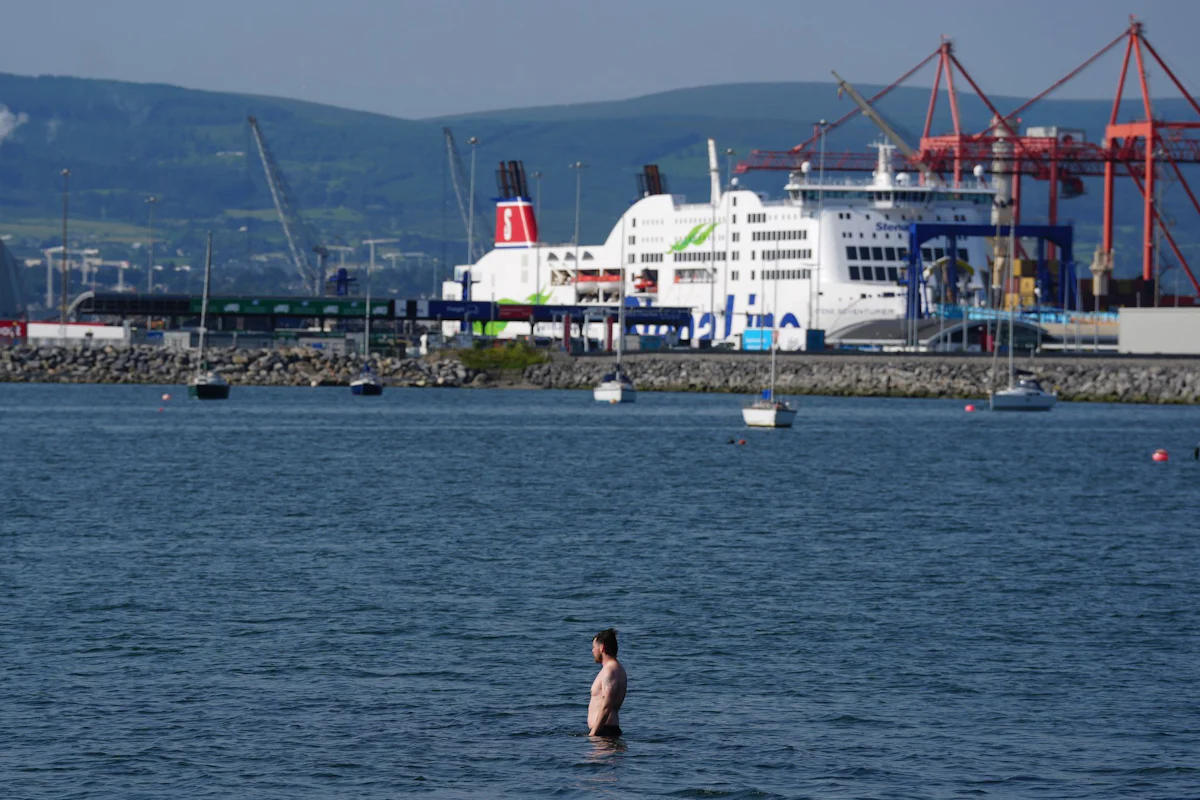
Dublin/Berlin (dpa) - Die hohen Temperaturen sorgen nun auch im vermeintlich immergrünen Irland für Einschränkungen beim Wasserverbrauch. Seit der Nacht gilt in Dublin und Teilen Ostirlands eine sechswöchige „Water…

Leggi questa versione → originale
taz.de5 h fa

Wasser wird knapp: Das sind nur die Vorboten

Der Klimawandel sorgt nicht nur für Stürme und Dürre, sondern auch für Wasserknappheit. Das spüren seit einigen Jahren auch die Kommunen in Deutschland.

Leggi questa versione → originale
welt.de1 g fa

Grundwasser in Niedersachsen wird vielerorts knapp - WELT

An 13 Messstellen ist das Grundwasser so niedrig wie nie zuvor. Der Umweltminister spricht bereits von einer Krise. Ein neuer «Masterplan» soll helfen – auch gegen zu viel Wasser.

Leggi questa versione → originale

Timeline cronologica

  1. mercoledì 15 luglio 2026·dw.com

    Running dry: How to store more groundwater for dry seasons

    More frequent weather extremes are leading to water shortages during droughts, and flooding during heavy rain. But groundwater storage can help secure water for dry seasons while…

  2. mercoledì 15 luglio 2026·zeit.de

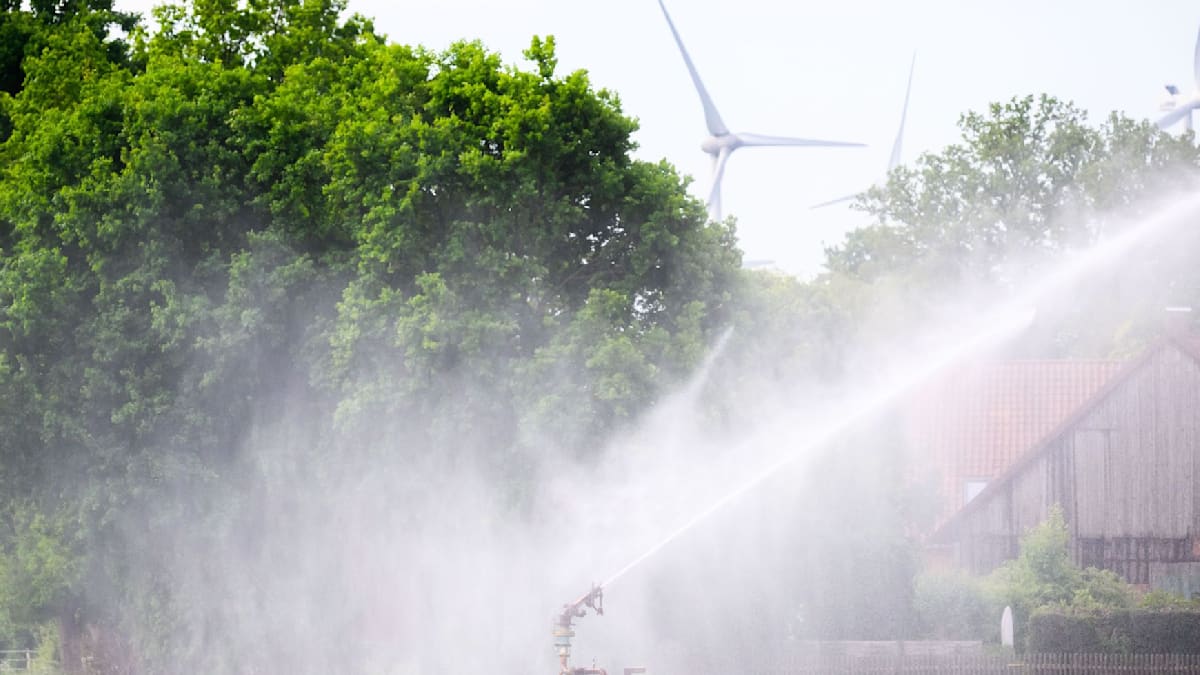
    Niedrigwasserinformationssystem: Bund startet Informationssystem für Niedrigwasser

    Die Bundesregierung hat ein Informationssystem für Niedrigwasser vorgestellt. So soll ein Überblick über Wasserstände möglich und die Vorsorge verbessert werden.
  3. mercoledì 15 luglio 2026·cleanenergywire.org

    Germany's adaptation efforts still lagging five years after Ahr Valley flood desaster - expert

    Five years after devastating floods destroyed parts of the Ahr Valley and adjacent regions in western Germany and neighbouring countries, experts warn that a similar event could…

  4. mercoledì 15 luglio 2026·welt.de

    Grundwasser in Niedersachsen wird vielerorts knapp - WELT

    An 13 Messstellen ist das Grundwasser so niedrig wie nie zuvor. Der Umweltminister spricht bereits von einer Krise. Ein neuer «Masterplan» soll helfen – auch gegen zu viel Wasser.

  5. giovedì 16 luglio 2026·sueddeutsche.de

    Wegen Hitze und Trockenheit Debatte um Wasserverbrauch

    Dublin/Berlin (dpa) - Die hohen Temperaturen sorgen nun auch im vermeintlich immergrünen Irland für Einschränkungen beim Wasserverbrauch. Seit der Nacht gilt in Dublin und Teilen…

  6. giovedì 16 luglio 2026·cleanenergywire.org

    Germany launches national low-water monitoring system amid use restrictions

    Germany’s government has launched a low-water monitoring system to provide local authorities, companies and citizens with real-time information on water supply and potential…

  7. giovedì 16 luglio 2026·taz.de

    Wasser wird knapp: Das sind nur die Vorboten

    Der Klimawandel sorgt nicht nur für Stürme und Dürre, sondern auch für Wasserknappheit. Das spüren seit einigen Jahren auch die Kommunen in Deutschland.