WARPTECHNEWS · LAB
HomeAIBusinessTechArchive
WARPTECH LAB NEWS

Warptech Lab News aggrega le notizie più rilevanti da oltre 700 fonti internazionali, con classificazione AI, TL;DR sintetici e timeline cluster su singole storie.

Navigazione

  • Home
  • Archivio
  • Editor's Brief
  • Cerca
  • Il tuo account
  • Newsletter tech/AI

Informazioni legali

  • Privacy Policy
  • Termini di servizio
  • Cookie Policy

© 2026 Sparktech S.R.L. — Tutti i diritti riservati. Sito gestito e manutenuto da Sparktech S.R.L.

Sede legale: Corso Libertà 55, 13100 Vercelli (VC), Italia · P.IVA / C.F. 02835910023 · Contatti: admin@warptechlab.com

Home
Storia in 2 fonti

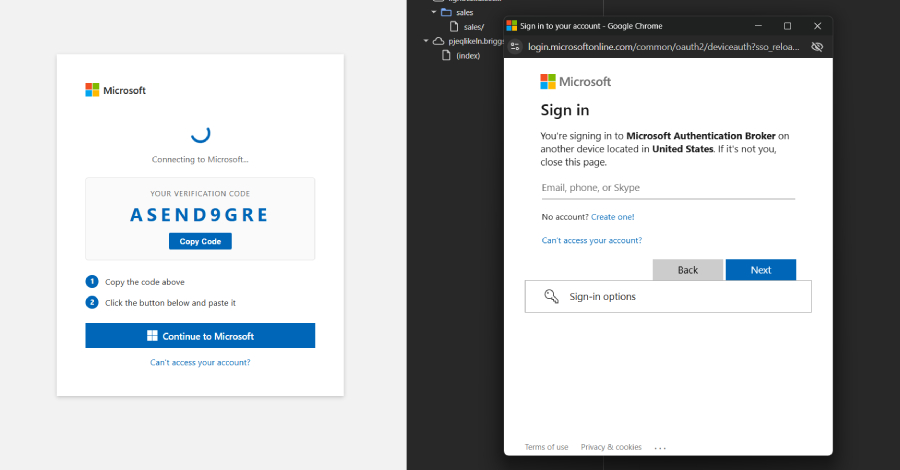
Forg365 industrializes Microsoft 365 phishing with AI-generated lures

The Telegram-distributed service combines AI-assisted lures with device-code phishing and attacker-side session refresh, complicating containment after an account is breached.

Raccontata dathehackernews.comcomputerworld.com

Confronto fonti

2 prospettive sulla stessa storia
AI · summaries
computerworld.comStai leggendo7 g fa

Forg365 industrializes Microsoft 365 phishing with AI-generated lures

The Telegram-distributed service combines AI-assisted lures with device-code phishing and attacker-side session refresh, complicating containment after an account is breached.

originale
thehackernews.com8 g fa

Forg365 PhaaS Targets Microsoft 365 with Device Code and AitM Session Theft

Forg365 targets Microsoft 365 with device code and AitM phishing, then uses stolen tokens for persistent browser sessions and mailbox access.

Leggi questa versione → originale

Timeline cronologica

  1. lunedì 13 luglio 2026·thehackernews.com

    Forg365 PhaaS Targets Microsoft 365 with Device Code and AitM Session Theft

    Forg365 targets Microsoft 365 with device code and AitM phishing, then uses stolen tokens for persistent browser sessions and mailbox access.

  2. martedì 14 luglio 2026·computerworld.com

    Forg365 industrializes Microsoft 365 phishing with AI-generated lures

    The Telegram-distributed service combines AI-assisted lures with device-code phishing and attacker-side session refresh, complicating containment after an account is breached.