HomeAI · summaries
Storia in 8 fonti
IEA Warns Escalation In US-Iran Hostilities Could Upend Oil Surplus Forecast
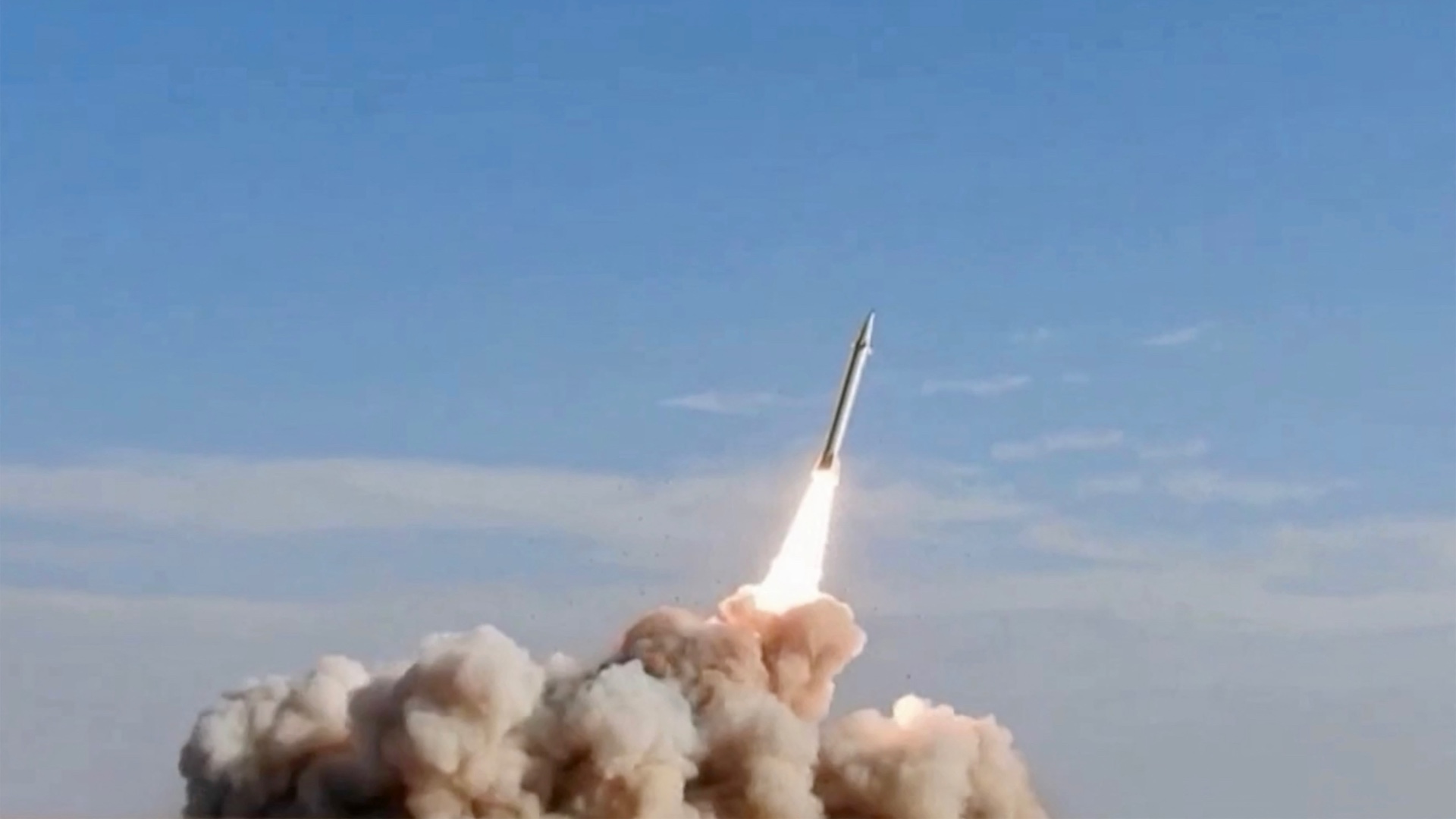
"An escalation in hostilities on 7-8 July, however, clouds the outlook and could upend the forecast that sees the market flipping to a surplus next year"
Confronto fonti
6 prospettive sulla stessa storiaTimeline cronologica
- ·
energyintel.com

EIA Predicts Return to Global Oil Oversupply in 2027
In its new Short-Term Energy Outlook (STEO), the EIA said last month's US-Iran MOU prompted massive revisions to its prior forecast.
- ·
oilprice.com

Oil Price Surge Shows Markets Were Too Relaxed About Iran Deal | OilPrice.com
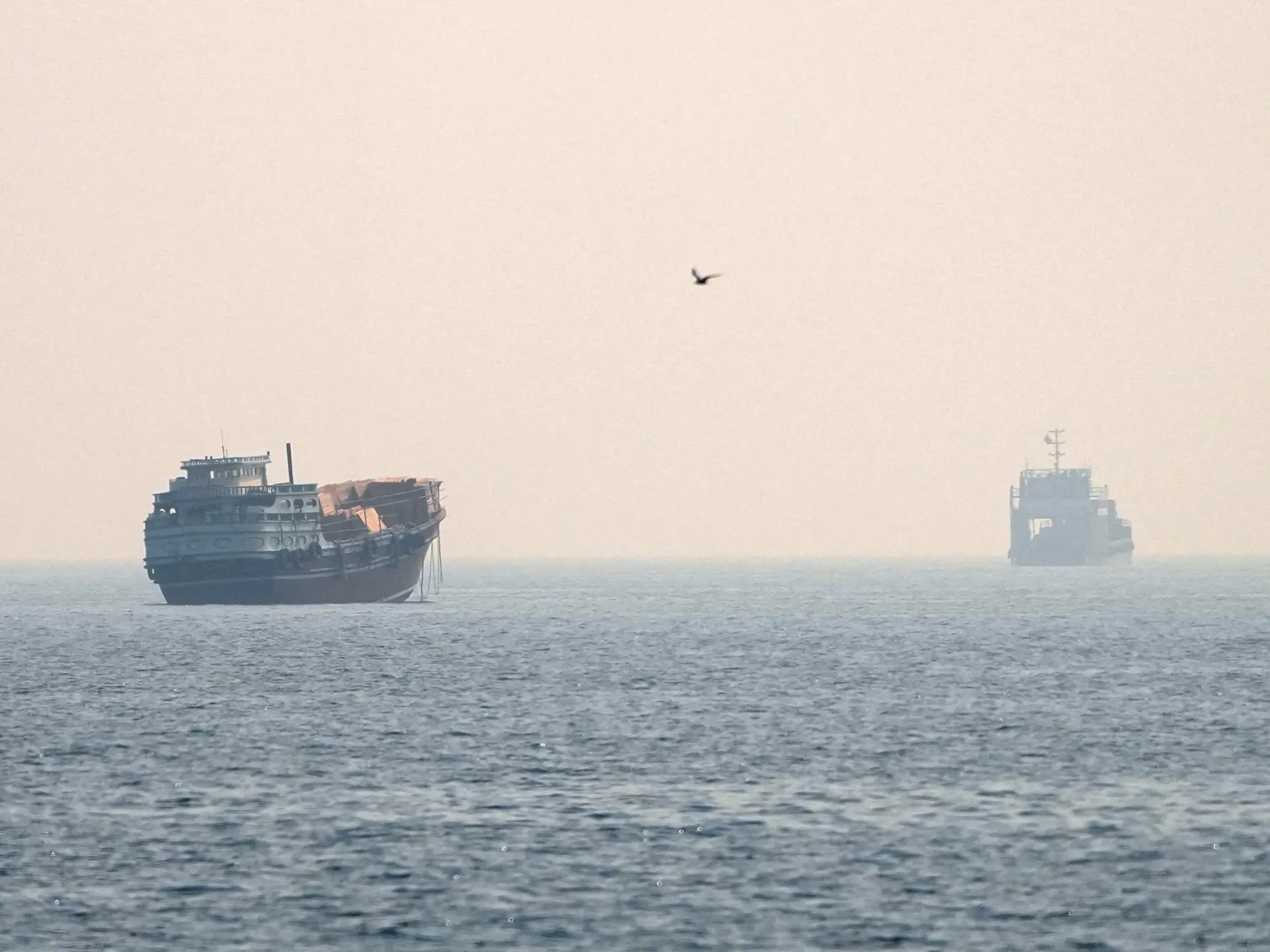
Renewed U.S.-Iran hostilities and attacks on commercial shipping have reignited fears of supply disruptions through the Strait of Hormuz, sending oil prices sharply higher.