HomeAI · summaries
Storia in 12 fonti
92% of people will be affected by cancer at least once in their lifetime, says WHO
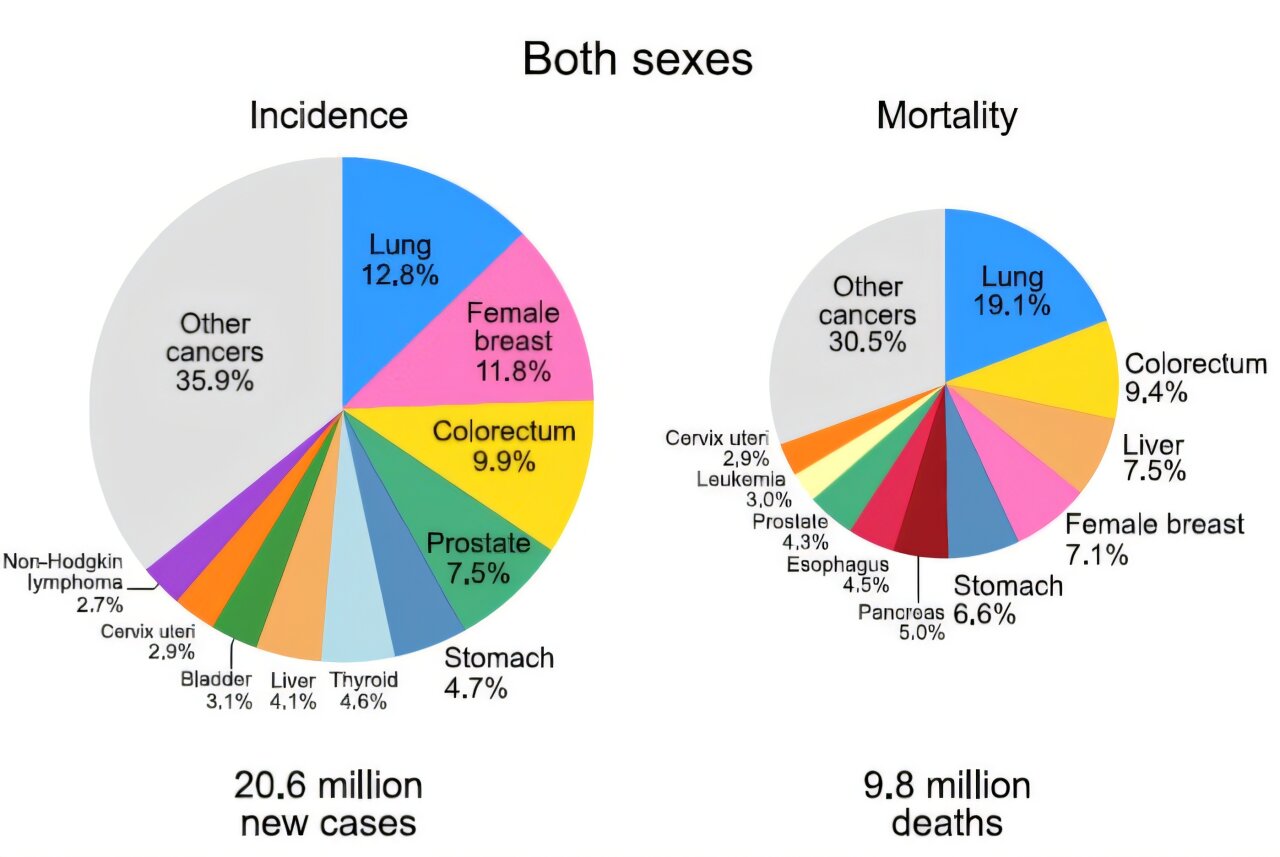
Cancer affects nearly everyone globally, with one in five developing the disease. The world recorded over twenty million new cases and ten million deaths last year. Financial hardship and mental health struggles impact many affected individuals and families. Survival rates significantly differ between high-income and low-income nations. Preventable risk factors and policy choices drive these stark global disparities.
Confronto fonti
6 prospettive sulla stessa storiaTimeline cronologica
- ·
theguardian.com

Progress against cancer not shared by poorer countries, WHO report finds
‘Persistent’ inequities found to exist in access to prevention, diagnosis, treatment and care, annual global review says
- ·
hindustantimes.com

Cancer will afflict one in five in our lifetime: WHO report
Health system performance in cancer management can be a catalyst for change or a driver of human, financial and societal crises, says the report | India News