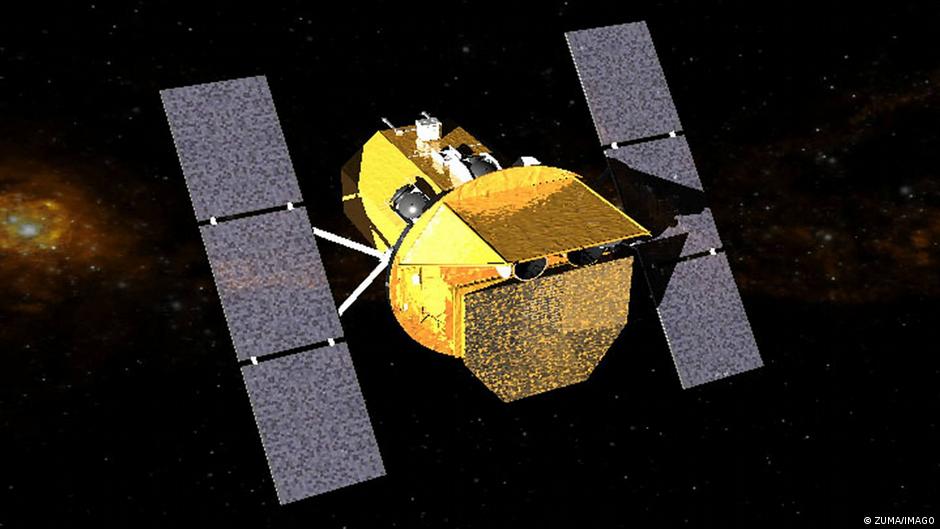
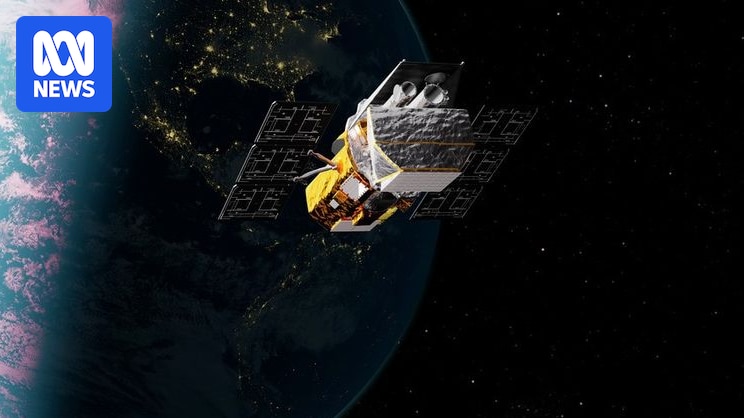
The Swift observatory has been in orbit for 22 years but it's on track to fall from the skies.

NASA has launched the LINK spacecraft on a mission to rendezvous with the aging Swift observatory and boost it into a higher orbit before reentry.

The agency’s Neil Gehrels Swift Observatory is at risk of falling into the atmosphere. A spacecraft set to launch Tuesday is tasked with pushing the satellite back into a stable…

NASA plans a bold robot mission to rescue the Swift telescope from imminent destruction in Earth's atmosphere.

Instead of letting a 22-year-old space telescope fall to Earth, NASA wants to rescue the Neil Gehrels Swift Observatory with a robotic spacecraft designed to boost the telescope…

Operation set to last several months, kicking off with launch of a robot designed to rescue Swift space telescope that’s currently falling towards Earth.

Lanzado en 2004 y sin sistema de propulsión propio, el observatorio Swift ha caído casi 200 kilómetros en dos décadas, hasta que una nave comercial intentará rescatarlo en pleno…

NASA’s Neil Gehrels Swift Observatory, launched in 2004, has been slowly losing altitude because of increased solar activity.

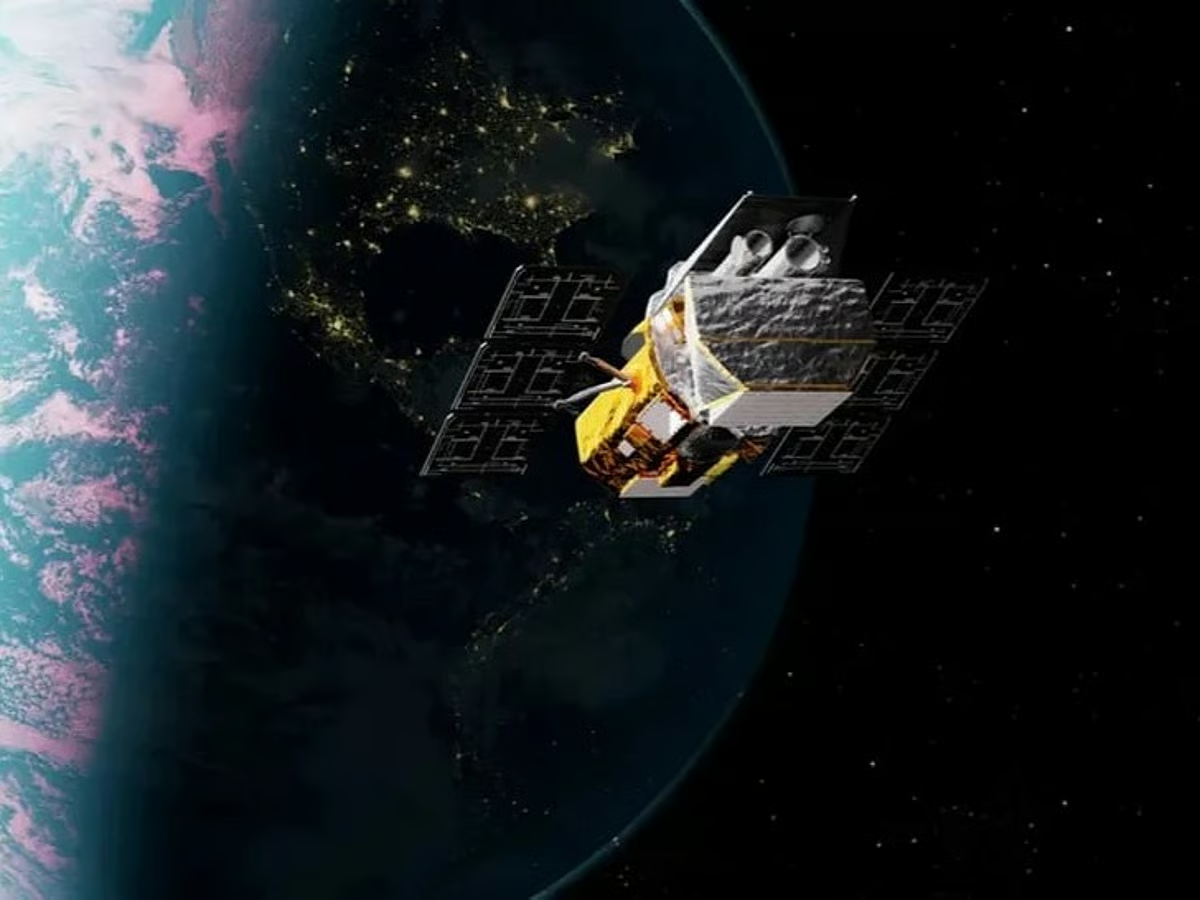
The Swift observatory has been in orbit for 22 years but it's on track to fall from the skies.

NASA has launched a private spacecraft aboard the final Pegasus XL rocket to prevent the iconic Swift space telescope from re-entering Earth's atmosphere and burning up.

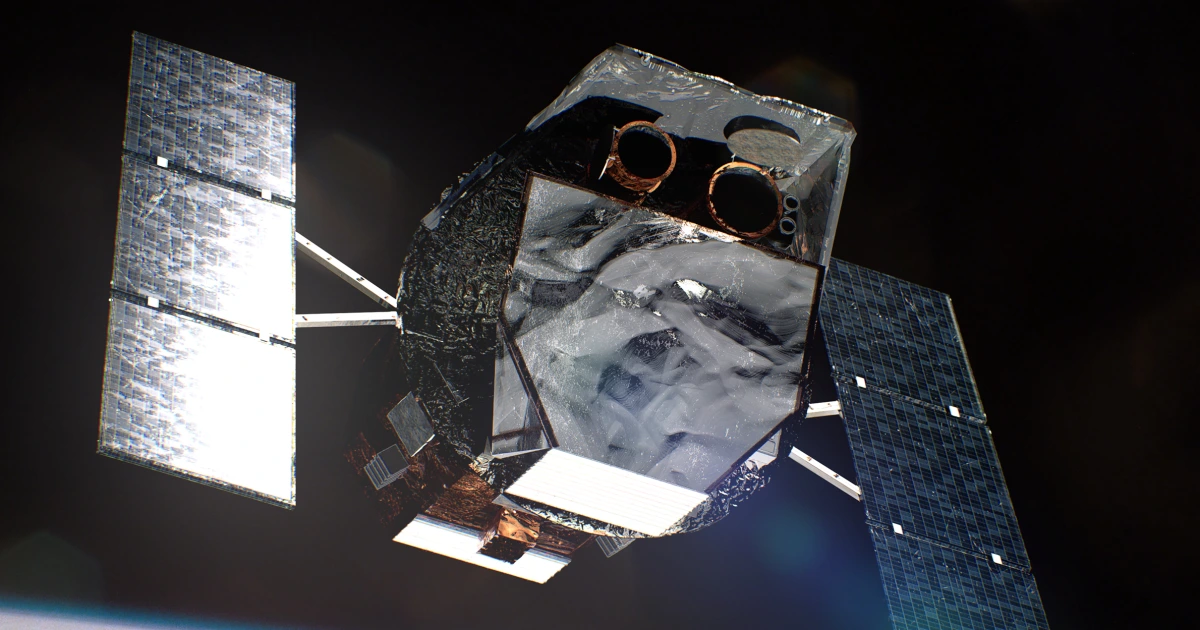
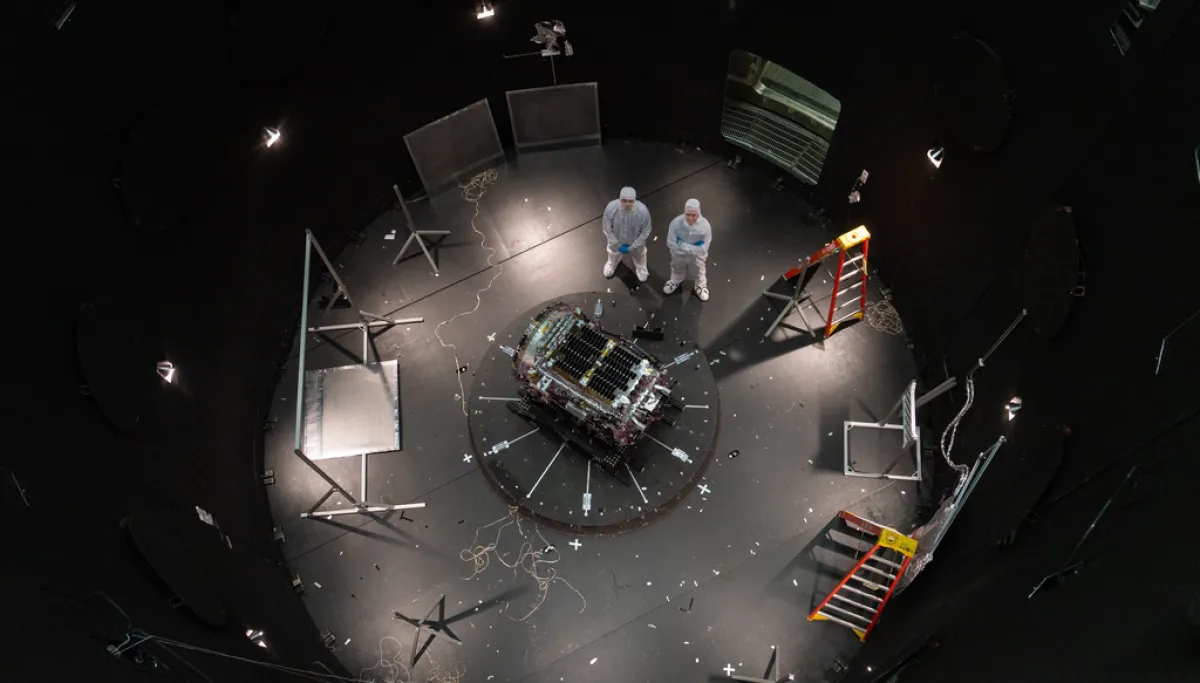
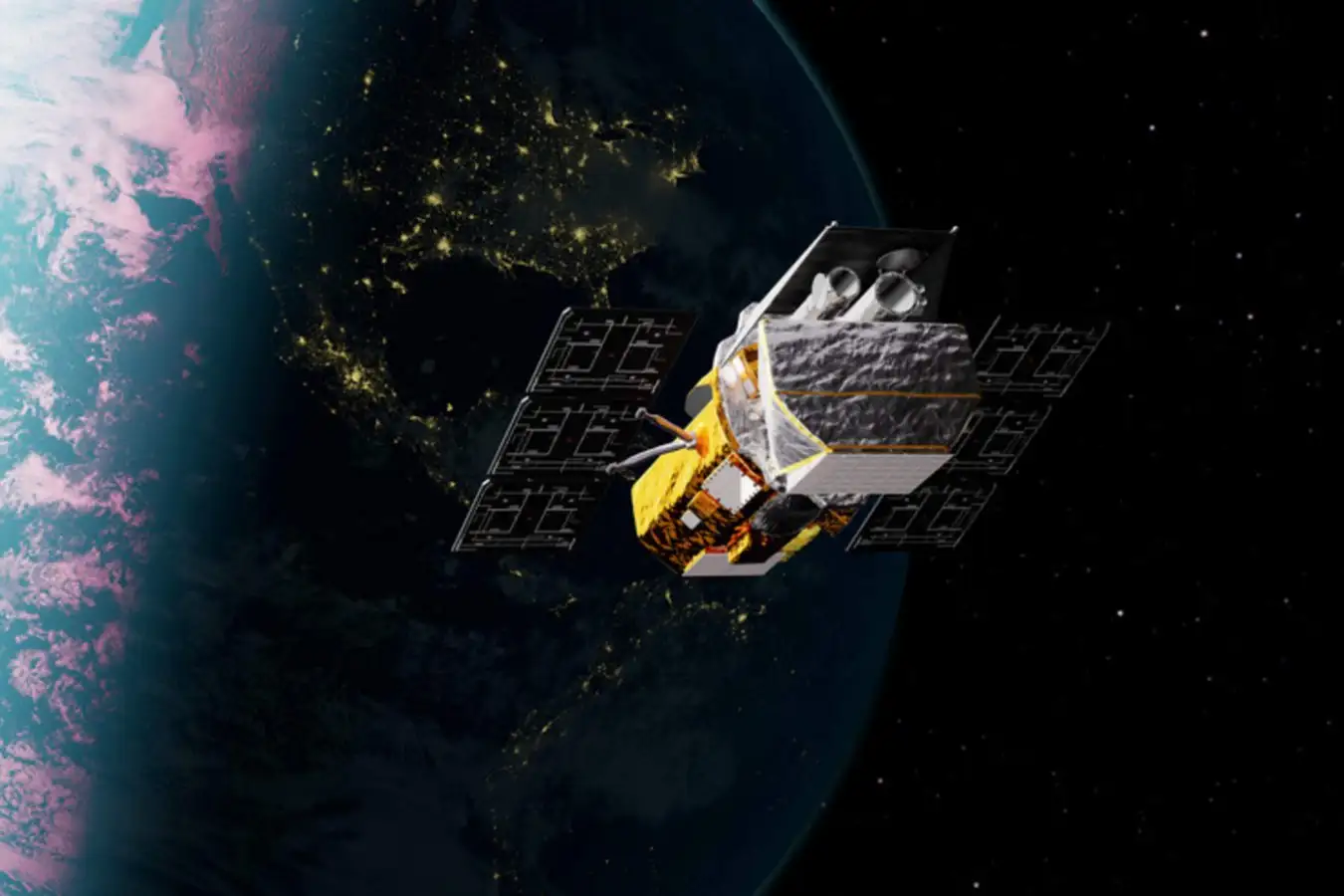
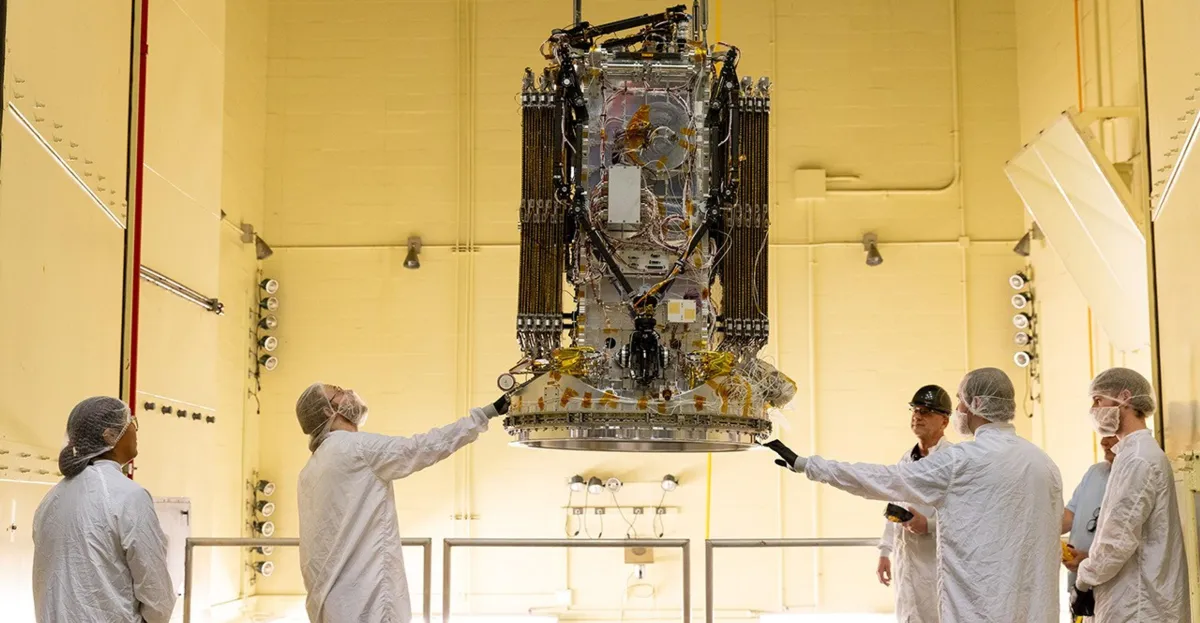
Katalyst Space's LINK spacecraft is designed to capture and boost NASA's Swift observatory back to a safe altitude.

NASA’s Swift space telescope is reaching the end of its two-decade run in orbit – unless a satellite launched on 3 July can give it a lifesaving boost

Swift has been circling Earth for 21 years. Without a rescue mission assembled in just nine months, it would burn up by October.

NASA has launched a never-before-attempted mission to stop its Swift telescope from crashing back down to Earth - using a flying robot the size of a fridge

A successful bid to stop the Swift telescope from burning up in the atmosphere could pave the way for giving other satellites a second life.

The Swift telescope has been affected by recent solar storms and is sinking faster than ever, heading toward Earth. A NASA mission will try to capture it and boost its orbit.