WARPTECHNEWS · LAB
HomeAIBusinessTechArchive
WARPTECH LAB NEWS

Warptech Lab News aggrega le notizie più rilevanti da oltre 700 fonti internazionali, con classificazione AI, TL;DR sintetici e timeline cluster su singole storie.

Navigazione

  • Home
  • Archivio
  • Editor's Brief
  • Cerca
  • Il tuo account
  • Newsletter tech/AI

Informazioni legali

  • Privacy Policy
  • Termini di servizio
  • Cookie Policy

© 2026 Sparktech S.R.L. — Tutti i diritti riservati. Sito gestito e manutenuto da Sparktech S.R.L.

Sede legale: Corso Libertà 55, 13100 Vercelli (VC), Italia · P.IVA / C.F. 02835910023 · Contatti: admin@warptechlab.com

Home
Storia in 4 fonti

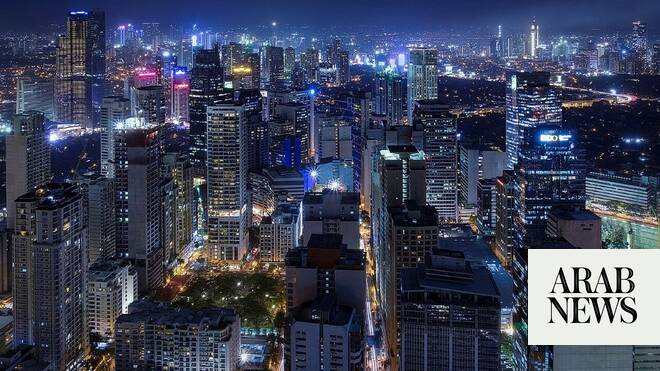
Philippines reaches upper-middle income country rank

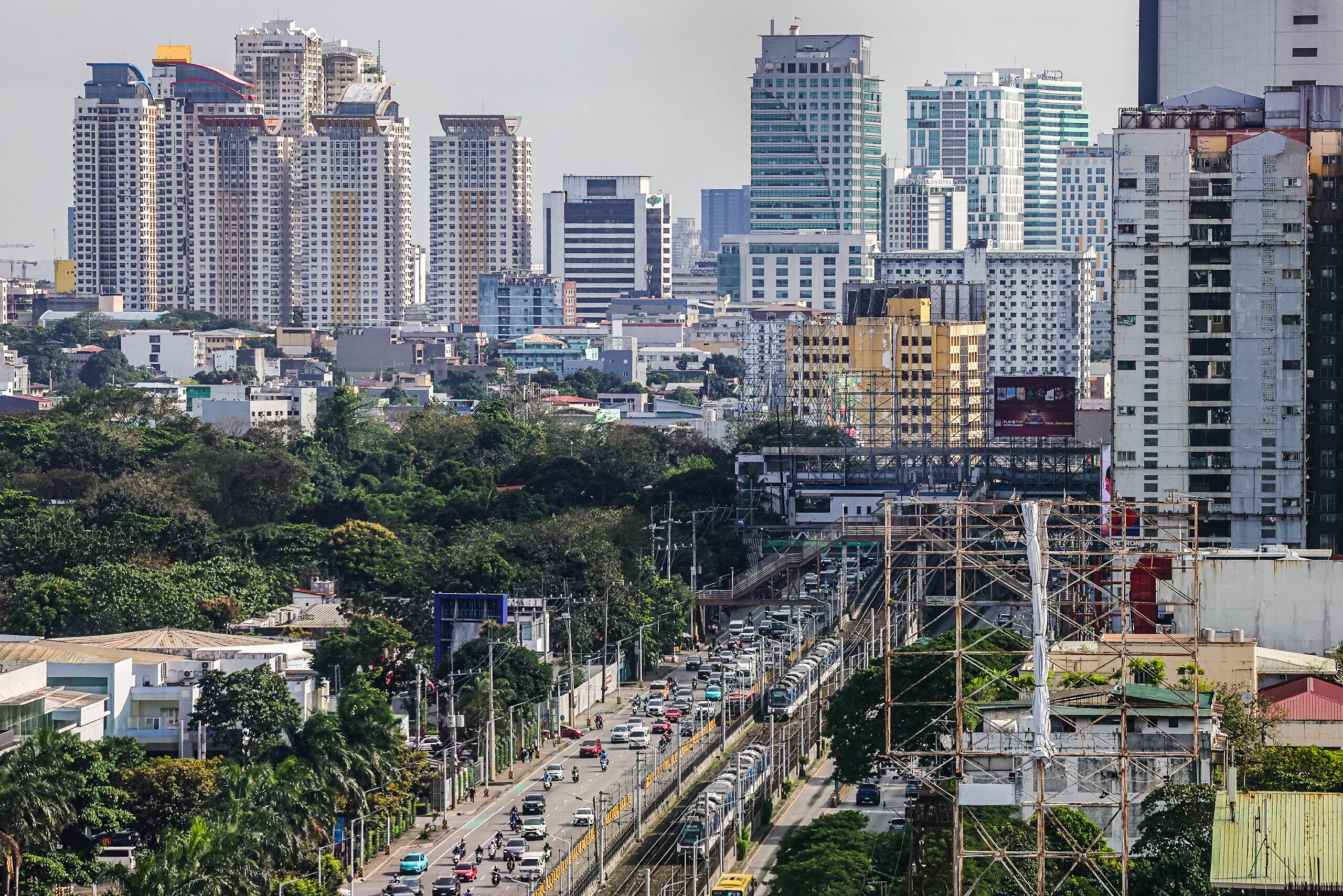
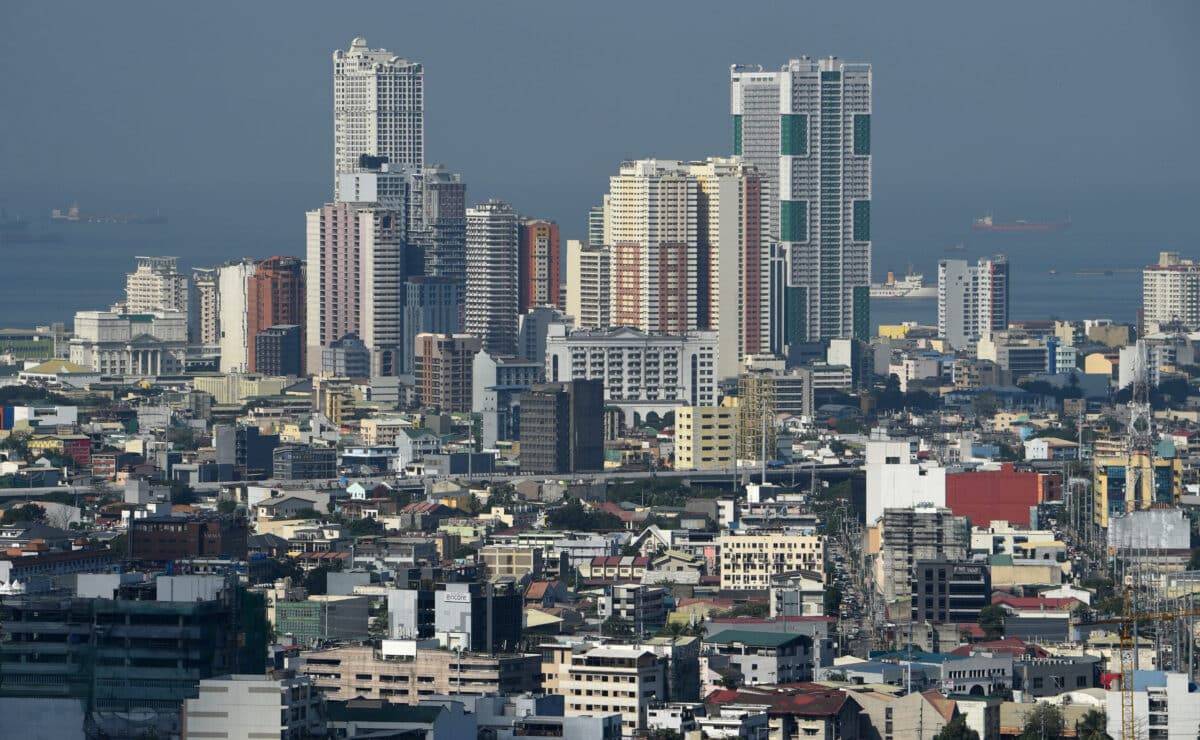
MANILA: The Philippines has been reclassified by the World Bank as an upper-middle income country — a target it has been trying to achieve since the 1980s — after posting a record gross national income per capita of $4,850. The upper-middle income, or UMIC, rank is the World Bank’s category for economies with GNI per capita ranging from $4,636 to $14,375. The Philippines was previously in the global lender’s lower-middle income bracket.

Raccontata darappler.comgulfnews.comarabnews.combusiness.inquirer.net

Confronto fonti

4 prospettive sulla stessa storia
AI · summaries
arabnews.comStai leggendo19 h fa

Philippines reaches upper-middle income country rank

MANILA: The Philippines has been reclassified by the World Bank as an upper-middle income country — a target it has been trying to achieve since the 1980s — after posting a record gross national income per capita of…

originale
business.inquirer.net15 h fa

What an upper-middle-income status means for the Philippines

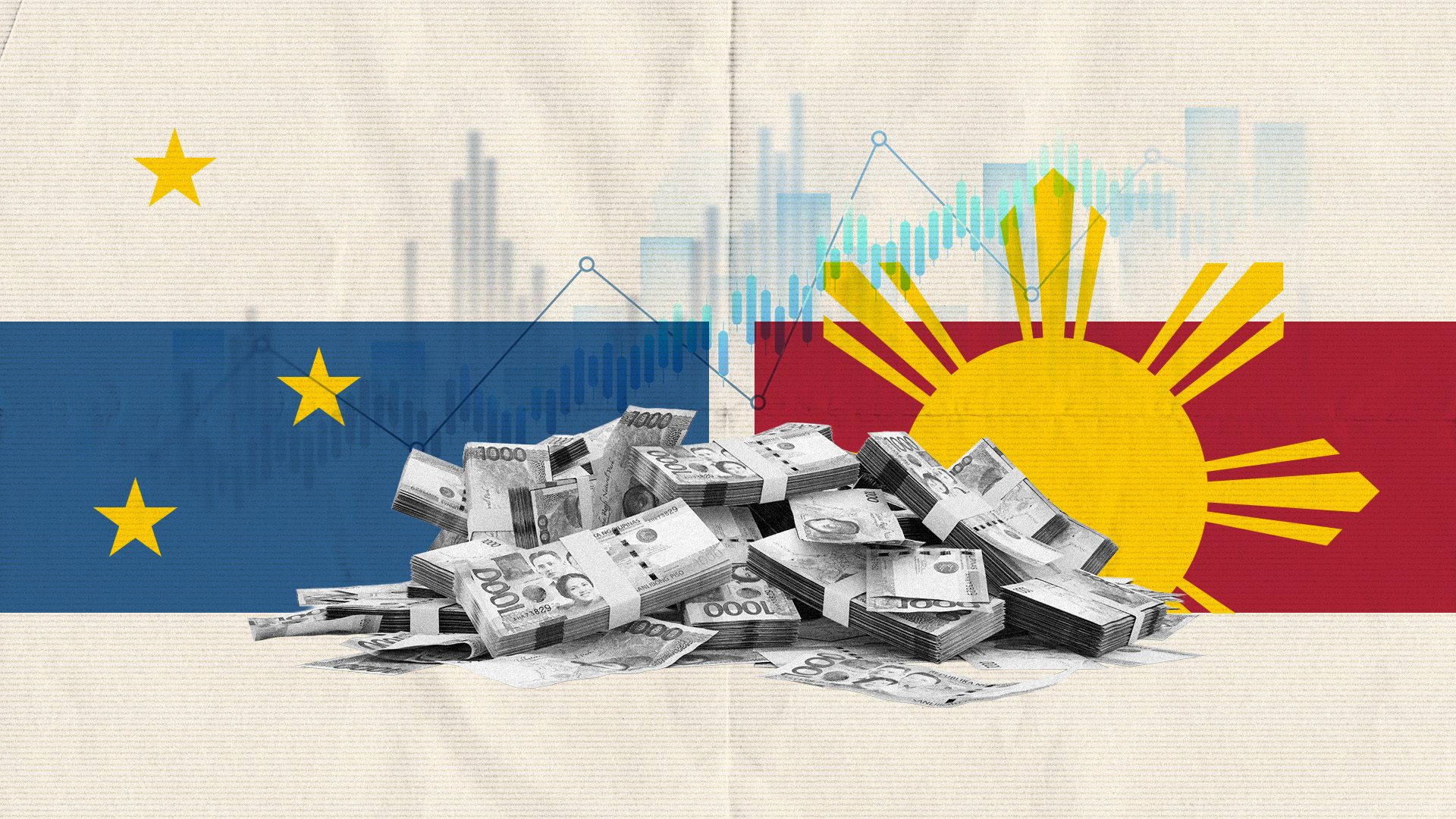
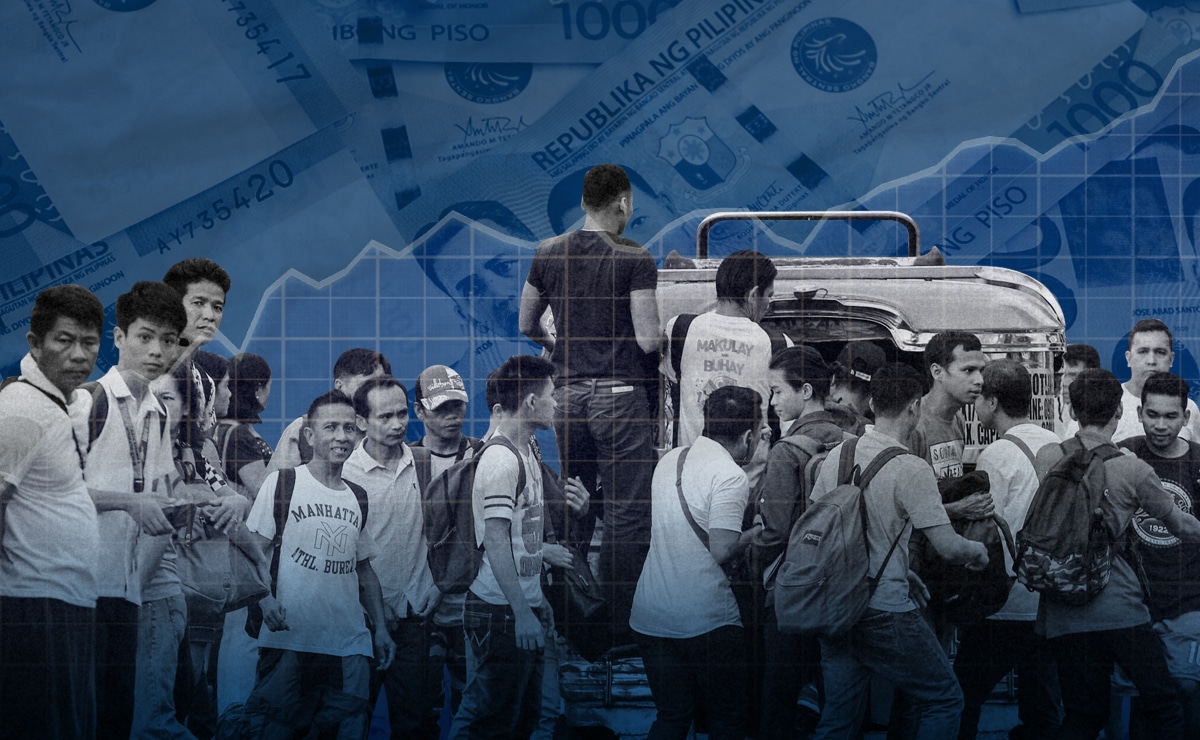
Composite image from INQUIRER/AFP files photos. MANILA, Philippines — The Philippines has officially attained upper-middle-income status under the World Bank’s latest income classification,

Leggi questa versione → originale
gulfnews.com1 g fa

Breakthrough: Philippines hits upper-middle income club — what it means

Philippines achieves upper-middle income status after years of robust growth. Experts warn the hardest work lies ahead to avoid the middle-income trap.
Leggi questa versione → originale
rappler.com3 h fa

[In This Economy] The Philippines is upper-middle income at last. But what does it mean?

This milestone is real, and it took decades of work by millions of Filipinos, not any single administration

Leggi questa versione → originale

Timeline cronologica

  1. mercoledì 1 luglio 2026·rappler.com

    Philippines reaches upper-middle income status — World Bank

    The World Bank upgrade marks a long-sought economic milestone for the Philippines, but high prices, underemployment, and income inequality continue to plague millions of Filipinos

  2. giovedì 2 luglio 2026·gulfnews.com

    Breakthrough: Philippines hits upper-middle income club — what it means

    Philippines achieves upper-middle income status after years of robust growth. Experts warn the hardest work lies ahead to avoid the middle-income trap.
  3. giovedì 2 luglio 2026·arabnews.com

    Philippines reaches upper-middle income country rank

    MANILA: The Philippines has been reclassified by the World Bank as an upper-middle income country — a target it has been trying to achieve since the 1980s — after posting a record…

  4. giovedì 2 luglio 2026·business.inquirer.net

    What an upper-middle-income status means for the Philippines

    Composite image from INQUIRER/AFP files photos. MANILA, Philippines — The Philippines has officially attained upper-middle-income status under the World Bank’s latest income…

  5. venerdì 3 luglio 2026·business.inquirer.net

    Does new upper-middle income status reflect PH reality?

    MANILA, Philippines — The Philippines has finally crossed into upper-middle income status—after nearly four decades as a lower-middle-income economy. Yet for many Filipinos still…

  6. venerdì 3 luglio 2026·rappler.com

    [In This Economy] The Philippines is upper-middle income at last. But what does it mean?

    This milestone is real, and it took decades of work by millions of Filipinos, not any single administration