WARPTECHNEWS · LAB
HomeAIBusinessTechArchive
WARPTECH LAB NEWS

Warptech Lab News aggrega le notizie più rilevanti da oltre 700 fonti internazionali, con classificazione AI, TL;DR sintetici e timeline cluster su singole storie.

Navigazione

  • Home
  • Archivio
  • Editor's Brief
  • Cerca
  • Il tuo account
  • Newsletter tech/AI

Informazioni legali

  • Privacy Policy
  • Termini di servizio
  • Cookie Policy

© 2026 Sparktech S.R.L. — Tutti i diritti riservati. Sito gestito e manutenuto da Sparktech S.R.L.

Sede legale: Corso Libertà 55, 13100 Vercelli (VC), Italia · P.IVA / C.F. 02835910023 · Contatti: admin@warptechlab.com

Home
Storia in 7 fonti

There May Be Three Times More Insect Species Than We Realized

There May Be Three Times More Insect Species Than We Realized: The overwhelming majority are unknown to science

Raccontata dagizmodo.comtime.comnautil.usindependent.co.ukprensalibre.cominfobae.comelespectador.com

Confronto fonti

6 prospettive sulla stessa storia
AI · summaries
nautil.usStai leggendo1 g fa

There May Be Three Times More Insect Species Than We Realized

There May Be Three Times More Insect Species Than We Realized: The overwhelming majority are unknown to science

originale
independent.co.uk

Timeline cronologica

  1. lunedì 29 giugno 2026·gizmodo.com

    Holy Crap, We Were Way Off About How Many Insect Species Live on Earth

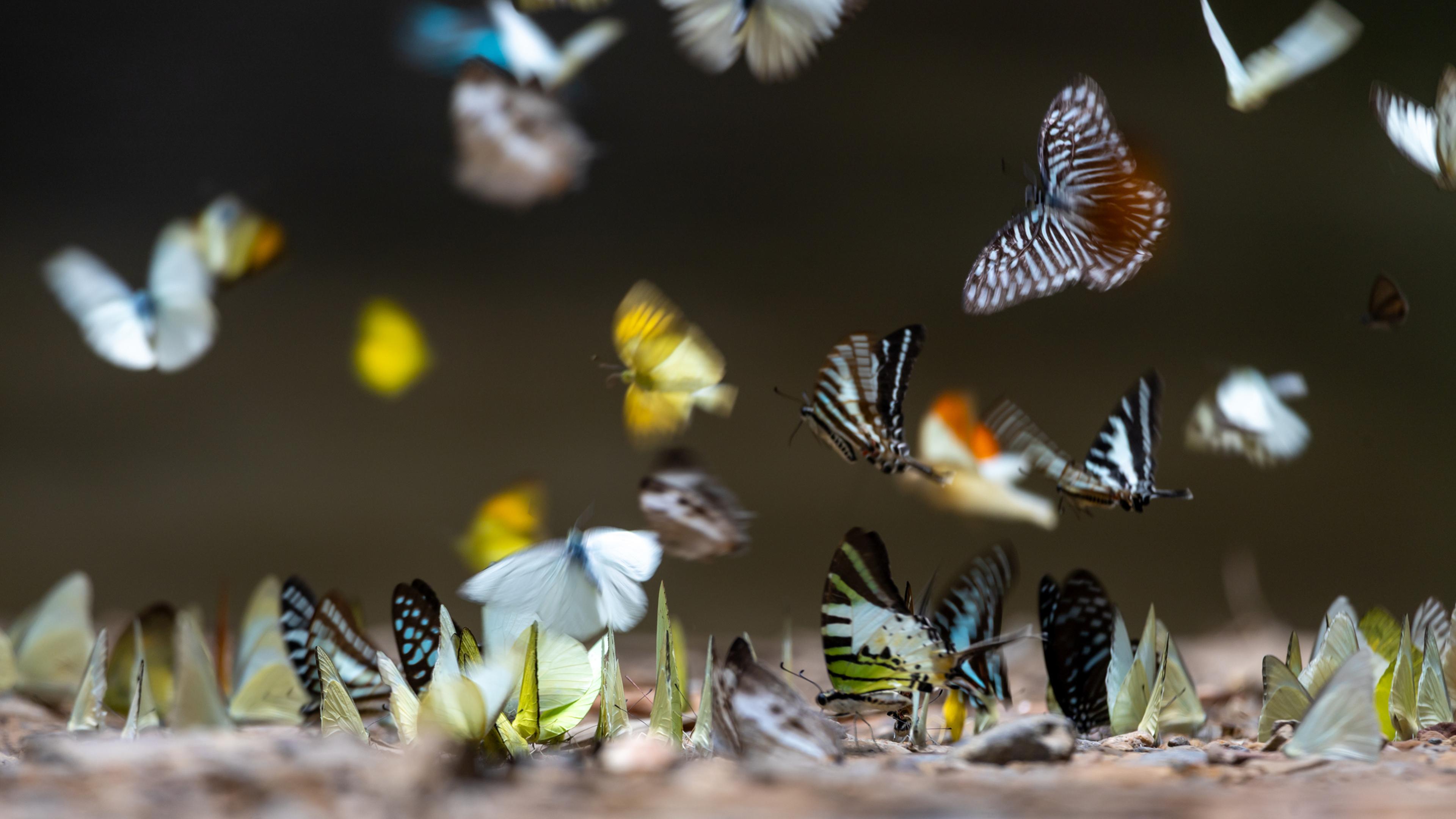
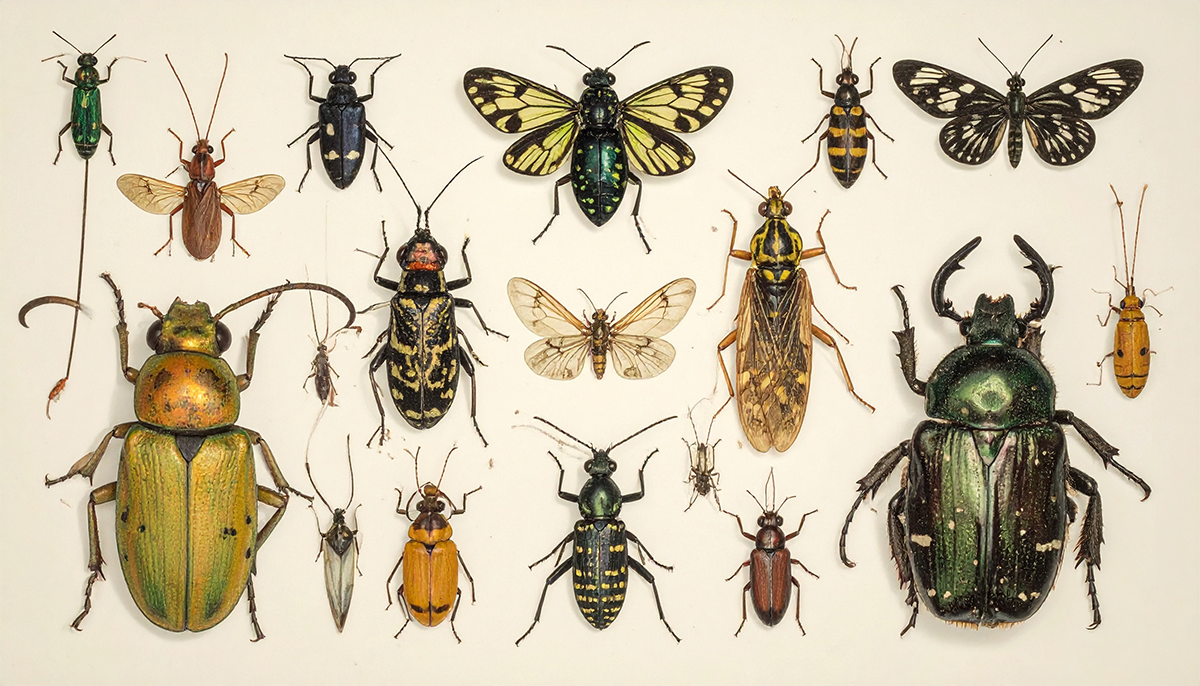
    A new study more than doubles previous estimates of how many distinct kinds of insects are currently inhabiting the planet.
  2. lunedì 29 giugno 2026·time.com

    There May Be Three Times as Many Insect Species Than We Knew

    A study in Costa Rica has big implications for extinction and conservation.

1 g fa

There may be three times as many species of insects than previously known

As many as 40 percent of the world’s insects are in decline

Leggi questa versione → originale
gizmodo.com1 g fa

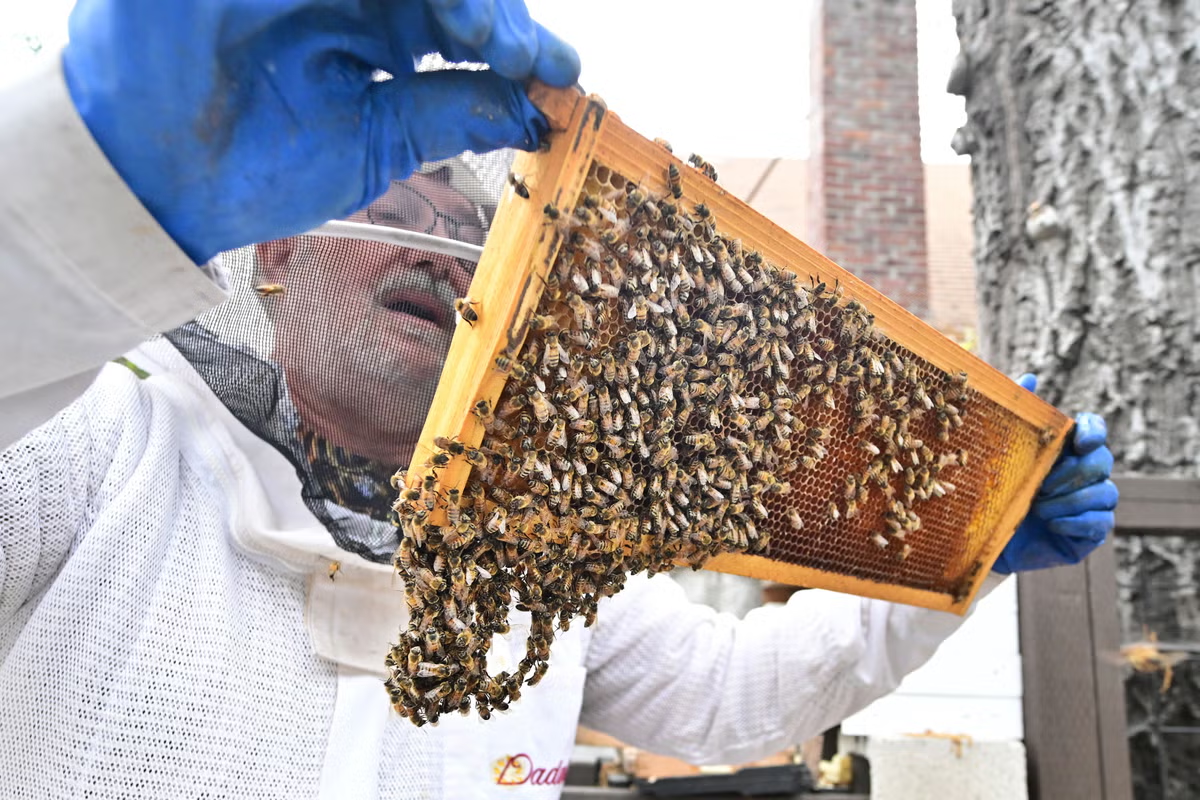
Holy Crap, We Were Way Off About How Many Insect Species Live on Earth

A new study more than doubles previous estimates of how many distinct kinds of insects are currently inhabiting the planet.
Leggi questa versione → originale
time.com1 g fa

There May Be Three Times as Many Insect Species Than We Knew

A study in Costa Rica has big implications for extinction and conservation.

Leggi questa versione → originale
prensalibre.com1 g fa

Hasta 20 millones de especies de insectos: el hallazgo que redefine la biodiversidad terrestre

Los insectos son el grupo de animales más diverso del planeta y un nuevo estudio sugiere que en la Tierra hay entre dos y tres veces la estimación previa.

Leggi questa versione → originale
elespectador.com7 h fa

La Tierra tendría hasta tres veces más especies de insectos de las que se creía

Un estudio estima que la Tierra alberga entre 14 y 20 millones de especies de insectos, más del doble de lo calculado hasta ahora.

Leggi questa versione → originale
lunedì 29 giugno 2026·nautil.us

There May Be Three Times More Insect Species Than We Realized

There May Be Three Times More Insect Species Than We Realized: The overwhelming majority are unknown to science

  • lunedì 29 giugno 2026·independent.co.uk

    There may be three times as many species of insects than previously known

    As many as 40 percent of the world’s insects are in decline

  • martedì 30 giugno 2026·prensalibre.com

    Hasta 20 millones de especies de insectos: el hallazgo que redefine la biodiversidad terrestre

    Los insectos son el grupo de animales más diverso del planeta y un nuevo estudio sugiere que en la Tierra hay entre dos y tres veces la estimación previa.

  • martedì 30 giugno 2026·infobae.com

    Un estudio sugiere que la diversidad de insectos en el planeta podría ser mucho mayor de lo que se pensaba

    Un equipo de científicos estimó que la mayoría aún no fue identificada, lo que dificulta los esfuerzos para protegerlas y conservarlas

  • martedì 30 giugno 2026·elespectador.com

    La Tierra tendría hasta tres veces más especies de insectos de las que se creía

    Un estudio estima que la Tierra alberga entre 14 y 20 millones de especies de insectos, más del doble de lo calculado hasta ahora.