HomeAI · summaries
Storia in 5 fonti
Summer solstice: Revellers greet sunrise on longest day of the year
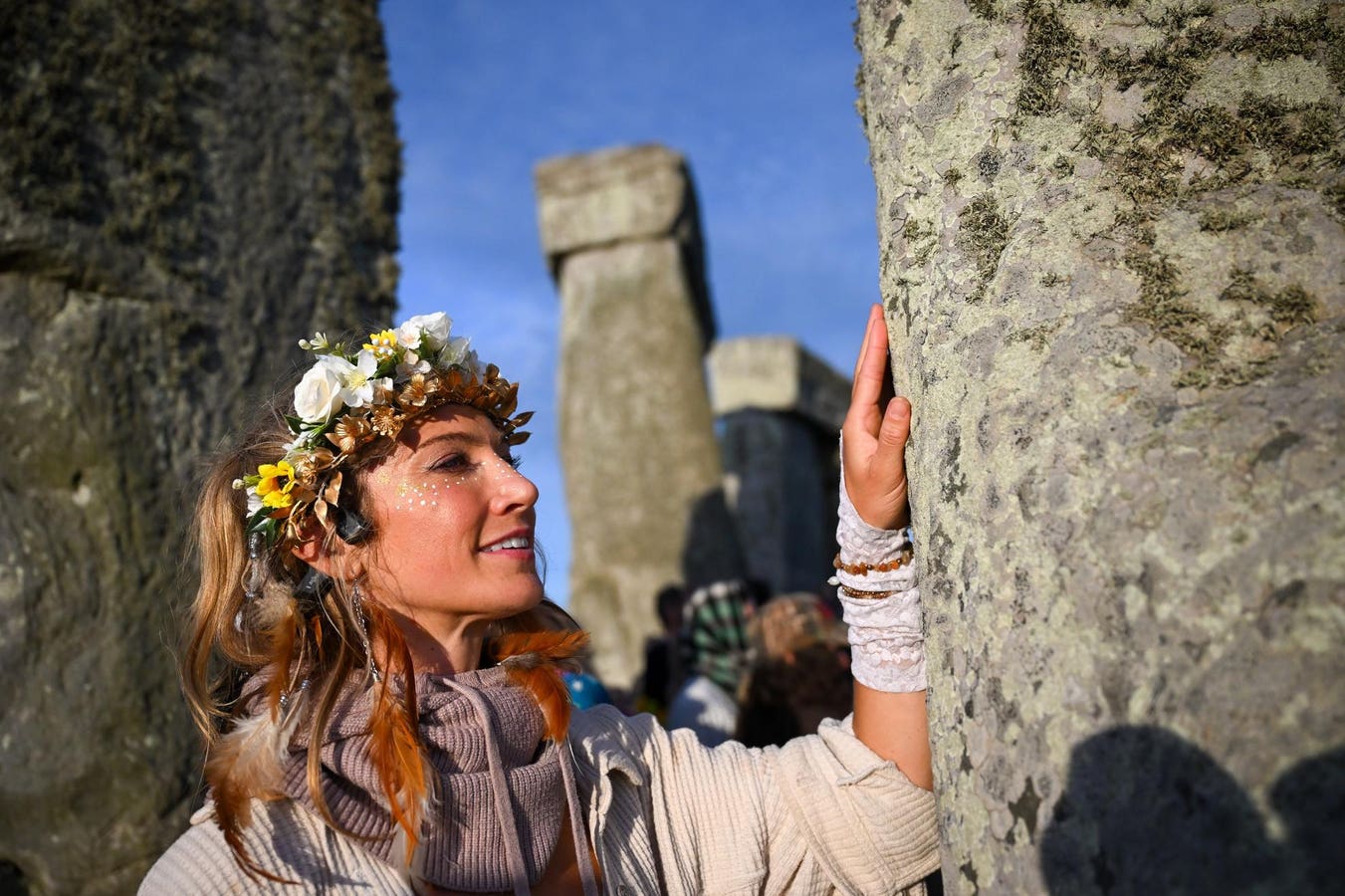
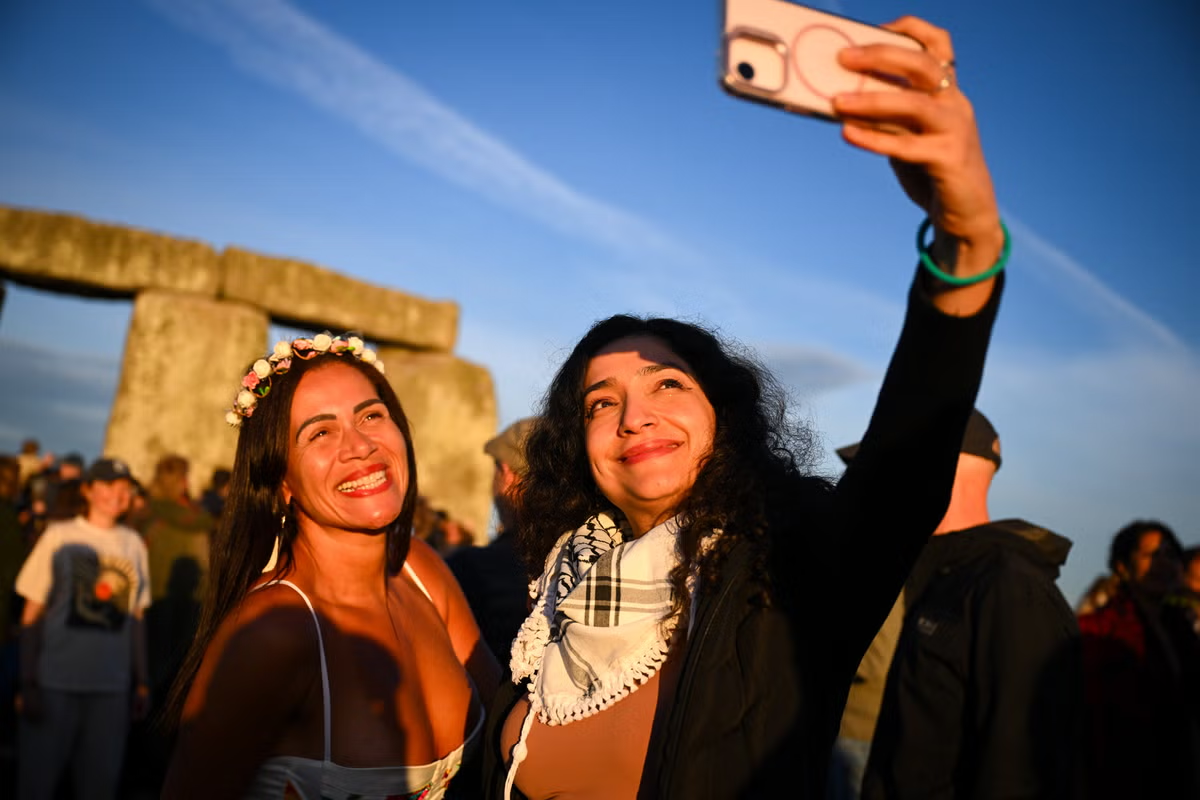
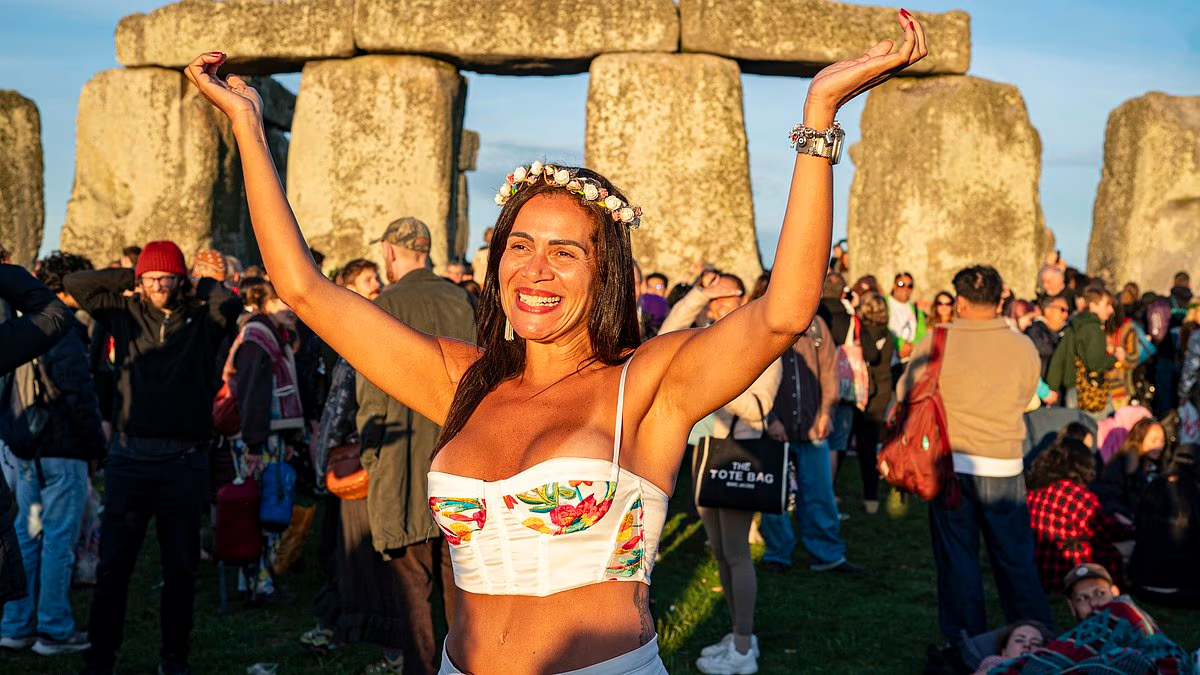
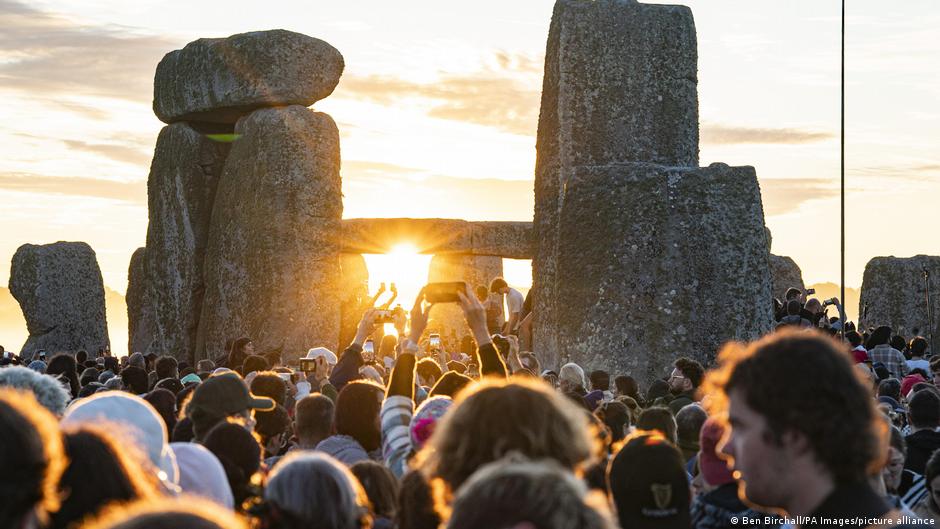
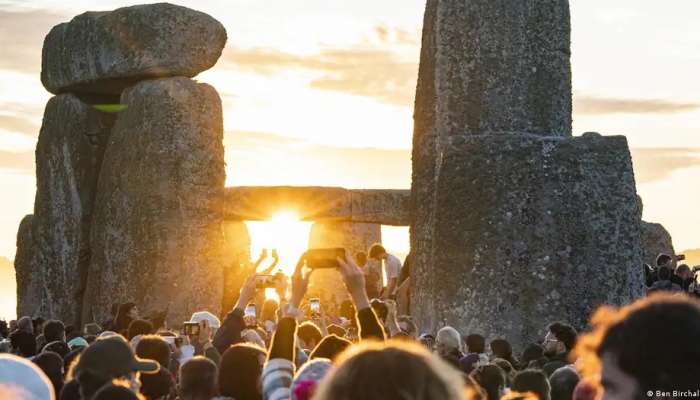
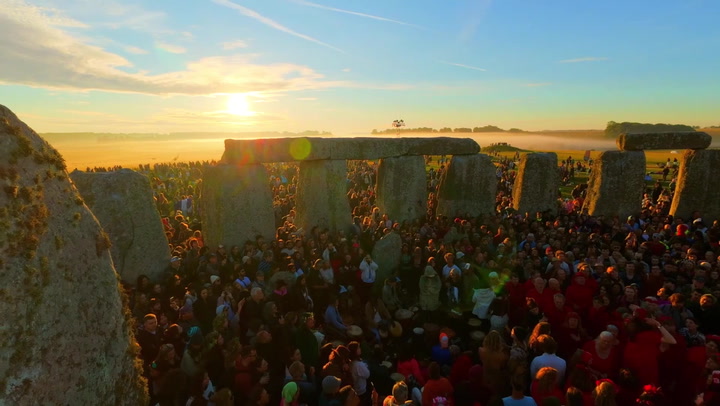
Stay up to date with notifications from The IndependentNotifications can be managed in browser preferences.Jump to contentThank you for registeringPlease refresh the page or navigate to another page on the site to be automatically logged inPlease refresh your browser to be logged inAllNewsSportCultureLifestyleStonehenge visitors mark the summer solstice (Getty)The sun has risen on the longest day of the year in the Northern Hemisphere.Sunday is the summer solstice, marking the start of astronomical summer north of the equator; it is the opposite in the Southern Hemisphere, where it is the shortest day of the year and astronomical winter will start.About 20,000 people flocked to Stonehenge in Wiltshire to watch the sunrise from the ancient monument, which was designed to align with the sun’s paths at the solstices.Many people also gathered for sunrise swims at beaches around the UK.The word “solstice” comes from the Latin words “sol”, for sun, and “stitium”, which can mean “pause” or “stop”.Thank you for registeringPlease refresh the page or navigate to another page on the site to be automatically logged inPlease refresh your browser to be logged in
Confronto fonti
5 prospettive sulla stessa storiaTimeline cronologica
- ·
dailymail.com
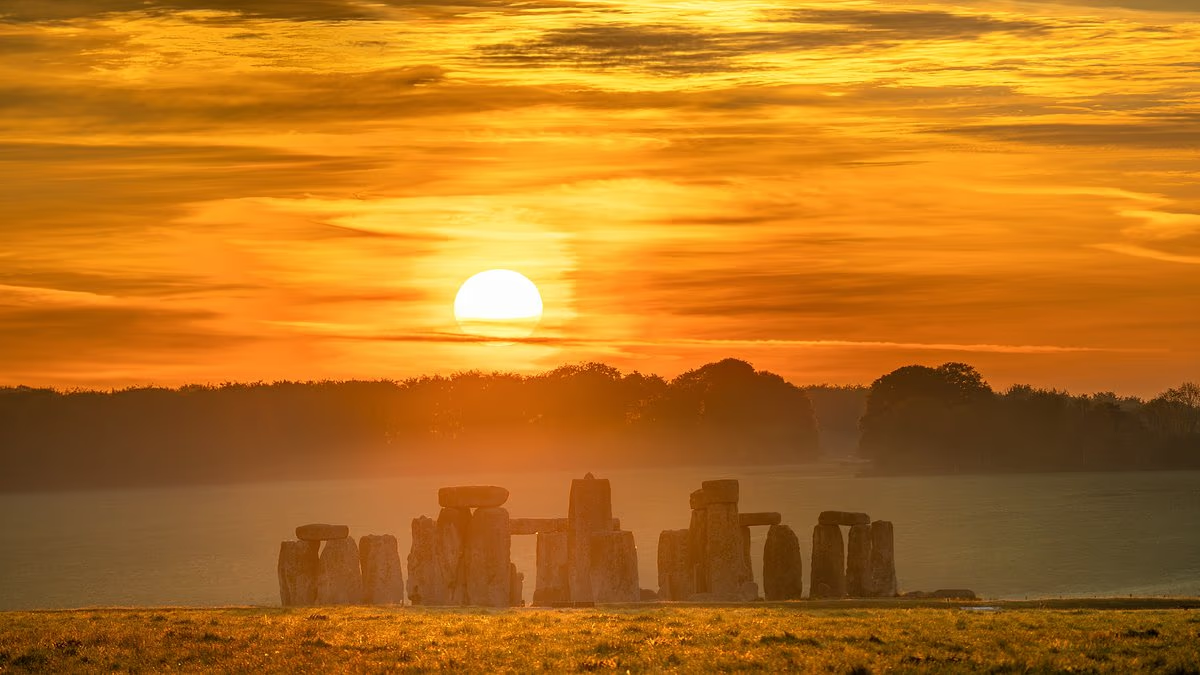
Summer solstice in style? Where to spend the longest day of the year
The summer solstice, the longest day of the year, falls on Sunday, June 21. So where can Brits enjoy the most daylight hours across the country?
- ·
independent.co.uk
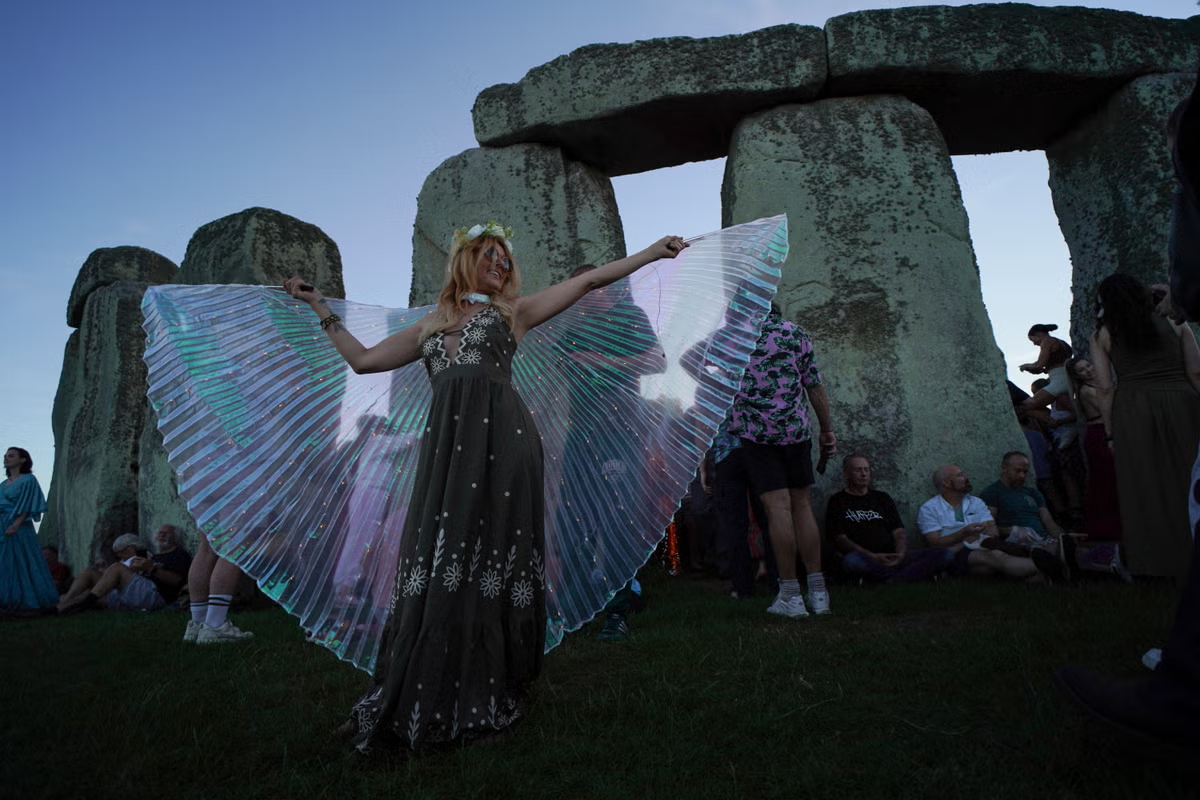
Welcoming the longest day at Stonehenge, in photos
Thousands gathered before dawn at Stonehenge to welcome the summer solstice, celebrating the year’s longest day with music, dancing and quiet reflection as the sun rose over the…