WARPTECHNEWS · LAB
HomeAIBusinessTechArchive
WARPTECH LAB NEWS

Warptech Lab News aggrega le notizie più rilevanti da oltre 700 fonti internazionali, con classificazione AI, TL;DR sintetici e timeline cluster su singole storie.

Navigazione

  • Home
  • Archivio
  • Editor's Brief
  • Cerca
  • Il tuo account
  • Newsletter tech/AI

Informazioni legali

  • Privacy Policy
  • Termini di servizio
  • Cookie Policy

© 2026 Sparktech S.R.L. — Tutti i diritti riservati. Sito gestito e manutenuto da Sparktech S.R.L.

Sede legale: Corso Libertà 55, 13100 Vercelli (VC), Italia · P.IVA / C.F. 02835910023 · Contatti: admin@warptechlab.com

Home
Storia in 3 fonti

PwC's global chairman Mohamed Kande does not believe that companies adopting AI are laying off: Companies are increasing the number of employees that they need because…

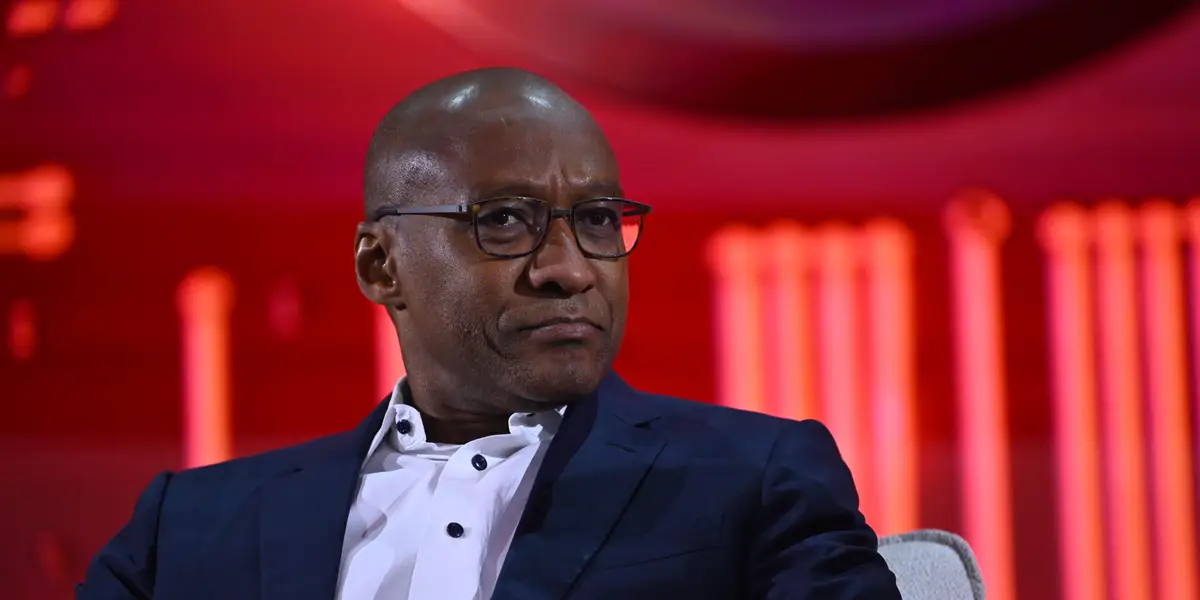
The man running a 370,000-person firm has a message that cuts against the white-collar doom narrative: AI isn't gutting payrolls, it's padding them. Mohamed Kande, global chairman of PwC, told CNBC's Squawk Box at the VivaTech conference in Paris on Thursday that companies deploying AI "at scale" are hiring more people, not fewer.

Raccontata dafortune.combusinessinsider.comtimesofindia.indiatimes.com

Confronto fonti

3 prospettive sulla stessa storia
AI · summaries
timesofindia.indiatimes.comStai leggendo12 g fa

PwC's global chairman Mohamed Kande does not believe that companies adopting AI are laying off: Companies are…

PwC: AI-exposed firms grew headcount 52% since 2018 vs 36%; yet entry-level hiring flatlines—vacancies now demand 10+ senior skills. For tech leaders: AI amplifies talent, not replaces—but entry-level pipeline breaks. Upskilling ROI and soft-skills become the competitive lever.

originale
businessinsider.com13 g fa

The global chair of PwC shares 3 takes on what AI means for jobs

PwC chairman reports AI-adopting firms boost headcount 52%, but entry-level hiring flatlines; PwC cuts junior roles by one-third, marking a shift to higher skill demands. For CTO planning, this bifurcation matters: AI-exposed firms raise wages 24% (vs 17%), but entry-level roles split sharply—'seniorized' positions (+35%) thrive while traditional roles collapse (-10%), raising talent acquisition costs.

Leggi questa versione → originale
fortune.com14 g fa

Entry-level work didn't disappear, PwC finds with 'seniorization.' It just morphed into something young…

"Employers are changing what they ask for in entry-level roles," Dan Priest, PwC's U.S. chief AI officer, told Fortune.

Leggi questa versione → originale

Timeline cronologica

  1. giovedì 18 giugno 2026·fortune.com

    Entry-level work didn't disappear, PwC finds with 'seniorization.' It just morphed into something young workers can't get | Fortune

    "Employers are changing what they ask for in entry-level roles," Dan Priest, PwC's U.S. chief AI officer, told Fortune.

  2. venerdì 19 giugno 2026·businessinsider.com

    The global chair of PwC shares 3 takes on what AI means for jobs

    Mohamed Kande, PwC's global chairman, shared three key takeaways on how AI is disrupting jobs in a recent CNBC Squawk Box interview.

  3. sabato 20 giugno 2026·timesofindia.indiatimes.com

    PwC's global chairman Mohamed Kande does not believe that companies adopting AI are laying off: Companies are increasing the number of…

    The man running a 370,000-person firm has a message that cuts against the white-collar doom narrative: AI isn't gutting payrolls, it's padding them. Mohamed Kande, global chairman…