HomeAI · summaries
Storia in 7 fonti
Strait of Hormuz will not return to pre-war conditions: Iran's top negotiator Ghalibaf
Iran's chief negotiator Mohammad-Bagher Ghalibaf said on Wednesday (June 17) that the Strait of Hormuz will not return to pre-war conditions following a peace deal between his country and the United States. He stressed, however, that Tehran will not “disregard international law or established rules of navigation” but rather “remain fully within the bounds of international law.”
Confronto fonti
6 prospettive sulla stessa storiaTimeline cronologica
- ·
al-monitor.com
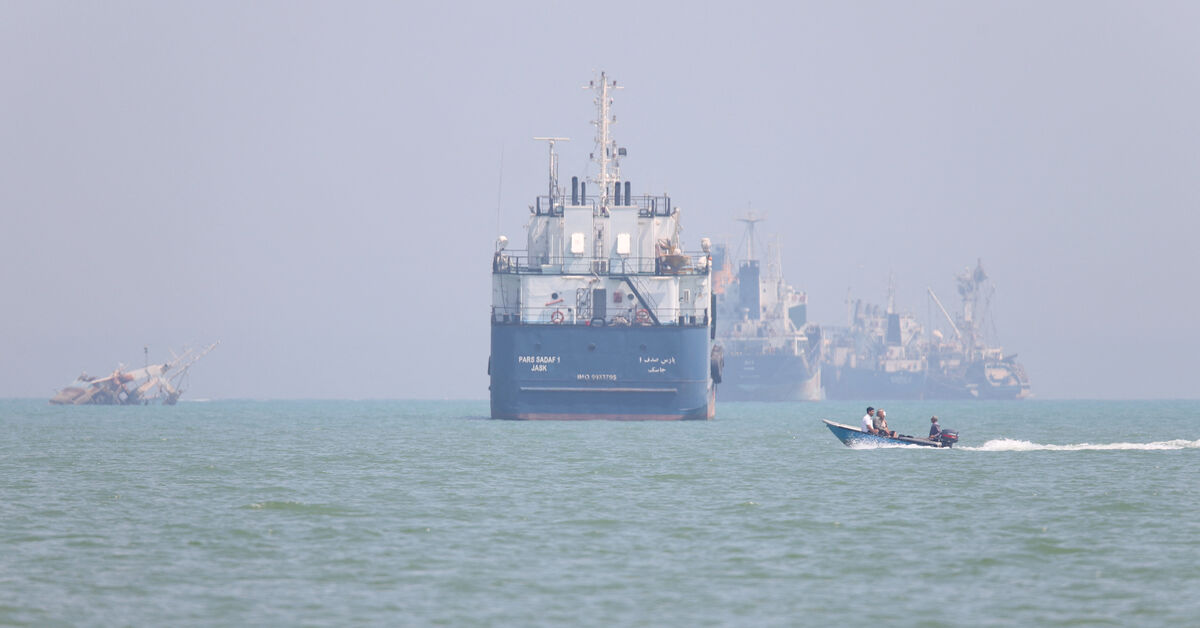
Shippers remain cautious on Hormuz strait transit after US and Iran agree deal
By Kentaro Okasaka, Jeslyn Lerh, Emily Chow and Stine JacobsenJune 15 (Reuters) - Shippers in Asia and Europe said confidence in resuming transit through the Strait of Hormuz…
- ·
npr.org
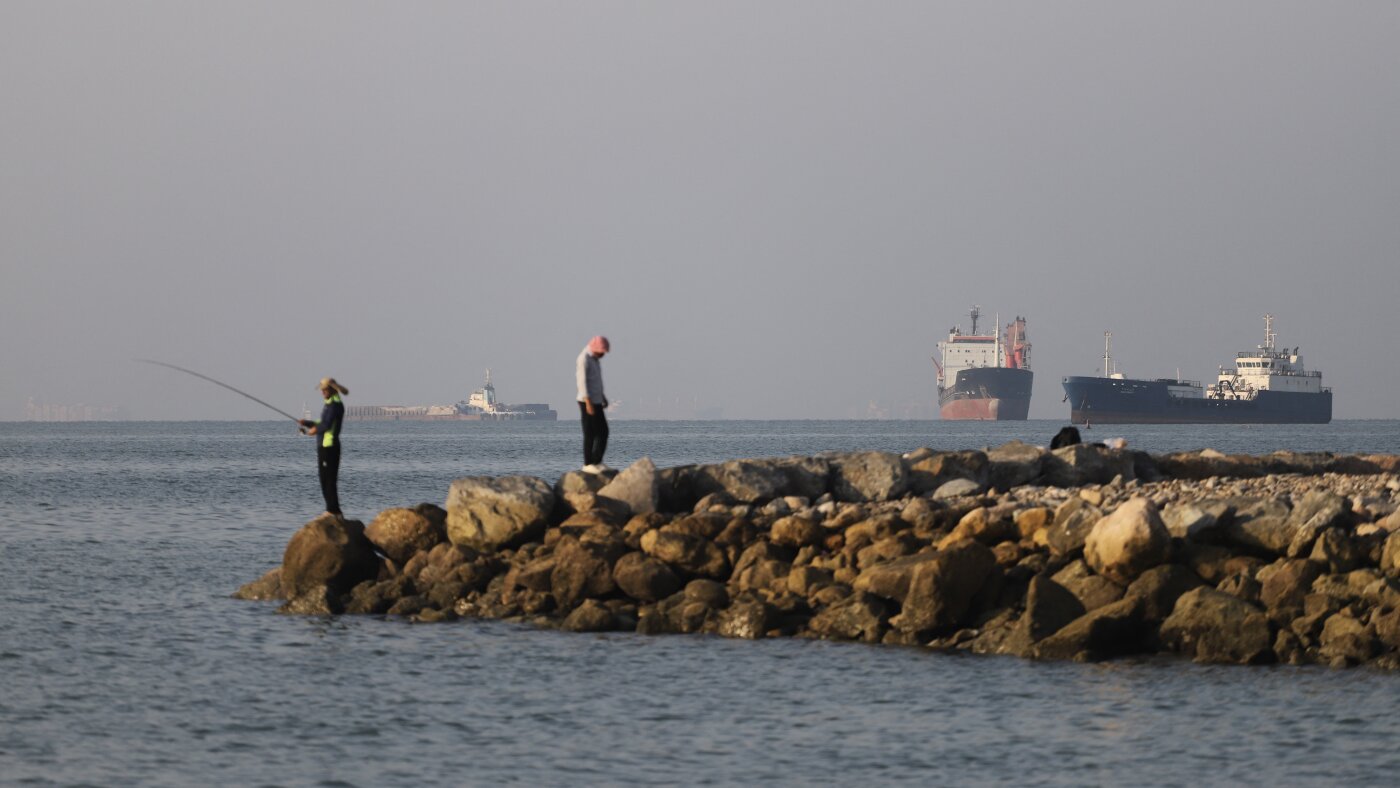
With Iran deal, Trump told ships to 'start your engines.' That's not happening yet
Iran's control of the Strait of Hormuz inflicted global pain during the months-long conflict with the U.S. and Israel. A tentative deal is in place, but questions remain about the…
- ·
cbc.ca

Iran to reopen Strait of Hormuz, can sell oil again, according to leaks of agreement with U.S. | CBC News
Iran will immediately take steps to reopen the Strait of Hormuz once a tentative deal with the U.S. to end the war is signed and will be allowed to sell its oil without…
- ·
military.com
Iran Will Reopen the Strait of Hormuz and Can Sell Oil Freely Under Deal with the US, Officials Say
Iran will immediately take steps to reopen the Strait of Hormuz once a tentative deal with the U.S. to end the war is signed.
- ·
economictimes.indiatimes.com
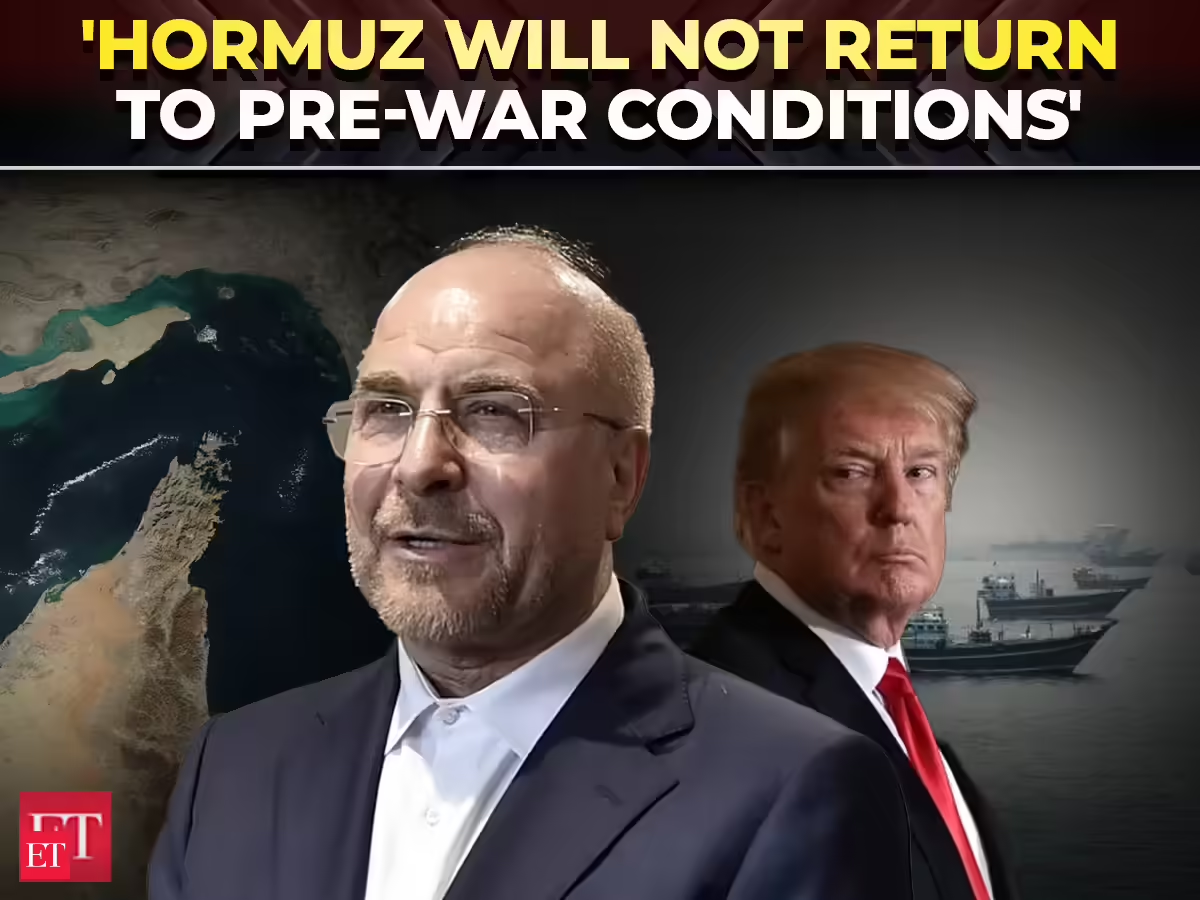
Strait of Hormuz will not return to pre-war conditions: Iran's top negotiator Ghalibaf
Iran's chief negotiator Mohammad-Bagher Ghalibaf said on Wednesday (June 17) that the Strait of Hormuz will not return to pre-war conditions following a peace deal between his…
- ·
euronews.com
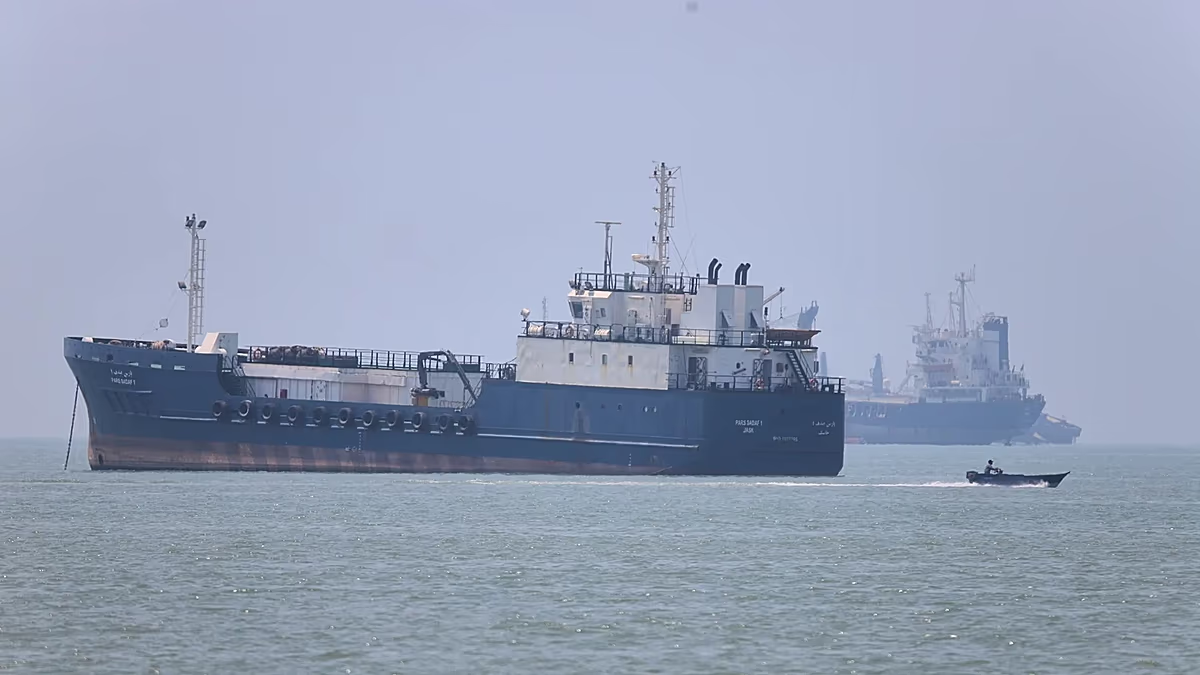
Confusion in Strait of Hormuz amid reports Iran has reclosed waterway
The Persian Gulf Strait Authority has announced that ships that submit "compliant transit requests" would be allowed to transit the Strait.
- ·
thehindu.com
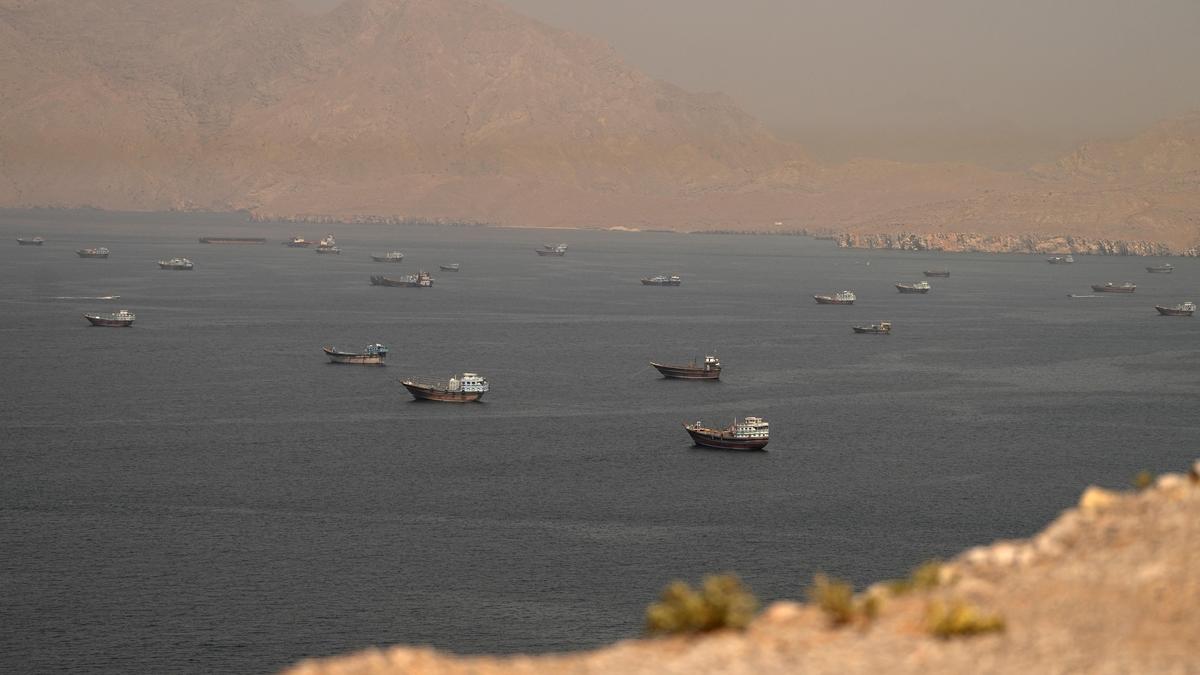
Iran’s military command says Strait of Hormuz is closed again over ‘enemy’s breach of promise’
Iran's military warns of Strait of Hormuz closure due to U.S. and Israel ceasefire violations, threatening further action.