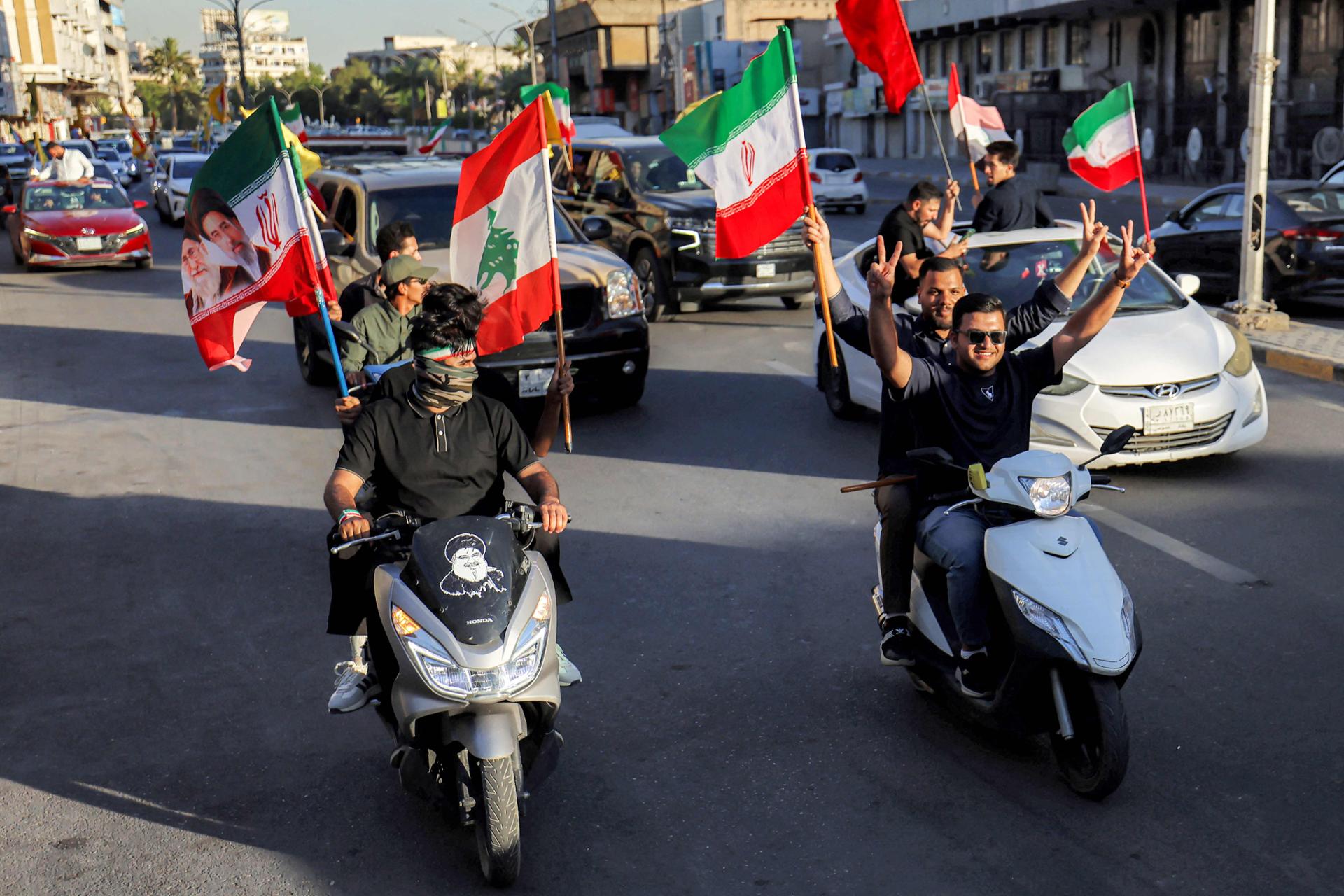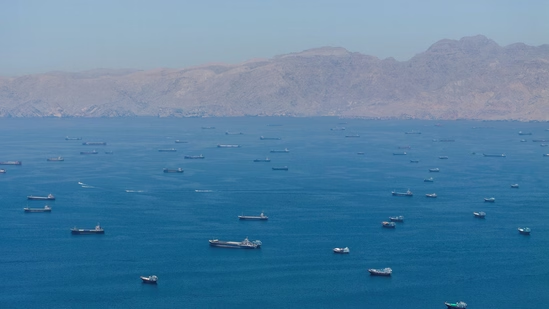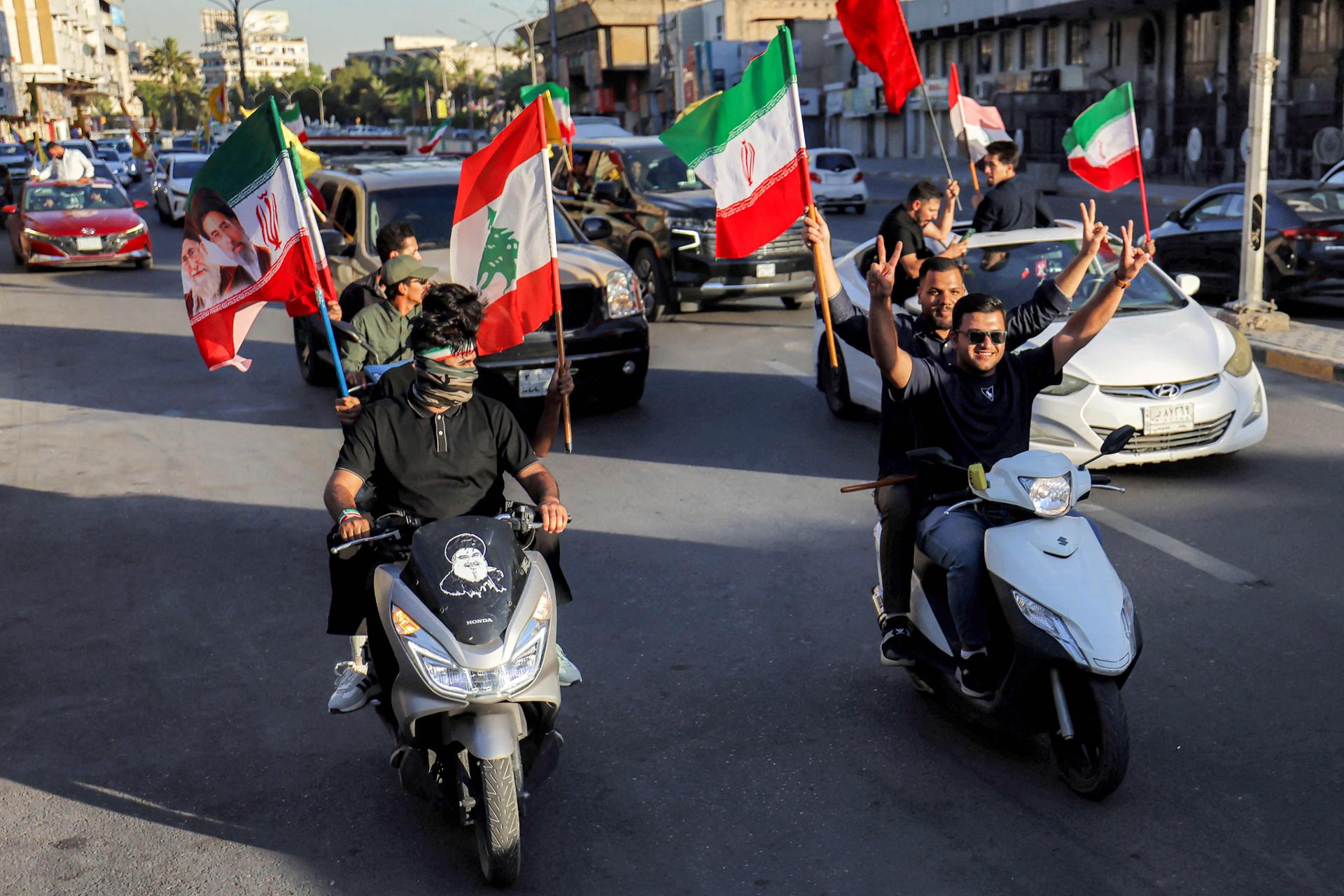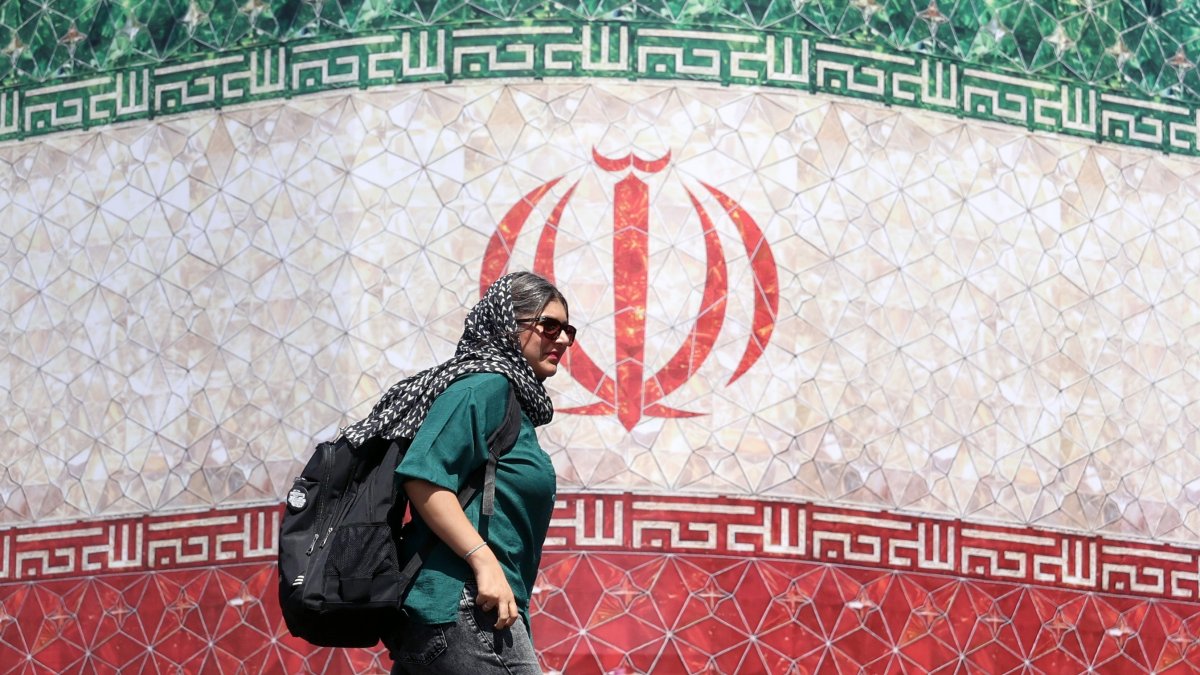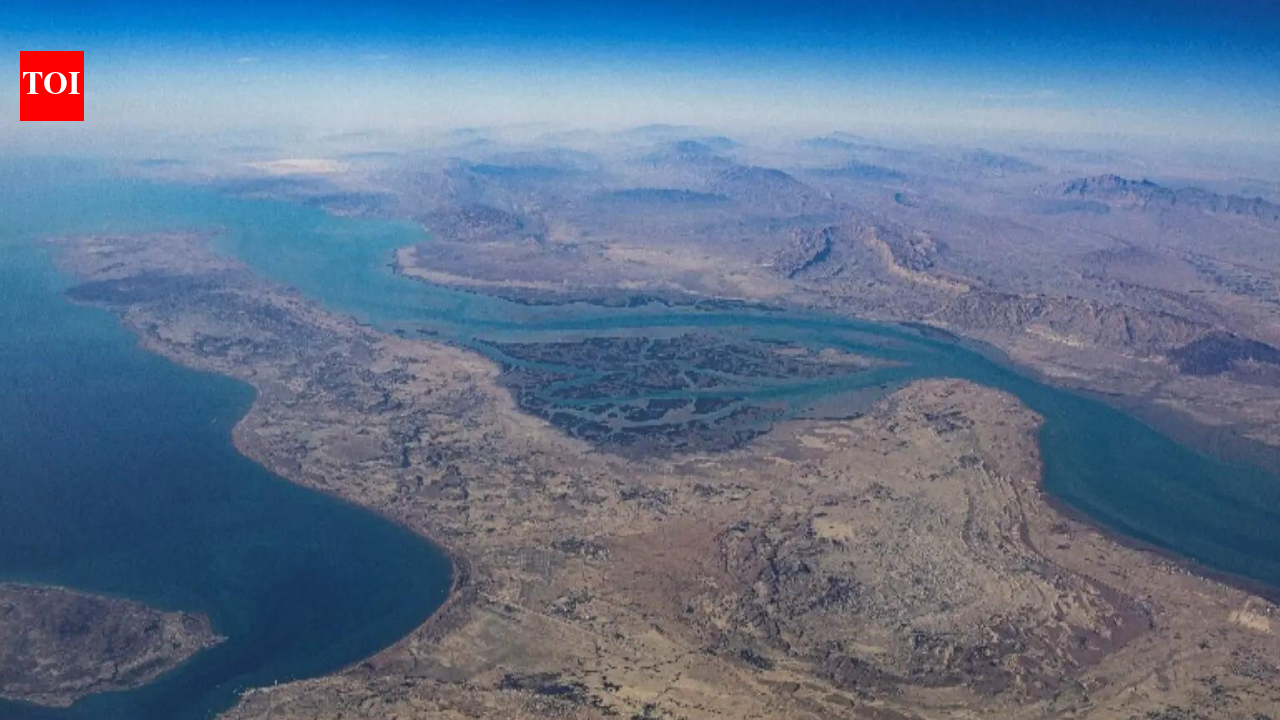
World·NewIran will immediately take steps to reopen the Strait of Hormuz once a tentative deal with the U.S. to end the war is signed and will be allowed to sell its oil without restrictions, according to leaked copies of an interim agreement that officials say broadly matches the document.Major concessions by U.S. outstrip the terms of Iran's 2015 nuclear dealThe Associated Press · Posted: Jun 17, 2026 8:14 AM EDT | Last Updated: 21 minutes agoListen to this articleEstimated 6 minutesThe audio version of this article is generated by AI-based technology. Mispronunciations can occur. We are working with our partners to continually review and improve the results.Trump says Iran deal details coming soon, slams Israel's Lebanon war tactics11 hours ago|Duration 5:03Speaking at the G7 summit in France, U.S. President Donald Trump said details of the Iran peace deal are coming within days. He also criticized Israel's war tactics in Lebanon, saying 'too many people are being killed.'Iran will immediately take steps to reopen the Strait of Hormuz once a tentative deal with the U.S. to end the war is signed and will be allowed to sell its oil without restrictions, according to leaked copies of an interim agreement that officials say broadly matches the deal. The accord, due to be formally signed in a ceremony in Switzerland on Friday, says the U.S. would secure at least $300 billion US to rebuild Iran after the war and work to end all U.S. and United Nations sanctions imposed on Tehran if a final agreement addressing its nuclear program is reached. Allowing Iran to sell its oil freely and offering to eventually lift all sanctions represent major concessions that outstrip the terms of Iran's 2015 nuclear deal with world powers, which U.S. President Donald Trump unilaterally withdrew America from in his first term, declaring it the "worst deal ever." The two sides are to start 60 days of negotiations over a final deal that the Trump administration insists will prevent Iran from ever developing a nuclear weapon. Much of the agreement would restore the status quo before the war, including ending hostilities and reopening the strait, which is a crucial passage for the world's oil and natural gas and whose closure created a historic energy crisis. Meanwhile, Trump said Wednesday at the close of the G7 meeting that if Iran doesn't "behave" the U.S. will "go right back to dropping bombs right smack in the middle of their head." LISTEN | How Iran will emerge from war:Front Burner29:48A changed Iran emerges from warA person who was briefed on the memorandum of understanding after it was signed and another who viewed a copy beforehand said it largely matched the text of what was published by the Saudi-owned broadcaster Al Arabiya, which reported details of the deal Tuesday. The two people spoke on condition of anonymity because of the sensitivity of the discussions.Another two officials in the Mideast, who spoke on condition of anonymity for the same reason, also said the versions published by Al Arabiya and Bloomberg broadly matched the final agreement.WATCH | How the deal is being framed in Iran:Iranian authorities say deal with U.S. is a 'victory'June 16|Duration 2:18U.S. and Iranian officials said on Sunday they have agreed on a peace framework for a deal to end their war, halt the U.S. blockade of Iran and reopen the Strait of Hormuz. In response, many Iranians are relieved, hoping it will bring a period of stability for the country and improve the economy. However, those opposed to the Iranian regime are disappointed that this war didn't lead to regime change.The White House and other American officials have not published the terms and did not immediately respond to questions. Iran also has not published an official version of the deal. Iran's semiofficial Tasnim news agency, close to its paramilitary Revolutionary Guard, claimed Wednesday that Bloomberg's version had missing portions, without offering a full accounting. Carney says he's seen U.S.-Iran framework to end war, calls it a 'game changer' in CNN interviewAnalysisCan Washington force Israel to comply with a U.S.-Iranian deal it rejects?The reported details have exposed a rift between the U.S. and Israel. The deal calls for an immediate end to all fighting in Lebanon between Israel and the Iranian-backed militia Hezbollah. Prime Minister Benjamin Netanyahu, facing an election this year, has maintained that Israel will continue to defend itself and to occupy vast swaths of Lebanon. Iranian attacks on shipping and the threat to vessels largely closed the Strait of Hormuz, drove up energy prices around the world and made many basics, including food, more expensive. The U.S. later provided military support to get some ships out, but traffic through the strait is nowhere near levels before the war. The deal calls for the U.S. to lift its blockade imposed on Iranian ports and for the strait to return to its prewar traffic levels in 30 days, while acknowledging Iranian mines may still be in its waters that need to be destroyed.While the deal says that the eventual lifting of sanctions on Iran will depend on future negotiations, the U.S. will immediately issue waivers on Iranian oil sales. WATCH | What about shipping and oil?:Undoing the Strait of Hormuz energy crisisJune 15|Duration 1:40CBC’s senior business correspondent Peter Armstrong breaks down why — even when the Strait of Hormuz is open again — getting markets back to pre-war levels is going to be a mammoth task.Granting oil waivers directly at the start of the 60-day talks strips the U.S. of a major point of leverage over Iran. In the years before the multilateral 2015 nuclear deal, Iranian oil faced international sanctions limiting their sales. Only at the conclusion of the overall deal in 2015 were those sanctions lifted.The accord would also provide Iran with at least $300 billion to rebuild after an intense U.S. and Israeli bombing campaign. U.S. Vice-President JD Vance has said Gulf Arab nations would provide that amount as investments in Iran.Nuclear negotiations awaitThe interim deal sets a 60-day window, which can be extended, to negotiate over limiting Iran's nuclear program, which has been discussed at multiple rounds of talks during Trump's second administration without success. Iran maintains its nuclear program is peaceful, though it has enough highly enriched uranium to build multiple atomic bombs, should it choose to do so, according to the International Atomic Energy Agency. In the interim deal, Iran reiterates that it will never produce nuclear weapons — a promise that it also made in the 2015 nuclear accord. Iranian diplomats have long pointed to statements from the late Ayatollah Ali Khamenei that Iran wouldn't build an atomic bomb. It remains unclear whether Khamenei's son, Iran's new Supreme Leader Ayatollah Mojtaba Khamenei, will follow that or not. The G7 leaders said in a statement that there is "a historic opportunity to prevent Iran from acquiring any nuclear weapon and tackling the threats related to its regional and ballistic activities."Trump has cited shifting goals for the war, including at times vowing it would end Iran's nuclear and missile programs and its support for Hezbollah and other proxy groups in the region. In January, he urged on rare protests in Iran, saying in a social media post that "help is on its way." While the protests had ebbed by the time U.S. and Israel launched widespread attacks in Iran on Feb. 28, the plight of the Iranians has seemed to recede from view. This week, Trump said that the White House is dealing with Iranian leaders who are "not radicalized" and "looking to help their country." WATCH | Is Iran actually a nuclear threat?:How close Iran was to making a nuclear bombMay 6|Duration 7:05U.S. President Donald Trump has justified war with Iran by saying the country was two weeks away from having a nuclear weapon. For The National, CBC’s Eli Glasner breaks down those claims and how close Iran really was to building a nuke.With files from CBC News
Iran to reopen Strait of Hormuz, can sell oil again, according to leaks of agreement with U.S. | CBC News
Iran will immediately take steps to reopen the Strait of Hormuz once a tentative deal with the U.S. to end the war is signed and will be allowed to sell its oil without restrictions, according to leaked copies of an interim agreement that officials say broadly matches the document.
1,320 words~6 min read