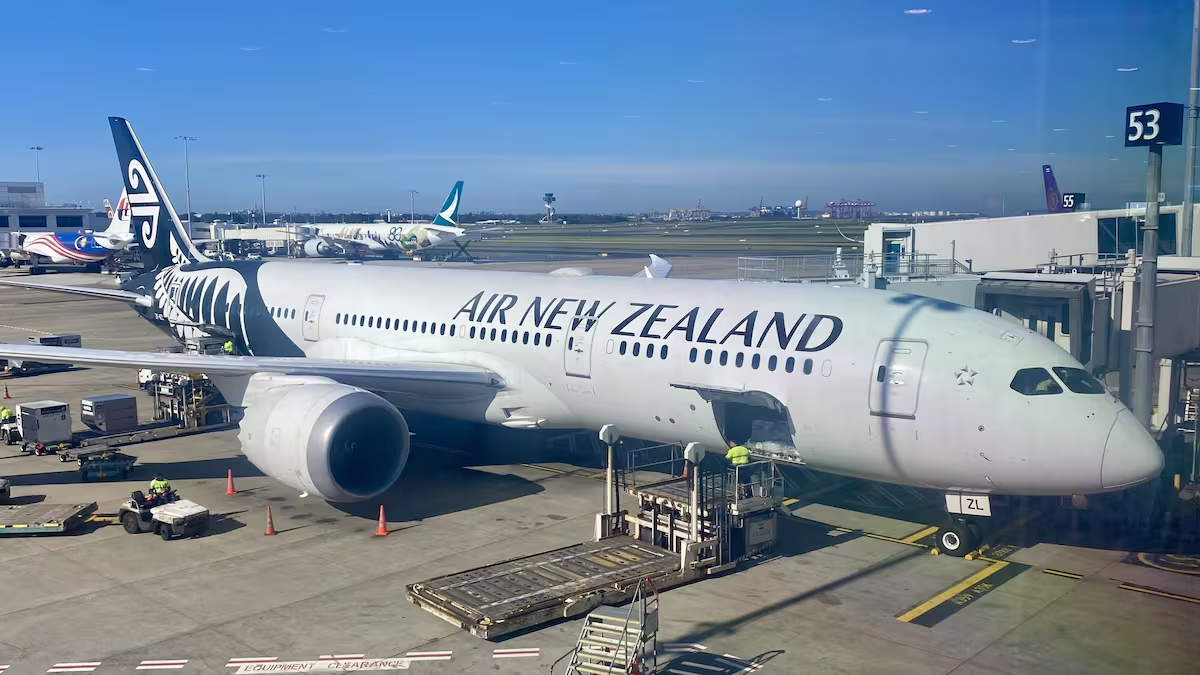
Cheaper fares aren't guaranteed despite US-Iran agreement as airlines benefit from these factors, analysts say.

Oil prices sank Monday, hitting their lowest levels in more than three months, after the United States and Iran said they had reached an agreement that would end a US blockade of…

It’s complicated but not this month, most likely.

News of a deal between Iran and the United States is likely to be good news for New Zealand petrol prices and interest rates, provided it sticks.

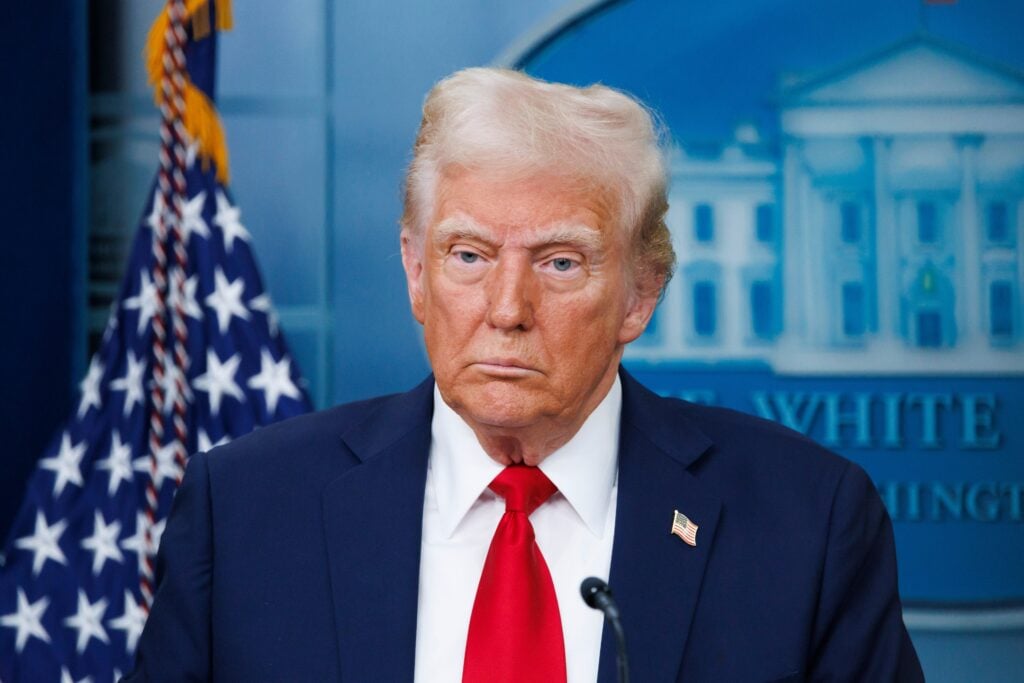
Oil prices fell sharply as President Trump announced a US-Iran deal ending the naval blockade, with Brent crude dropping 3.9% to $84 a barrel, its lowest since March.

The price of U.S. crude oil fell to its lowest point since early March, but it’s still up 40% since the start of the year.

Airline stocks are rallying Monday and the U.S. Global Jets ETF (JETS) is on the verge of a new high for the year.

The fighting disrupted not only fuel supplies but also the supply chains for fertilizer, food and even footwear.

Analysts say tight seat supply and strong demand give airlines little incentive to cut fares, even if the US-Iran war ends and oil prices fall.

'Wild ride' for jet fuel may be ending, as watchdog warns companies against surcharges.

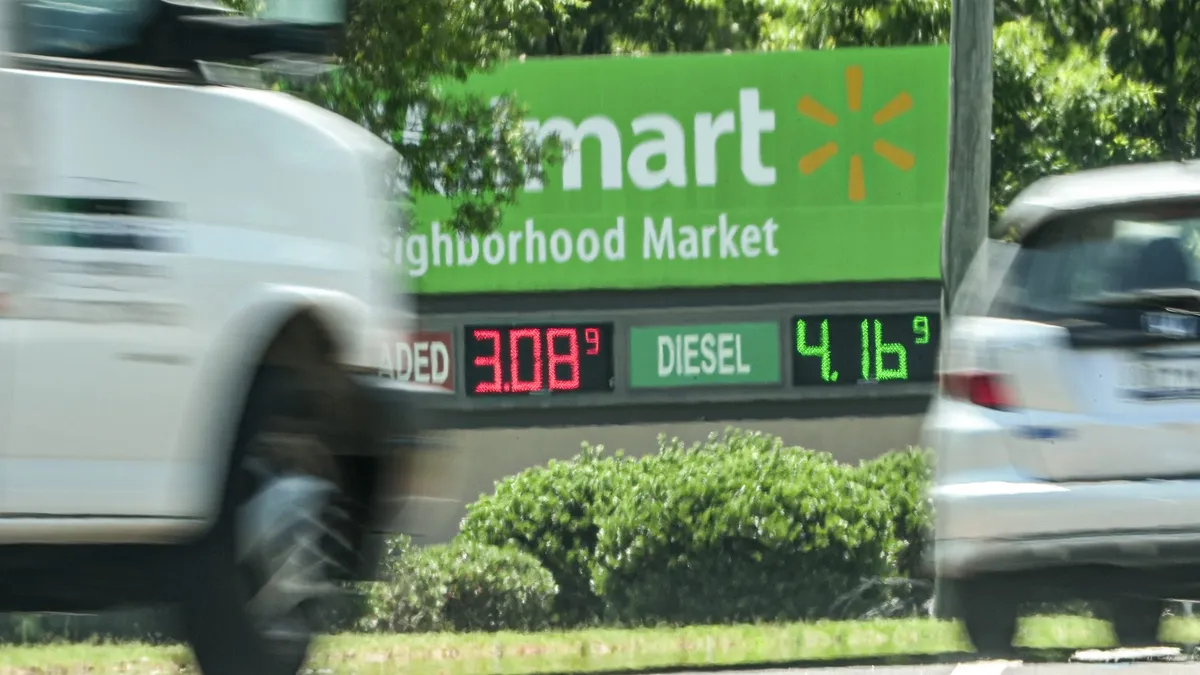
Gas prices remain high despite Iran deal and falling oil prices. Americans paying $10-$25 more per fill-up compared to last year.

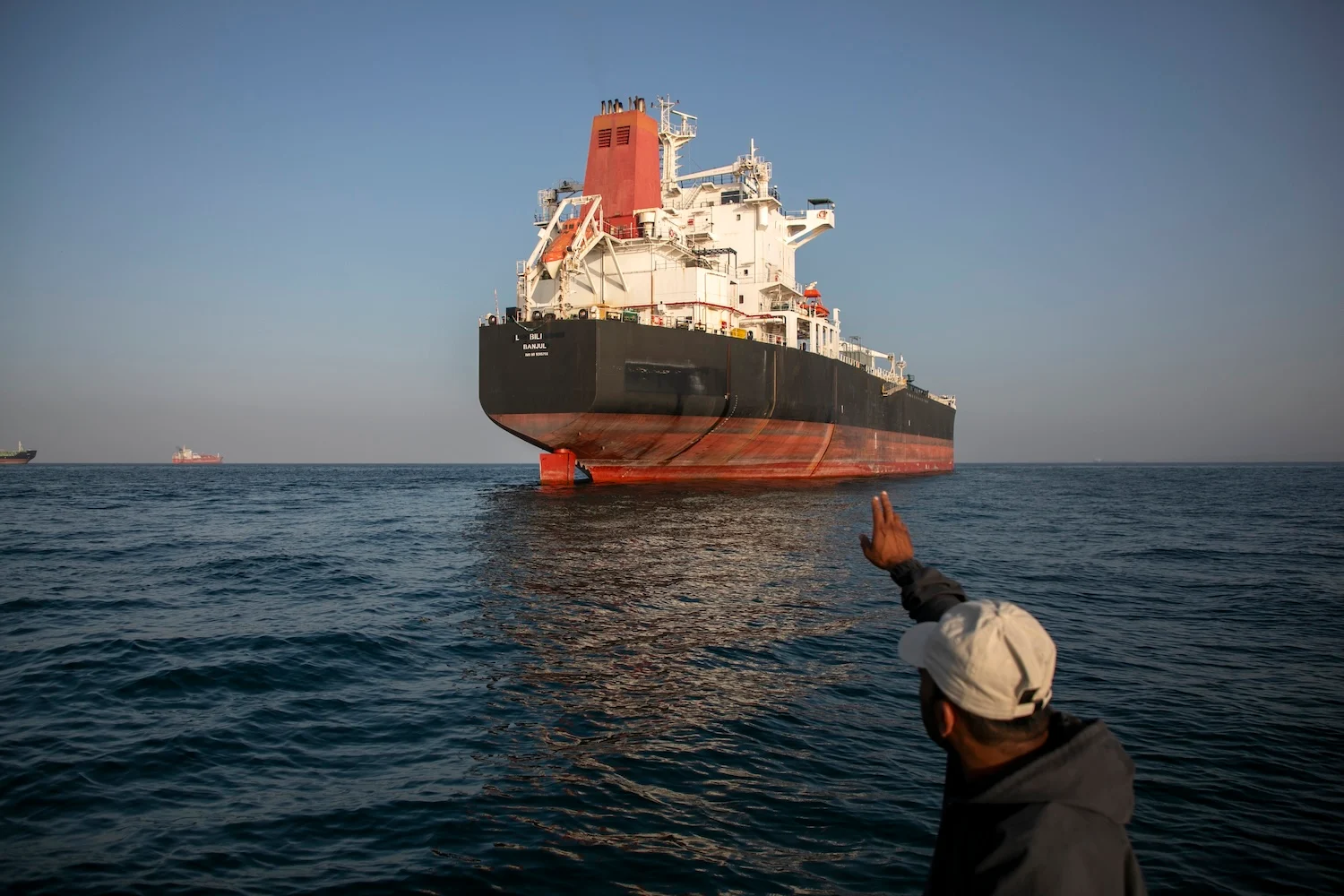
The US and Iran are set to sign the agreement on Friday, with oil prices already falling off the back of hopes that the Strait of Hormuz will reopen

Cheaper fares aren't guaranteed despite US-Iran agreement as airlines benefit from these factors, analysts say.

Inflation recently hit a three-year high, and some analysts warn consumer prices may take some time to come down.

Hopes of unfettered Mideast flows from Friday sparked a major sell off, but airline fuel bills are still 20% higher than before the war.

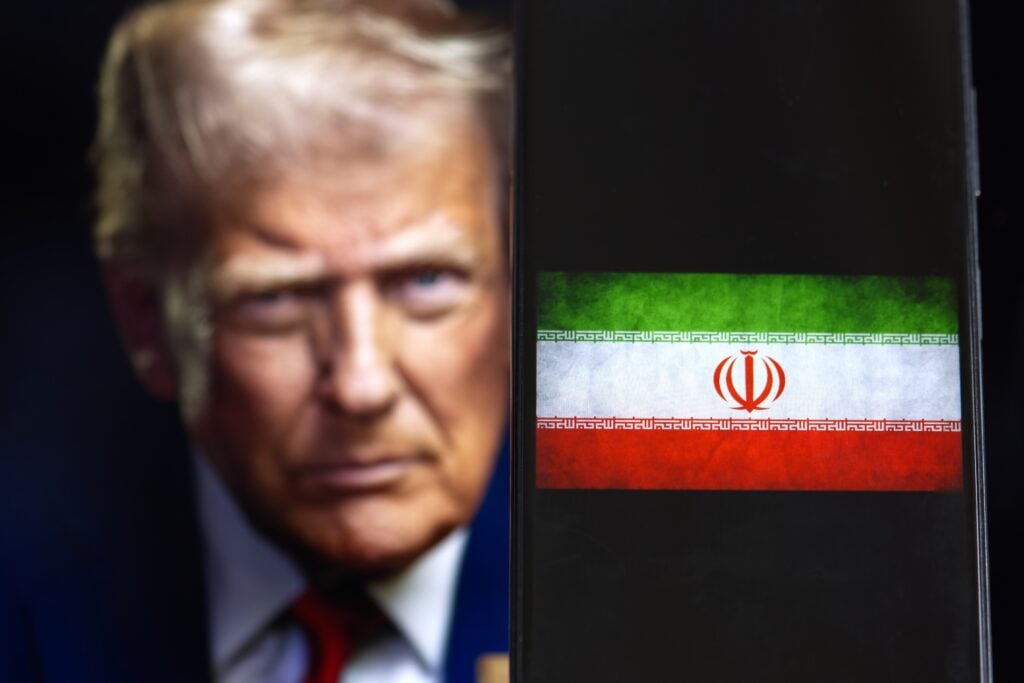
Trump hopes oil prices will come down immediately, but economists say this probably won’t happen

Gas prices fell on hopes of a peace deal between the U.S. and Iran, though it may take time for shipping in the Strait of Hormuz to return to pre-war levels.

The recent decline in oil prices is primarily driven by fading fears of supply disruptions. Earlier, markets had priced in worst-case scenarios, including a prolonged conflict and…